
Dreame vacuums for fast and efficient cleaning!
In cart {{totalProductsCount}} item(s)
Your cart is empty
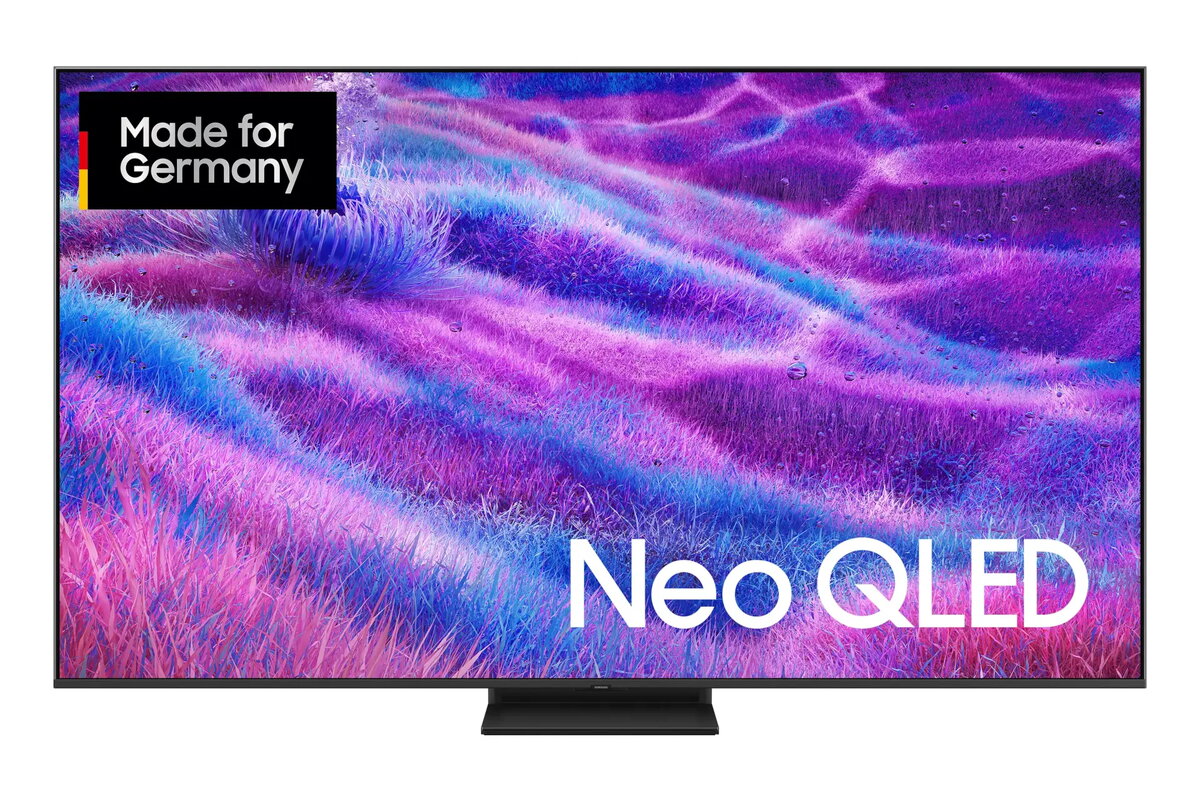
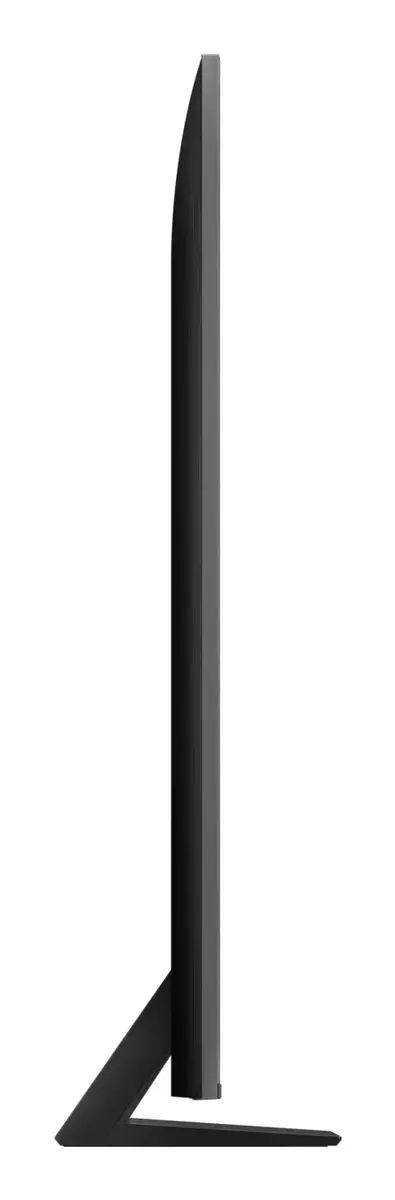
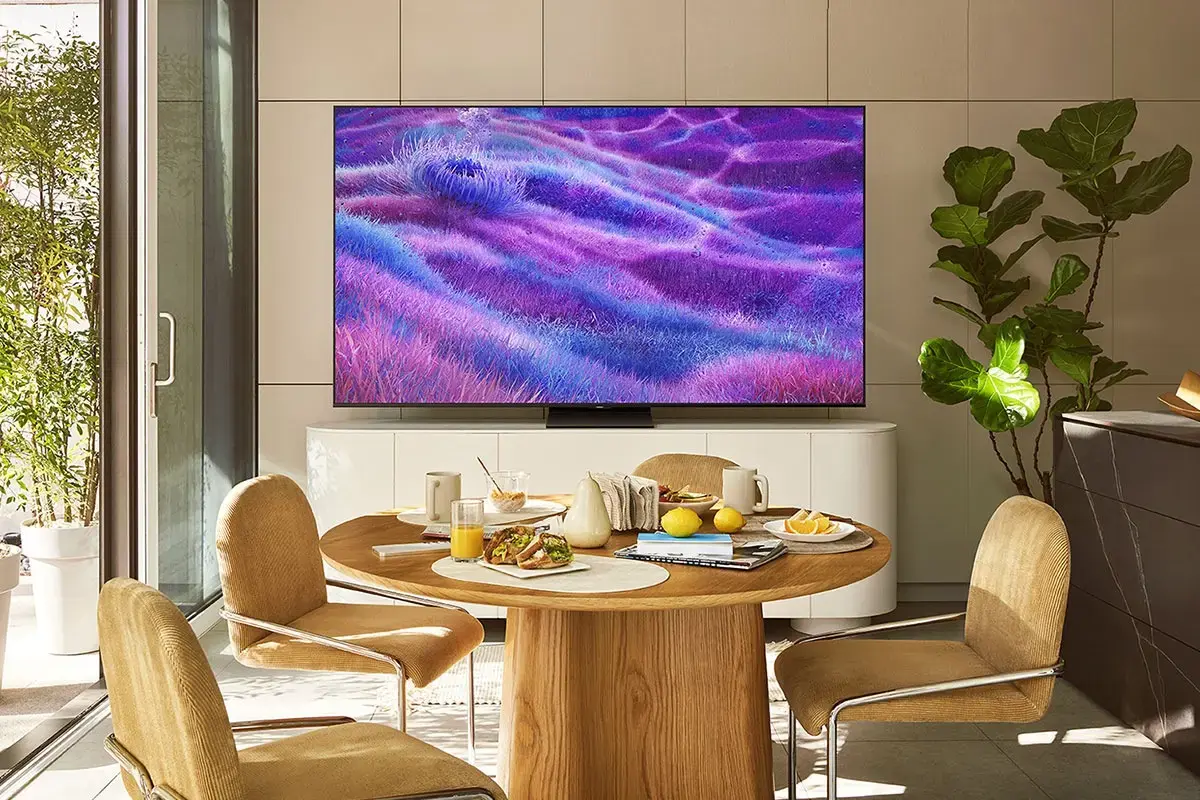
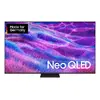
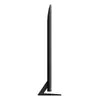
QLED TV Samsung GQ65QN80FAUXZG 65" Neo QLED Mini-LED UltraHD/4K, 100Hz, PVR, black
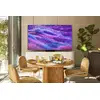
The Samsung GQ65QN80FAU is a 65" (165.1 cm) QLED Smart TV that delivers 4K Ultra HD resolution (2160 x 3840) on a flat 16:9 panel and runs the Tizen operating system. The set offers Motion Xcelerator interpolation for smoother motion, built-in tuners for DVB-C, DVB-S2 and DVB-T2 broadcasts, and multiple connectivity options including Wi‑Fi and Ethernet LAN. With a carbon-coloured chassis and support for HDR content, this model is intended for home cinema, streaming services, broadcast TV and gaming at high resolution.
The QLED display provides enhanced colour reproduction and brightness compared with conventional LED panels, while 4K Ultra HD resolution increases image detail for films, series and games. Motion Xcelerator improves motion clarity for fast-moving scenes. Tizen OS gives access to popular streaming apps and smart features, and integrated DVB tuners ensure reception of terrestrial, cable and satellite broadcasts without additional receivers. Multiple network options and VESA compatibility facilitate flexible installation and connection to home networks and external devices.
Place the TV on a stable surface or mount it on a VESA-compatible wall bracket (400 x 300 mm). Connect the power cable, then connect antennas or satellite/cable inputs to the respective DVB connectors. For network functionality, set up Wi‑Fi via the Tizen settings menu or connect an Ethernet cable to the LAN port. Use the on-screen setup wizard to configure language, channel scan and internet services, then sign in to streaming apps as needed. Adjust picture mode and motion settings to suit content type.
For optimal picture quality, select a 4K HDR source and calibrate the TV’s picture mode based on the viewing environment: brighter modes for well-lit rooms and standard or cinema modes for darker rooms. Enable Motion Xcelerator for fast-action content such as sports or gaming, and disable or reduce interpolation for cinematic material if you prefer natural film motion. Ensure adequate ventilation around the chassis and use a proper wall mount with the specified VESA pattern.
{{highlightedFeature.featureTitle}}:
{{getProductFeatureValueById(product, highlightedFeature.featureId)}}
{{ productComparisonGenerationError }}
Device manufacturer code
Device manufacturer
Power consumption in switched-on state expressed in W.
Amount of power consumed by this model, often expressed in watts (W). Typical values that manufacturers give are power consumption when off, standby/suspended mode, typical use, maximum usage.
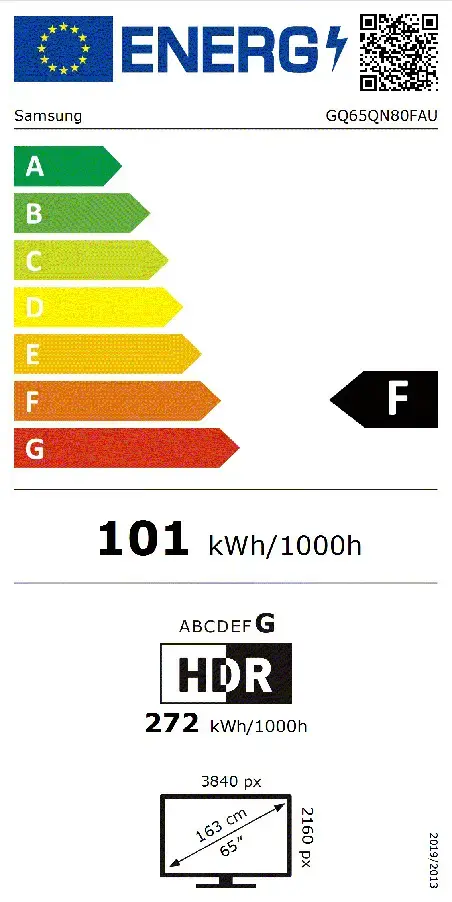
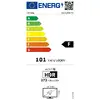
Energy efficiency class is a standard classification that is used all over Europe and which is understandable at first sight. Products can be efficiently compared according to classes, starting from A (the most energy efficient class), and ending with G (the most energy-intensive class). The classification of energy efficiency is based on annual energy consumption which is being calculated on the basis of several different parameters.
In Digital Video Broadcasting, the Common Interface (CI) is a technology which allows separation of conditional access functionality from a digital TV receiver-decoder (Host) into a removable conditional access module (CAM). CI+ or Common Interface Plus implements a form of copy protection between a Conditional Access Module (CAM) and the television receiver (Host). CI+ is backward compatible with CIv1. Old television receivers, which have CIv1 CI-slot, can be used with CI+ CAM and vice versa, but for viewing only those of TV programs which are not marked as CI+ protected.
An Ethernet LAN (Local Area Network) interface is present, for a wired conection via a cable.
Digital distribution of television content via the Internet. Internet television is a general term that covers the delivery of television shows and other video content over the Internet by video streaming technology, typically by major traditional television broadcasters.
The type of radio tuner e.g. analog, digital.
Describes which motion interpolation technology device uses e.g. BLS (Back Light Scanning), PPR (Picture Perfection Rate), PMR (Perfect Motion Rate), TruMotion.
The number of distinct pixels in each dimension that can be displayed. It is usually quoted as width × height, with the units in pixels: for example, "1024 × 768" means the width is 1024 pixels and the height is 768 pixels. The higher the number of pixels, the sharper the image.
The technology used in the display e.g. plasma, LED.
Size of the display for this product, measured diagonally, usually in inches.
The colour e.g. red, blue, green, black, white.