
Powerful EcoFlow stations for energy anywhere!
In cart {{totalProductsCount}} item(s)
Your cart is empty
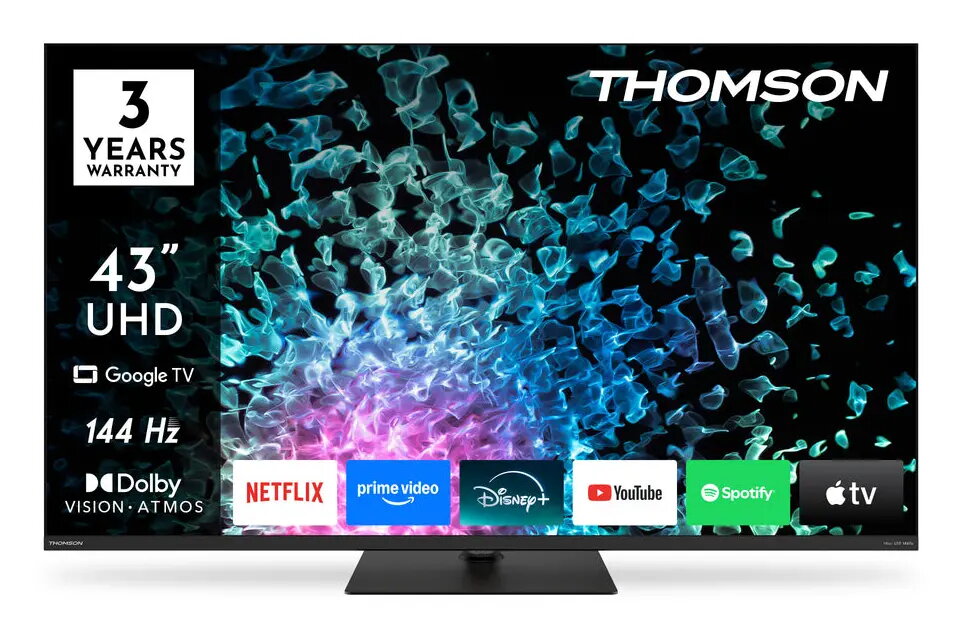
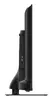
Thomson 43MG7C15 43" (109.2 cm) 4K Ultra HD QD‑Mini LED Smart TV, Google TV, 3840×2160, 320 cd/m², Black
Thomson 43MG7C15 is a 43" (109.2 cm) 4K Ultra HD Smart TV featuring QD‑Mini LED display technology and a native resolution of 3840×2160. The combination of Quantum Dot colour enhancement and Mini LED backlighting delivers improved colour accuracy, deeper blacks and brighter highlights. The set runs Google TV for unified access to apps and streaming services, supports broadcast standards DVB‑T/T2, DVB‑C and DVB‑S/S2, and offers both Wi‑Fi and Ethernet LAN connectivity. With a listed peak brightness of 320 cd/m² and a typical contrast of 5000:1, this TV is intended for living-room and home-cinema use where detail and HDR playback matter.
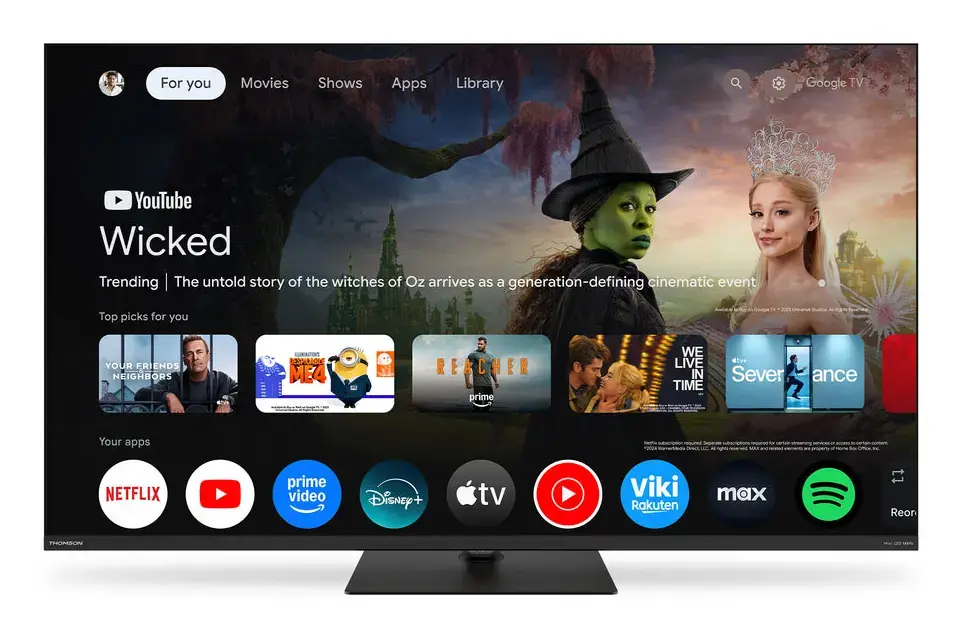
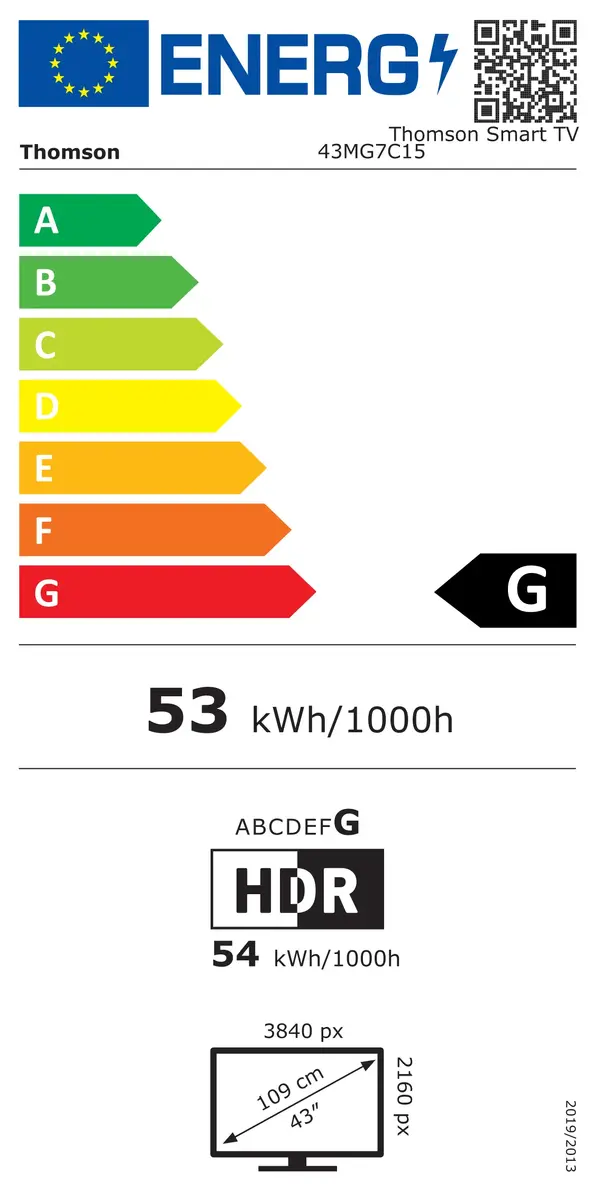
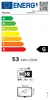
The QD‑Mini LED panel enhances colour gamut and contrast while preserving 4K resolution for crisp images and fine detail. Google TV provides a single interface for installed apps, recommendations and voice control via Google Assistant. Built‑in connectivity options including Wi‑Fi and Ethernet support streaming and networked media playback. Support for common broadcast standards ensures compatibility with terrestrial, cable and satellite services. Energy consumption figures are provided for SDR and HDR viewing, allowing comparison with other models.
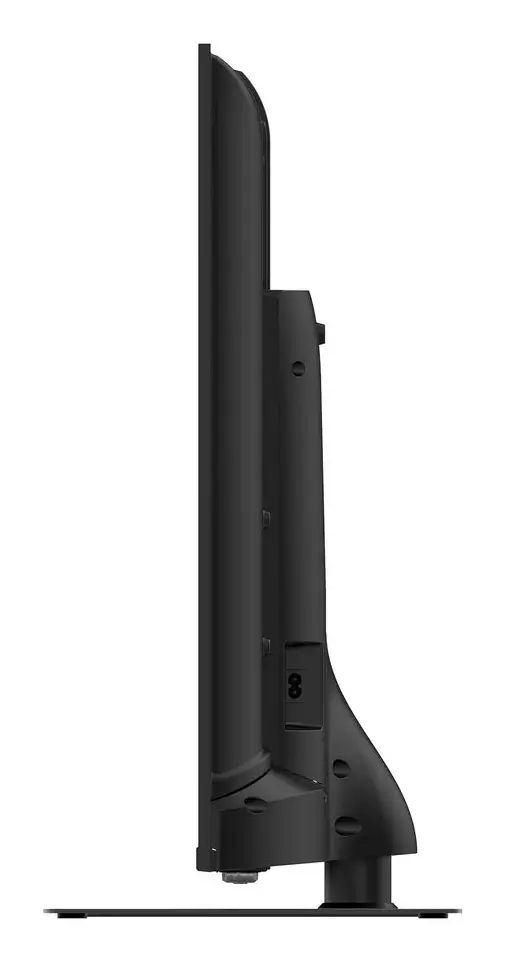
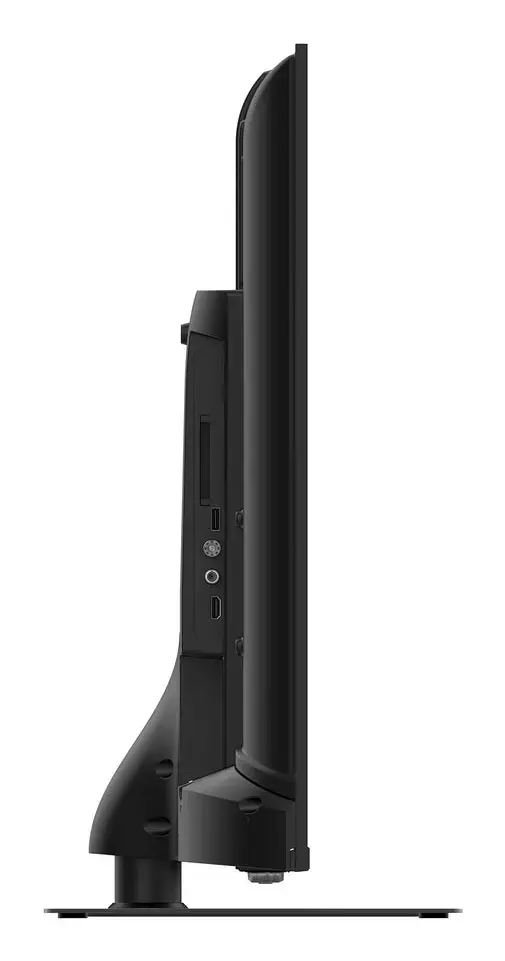
Unpack the TV and attach the supplied central swivel stand or prepare a compatible VESA wall mount. Connect an HDMI source, set up network access via Wi‑Fi or Ethernet, and follow the on‑screen Google TV setup to sign in with a Google account. Use the on‑screen menus to tune broadcast channels or install streaming apps from the Google Play catalogue. Enable HDR playback in app settings where required and adjust picture modes to match viewing conditions; user presets and basic picture controls are available in the settings menu.
For best picture performance, place the TV where ambient light can be controlled and select a picture mode suited to the content type (Standard or Movie for films, Sports for live action). Ensure firmware updates are applied via network to keep system apps and security current. Use a wired Ethernet connection for high‑bandwidth streaming when possible to reduce buffering.
{{highlightedFeature.featureTitle}}:
{{getProductFeatureValueById(product, highlightedFeature.featureId)}}
{{ productComparisonGenerationError }}
Device manufacturer code
Device manufacturer
Power consumption in switched-on state expressed in W.
Energy efficiency class is a standard classification that is used all over Europe and which is understandable at first sight. Products can be efficiently compared according to classes, starting from A (the most energy efficient class), and ending with G (the most energy-intensive class). The classification of energy efficiency is based on annual energy consumption which is being calculated on the basis of several different parameters.
In Digital Video Broadcasting, the Common Interface (CI) is a technology which allows separation of conditional access functionality from a digital TV receiver-decoder (Host) into a removable conditional access module (CAM). CI+ or Common Interface Plus implements a form of copy protection between a Conditional Access Module (CAM) and the television receiver (Host). CI+ is backward compatible with CIv1. Old television receivers, which have CIv1 CI-slot, can be used with CI+ CAM and vice versa, but for viewing only those of TV programs which are not marked as CI+ protected.
An Ethernet LAN (Local Area Network) interface is present, for a wired conection via a cable.
Digital distribution of television content via the Internet. Internet television is a general term that covers the delivery of television shows and other video content over the Internet by video streaming technology, typically by major traditional television broadcasters.
The technology used in the display e.g. plasma, LED.
The number of distinct pixels in each dimension that can be displayed. It is usually quoted as width × height, with the units in pixels: for example, "1024 × 768" means the width is 1024 pixels and the height is 768 pixels. The higher the number of pixels, the sharper the image.
Size of the display for this product, measured diagonally, usually in inches.
The colour e.g. red, blue, green, black, white.