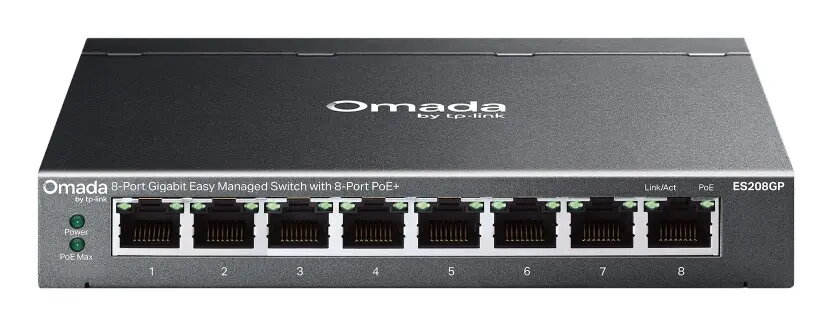
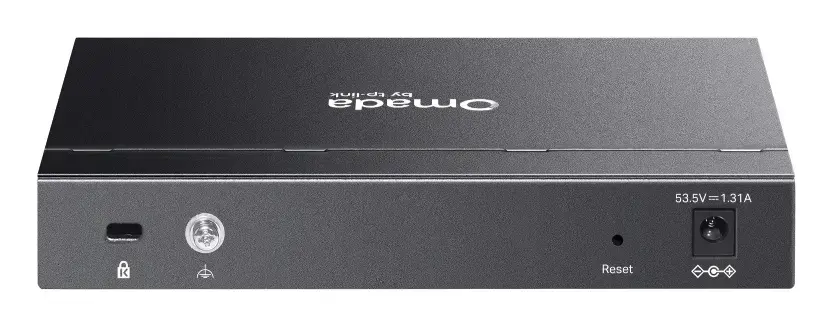
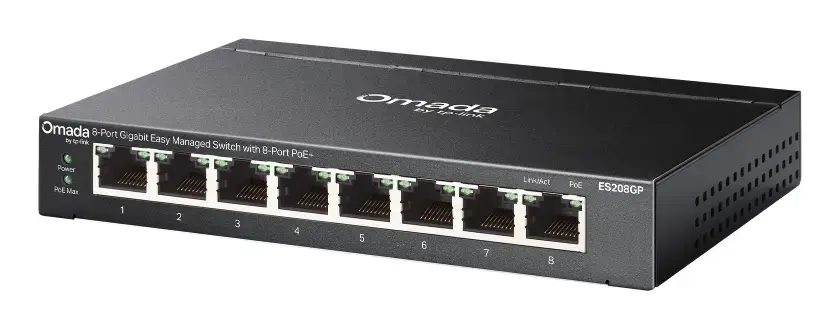
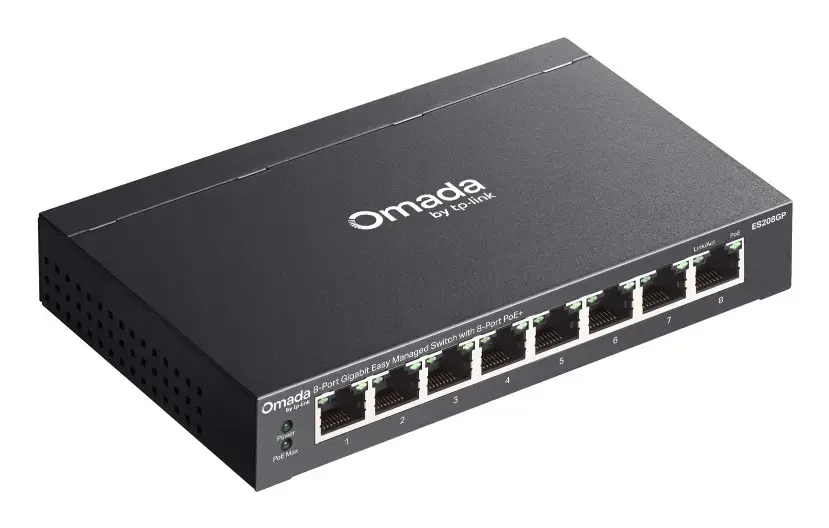
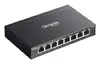
-
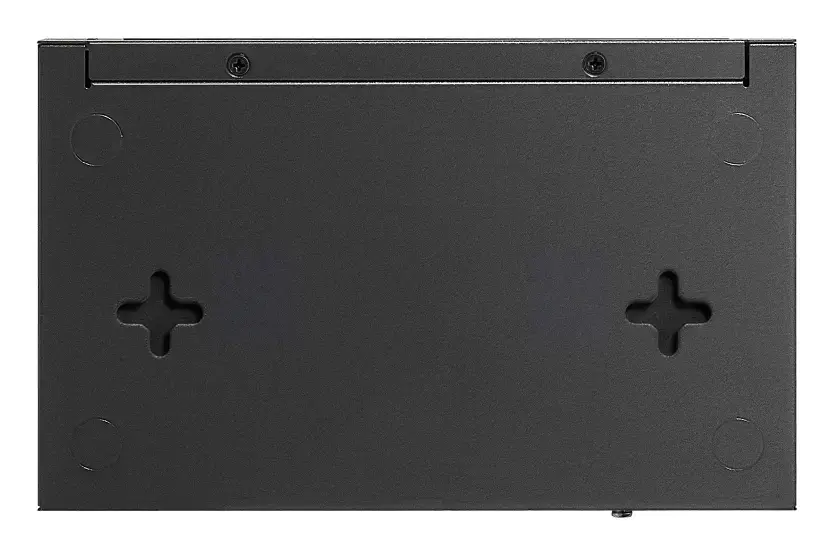
Rack mounting:
The type of mounting that can position devices in a shelving system (rack).
-
Yes
-
MAC address table:
The MAC address is the 'Media Access Control Address'. It is a unique address given to a network interface controller (NIC) in a device. A MAC address table shows the addresses in a table format.
-
8000 entries
-
Operating relative humidity (H-H):
-
10 - 90
-
Storage temperature (T-T):
The minimum and maximum temperatures at which the product can be safely stored.
-
-40 - 70
-
Form factor:
The shape or design of the product.
-
DIN rail
-
Operating temperature (T-T):
The minimum and maximum temperatures at which the product can be safely operated.
-
0 - 40
-
Storage relative humidity (H-H):
-
5 - 90
-
Power source:
What is providing power for the product e.g. mains electricity.
-
DC
-
Height:
The measurement of the product from head to foot or from base to top.
-
25.4 mm
-
LED indicators:
-
Y
-
Width:
The measurement or extent of something from side to side.
-
158 mm
-
Depth:
The distance from the front to the back of something.
-
100.7 mm
-
Product colour:
The colour e.g. red, blue, green, black, white.
-
Black
-
Switching capacity:
The data transfer capacity of the switch per second.
-
16 Gbit/s
-
Networking standards:
The way in which the network is working, e.g. IEEE 802.11a, IEEE 802.11b, IEEE 802.11g.
-
IEEE 802.3af, IEEE 802.3at, IEEE 802.3bt
-
Cables included:
-
Power
-
Flow control support:
-
Yes
-
Power over Ethernet (PoE):
The device supports Power over Ethernet (PoE), which is one of several standardized or ad-hoc systems which pass electrical power along with data on Ethernet cabling. This allows a single cable to provide both data connection and electrical power to devices such as wireless access points or IP cameras.
-
Yes
-
Switch layer:
A network switch is a computer networking device that links networking segments. A switch has different layers, such as layer 2 (a network bridge, operating at the data link layer, interconnecting a small number of devices) and layer 4 (can act as a firewall, amongst other things).
-
L2
-
Quality of Service (QoS) support:
-
Yes
-
Port mirroring:
-
Yes
-
Link aggregation:
-
Yes
-
Jumbo frames support:
-
Yes
-
Multicast support:
-
Yes
-
Broadcast storm control:
-
Yes
-
Input current:
-
1.31
-
Web-based management:
Using a website/web application to manage something.
-
Yes
-
Store-and-forward:
-
Yes
-
Ethernet LAN data rates:
The different speed levels of the Ethernet LAN connection.
-
10, 100, 1000
-
Switch type:
What switch device has, managed or unmanaged.
-
Managed
-
Quick start guide:
Instructions, either online, as a computer program or in paper form, to allow you to set up and start using the product quickly.
-
Yes
-
IGMP snooping:
-
Yes
-
Auto MDI/MDI-X:
A Medium Dependent Interface (MDI) describes the interface (both physical and electrical) in a computer network from a physical layer implementation to the physical medium used to carry the transmission. Ethernet over twisted pair also defines a medium dependent interface crossover (MDIX) interface. Auto-MDIX ports on newer network interfaces detect if the connection would require a crossover, and automatically chooses the MDI or MDIX configuration to properly match the other end of the link.
-
Yes
-
Number of VLANs:
-
4000
-
VLAN support:
A Virtual Local Area Network (VLAN) consists of a group of computers and switches that can be physically distributed over different networks and buildings, but form one LAN on a logical level.
-
Yes
-
10G support:
The product can use Oracle 10G, which is a database management system introduced in 2003.
-
No
-
Transmission distance (max):
-
0.25 km
-
Forwarding rate:
-
11.904 Mpps
-
DC input voltage:
-
53
-
Power over Ethernet plus (PoE+) ports quantity:
-
8
-
Basic switching RJ-45 Ethernet ports type:
The type/category of basic switching RJ-45 Ethernet ports (sockets).
-
Gigabit Ethernet (10/100/1000)
-
Basic switching RJ-45 Ethernet ports quantity:
The number of basic switching RJ-45 Ethernet ports (sockets).
-
8
-
Total Power over Ethernet (PoE) budget:
-
64 W
-
Packet buffer memory:
-
0.5 MB
-
Auto-negotiation:
-
Yes
-
Loop protection:
-
Yes
-
Jumbo frames:
-
15000
-
Virtual LAN features:
-
Port-based VLAN, Tagged VLAN
-
DHCP features:
-
DHCP client
-
Cloud-managed:
-
Yes
-
Power over Ethernet (PoE) type supported:
-
PoE+
-
Compliance certificates:
Indicates which regulatory, safety, and environmental standards the product complies with, as verified by recognized authorities or certification bodies.
-
CE, Federal Communications Commission (FCC), RoHS