-
Certification:
-
CE, FCC, BSMI
-
Linux operating systems supported:
8 RT. Linux (9.4, 9.5), Red Hat Enterprise Linux 5.0 (supported with a pre-built package); SUSE Linux (10.3, 11.0, 11, 11.1, 11.2), Fedora (9, 9.0, 10, 10.0, 11.0, 11, 12, 12.0), Ubuntu (8.04, 8.04.1, 8.04.2, 8.10, 9.04, 9.10, 10.04), Debian (5.0, 5.0.1, 5.0.2, 5.0.3)
-
Yes
-
Windows operating systems supported:
Windows vesions wich can be used with the device.
-
Windows 7 Enterprise x64, Windows 7 Enterprise, Windows 10 Home x64, Windows 7 Home Basic, Windows 7 Home Basic x64, Windows 7 Home Premium, Windows 7 Home Premium x64, Windows 7 Professional, Windows 7 Professional x64, Windows 7 Starter, Windows 7 Starter x64, Windows 7 Ultimate, Windows 7 Ultimate x64, Windows 8, Windows 8.1, Windows 10 Pro, Windows 10 Pro x64, Windows 10 Home, Windows 10 Enterprise x64, Windows 10 Enterprise, Windows 10 Education x64, Windows 10 Education
-
Native Command Queuing (NCQ):
-
Yes
-
S.M.A.R.T. support:
-
Yes
-
TRIM support:
-
Yes
-
Random write (4KB):
-
78000 IOPS
-
Random read (4KB):
-
78000 IOPS
-
Write speed:
The speed at which a device can write data.
-
320 MB/s
-
Read speed:
The speed at which a device can read data.
-
550 MB/s
-
Data transfer rate:
Rate at which data can be transferred. Usually expressed in units per second. May vary with network configurations.
-
6 Gbit/s
-
Memory type:
Type of memory in the device e.g. DDR3, SRAM (Static RAM).
-
SLC
-
Interface:
Interface ports to connect pieces of equipment. USB (Universal Serial Bus) has become the most popular wired interface to connect peripherals. USB 2.0 supports speeds up to 480 Mbit/s (USB 1: 12 Mbit/s). The interface FireWire is also known as the IEEE 1394 standard. Enhanced IDE (EIDE)is sometimes referred to as Fast ATA, Fast IDE or ATA-2.
-
Serial ATA III
-
SSD form factor:
The size of the solid-state drive, given in inches
-
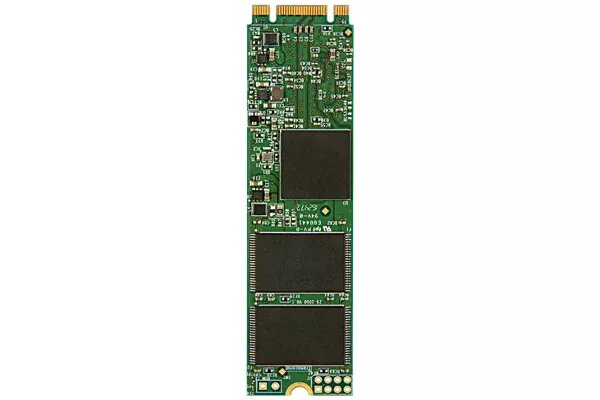
M.2
-
SSD capacity:
-
120 GB