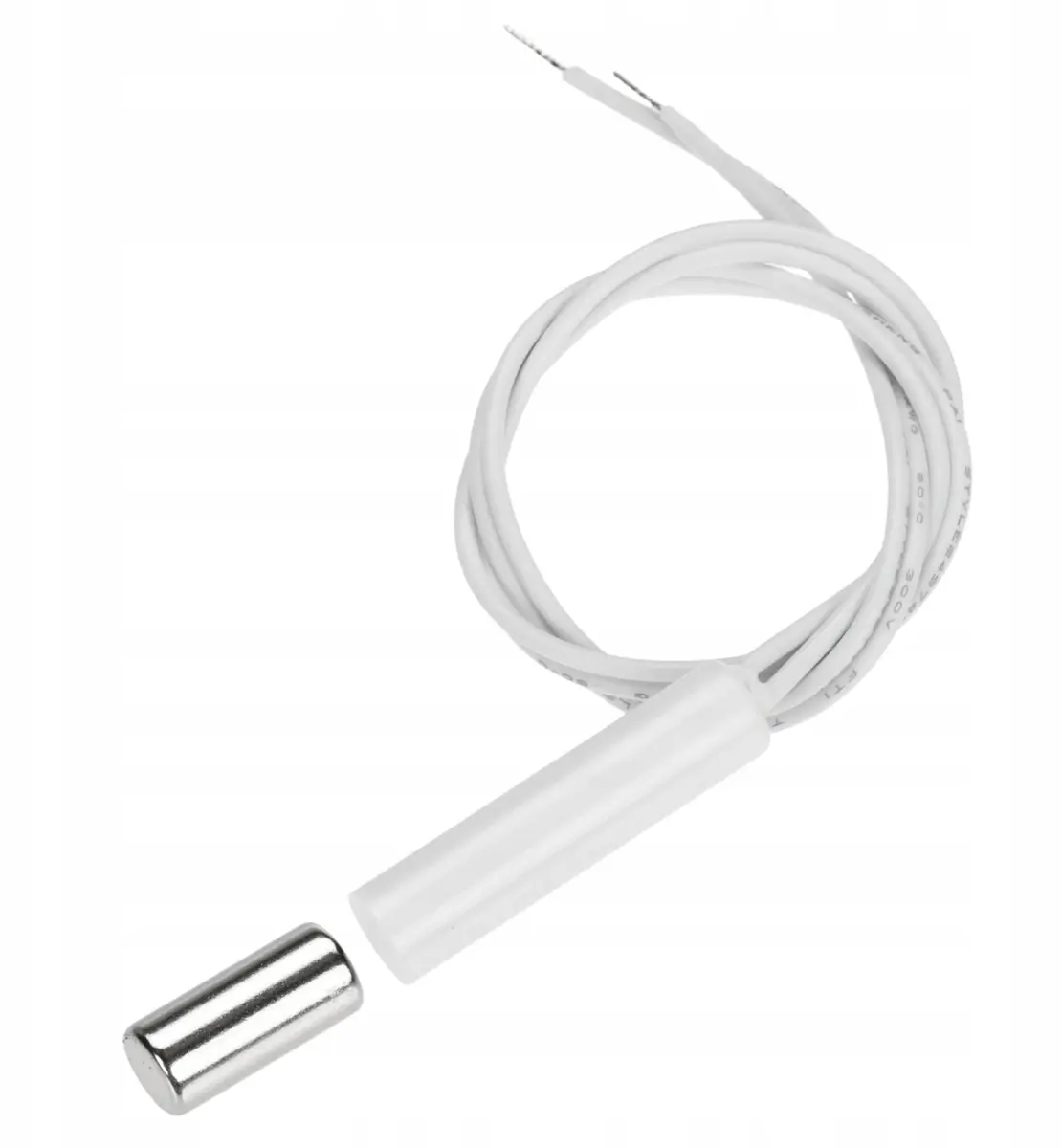
The TST KN-02C-V2 is a high-quality cylindrical magnetic reed switch engineered for precise proximity sensing and reliable contact switching. This compact sensor is designed to integrate seamlessly into various electronic control circuits, providing consistent performance for position detection and equipment monitoring tasks. Its durable cylindrical housing allows for straightforward mounting in space-constrained environments, making it a versatile component for both professional industrial setups and residential security applications.
Advantages
The primary benefit of the TST KN-02C-V2 is its robust and reliable operation, which ensures long-term stability in diverse environmental conditions. The cylindrical form factor facilitates quick and easy installation, reducing assembly time in complex systems. Furthermore, the reed switch technology offers a non-contact sensing method that minimizes mechanical wear, resulting in a significantly extended service life compared to traditional mechanical switches. Its compact size allows for discreet placement, ensuring it does not interfere with the aesthetics or functionality of the equipment it monitors.
Suitable for
- Security alarm systems for doors and windows
- Industrial automation and machinery position sensing
- Equipment monitoring and status feedback
- Electronic control circuits requiring non-contact switching
When it may not be suitable
This magnetic reed switch may not be suitable for environments with extremely high magnetic interference, as external magnetic fields can cause false triggering or prevent the switch from operating correctly. Additionally, it is not intended for high-current power switching applications, as it is designed primarily for signal-level control circuits.
Key specifications
- Switching type: Magnetic reed contact
- Form factor: Cylindrical
- Installation: Surface or flush mount compatible
- Application: Proximity sensing and position detection
How to use
To use the TST KN-02C-V2, mount the sensor body and the corresponding magnet in close proximity on the desired surfaces. Ensure that the alignment is correct according to the sensing range of the device. Connect the leads to your control circuit or alarm panel input. Once installed, the switch will change state when the magnet is brought within the operating distance, triggering the connected circuit.
What to consider before purchase
- Verify the required sensing distance for your specific application
- Ensure the electrical load of your circuit is within the switch ratings
- Check the mounting space availability for a cylindrical sensor
- Confirm compatibility with your existing alarm or control system
Usage recommendations
For optimal performance, ensure the sensor and magnet are mounted on non-ferrous surfaces if possible, or use non-magnetic spacers to prevent interference. Regularly check the alignment of the sensor to maintain consistent detection accuracy.