JBL speakers and headphones for pure and deep sound!

{{ totalProductsCount }}
In cart {{totalProductsCount}} item(s)
In cart {{totalProductsCount}} item(s)
Total:
{{sum | formatAmount}}
Your cart is empty
Scooters, Bicycles and Electric Transport
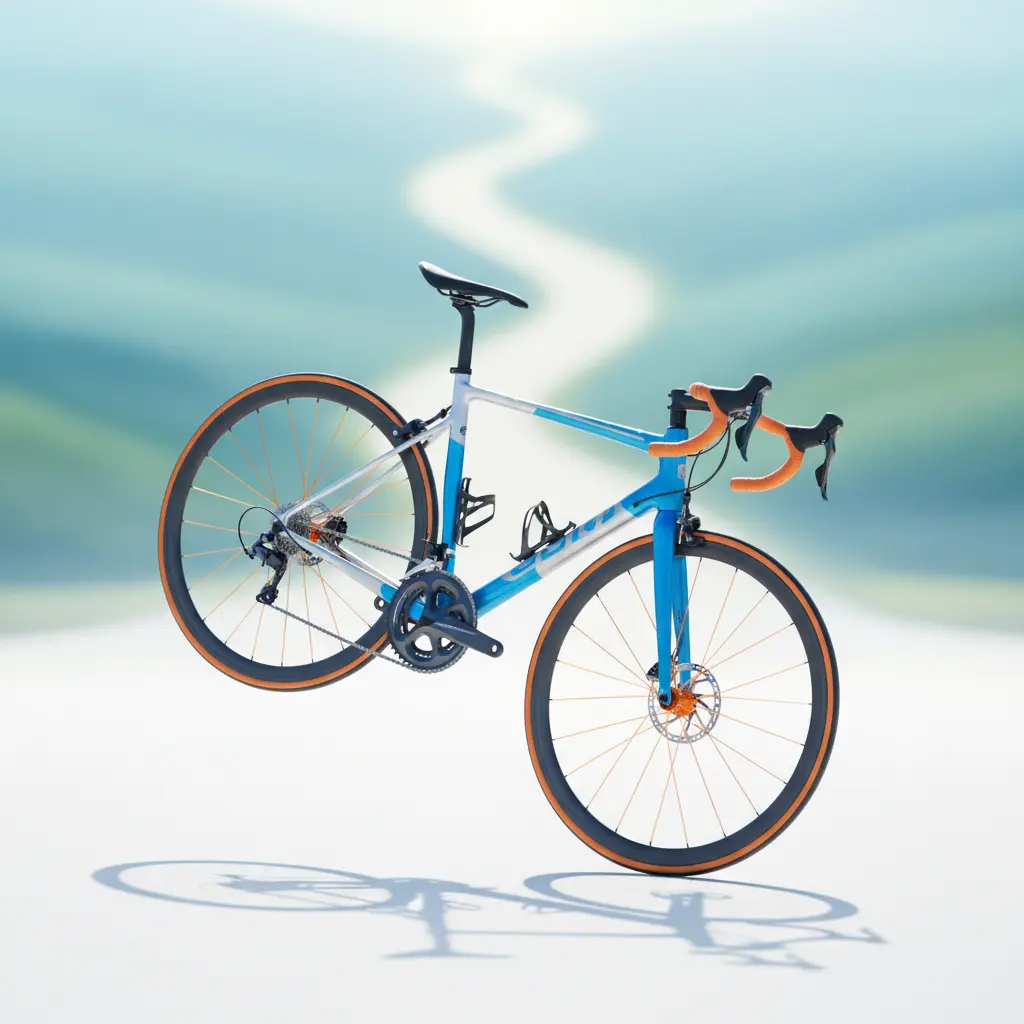
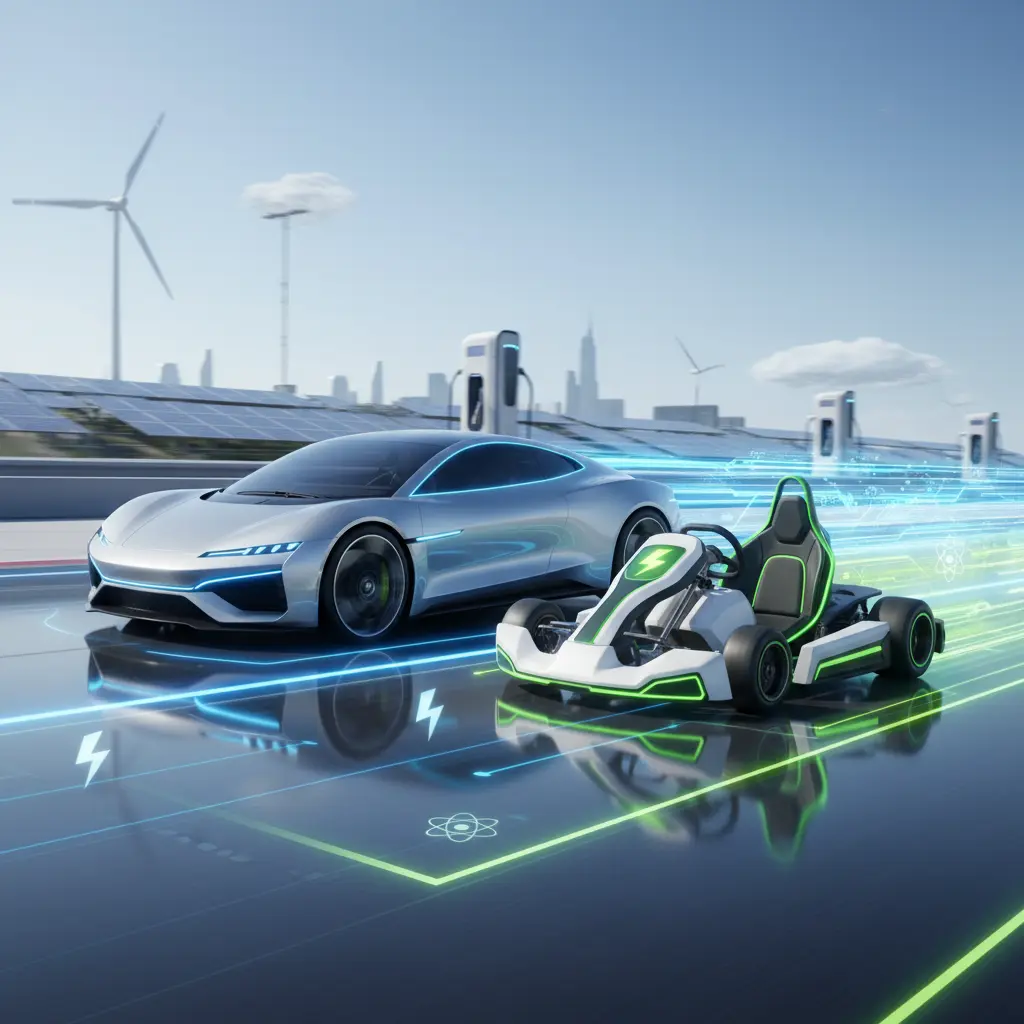
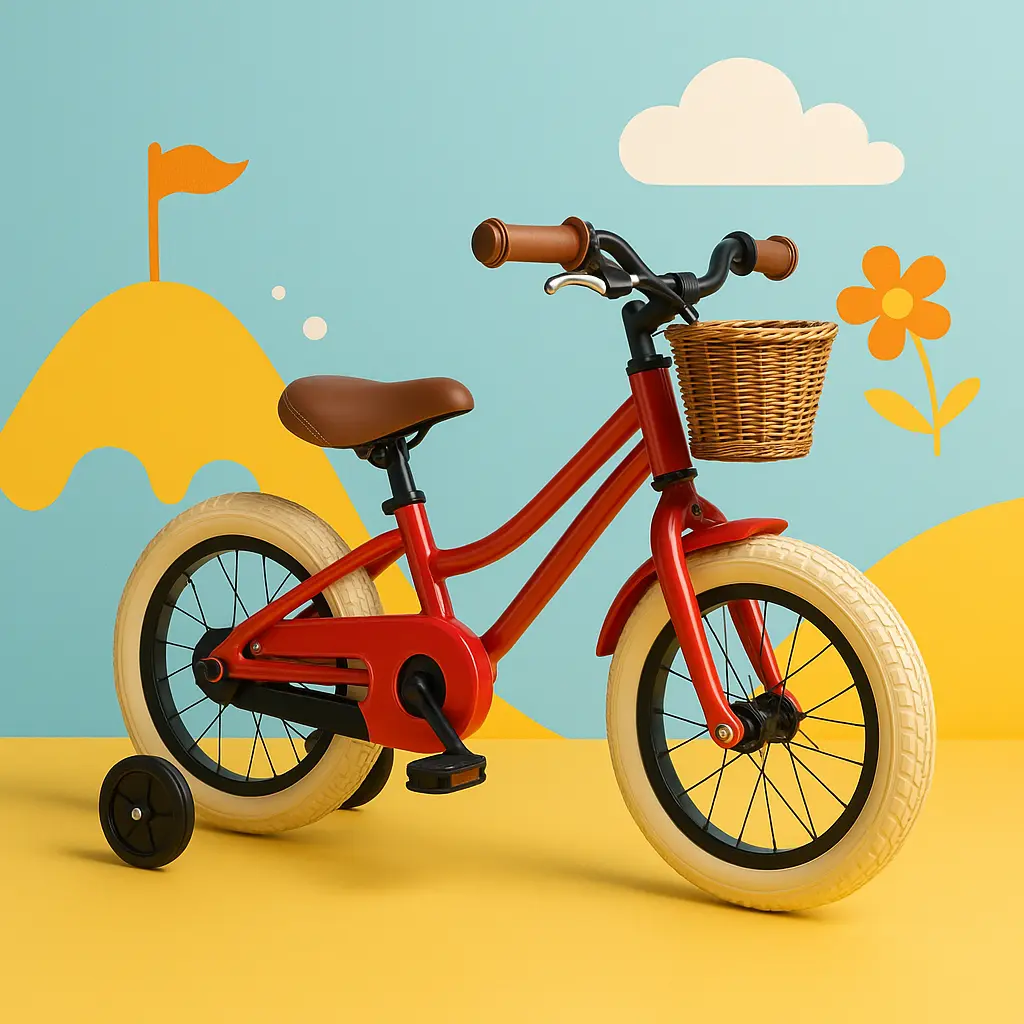
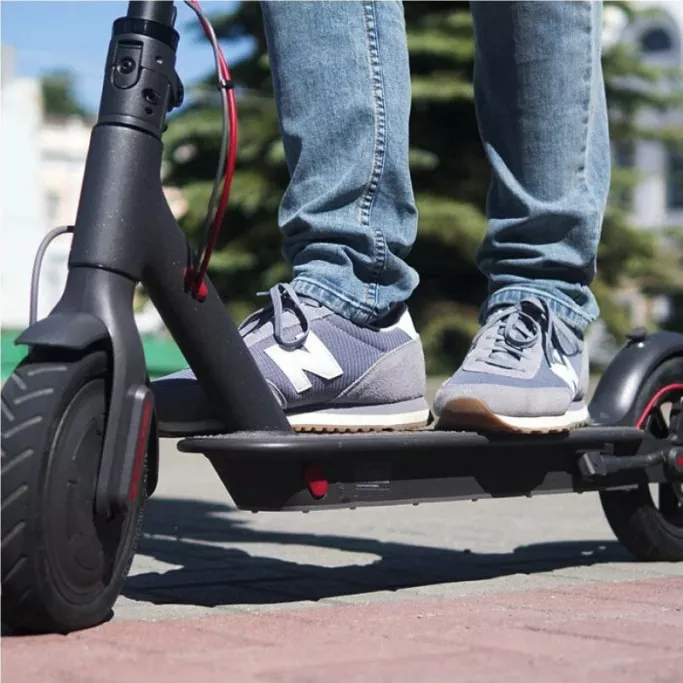
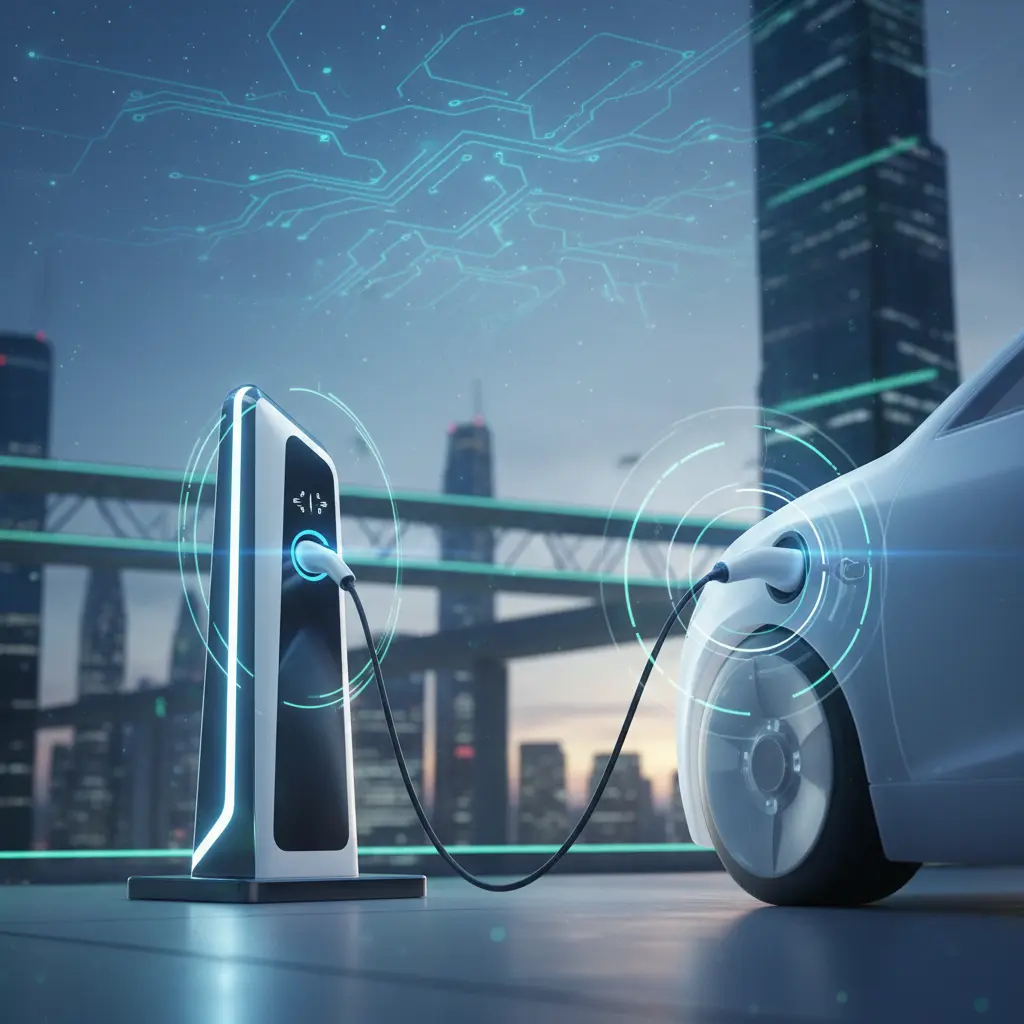
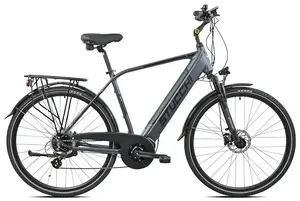
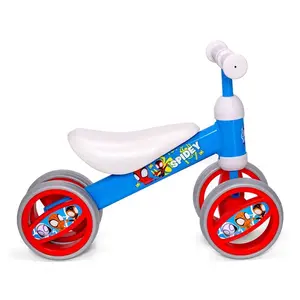
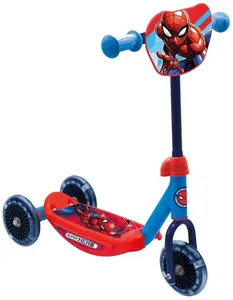
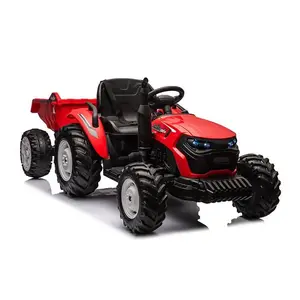
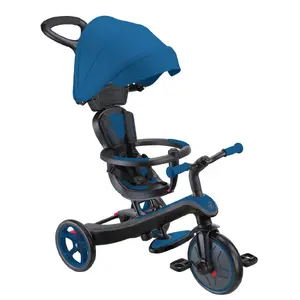

Bike, motorcycle and gyro transport refers to personal and light commercial two- and three-wheeled vehicles designed for human propulsion, motorized travel, or electrically assisted movement. This category includes conventional bicycles, electric bicycles, mopeds, scooters, motorcycles, and self-balancing gyro devices, each serving short- to medium-distance travel needs, urban commuting, recreational riding, and specific utility tasks. Buyers choose these products for their compact size, maneuverability, fuel or energy efficiency, and the ability to operate in environments where larger vehicles are impractical. Typical use scenarios range from daily commuting on city streets and campus transport to delivery services, leisure rides, and last-mile mobility. Selection within the category depends on factors such as power source (pedal, internal combustion, electric), legal classification, payload, range, and local road regulations.
Types of Bike, motorcycle and gyro transport
Common types in this category cover a range of technical configurations and intended uses.
- Bicycles: traditional pedal-driven models, hybrid and road bikes for fitness and commuting, and cargo bikes for carrying goods or children.
- Electric bicycles (e-bikes): pedal-assist and throttle-controlled models with varying motor power and battery capacity for extended range and reduced rider effort.
- Scooters and mopeds: lightweight two-wheeled motorized vehicles with small-displacement engines or electric motors, used for short urban trips.
- Motorcycles: larger engine displacement bikes for higher speeds and longer distances, available in standard, sport, touring, and dual-sport configurations.
- Gyro transport (self-balancing devices): compact electric personal transporters such as self-balancing boards, unicycles, and two-wheeled gyro scooters designed for short urban travel and first/last-mile connections.
What are Bike, motorcycle and gyro transport used for?
These vehicles are used across multiple practical contexts depending on design and powertrain.
- Urban commuting: efficient travel on city streets where parking and congestion are concerns.
- Recreation and sport: fitness cycling, touring, and off-road riding with specific models.
- Goods and passenger transport: cargo bikes and light motorcycles used for deliveries or short-distance passenger transport.
- Last-mile mobility: gyro transport and e-scooters provide short-distance connections from transit hubs to final destinations.
- Professional and utility tasks: mopeds and motorcycles used by couriers, service personnel, and in delivery logistics.
Key Differences between Bike, motorcycle and gyro transport
Differences among these vehicle types arise from propulsion, speed capability, range, and legal status.
- Propulsion: bicycles rely on human pedaling, motorcycles and mopeds use internal combustion or electric motors, and gyro devices use electric motors with self-balancing control systems.
- Speed and range: motorcycles typically offer the highest speeds and range; e-bikes and mopeds fall in the mid-range; gyro devices and conventional bikes are suited to shorter distances at lower speeds.
- Carrying capacity: cargo bikes and certain motorcycles support heavier loads compared to standard bicycles and gyro devices.
- Regulation and licensing: motorcycles and some mopeds require licensing, registration, and insurance in many jurisdictions, while bicycles and many low-power e-bikes or personal gyro devices may be subject to less stringent rules.
- Maintenance and operating costs: human-powered bikes have the lowest operating costs; electric devices require battery maintenance and charging; combustion-engine motorcycles need fuel and more intensive mechanical servicing.
How to Choose Bike, motorcycle and gyro transport?
Choosing the right vehicle involves assessing intended use, legal requirements, performance needs, and budget.
- Define primary use: commuting, recreation, delivery, or short urban hops to determine suitable type and features.
- Consider power source and range: select between pedal-only, electric-assist, or combustion engines based on desired range, speed, and environmental considerations.
- Check legal requirements: verify local rules for licensing, helmet use, speed limits, and where each vehicle type is permitted to operate.
- Evaluate load and size: choose cargo capacity, wheel size, and overall dimensions to match carrying needs and storage constraints.
- Assess maintenance and running costs: compare anticipated servicing, battery replacement, fuel costs, and insurance to budget long-term ownership expenses.
- Test ride and verify specifications: when possible, test the vehicle for comfort, handling, and confirm motor power, battery capacity, and safety features match expectations.


