Powerful EcoFlow stations for energy anywhere!

{{ totalProductsCount }}
In cart {{totalProductsCount}} item(s)
In cart {{totalProductsCount}} item(s)
Total:
{{sum | formatAmount}}
Your cart is empty
Tape Drives (DAT, DLT, LTO, SLR, RDX)

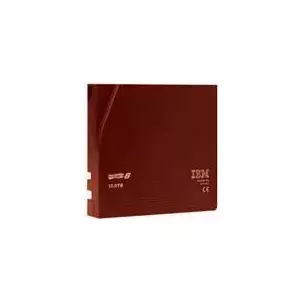
IBM
LTO-8 Tape Drive IBM 01PL042 — 12TB native, 30TB compressed capacity
Delivery: 26.08.2026
134.99 €
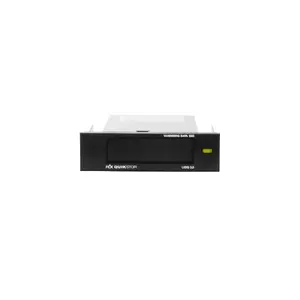
Tandberg Data
Internal RDX drive Tandberg Data O-T RDX, USB 3.0, sustained 260 MB/s, 5.25" bezel, black
Delivery: 12.08.2026
195.99 €
Tandberg
Internal RDX Drive Tandberg O‑T, USB 3.0, 5.25" bezel, sustained 260 MB/s, 147×171×13.3 mm, DC 5/12V
Delivery: 12.08.2026
218.99 €
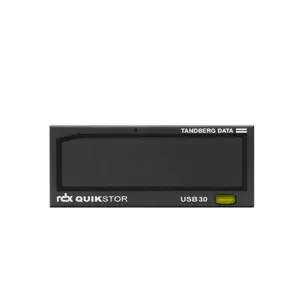
Tandberg Data
Internal RDX Drive Tandberg Data O-T, USB 3.0, RDX cartridge, 3.5" bezel, 5 V DC, sustained 330 MB/s
Delivery: 12.08.2026
219.99 €
Tandberg Data
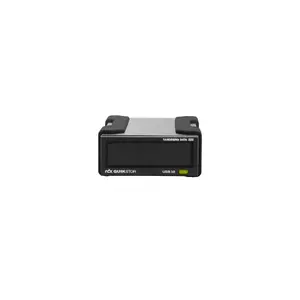
External RDX drive Tandberg Data O-T (USB3+, black) — RDX cartridge, 5 V DC, 110×178×52 mm
Delivery: 12.08.2026
232.99 €
Overland-Tandberg
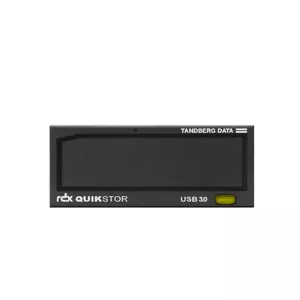
Storage drive Overland-Tandberg O-T RDX Internal drive, USB 3.0, RDX cartridge, 3.5" bezel, black, 330 MB/s
Delivery: 26.08.2026
243.99 €
Tandberg
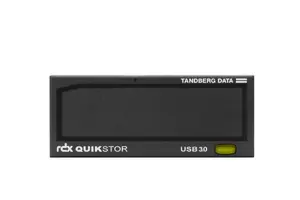
Internal RDX drive Tandberg Data O-T, USB 3.0, 3.5" bezel, sustained rate 330 MB/s, 5 V DC, black
Delivery: 12.08.2026
248.49 €
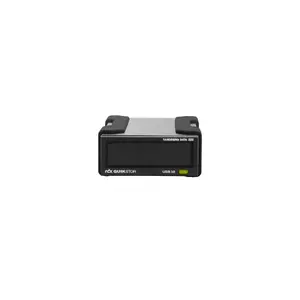
Tandberg
RDX External Drive Tandberg O-T, USB3+ interface, RDX cartridge, 5 V DC, 110×178×52 mm
Delivery: 12.08.2026
270.49 €
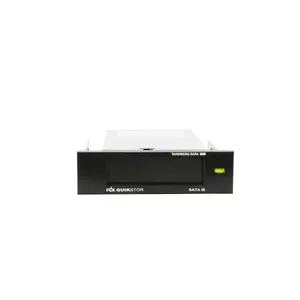
Tandberg Data
Internal RDX drive Tandberg Data O-T, SATA III, 5.25" bezel, RDX cartridge, 260 MB/s, 5/12V DC
Delivery: 12.08.2026
279.49 €

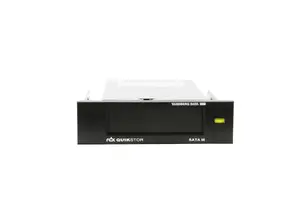
Tandberg
Internal RDX Storage Drive Tandberg O-T RDX, S-ATA III, 5.25" bezel, sustained 260 MB/s, 146×170.7 mm, 5/12V
Delivery: 12.08.2026
314.49 €
HP
Storage array tape cartridge device HP AH166A — tape media, 19" mounting, 3.84 kg
Delivery: 12.08.2026
314.99 €
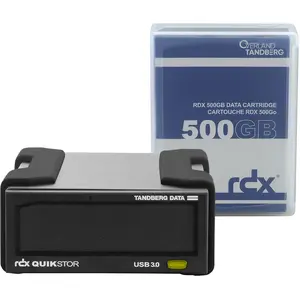
Tandberg Data
Tandberg Data Overland-Tandberg O-T RDX External drive kit with 500GB HDD, USB 3.2 Gen 1, black, 260 MB/s
Delivery: 12.08.2026
337.99 €
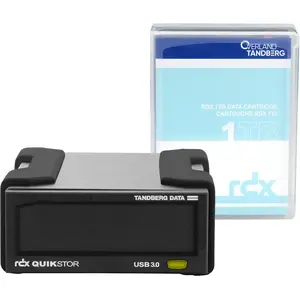
Tandberg Data
Tandberg Data Overland-Tandberg O-T RDX external storage drive kit with 1 TB HDD, USB 3.2 Gen 1, black
Delivery: 12.08.2026
359.99 €
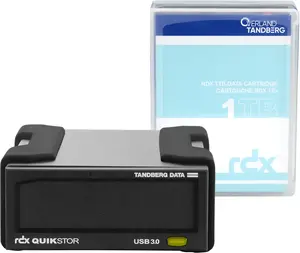
Tandberg
External RDX drive kit Tandberg O-T with 1 TB HDD, USB 3.2 Gen 1, sustained 260 MB/s, black
Delivery: 12.08.2026
404.99 €
Tandberg
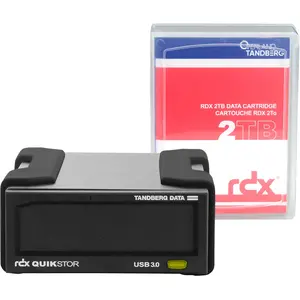
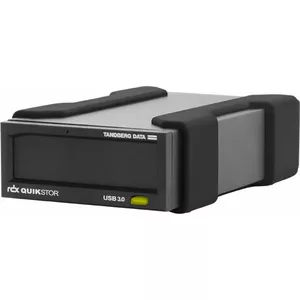
External RDX drive kit Tandberg O-T with 2 TB HDD, USB 3.2 Gen 1, sustained 260 MB/s, black
Delivery: 12.08.2026
464.99 €
Tape drives and libraries (DAT, DLT, LTO, SLR, RDX) are data storage devices that record and retrieve digital information on magnetic tape media. They are used for long-term archival, scheduled backups, and large-capacity data retention where cost per gigabyte and offline storage are important factors. These systems range from single-unit tape drives to automated tape libraries that hold dozens or hundreds of cartridges and manage robotic tape handling. Organizations select tape solutions for regulatory retention, disaster recovery planning, and keeping infrequently accessed data offline to reduce risk and operational costs. Tape technologies differ in capacity, transfer speed, and form factor, influencing their suitability for specific backup windows and data growth profiles.
Types of Tape Drives & Libraries (DAT, DLT, LTO, SLR, RDX)
The category includes a variety of tape technologies and formats, each with distinct characteristics.
- DAT (Digital Audio Tape) / DDS: Small form-factor tape cartridges used for desktop and small-business backups; typically lower capacity and suited to modest backup needs.
- DLT / S-DLT: Digital Linear Tape formats designed for higher reliability and moderate to large capacities, commonly used in enterprise backup systems.
- LTO (Linear Tape-Open): A widely adopted open-standard tape format with several generations offering increasing capacity, speed, and features such as hardware compression and encryption support.
- SLR (Scalable Linear Recording): Tape format often used in mid-range archival applications with compatibility across specific drives and cartridges.
- RDX (Removable Disk Cartridge): A cartridge-based removable disk system combining tape-like portability with disk-like random access and faster restore times.
- Tape libraries / autoloaders: Rack-mount or standalone systems that automate cartridge handling, inventory, and robotic loading for large-scale or scheduled operations.
What are Tape Drives & Libraries (DAT, DLT, LTO, SLR, RDX) used for?
Tape drives and libraries serve multiple data protection and retention roles across businesses and institutions.
- Long-term archival storage: Preserving records, logs, media, and datasets that must be retained for years while minimizing ongoing costs.
- Backup and recovery: Creating scheduled backups and maintaining offline copies for disaster recovery and business continuity planning.
- Cold storage: Storing infrequently accessed data offline to reduce primary storage load and lower storage expenditure.
- Regulatory compliance: Retaining data according to legal or industry-specific retention policies where immutable and verifiable archives are required.
- Large-scale data retention: Managing high-capacity datasets such as media archives, scientific data, and backup images when tape’s cost-per-terabyte is advantageous.
Key Differences between Tape Drives & Libraries (DAT, DLT, LTO, SLR, RDX)
Understanding the main differences helps match technology to use case and operational constraints.
- Capacity: LTO generations and enterprise DLT/SLR models offer significantly higher native and compressed capacities than DAT or early-generation formats.
- Performance: Transfer speeds vary by format and generation; LTO and modern RDX systems typically provide faster throughput than legacy DAT formats.
- Access method: Tape is sequential access, affecting restore times for individual files; RDX provides disk-like random access for quicker restores.
- Automation: Libraries and autoloaders support robotic cartridge handling and higher slot counts for large-scale operations, while standalone drives are manual.
- Durability and longevity: Tape media stored properly can retain data for many years; differences in cartridge design and media standards influence expected archival life.
- Cost structure: Tape media and libraries often have lower cost per terabyte for large archives but involve capital expenditure for drives and automation; RDX may have higher media cost but lower restore complexity.
How to Choose Tape Drives & Libraries (DAT, DLT, LTO, SLR, RDX)?
Selecting the appropriate tape solution requires evaluating technical needs, budget, and operational processes.
- Assess capacity needs: Calculate current and projected data growth to choose a format and generation with sufficient native capacity and room to scale.
- Evaluate performance requirements: Match drive throughput to backup windows and restore time objectives; consider compression and caching features.
- Consider access patterns: Use tape libraries for large-scale sequential archiving and RDX or disk-based removable systems for frequent restores or random access needs.
- Plan for automation: Decide if robotic libraries are necessary for scale, slot management, and remote operation versus standalone drives for smaller environments.
- Check compatibility and standards: Ensure chosen media and drives are compatible with existing hardware, backup software, and industry standards such as LTO generations.
- Factor total cost of ownership: Include media costs, drive and library hardware, maintenance, and operational procedures for offline storage and rotation.
- Security and compliance: Look for features such as hardware encryption, WORM (write once, read many) support, and verifiable logging if regulatory retention is required.
Why is it worth buying tape drives (dat, dlt, lto, slr, rdx) at AiO.lv?
At the AiO.lv online store, you can place an order at a great price with delivery across Latvia — to Riga, Daugavpils, Liepaja, Jurmala, Ventspils, and other cities, as well as throughout Europe. We offer products from leading manufacturers: HP, IBM, Lenovo, Quantum, OWC, HP Enterprise, Overland-Tandberg, StarTech, No name, Tandberg, Tandberg Data. When you shop with us, you get:
- official warranty and guaranteed quality;
- convenient payment options (including installment and credit);
- fast and reliable delivery across Latvia and to any EU country.
FAQ
Where can you find a tape drives (dat, dlt, lto, slr, rdx) with cheap prices?
You can buy cheaper at the AiO.lv online store. We offer competitive prices and regular discounts, so you always have the chance to find a great deal.
What is the delivery time for tape drives (dat, dlt, lto, slr, rdx)?
If you place your order today, delivery will take between 1 and 5 business days depending on the chosen method.
How long is the warranty period for tape drives (dat, dlt, lto, slr, rdx)?
Our store provides an official manufacturer’s warranty ranging from 12 to 36 months, depending on the model and brand. If needed, you can always contact our customer service department or the manufacturer’s authorized service center for support.
Are tape drives (dat, dlt, lto, slr, rdx) purchasable with leasing?
Yes, if the selected product costs more than €50. You can learn more about installment purchase options and the terms of application on the Payment page.
Can tape drives (dat, dlt, lto, slr, rdx) be purchased for a company (with VAT)?
Yes. AiO.lv works with legal entities in Latvia and throughout Europe. All product prices are shown with VAT included. In certain cases, a 0% VAT rate may apply — for example, when purchasing from other EU countries with a valid VAT number. We issue an invoice immediately after the order is placed, support BIS electronic invoices, and automatically generate all required accounting documents. To complete a purchase for a company, simply select the company profile during checkout.


