Save time and money with our discounts!

{{ totalProductsCount }}
In cart {{totalProductsCount}} item(s)
In cart {{totalProductsCount}} item(s)
Total:
{{sum | formatAmount}}
Your cart is empty
3D, VR & AR Headsets
Google
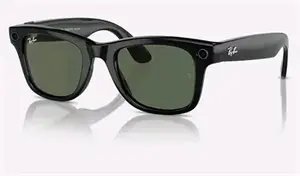
AI smart glasses Google Meta Ray-Ban Wayfarer — Shiny Black frame, G15 Green lenses
Delivery: 03.11.2026
320.99 €
META
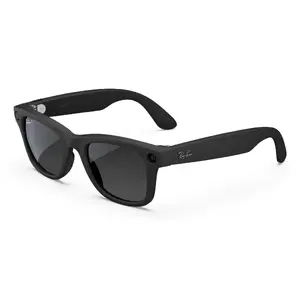
Ray-Ban Meta SK-1001237-01 smartglasses 32 GB Bluetooth Wi-Fi Built-in camera
Delivery: 03.11.2026
588.99 €
Excellent choice
Excellent choice
You save: 4.00 €
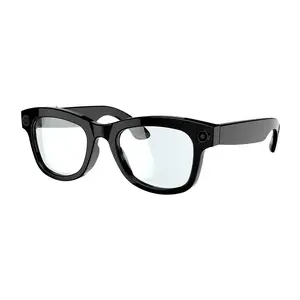
Zeblaze
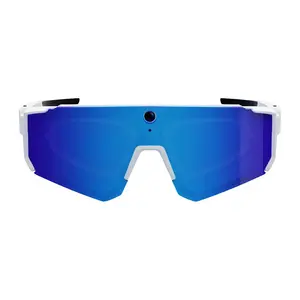
Smart Glasses Zeblaze Eyewear AI Glasses — Black
Delivery: 03.11.2026
76.49 €
72.49 €
The discount is valid from 14.10.2026 to 11.11.2026
Excellent choice
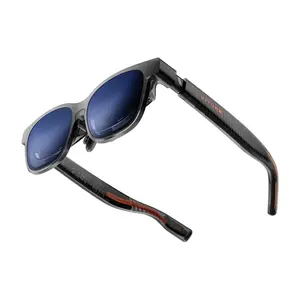
Viture
Viture XR Luma Pro goggles size L — Viture XR Luma Pro, large fit
Delivery: 03.11.2026
389.49 €
New Arrival
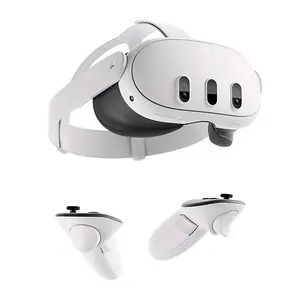
Google
Google Oculus Quest 3 512GB VR Headset 512 GB Snapdragon XR2 Gen 2 8GB RAM 2064 x 2208 Resolution
Delivery: 03.11.2026
767.49 €
Demo
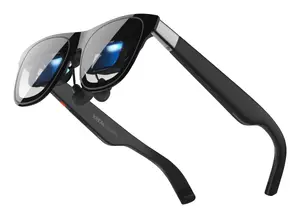
XREAL
Smartglasses XREAL One Pro — 0.55" (1.4 cm) 1920×1080 display, 1080p support, processor by XREAL, 87 g
Delivery: 17.11.2026
593.99 €
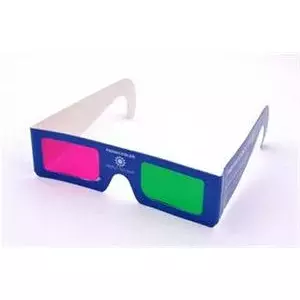
PRIMECOOLER
3D glasses PRIMECOOLER PC-AD2 Magnetic Green — passive 3D eyewear for compatible displays
Delivery: 03.11.2026
2.99 €
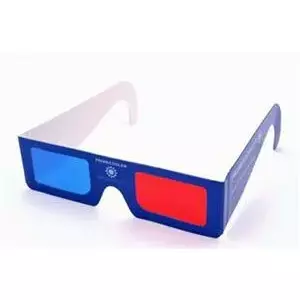
PRIMECOOLER
3D glasses PRIMECOOLER PC-AD1 Red Blue — anaglyph stereo eyewear for red/cyan 3D viewing
Delivery: 03.11.2026
2.99 €
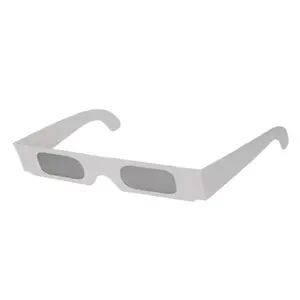
PRIMECOOLER
3D Glasses PRIMECOOLER PC-ADP2 Polarized Circular 3D viewing glasses
Delivery: 03.11.2026
3.49 €
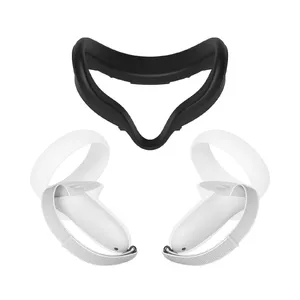
META
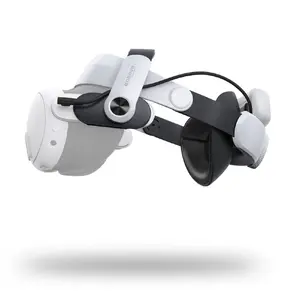
META Quest 2 Active Pack Facial Interface, Wrist Straps, and Knuckle Straps
Delivery: 03.11.2026
3.49 €
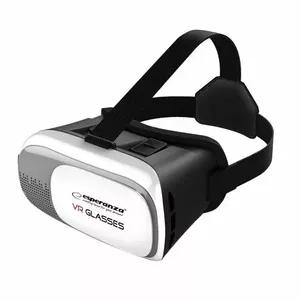

ESPERANZA
VR glasses ESPERANZA EGV300 for smartphones 3.5–6" 360° virtual reality
Delivery: 29.10.2026
5.99 €
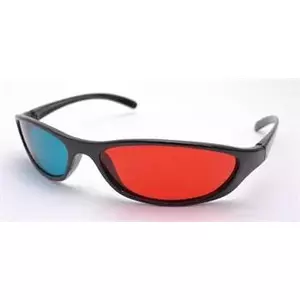
PRIMECOOLER
3D Glasses PRIMECOOLER PC-AD5 Blue/Red — Anaglyph Stereo Glasses
Delivery: 03.11.2026
6.99 €
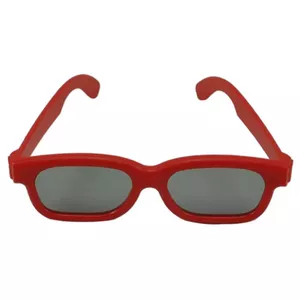
PRIMECOOLER
3D Glasses PRIMECOOLER PC-ADP3 Polarized Circular for Kids — polarized circular-lens 3D glasses
Delivery: 03.11.2026
7.49 €
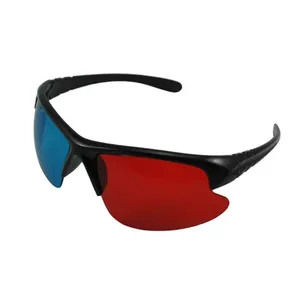
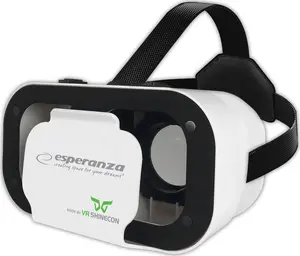
ESPERANZA
VR glasses ESPERANZA Shinecon EMV400 — virtual reality headset for smartphones
Delivery: 03.11.2026
8.49 €
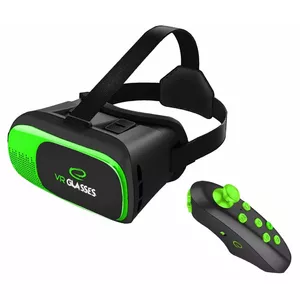
ESPERANZA
VR goggles ESPERANZA EGV300R with adjustable aspherical lenses, fits smartphones 3.5–6", spacing 55–72mm
Delivery: 29.10.2026
8.99 €
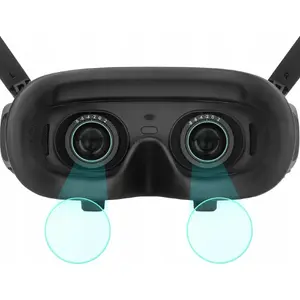
Sunnylife
Protective Glass Lens Covers by Sunnylife for DJI Goggles 2 — 4x replacement lenses (model SB7265)
Delivery: 03.11.2026
11.49 €
3D VR and AR glasses are wearable devices that present virtual or augmented visual content to the user by combining lenses, displays, sensors and sometimes audio. These products are used to view immersive virtual environments, overlay digital information on the real world, or provide stereoscopic 3D visuals for games, simulations, training and media playback. Buyers choose 3D VR and AR glasses for applications such as gaming, professional simulation, design visualization, remote assistance and education when a head-mounted, hands-free visual interface is required. Models differ in display type, tracking methods, connectivity, field of view and ergonomics, which affects comfort, image quality and suitability for specific tasks. Typical scenarios include short-session entertainment, extended professional use in controlled environments, mobile augmented reality on the go, and integrated workflows in design or industrial settings.
Types of 3D VR and AR glasses
Common types include:
- Standalone VR headsets with built-in processors and displays for independent use without a connected PC or phone.
- Tethered VR headsets that rely on a PC or console for rendering and provide higher graphical performance.
- Mobile-based VR adapters that use a smartphone as the display and processing unit.
- Optical see-through AR glasses that overlay digital content onto the real-world view using transparent displays or waveguides.
- Video see-through AR/MR headsets that capture the environment with cameras and blend real and virtual imagery on internal screens.
- Stereoscopic 3D viewers and passive glasses used with compatible displays or projectors for depth perception in media and presentations.
What are 3D VR and AR glasses used for?
These devices are used across consumer and professional contexts for tasks that require immersive or augmented visual information.
- Gaming and entertainment: delivering immersive 3D worlds and interactive media experiences.
- Training and simulation: realistic practice environments for aviation, medical, military and industrial skills.
- Design and visualization: viewing 3D models, architectural walkthroughs and product prototypes with depth perception.
- Remote assistance and collaboration: overlaying instructions or shared visuals during maintenance, inspection or teamwork.
- Education and research: interactive lessons, virtual labs and data visualization to support learning outcomes.
Key Differences between 3D VR and AR glasses
Important distinctions affect how devices perform and where they are appropriate.
- Display approach: VR typically uses opaque displays that replace the real-world view, while AR overlays digital content onto the real environment using transparent or camera-based displays.
- Tracking and sensors: systems vary from basic rotational tracking to full six-degrees-of-freedom (6DoF) positional tracking using external sensors, inside-out cameras or IMUs.
- Processing and connectivity: standalone units contain onboard processors; tethered or mobile solutions depend on external devices for rendering or data streaming.
- Field of view and resolution: wider fields of view and higher resolution improve immersion and legibility but often increase cost and power requirements.
- Ergonomics and weight: device comfort for short or long sessions depends on weight distribution, padding and adjustability.
How to Choose 3D VR and AR glasses?
Select a model based on intended use, technical requirements and comfort preferences.
- Define primary use: prioritize features differently for gaming, professional simulation, mobile AR or continuous workplace use.
- Check tracking and input: ensure the device supports required tracking accuracy, controllers or hand-tracking for your applications.
- Consider display quality: evaluate resolution, refresh rate and field of view for clarity and motion smoothness.
- Assess compatibility and connectivity: confirm platform support, required host device and available ports or wireless options.
- Test ergonomics and battery life: choose lighter, adjustable designs for long sessions and verify expected battery runtime for standalone models.
- Review software ecosystem: look for required apps, developer tools and content availability relevant to your use cases.
Which 3d, vr & ar headsets are the most popular and affordable in 2026?
The full list of popular models at affordable prices is available on this page. In 2026, the following models show high demand and an excellent price-to-quality ratio:
Why is it worth buying 3d, vr & ar headsets at AiO.lv?
At the AiO.lv online store, you can place an order at a great price with delivery across Latvia — to Riga, Daugavpils, Liepaja, Jurmala, Ventspils, and other cities, as well as throughout Europe. We offer products from leading manufacturers: HTC, Lenovo, MODECOM, Sony, Asus, ESPERANZA, Google, Shinecon, DJI, PowerA, SBS, META, Vertiv, Renkforce, vr cover, SAVIO, Pimax, ALIGATOR, FIXED, PRIMECOOLER. When you shop with us, you get:
- official warranty and guaranteed quality;
- convenient payment options (including installment and credit);
- fast and reliable delivery across Latvia and to any EU country.
FAQ
Where can you find a 3d, vr & ar headsets with cheap prices?
You can buy cheaper at the AiO.lv online store. We offer competitive prices and regular discounts, so you always have the chance to find a great deal.
What is the delivery time for 3d, vr & ar headsets?
If you place your order today, delivery will take between 1 and 5 business days depending on the chosen method.
How long is the warranty period for 3d, vr & ar headsets?
Our store provides an official manufacturer’s warranty ranging from 12 to 36 months, depending on the model and brand. If needed, you can always contact our customer service department or the manufacturer’s authorized service center for support.
Are 3d, vr & ar headsets purchasable with leasing?
Yes, if the selected product costs more than €50. You can learn more about installment purchase options and the terms of application on the Payment page.
Can 3d, vr & ar headsets be purchased for a company (with VAT)?
Yes. AiO.lv works with legal entities in Latvia and throughout Europe. All product prices are shown with VAT included. In certain cases, a 0% VAT rate may apply — for example, when purchasing from other EU countries with a valid VAT number. We issue an invoice immediately after the order is placed, support BIS electronic invoices, and automatically generate all required accounting documents. To complete a purchase for a company, simply select the company profile during checkout.


