Save time and money with our discounts!

{{ totalProductsCount }}
In cart {{totalProductsCount}} item(s)
In cart {{totalProductsCount}} item(s)
Total:
{{sum | formatAmount}}
Your cart is empty
Smartphones & Mobile Gadgets
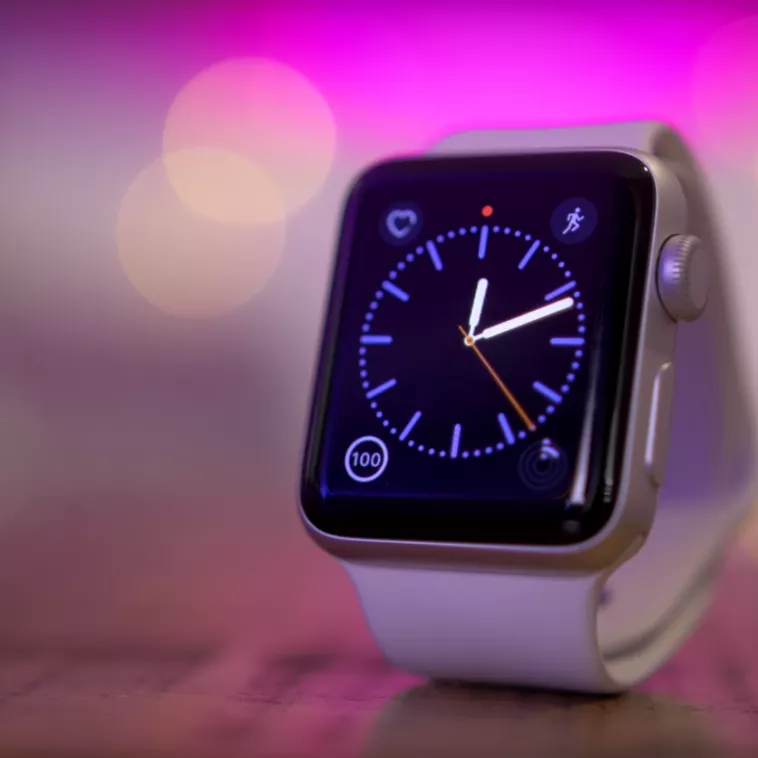
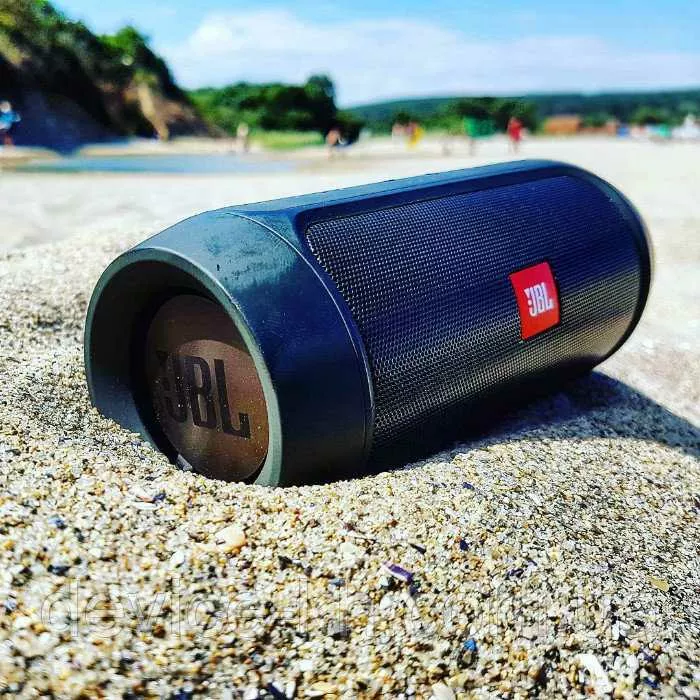
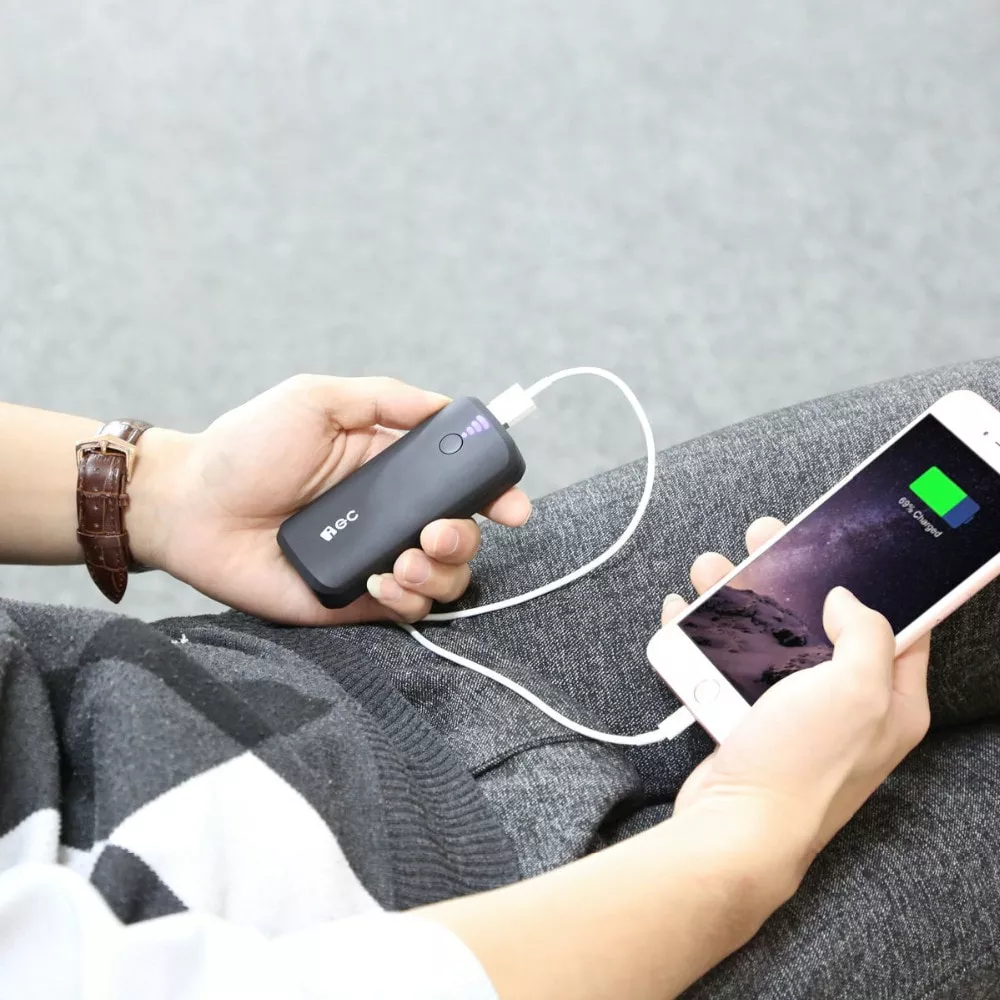
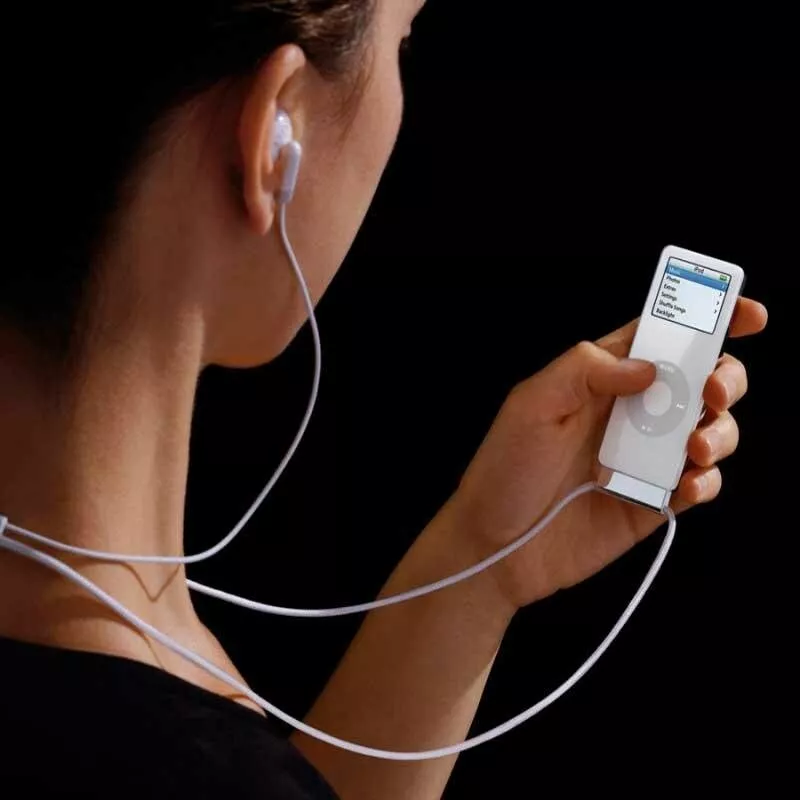


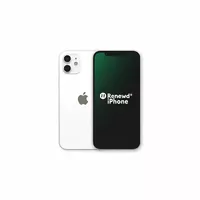
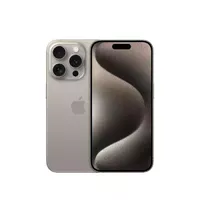
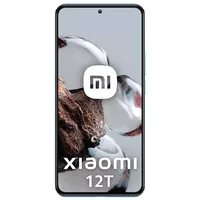
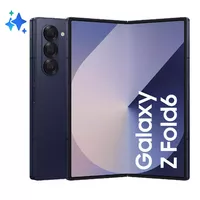

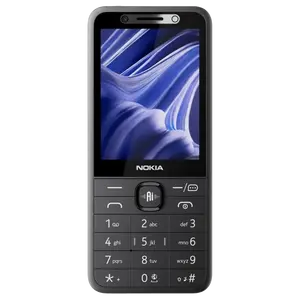
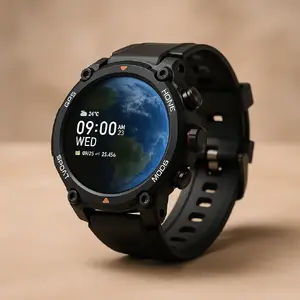
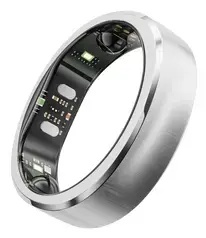
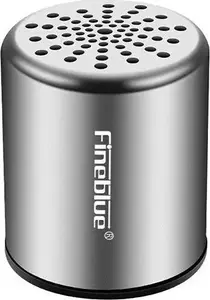
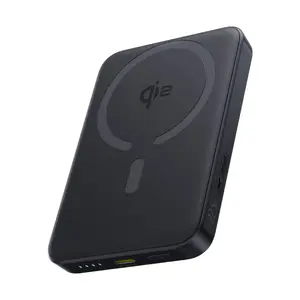
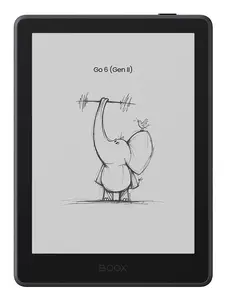
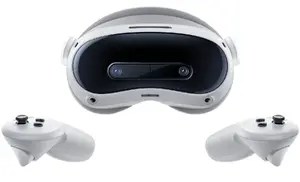

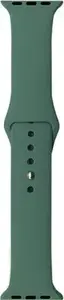

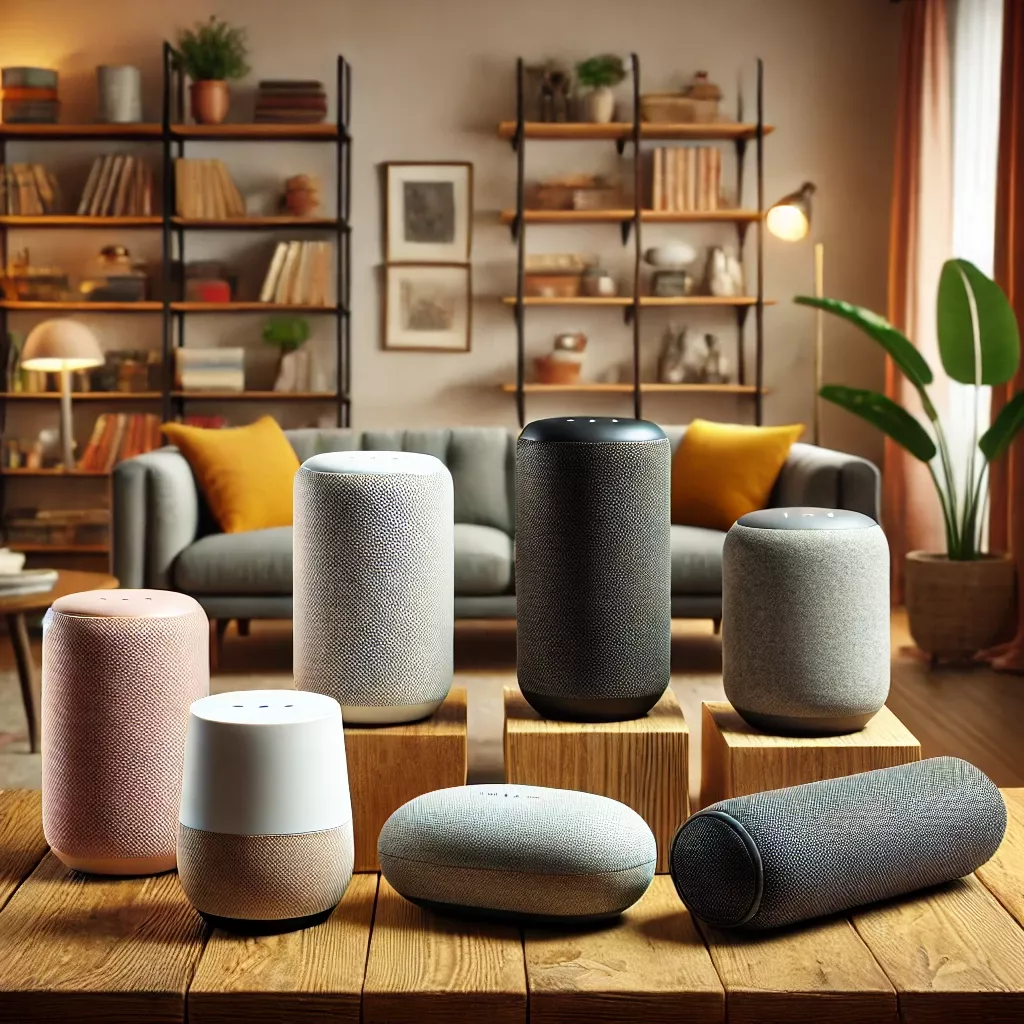
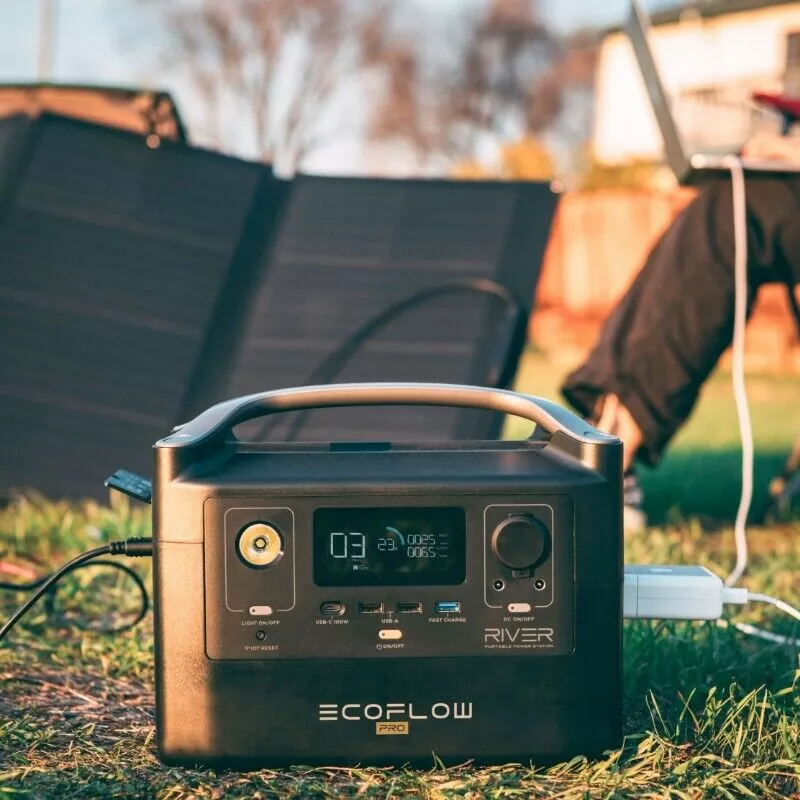
Phones, smart watches, and fitness trackers are personal electronic devices designed to provide communication, health and activity monitoring, and digital convenience in daily life. Phones combine voice and data communication, internet access, cameras, and apps for a wide range of tasks; smart watches extend phone functionality to the wrist with notifications, timekeeping, and app integration; fitness trackers focus on monitoring physical activity, sleep, heart rate and basic metrics. These devices are commonly chosen for staying connected, tracking health and fitness goals, managing schedules, and accessing mobile services on the go. They are used across contexts such as commuting, exercise, work, travel, and remote communication where compact, wearable or pocketable technology is preferred. Selection typically depends on required features, compatibility with other devices, battery life, accuracy of sensors, and budget considerations.
Types of phones, smart watches, fitness trackers
Products in this category fall into several functional types and form factors. The following list outlines common types and variations found in the category:
- Smartphones — touchscreen phones with mobile operating systems (e.g., Android, iOS) that run apps, support mobile data, and include cameras and sensors.
- Feature phones — basic phones that prioritize calls, texts and long battery life with limited app capability.
- Smart watches — wrist-worn devices that pair with phones to display notifications, control media, run watch apps, and provide sensors for activity and health tracking.
- Hybrid watches — watches that combine traditional analog hands with smart features such as activity tracking and notifications.
- Fitness trackers — dedicated wearable bands focused on step counting, activity tracking, sleep monitoring, and heart rate measurement.
- Rugged and sport models — devices with reinforced construction, water resistance, and sport-specific features like GPS route tracking.
- Health-focused wearables — devices with advanced sensors for continuous heart-rate monitoring, SpO2, ECG, or stress tracking.
What are phones, smart watches, fitness trackers used for?
These devices serve multiple practical purposes in daily life and specific activities. Common uses include:
- Voice and text communication, email and messaging through phones.
- Mobile internet access, navigation, and app-based services on smartphones.
- Receiving and managing notifications, calls, and calendar events on smart watches.
- Tracking physical activity metrics such as steps, distance, calories burned, and active minutes with fitness trackers.
- Monitoring health indicators like heart rate, sleep patterns, and in some devices blood oxygen or ECG readings.
- Supporting fitness training with GPS tracking, workout modes, and performance data.
- Contactless payments, music control, and voice assistant access from wearable devices.
Key Differences between phones, smart watches, fitness trackers
Understanding distinctions helps choose the right device for specific needs. Key differences include:
- Primary function — smartphones prioritize communication and general computing; smart watches focus on glanceable information and convenience; fitness trackers emphasize activity and health metrics.
- Form factor and input — phones use large touchscreens and virtual keyboards; watches and trackers use smaller screens, buttons, or limited touch controls.
- Battery life — fitness trackers and some smart watches often have multi-day battery life; smartphones typically require daily or every-other-day charging depending on usage.
- Sensors and accuracy — fitness trackers and health-focused wearables include accelerometers, optical heart-rate sensors, and sometimes GPS or SpO2 sensors; smartphones may include GPS and sensors but are less optimized for continuous biometric tracking.
- Connectivity and independence — smartphones operate independently with SIM/mobile data; some watches offer standalone cellular options, while most trackers rely on pairing with a phone for full functionality.
- App ecosystem — smartphones support broad app ecosystems; smart watches have more limited but growing app support; fitness trackers often use a companion app for data analysis.
How to choose phones, smart watches, fitness trackers?
Selecting a device involves evaluating intended use, compatibility, and practical trade-offs. Consider the following factors:
- Intended use — prioritize a smartphone for communication and apps, a smart watch for notifications and convenience, or a fitness tracker for focused activity monitoring.
- Compatibility — check operating system compatibility between phone and wearable (e.g., Android vs iOS) and whether companion apps are supported.
- Battery life — choose devices with battery performance that matches your daily routine or travel needs.
- Sensors and accuracy — look for specific sensors you need (GPS, heart rate, SpO2, ECG) and read specifications or reviews regarding their accuracy.
- Durability and water resistance — consider IP rating or MIL-STD standards if you need water resistance or rugged build for sports and outdoor use.
- Display and input — decide if you need a large touchscreen, always-on display, or simple indicator LEDs and buttons.
- Price and support — balance feature requirements with budget, and consider software updates and manufacturer or third-party app support for long-term use.


