Filters you can trust. Pure water every day.

{{ totalProductsCount }}
In cart {{totalProductsCount}} item(s)
In cart {{totalProductsCount}} item(s)
Total:
{{sum | formatAmount}}
Your cart is empty
Built-In Ovens - New arrivals
New Arrival
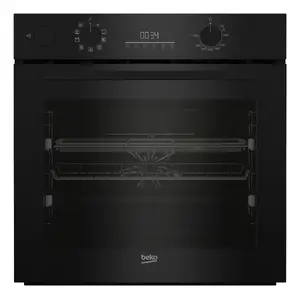
BEKO
Beko BCBIS17300KSBCS Built-in Electric Oven, 72 L, Energy Class A+, Black
Delivery: 15.07.2026
357.49 €

New Arrival
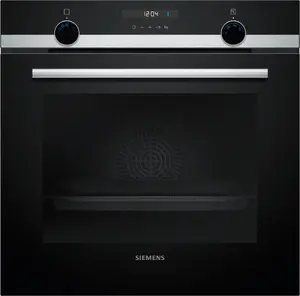
Siemens
Siemens iQ500 HB537GES3 Built-in Electric Oven, 71 L, A+ Energy Class, Black
Delivery: 29.07.2026
513.49 €
Ovens are kitchen appliances designed to apply controlled dry or moist heat to food for cooking, baking, roasting, or reheating. They are used in domestic kitchens, professional settings, and small commercial operations where precise temperature control and even heat distribution are required. Typical ovens integrate temperature regulators, timers, and different cooking modes to handle a wide range of recipes and food types. Buyers choose ovens based on capacity, power source, available functions, and fit with existing kitchen layout and ventilation. Understanding basic specifications and intended use helps match an oven to household routines, meal types, and space constraints.
Types of Ovens
Common types of ovens differ by power source, installation style, and cooking method. Each type targets specific use cases and space arrangements.
- Electric built-in ovens — permanently installed into kitchen cabinetry and powered by electricity; offer consistent temperature control and multiple cooking modes.
- Gas ovens — use natural gas or LPG for heating; typically heat up quickly and provide moist heat characteristics preferred for some roasting tasks.
- Freestanding ovens — combined cooktop and oven units that stand independently; suited for kitchens without built-in cabinetry.
- Convection ovens — include fans to circulate hot air, promoting even cooking and often reducing cooking times.
- Microwave-combination ovens — integrate microwave functions with conventional or convection baking for faster reheating and flexible cooking.
- Steam ovens — use injected steam or controlled humidity to cook food gently, suitable for vegetables, fish, and reheating without drying.
- Commercial ovens — larger capacity units designed for high-volume cooking in professional kitchens, with robust materials and higher power ratings.
What are Ovens used for?
Ovens provide controlled heating for a variety of culinary processes and food types.
- Baking breads, pastries, cakes and casseroles where consistent dry heat and specific temperature profiles are needed.
- Roasting meats and vegetables to develop browning and flavor through dry heat and, in convection models, improved air circulation.
- Reheating prepared foods while aiming to preserve texture and moisture, especially with steam or combination ovens.
- Broiling or grilling tasks using high direct heat for surface browning on meats and vegetables.
- Proofing or gentle cooking in low-temperature settings for delicate items like custards or meringues.
Key Differences between Ovens
Differences among ovens center on heat source, size, control features, and intended usage environment.
- Heat source — electric, gas, steam, or microwave combinations affect heat distribution, humidity, and energy requirements.
- Capacity and internal volume — determine how much food can be cooked at once and what cookware will fit.
- Control and programming — mechanical dials, digital displays, or smart connectivity change precision and convenience of operation.
- Installation type — built-in versus freestanding alters kitchen design, ventilation needs, and installation complexity.
- Cooking modes and accessories — convection fans, grill elements, steam injectors, rotisserie or multiple racks influence versatility.
- Energy efficiency and certification — rated performance and insulation quality impact operating costs and heat loss.
How to Choose Ovens?
Selecting an oven requires matching technical specifications and features to practical needs and kitchen constraints.
- Determine the power source available (electric or gas) and verify required electrical connection or gas supply specifications.
- Measure installation space including height, width, depth, and ensure ventilation and clearance meet local codes or manufacturer instructions.
- Choose capacity based on household size or typical batch sizes; consider internal volume and rack positions for flexibility.
- Evaluate needed cooking modes: convection, steam, grill, or microwave combination depending on typical recipes and cooking speed preferences.
- Compare control types and ease of cleaning; removable racks, self-cleaning functions, and accessible controls reduce maintenance time.
- Check energy ratings, warranty terms, and available service support to estimate operating cost and long-term reliability.
Which built-in ovens - new arrivals are the most popular and affordable in 2026?
The full list of popular models at affordable prices is available on this page. In 2026, the following models show high demand and an excellent price-to-quality ratio:
- Built-in oven Schlosser OE629CBL, electric oven 76L for 299.99€
- Beko BCBIS17300KSBCS Built-in Electric Oven, 72 L, Energy Class A+, Black for 357.49€
- Siemens iQ500 HB537GES3 Built-in Electric Oven, 71 L, A+ Energy Class, Black for 513.49€
Why is it worth buying built-in ovens - new arrivals at AiO.lv?
At the AiO.lv online store, you can place an order at a great price with delivery across Latvia — to Riga, Daugavpils, Liepaja, Jurmala, Ventspils, and other cities, as well as throughout Europe. We offer products from leading manufacturers: Electrolux, Siemens, Samsung, AEG, LG, Bosch, BEKO, CANDY, WHIRLPOOL, NEFF, Gorenje, INDESIT, HANSA, BRANDT, TEKA, Haier, BOMANN, AMICA, STARKKE, SIMFER. When you shop with us, you get:
- official warranty and guaranteed quality;
- convenient payment options (including installment and credit);
- fast and reliable delivery across Latvia and to any EU country.
FAQ
Where can you find a built-in ovens - new arrivals with cheap prices?
You can buy cheaper at the AiO.lv online store. We offer competitive prices and regular discounts, so you always have the chance to find a great deal.
What is the delivery time for built-in ovens - new arrivals?
If you place your order today, delivery will take between 1 and 5 business days depending on the chosen method.
How long is the warranty period for built-in ovens - new arrivals?
Our store provides an official manufacturer’s warranty ranging from 12 to 36 months, depending on the model and brand. If needed, you can always contact our customer service department or the manufacturer’s authorized service center for support.
Are built-in ovens - new arrivals purchasable with leasing?
Yes, if the selected product costs more than €50. You can learn more about installment purchase options and the terms of application on the Payment page.
Can built-in ovens - new arrivals be purchased for a company (with VAT)?
Yes. AiO.lv works with legal entities in Latvia and throughout Europe. All product prices are shown with VAT included. In certain cases, a 0% VAT rate may apply — for example, when purchasing from other EU countries with a valid VAT number. We issue an invoice immediately after the order is placed, support BIS electronic invoices, and automatically generate all required accounting documents. To complete a purchase for a company, simply select the company profile during checkout.


