


Add to wish listAdd to AI comparison
EneroDelivery: 08.12.2026
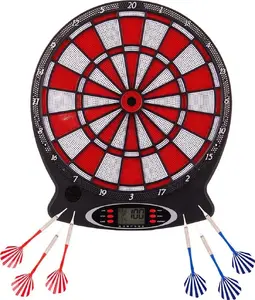
Enero electronic dartboard Enero 43 cm red — electronic dartboard, 43 cm diameterDelivery: 08.12.2026
25.99 €
Add to cart

Necessary cookies enable the site’s essential functions, including authentication and security, saving the shopping cart, placing orders, selecting a language, and retaining other user settings. They are always active because the site cannot work correctly without them. These cookies are not used for analytics or advertising.
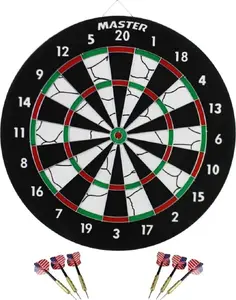
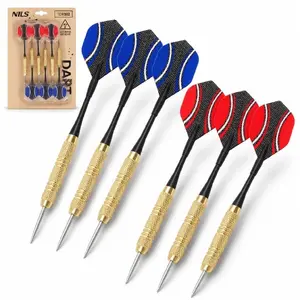
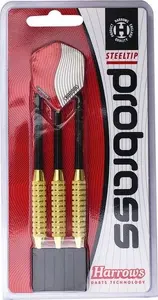
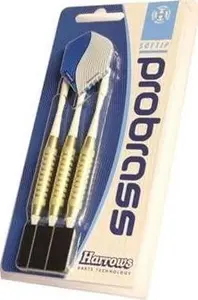
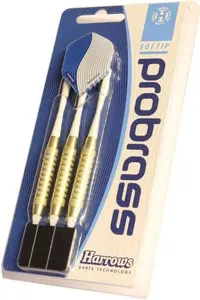
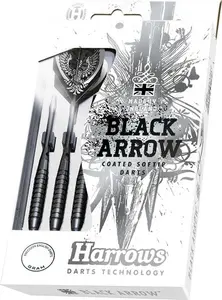
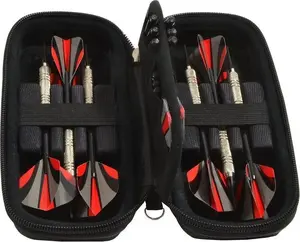
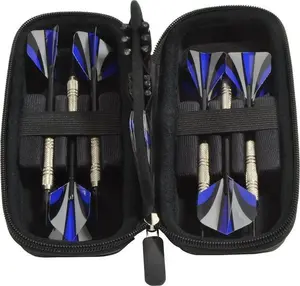
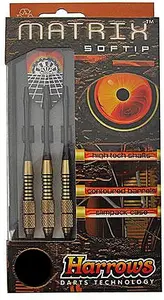
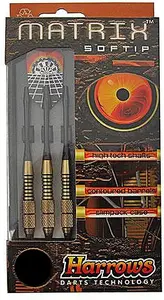
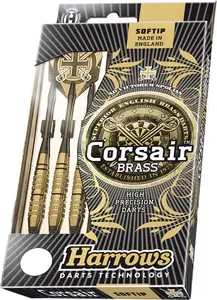
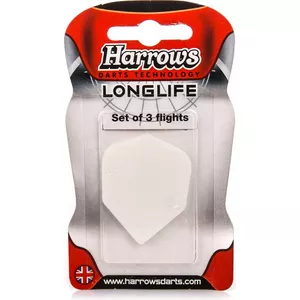
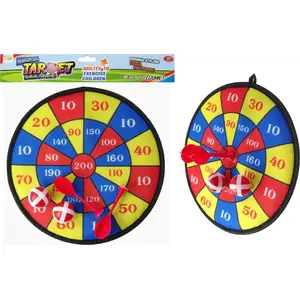
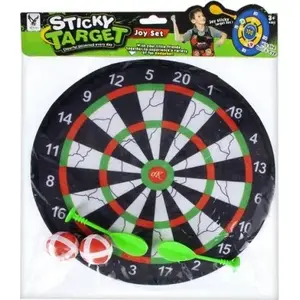
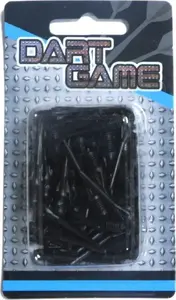

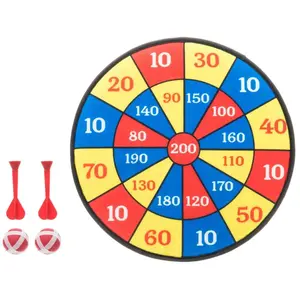
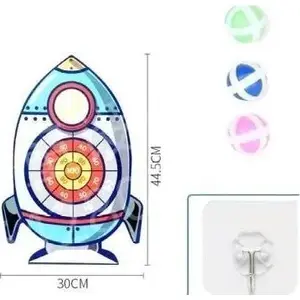
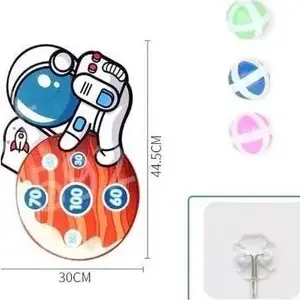
Darts are precision throwing implements used in target-based games and recreational activities. They consist of a pointed tip, a barrel for grip, a shaft, and flights that stabilize the dart in flight. Players use darts in indoor settings such as pubs, clubs, homes, and dedicated dart venues, and in training or competitive environments ranging from casual play to organized matches. Different designs and materials affect weight, balance, and durability, influencing suitability for specific throwing styles and scoring systems. Buyers select darts based on factors like weight, grip, barrel shape, tip type, and flight configuration to match skill level and playing context.
Common types of darts vary by construction and intended use.
Darts are used primarily for scoring games that test accuracy and consistency. Standard uses include recreational games, organized competitions, practice sessions, and skill development. They are employed in scoring formats such as 501, cricket, and other regional variations. Darts also serve in coaching contexts to analyze throw mechanics and in social settings where structured play or casual matches take place.
Key differences relate to materials, weight, tip type, and design features that affect performance.
Choosing darts involves matching product attributes to the player’s skill, throwing style, and target equipment.
Order online at AiO.lv at a good price, with delivery across Latvia and to other EU countries. We deliver to Riga, Daugavpils, Liepāja, Jūrmala, Ventspils and other cities. We offer products from leading manufacturers.

We are confident in our quality, but if the purchase doesn’t fit — you have 14 days to return the product with peace of mind.

Get your orders as quickly as possible — right to your door, parcel lockers, or pickup points across Latvia and the EU.

Pay the way you prefer: cash, VISA, MasterCard, Apple Pay, Google Pay, bank transfer, or 0% installment plan.

AiO.lv has been on the market for over 18 years and has earned trust — with more than 6000 genuine positive reviews on Google.