Save time and money with our discounts!

{{ totalProductsCount }}
In cart {{totalProductsCount}} item(s)
In cart {{totalProductsCount}} item(s)
Total:
{{sum | formatAmount}}
Your cart is empty
Fitness
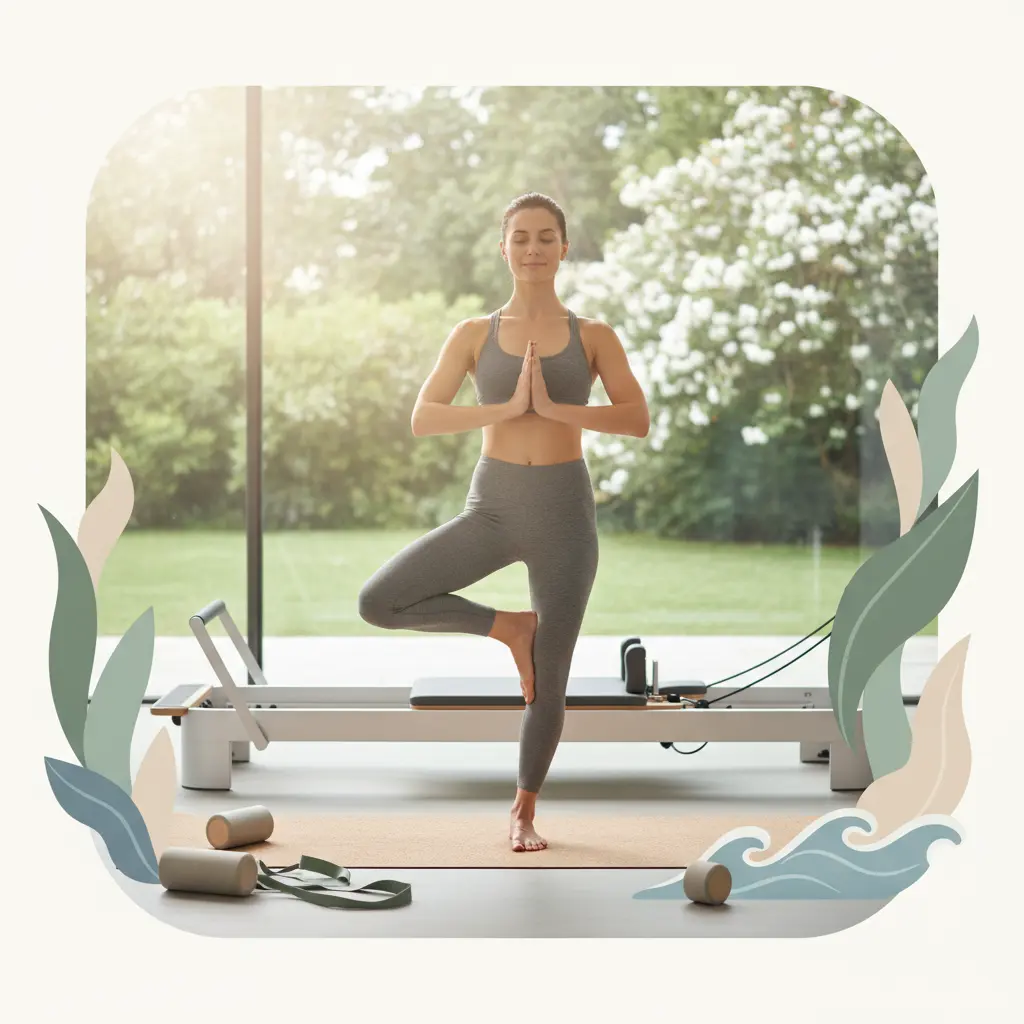
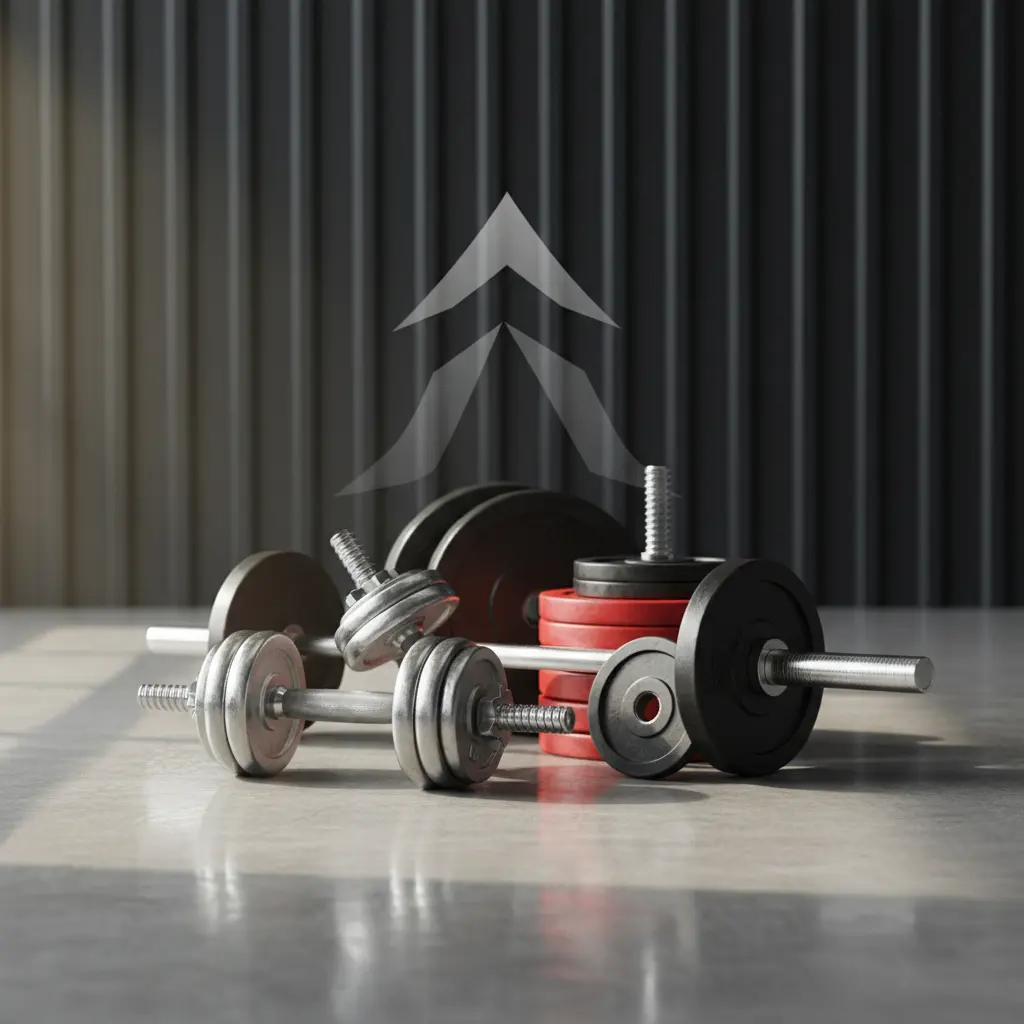
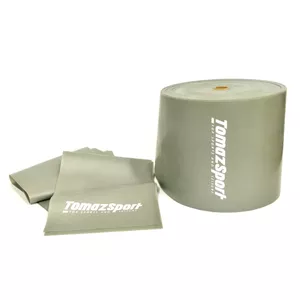
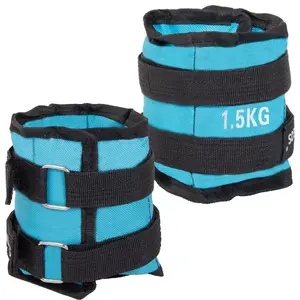
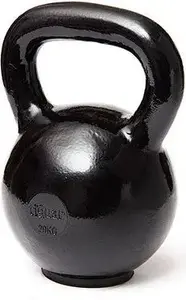
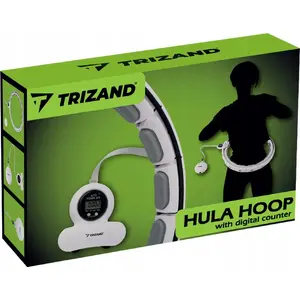
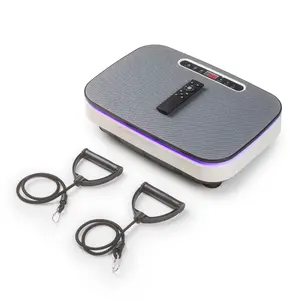
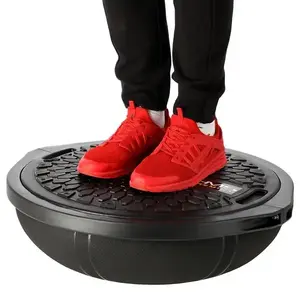

Fitness refers to equipment, accessories and tools designed to support physical exercise, strength training, cardiovascular conditioning and flexibility work. Products in this category are used by individuals, trainers and physical therapists to perform structured workouts, progressive resistance exercises, aerobic sessions and mobility routines. Fitness items range from compact accessories for home use to larger machines for gym settings, selected according to available space, training goals and user ability. Consumers choose fitness products to follow training plans, improve specific physical capacities, rehabilitate after injury or maintain general activity levels. Proper selection and correct use of fitness equipment affect exercise safety, effectiveness and long-term consistency.
Types of Fitness
The Fitness category includes a variety of product types suited to different training needs and environments:
- Cardio machines — treadmills, exercise bikes, rowing machines and ellipticals for aerobic conditioning and calorie expenditure.
- Strength equipment — free weights, weight benches, dumbbells, kettlebells and resistance machines for muscle development and strength training.
- Functional and bodyweight tools — suspension trainers, medicine balls, battle ropes and pull-up bars for multi-joint and core-focused training.
- Flexibility and recovery — foam rollers, stretching straps, massage tools and yoga mats for mobility and post-exercise recovery.
- Accessories and wearable devices — resistance bands, fitness trackers, heart-rate monitors and exercise gloves to support training and track progress.
What are Fitness used for?
Fitness products are used to structure and support physical activity across different objectives and settings. They enable progressive overload for strength gains, continuous movement for cardiovascular improvement, and guided mobility work for flexibility. Professionals use fitness equipment to program rehabilitation exercises and to monitor client performance, while individuals use items for home workouts, gym sessions or outdoor training. Training tools also assist in tracking intensity, measuring physiological responses and maintaining consistency in a routine.
Key Differences between Fitness
Key differences among fitness products relate to intended use, size, adjustability, resistance type and user skill level. Cardio machines differ by impact level, footprint and data feedback; strength equipment varies by weight increments, stability and mechanical complexity. Portable accessories are chosen for ease of transport and storage, while fixed machines prioritize stability and durability. Materials, safety features and compatibility with additional attachments also distinguish items within the category.
How to Choose Fitness?
Choose fitness products based on clear goals, space constraints, budget and current fitness level. Assess whether the priority is aerobic conditioning, strength development, flexibility or a combination, then select equipment that supports progressive training and appropriate intensity. Verify dimensions and weight limits to ensure safe installation and use, and consider user adjustability, warranty and maintenance requirements. For beginners, select simple, low-impact and adjustable tools; more advanced users may prioritize specialized machines or higher-resistance options. Consult product specifications and, if available, professional guidance to match the equipment to intended exercise programs and safety needs.


