Dreame vacuums for fast and efficient cleaning!

{{ totalProductsCount }}
In cart {{totalProductsCount}} item(s)
In cart {{totalProductsCount}} item(s)
Total:
{{sum | formatAmount}}
Your cart is empty
Development & Learning
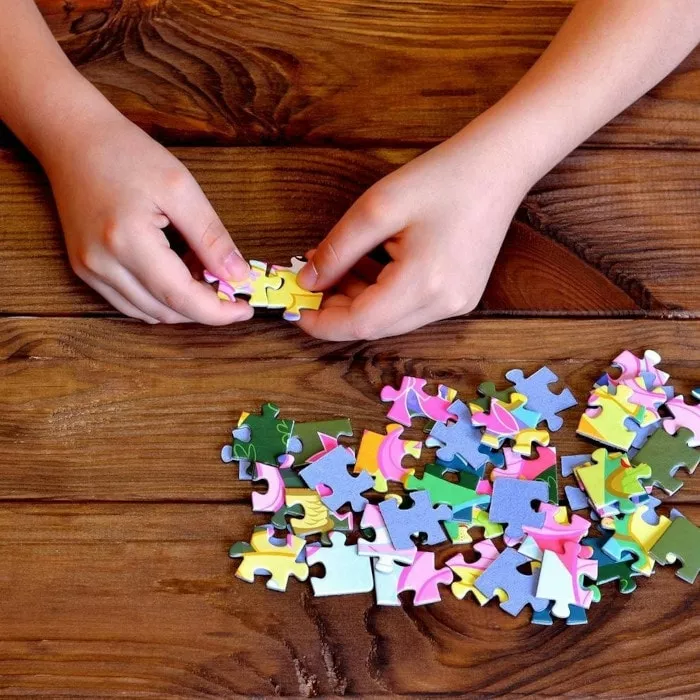

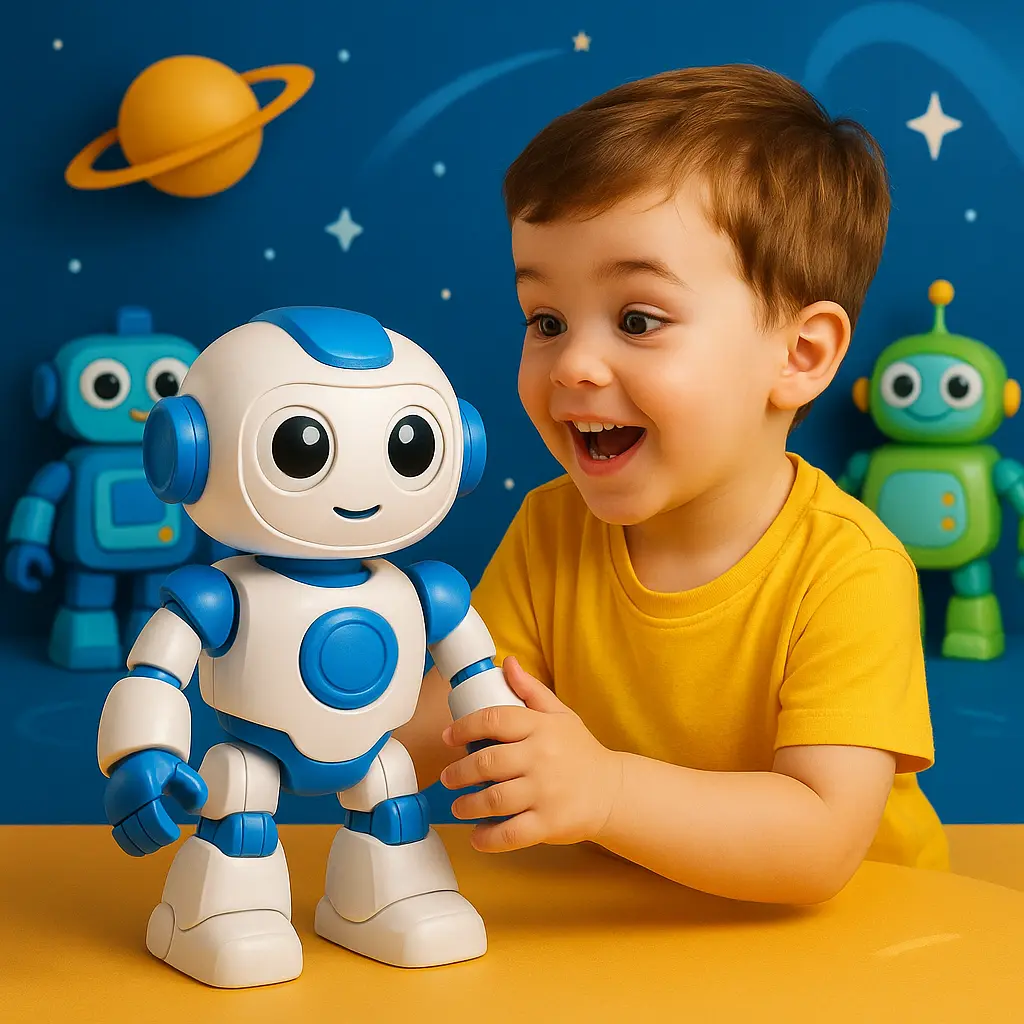
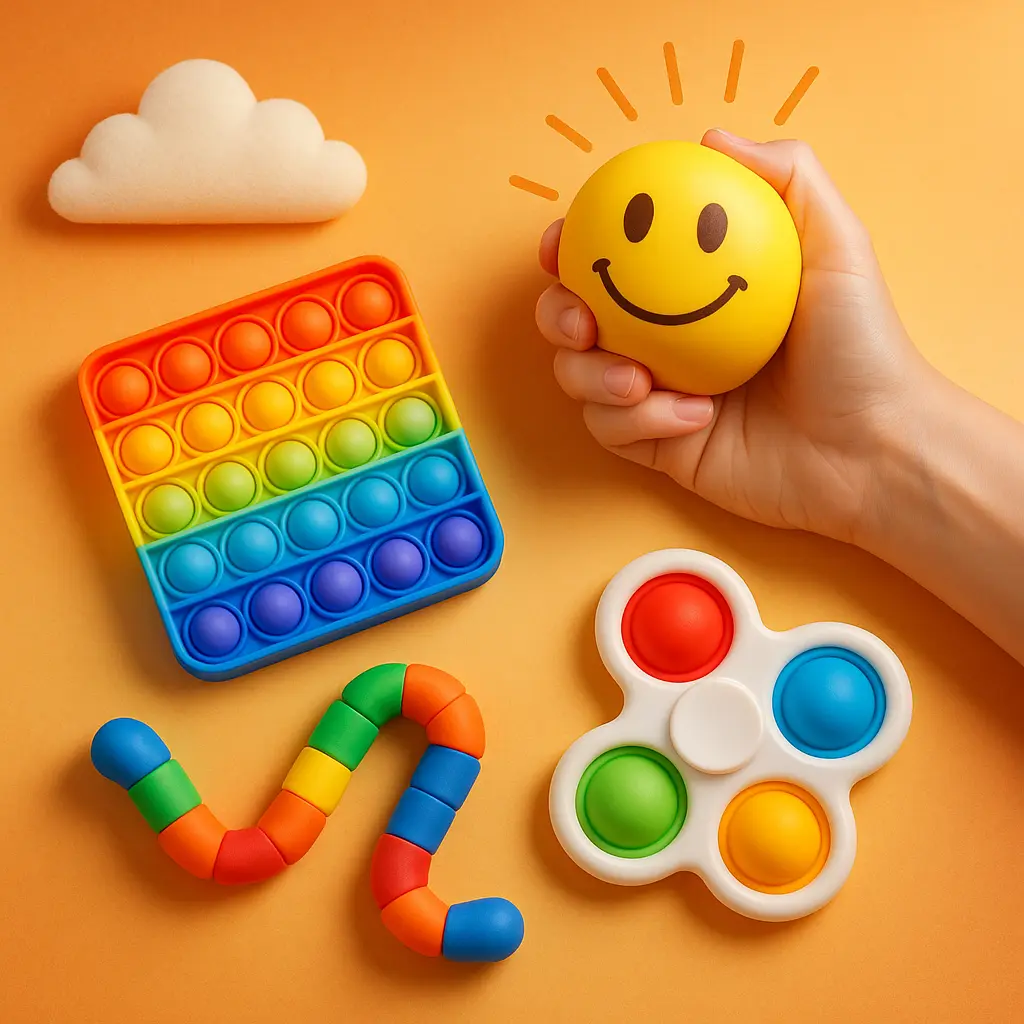

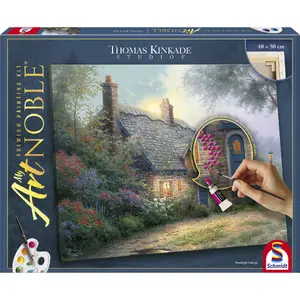

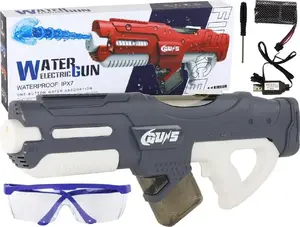

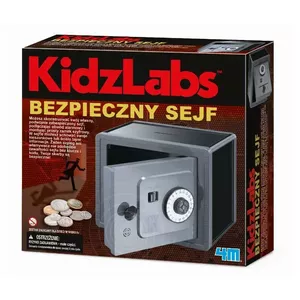
Child development and education refers to tools, materials, programs and resources designed to support the physical, cognitive, social and emotional growth of infants, toddlers and school-age children. These products include educational toys, activity sets, books, learning kits, early literacy and numeracy materials, and structured curricula used by parents, educators and caregivers to stimulate age-appropriate skills. Items in this category are selected for play-based learning, guided practice, skill reinforcement and assessment across developmental domains, and are used at home, in daycare, preschool and classroom settings. Caregivers and professionals choose products based on a child’s age, developmental stage, learning goals and any specific needs such as language support or fine motor practice. Quality and safety standards, clear age recommendations and measurable learning outcomes are common selection criteria when evaluating these materials.
Types of Child development and education
Common types within this category cover a range of formats and target areas.
- Educational toys and manipulatives — blocks, puzzles, sorting sets and stacking toys that promote fine motor skills, spatial reasoning and problem solving.
- Books and early literacy materials — picture books, phonics readers and storytelling aids for vocabulary, comprehension and pre-reading skills.
- STEM and inquiry kits — simple science, technology, engineering and math kits suitable for different ages to encourage experimentation and logical thinking.
- Arts and craft supplies — drawing, painting and modelling materials that support creativity, hand-eye coordination and sensory exploration.
- Social-emotional learning resources — games, role-play sets and picture cards that teach emotion recognition, cooperation and self-regulation.
- Curricula and teacher resources — structured lesson plans, assessment tools and activity guides for formal and informal education settings.
What are Child development and education used for?
Products in this category are used to introduce and practice age-appropriate skills through guided activities and free play.
- Developing motor skills — activities that strengthen fine and gross motor control, coordination and dexterity.
- Building cognitive skills — materials that support memory, attention, problem-solving and early numeracy concepts.
- Supporting language and communication — tools for vocabulary building, phonological awareness and conversational skills.
- Encouraging social interaction — resources that promote turn-taking, sharing, empathy and cooperative play.
- Assessing progress — simple checklists and milestone guides used by caregivers and educators to monitor development and adjust learning activities.
Key Differences between Child development and education
Products in this category differ by purpose, age range, instructional depth and format.
- Purpose — some items are primarily for play and exploration, while others are designed for explicit instruction or assessment.
- Age and developmental stage — materials are grouped by recommended age or skill level to match cognitive and motor abilities.
- Format — stand-alone toys, printable worksheets, digital apps and multi-component kits offer different modes of interaction.
- Evidence base and learning outcomes — some resources are research-backed or curriculum-aligned, others are open-ended with flexible learning goals.
- Safety and durability — products vary in materials, choking risk, washability and longevity depending on intended use.
How to Choose Child development and education?
Selecting appropriate products involves evaluating the child’s needs, product specifications and practical considerations.
- Match to age and skill level — follow recommended age ranges and look for clear learning objectives tied to the child’s current abilities.
- Check safety and materials — ensure non-toxic materials, appropriate parts size and compliance with safety guidelines for the child’s age.
- Consider learning goals — decide whether the priority is motor development, language, numeracy, creativity or social skills and choose resources accordingly.
- Review instruction and ease of use — prefer items with clear instructions, adaptable activities and realistic time requirements for caregivers or educators.
- Assess durability and maintenance — select durable, easy-to-clean products for frequent use, especially in group or classroom settings.


