Save time and money with our discounts!

{{ totalProductsCount }}
In cart {{totalProductsCount}} item(s)
In cart {{totalProductsCount}} item(s)
Total:
{{sum | formatAmount}}
Your cart is empty
Musical Instruments
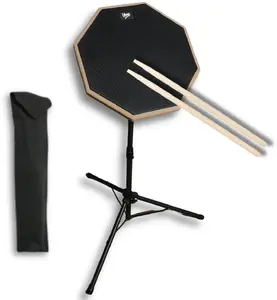
New Arrival
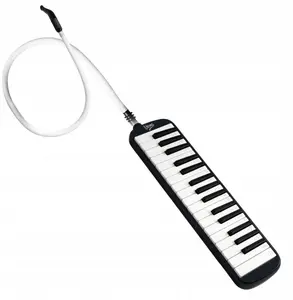
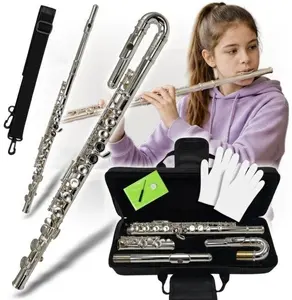
New Arrival
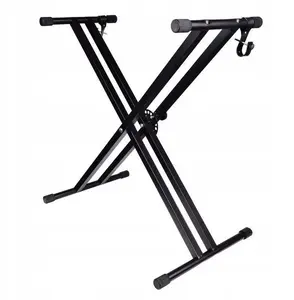
CASCHA
CASCHA NN X4 folding reinforced keyboard stand – adjustable height, X-shaped metal frame
Delivery: 02.11.2026
19.99 €
You save: 1.50 €
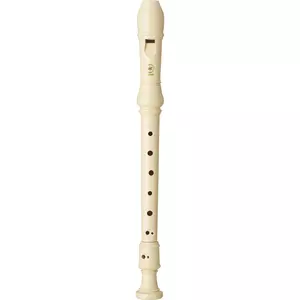
YAMAHA
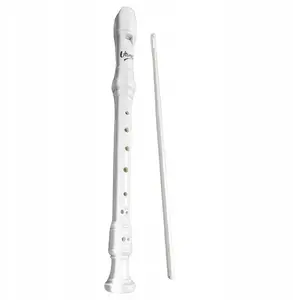
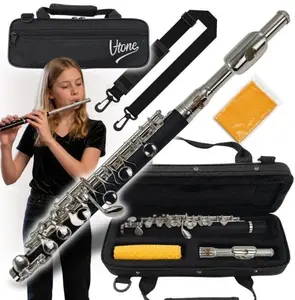
Soprano Recorder Flute YAMAHA YRS-23, ABS plastic, ivory finish, end-blown fipple
Delivery: Thursday
14.49 €
12.99 €
The discount is valid from 08.10.2026 to 05.11.2026

New Arrival
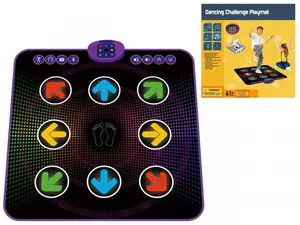
Madej
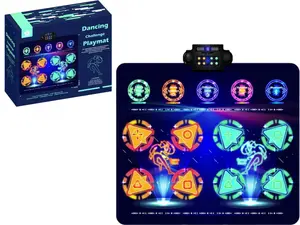
Madej Dance mat Interactive double activity mat for 2 players with control panel displays and built-in speakers
Delivery: 28.10.2026
33.49 €
New Arrival
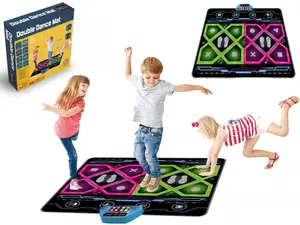
Madej
Double Dance Mat Madej with Control Panel, Built-in Speakers, and Game Modes for 2 Players
Delivery: 28.10.2026
34.49 €
New Arrival
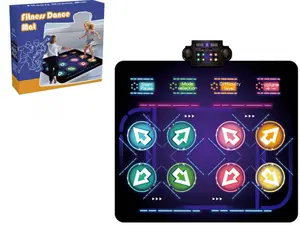
Madej
Madej 2-player dance mat for interactive music games and entertainment
Delivery: 28.10.2026
39.99 €
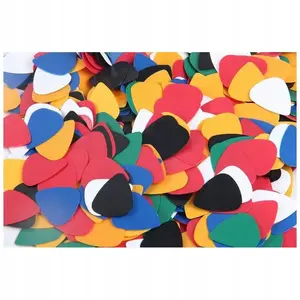
No name
Guitar Picks Set No name NN GPICK — 3-piece pick set for acoustic and electric guitars
Delivery: 02.11.2026
4.49 €
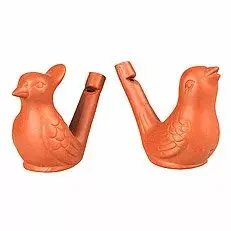

LEANToys
Acoustic Sound Tuba LEANToys model 23098 — Dinozaurs design, colorful lights, 40 cm
Delivery: 02.11.2026
4.99 €
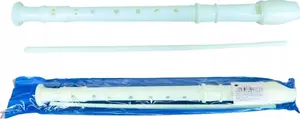
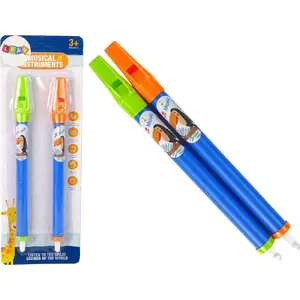
LEANToys
Children's Flute Set by LEANToys — Two Plastic Recorders, Blue Animal Design
Delivery: 02.11.2026
5.49 €
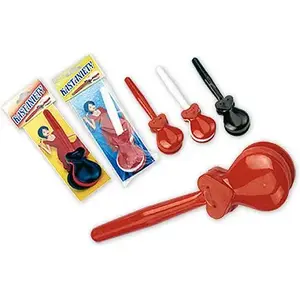
FPHU MAREK
Handheld wooden kastanets FPHU MAREK MARE0003 — traditional percussion instrument
Delivery: 02.11.2026
5.49 €

LEANToys
Musical Flute for Children LEANToys 33 cm — lightweight wooden toy instrument
Delivery: 02.11.2026
5.49 €
Musical instruments are tools designed to produce sound for music through vibration, resonance, or electronic generation. They are used by individuals and ensembles to perform, compose, rehearse, teach, and record music across a wide range of styles and settings, from practice rooms and classrooms to studios and live performances. Instruments are selected based on sound characteristics, playability, range, and the musical role required, such as melody, harmony, rhythm, or texture. Many instruments require accessories and maintenance items—strings, reeds, mouthpieces, picks, cases, tuners, and cleaning supplies—that affect long-term performance and care. Both acoustic and electronic instruments exist, and each type has specific setup and handling needs. Buyers typically choose instruments to match skill level, musical genre, physical ergonomics, and budget constraints.
Types of Musical Instruments
Musical instruments are commonly grouped by method of sound production and construction. Major categories include:
- String instruments: violins, violas, cellos, double basses, guitars, and harps, producing sound via vibrating strings.
- Woodwind instruments: flutes, clarinets, oboes, saxophones, and recorders, producing sound by air vibration across a mouthpiece or reed.
- Brass instruments: trumpets, trombones, French horns, and tubas, producing sound by lip vibration into a mouthpiece.
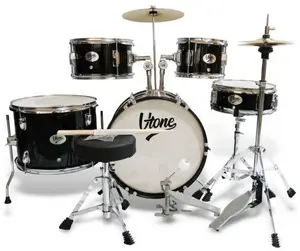
- Percussion instruments: drums, cymbals, xylophones, and hand percussion, producing sound when struck, shaken, or scraped.
- Keyboard instruments: pianos, organs, and electronic keyboards, combining keys with strings, pipes, or digital sound engines.
- Electronic instruments and hybrids: synthesizers, electric guitars, drum machines, and digital wind or string controllers that use electronic sound generation or amplification.
What are Musical Instruments used for?
Musical instruments serve multiple practical functions across musical and educational contexts.
- Performance: used by soloists, chamber groups, orchestras, bands, and ensembles to present composed or improvised music.
- Education and practice: tools for learning technique, music theory, ear training, and ensemble skills in schools and private lessons.
- Composition and arrangement: instruments help composers test ideas, develop melodies, harmonies, and textures, and realize arrangements.
- Recording and production: used in studios to capture individual parts or full arrangements, often combined with microphones, DI boxes, and audio interfaces.
- Therapeutic and community activities: instruments support music therapy, community music-making, and recreational playing for wellbeing and social engagement.
Key Differences between Musical Instruments
Instruments differ by sound production, range, timbre, portability, and required technique.
- Sound source: acoustic (strings, air column, skin) versus electronic (synthesized, sampled, amplified pickups).
- Physical technique: bowed, plucked, struck, blown, keyed, or electronically triggered actions determine playing posture and learning curve.
- Range and tuning: instruments vary in pitch range and standard tuning systems, affecting repertoire and ensemble compatibility.
- Portability and setup: some instruments are compact and ready to play, while others require stands, amplification, or assembly.
- Maintenance and consumables: strings, reeds, drumheads, valves, and electronic components have varying lifespans and service needs.
How to Choose Musical Instruments?
Selecting an instrument involves assessing practical needs, physical suitability, and long-term considerations.
- Purpose and repertoire: identify the musical styles and pieces you intend to play to match instrument timbre and range.
- Skill level: beginners often start with student models designed for ease of play and durability; advanced players may prefer professional-grade instruments.
- Ergonomics and size: consider body size, hand reach, and breath capacity; youth and small adults may need scaled instruments.
- Sound and build quality: evaluate tone, intonation stability, materials, and construction; testing the instrument or listening to recordings helps assessment.
- Budget and ongoing costs: account for initial price plus accessories, maintenance, and potential upgrades or repairs.
- Amplification and compatibility: for electronic and amplified instruments, check outputs, required cables, and compatibility with existing equipment.
- Care and serviceability: consider availability of spare parts, local repair services, and recommended maintenance routines.
Which musical instruments are the most popular and affordable in 2026?
The full list of popular models at affordable prices is available on this page. In 2026, the following models show high demand and an excellent price-to-quality ratio:
- Soprano Recorder Flute YAMAHA YRS-23, ABS plastic, ivory finish, end-blown fipple for 12.99€
- V-tone MELODY 32 BK Wind Keyboard Instrument with 32 Keys Black for 17.99€
- Beam V-TONE VHT 1 Single Trumpet Signal Horn for 32.49€
- Madej Dance mat Interactive double activity mat for 2 players with control panel displays and built-in speakers for 33.49€
- Double Dance Mat Madej with Control Panel, Built-in Speakers, and Game Modes for 2 Players for 34.49€
Why is it worth buying musical instruments at AiO.lv?
At the AiO.lv online store, you can place an order at a great price with delivery across Latvia — to Riga, Daugavpils, Liepaja, Jurmala, Ventspils, and other cities, as well as throughout Europe. We offer products from leading manufacturers: Apple, OEM, lexi book, YAMAHA, TEKA, Sennheiser, UNIVERSAL, HQ, MARANTZ, CHICCO, BRIO, BonTempi, fisher price, MANTA, EVER, hugo boss, Adar, Alexander, Artyk, Clementoni. When you shop with us, you get:
- official warranty and guaranteed quality;
- convenient payment options (including installment and credit);
- fast and reliable delivery across Latvia and to any EU country.
FAQ
Where can you find a musical instruments with cheap prices?
You can buy cheaper at the AiO.lv online store. We offer competitive prices and regular discounts, so you always have the chance to find a great deal.
What is the delivery time for musical instruments?
If you place your order today, delivery will take between 1 and 5 business days depending on the chosen method.
How long is the warranty period for musical instruments?
Our store provides an official manufacturer’s warranty ranging from 12 to 36 months, depending on the model and brand. If needed, you can always contact our customer service department or the manufacturer’s authorized service center for support.
Are musical instruments purchasable with leasing?
Yes, if the selected product costs more than €50. You can learn more about installment purchase options and the terms of application on the Payment page.
Can musical instruments be purchased for a company (with VAT)?
Yes. AiO.lv works with legal entities in Latvia and throughout Europe. All product prices are shown with VAT included. In certain cases, a 0% VAT rate may apply — for example, when purchasing from other EU countries with a valid VAT number. We issue an invoice immediately after the order is placed, support BIS electronic invoices, and automatically generate all required accounting documents. To complete a purchase for a company, simply select the company profile during checkout.


