A curated selection of maximum value offers!

{{ totalProductsCount }}
In cart {{totalProductsCount}} item(s)
In cart {{totalProductsCount}} item(s)
Total:
{{sum | formatAmount}}
Your cart is empty
Drones
Get it Tomorrow
Fast shipping
Get it Tomorrow
Excellent choice
Fast shipping

DJI
DJI Neo 2 Motion Fly More Combo drons ar DJI Goggles N3 brillem un RC Motion 3 kontrolieri
Delivery: Wednesday
520.99 €
Fast shipping
DJI
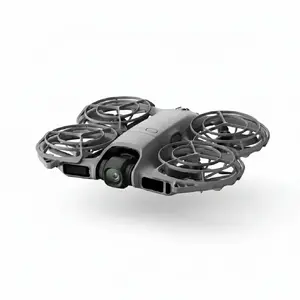
DJI Neo 2 Quadcopter Drone 12 MP 2688 x 1512 Pixels 7000 m Operating Distance 1606 mAh Battery Black and Grey
Delivery: Wednesday
216.49 €
Fast delivery available
DJI
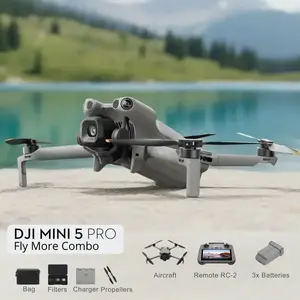
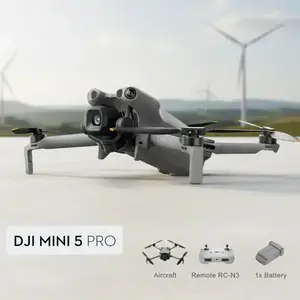
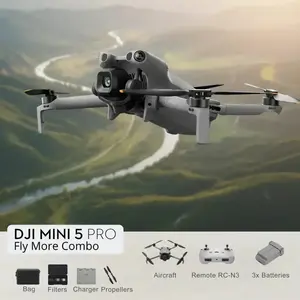
DJI MINI 5 PRO Fly More Combo (RC2) lightweight 249g drone with 50MP sensor, Lidar, 3x batteries, remote control with screen
Delivery: 27.10.2026
1,129.00 €
Get it Tomorrow
Excellent choice
Get it Tomorrow
Excellent choice
Get it Tomorrow
Excellent choice
Get it Tomorrow
Excellent choice

DJI
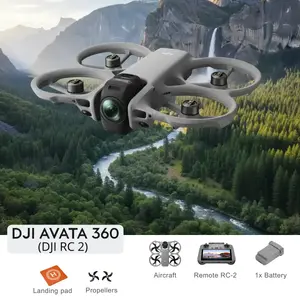
DJI Avata 2 Fly Smart Combo drone with DJI Goggles N3 and RC Motion 3 controller
Delivery: Tomorrow
744.00 €
Get it Tomorrow
Excellent choice
DJI
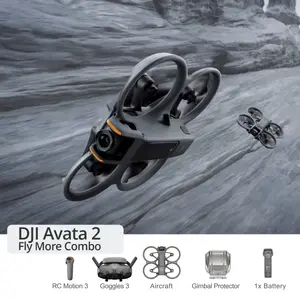
DJI Avata 2 Fly More Combo drons ar DJI Goggles 3 brillem un RC Motion 3 kontrolieri
Delivery: Tomorrow
799.00 €
Get it Tomorrow
Excellent choice
Get it Tomorrow
Excellent choice
Fast shipping
Excellent choice
Get it Tomorrow
Excellent choice

DJI
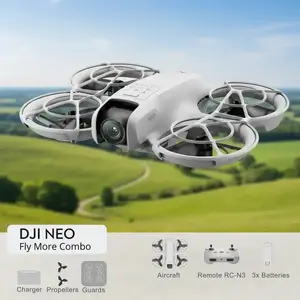
DJI Neo Motion Combo drones with DJI Goggles N3 shine an RC Motion 3 controller
Delivery: Tomorrow
499.00 €
MG
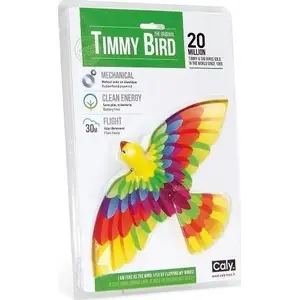
Toy Drone MG Caly Timmy C102 — small flying bird model, compact quadcopter
Delivery: 03.11.2026
12.99 €
bao niu
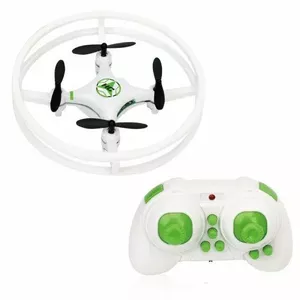
Drone bao niu iLike Phantom HC615 — Quadcopter 360º, 2.4 GHz, USB rechargeable
Delivery: Friday
20.49 €
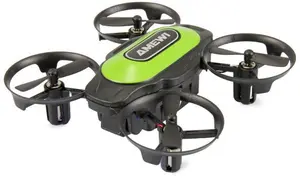
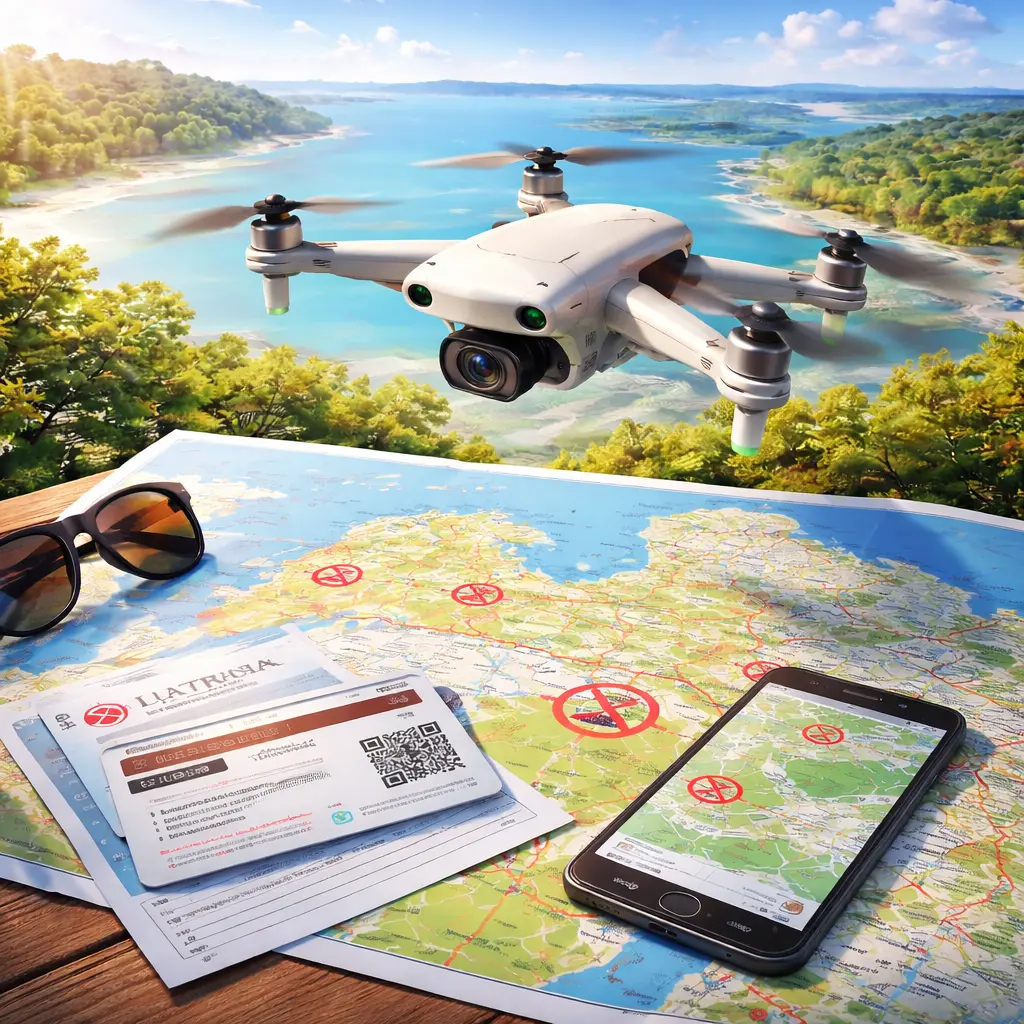
Drones are unmanned aerial vehicles (UAVs) that operate remotely or autonomously to perform tasks such as aerial photography, inspection, surveying, and hobby flying. They combine airframes, propulsion, flight controls, sensors, and often cameras or payload mounts to complete missions without an onboard pilot. Users select drones for applications that require overhead perspective, access to hard-to-reach locations, or repetitive data capture over an area. Typical scenarios include filming and photography, infrastructure inspection, agricultural monitoring, mapping, and recreational use. Drones vary in size, flight time, sensor capability, and control complexity, which determines their suitability for different tasks.
Types of Drones
Common categories of drones are based on design and intended use. Each type has distinct operational features and equipment options.
- Multirotor drones: include quadcopters, hexacopters and similar designs; valued for vertical takeoff, hover capability, and stable camera platforms.
- Fixed-wing drones: airplane-like designs that provide longer flight endurance and efficient forward flight for mapping and surveying large areas.
- VTOL hybrids: combine fixed-wing efficiency with vertical takeoff and landing to operate in confined areas and cover long distances.
- Micro and nano drones: small, lightweight models for indoor use, training, or close-proximity inspection.
- Industrial and professional drones: built with rugged frames, advanced sensors, higher payload capacity, and specialized software for commercial tasks.
What are Drones used for?
Drones serve a range of civilian, commercial, and recreational purposes. Their onboard sensors and mobility enable data collection and asset access in ways that ground-based systems cannot match.
- Aerial photography and videography: capturing still images and video from elevated viewpoints for media, real estate, and documentation.
- Inspection and maintenance: examining power lines, cell towers, roofs, bridges, and other infrastructure to detect damage or wear.
- Surveying and mapping: producing topographic maps, orthomosaics, and 3D models using photogrammetry and LiDAR sensors.
- Agricultural monitoring: assessing crop health, irrigation, and planting patterns using multispectral and thermal imaging.
- Search and rescue, monitoring, and public safety: supporting emergency response with situational awareness and rapid area coverage.
- Recreational flying and training: hobbyist piloting, racing, and pilot skill development.
Key Differences between Drones
Differences among drones affect performance, legal requirements, and suitability for tasks. Key factors relate to hardware, software, and operational limits.
- Flight time and battery capacity: determines how long a drone can operate per flight and impacts mission planning.
- Payload and camera capabilities: include sensor resolution, stabilization (gimbals), and ability to carry specialized equipment such as multispectral or thermal cameras.
- Range and control systems: encompass radio link range, GPS/RTK accuracy, and autonomous flight modes.
- Build quality and environment rating: water resistance, frame durability, and suitability for wind or temperature extremes.
- Software and integrations: flight planning, data processing, SDKs, and compatibility with mapping or inspection workflows.
- Size and portability: impacts transport, deployment speed, and legal classification in some jurisdictions.
How to Choose Drones?
Selecting a drone involves matching technical specifications to intended use, regulatory considerations, and budget. Prioritize objective criteria to compare models.
- Define primary use: identify whether the main need is photography, inspection, mapping, agriculture, or recreation to narrow model requirements.
- Evaluate flight time and battery options: longer flight time and spare batteries reduce downtime for fieldwork.
- Compare sensor and payload needs: choose cameras or sensors with adequate resolution, spectral bands, and stabilization for the task.
- Assess control and autonomy features: consider GPS accuracy, obstacle avoidance, waypoint planning, and follow modes for operational efficiency.
- Consider portability and durability: foldable designs and robust frames help when transporting to remote sites or harsh environments.
- Check software and data workflow: ensure compatibility with mapping, inspection, or analysis tools used in your workflow.
- Review regulatory and safety requirements: verify weight categories, registration rules, and local operational limits that apply to the chosen drone.
Legal Use of Drones in Latvia
When choosing a drone, it is important to consider not only technical specifications but also regulatory requirements. In Latvia, operating rules depend on the weight and class of the device (C0–C4).
- Up to 249 g (C0) — no exam is required, but operator registration is usually necessary if the drone has a camera.
- 250–899 g (C1) — online training and the A1/A3 test are required.
- 900 g – 4 kg (C2) — an additional A2 exam is required for flights closer to people.
- The maximum altitude in the open category is 120 meters.
- For drones heavier than 1.5 kg, civil liability insurance is required in most cases.
Before flying, it is recommended to check airspace restrictions and temporary no-fly zones.
Frequently Asked Questions About Drone Regulations
Is drone registration required in Latvia?
Operator registration is required if the drone is equipped with a camera or weighs more than 250 g. The received ID must be displayed on the drone body.
Is an exam required to fly?
No exam is required for models under 249 g. Heavier drones require online training and passing the A1/A3 test, and in some cases, the A2 exam.
Can I fly in the city?
Flights in urban areas are allowed if you comply with the operating category and maintain safe distances from people. Some classes require an additional exam.
Are there altitude limits?
Yes. In the open category, the maximum flight altitude is 120 meters.
Is insurance required?
For drones heavier than 1.5 kg, civil liability insurance is usually required.
Which drones are the most popular and affordable in 2026?
The full list of popular models at affordable prices is available on this page. In 2026, the following models show high demand and an excellent price-to-quality ratio:
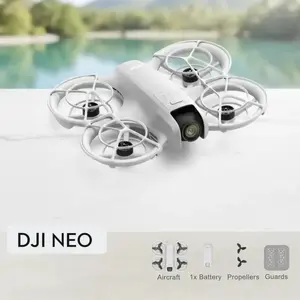
- DJI Neo lightweight 135g drone with 4K Ultra HD camera, up to 18 minutes of flight time on 1 charge, no remote control for 164€
- Potensic Atom SE Drone 4K FPV for 222.49€
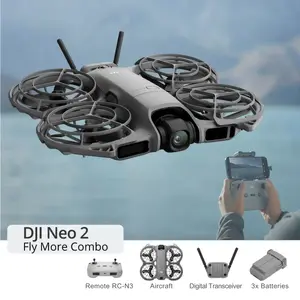
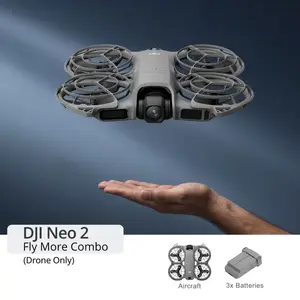
- DJI Neo 2 Fly More Combo drone (without remote control) for 319€
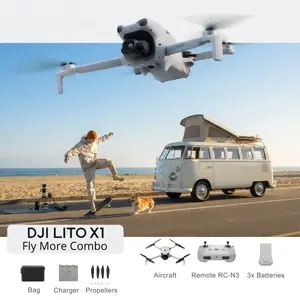
- DJI Lito 1 Fly More Combo drone with RC-N3 remote control for 459€
- DJI Neo Motion Combo drones with DJI Goggles N3 shine an RC Motion 3 controller for 499€
Why is it worth buying drones at AiO.lv?
At the AiO.lv online store, you can place an order at a great price with delivery across Latvia — to Riga, Daugavpils, Liepaja, Jurmala, Ventspils, and other cities, as well as throughout Europe. We offer products from leading manufacturers: OEM, CANYON, PARROT, REVELL, CARRERA, Adar, DENVER, DJI, Extralink, iLike, bao niu, Fleg, Insta360, Amewi, Madej, Rebel, Syma, Fimi, Rebel Tools, LEANToys. When you shop with us, you get:
- official warranty and guaranteed quality;
- convenient payment options (including installment and credit);
- fast and reliable delivery across Latvia and to any EU country.
FAQ
Where can you find a drones with cheap prices?
You can buy cheaper at the AiO.lv online store. We offer competitive prices and regular discounts, so you always have the chance to find a great deal.
What is the delivery time for drones?
If you place your order today, delivery will take between 1 and 5 business days depending on the chosen method.
How long is the warranty period for drones?
Our store provides an official manufacturer’s warranty ranging from 12 to 36 months, depending on the model and brand. If needed, you can always contact our customer service department or the manufacturer’s authorized service center for support.
Are drones purchasable with leasing?
Yes, if the selected product costs more than €50. You can learn more about installment purchase options and the terms of application on the Payment page.
Can drones be purchased for a company (with VAT)?
Yes. AiO.lv works with legal entities in Latvia and throughout Europe. All product prices are shown with VAT included. In certain cases, a 0% VAT rate may apply — for example, when purchasing from other EU countries with a valid VAT number. We issue an invoice immediately after the order is placed, support BIS electronic invoices, and automatically generate all required accounting documents. To complete a purchase for a company, simply select the company profile during checkout.


