Dreame vacuums for fast and efficient cleaning!

{{ totalProductsCount }}
In cart {{totalProductsCount}} item(s)
In cart {{totalProductsCount}} item(s)
Total:
{{sum | formatAmount}}
Your cart is empty
Robotics & STEM Toys
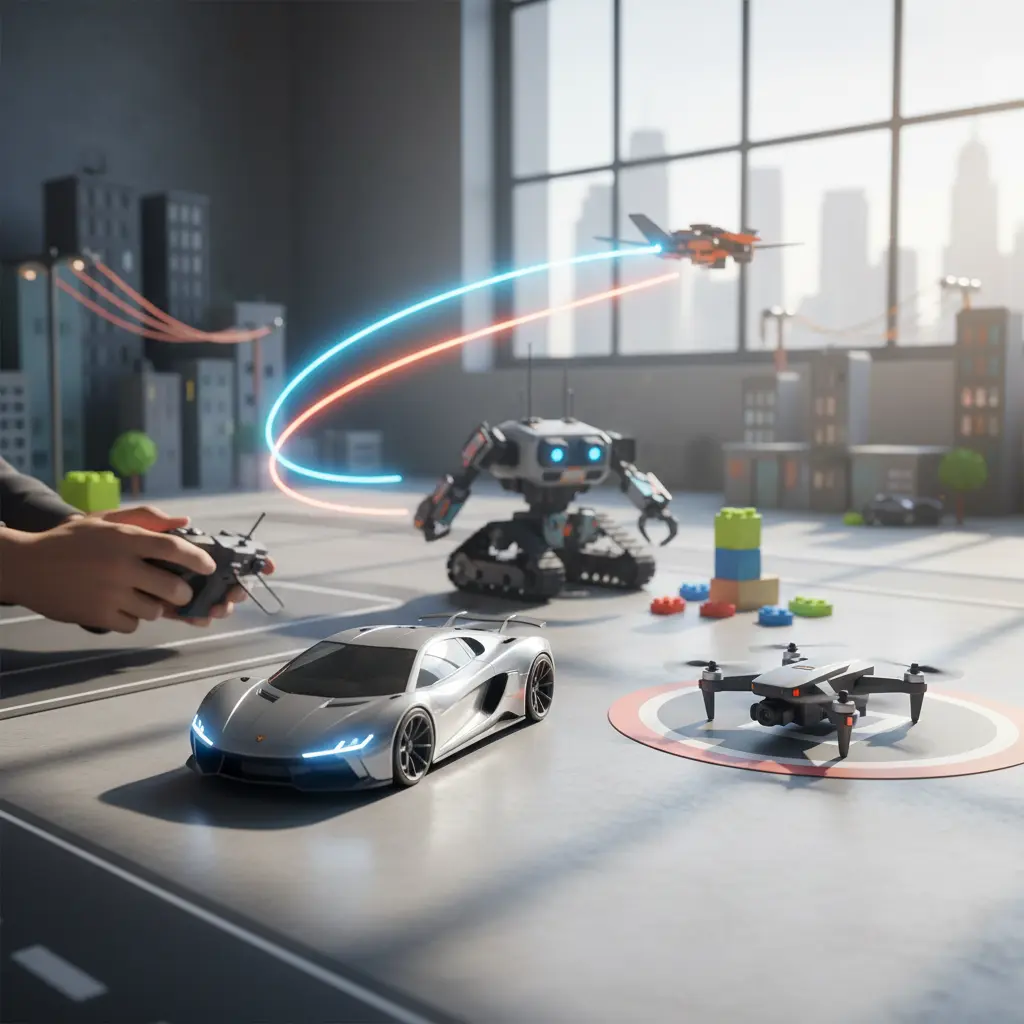
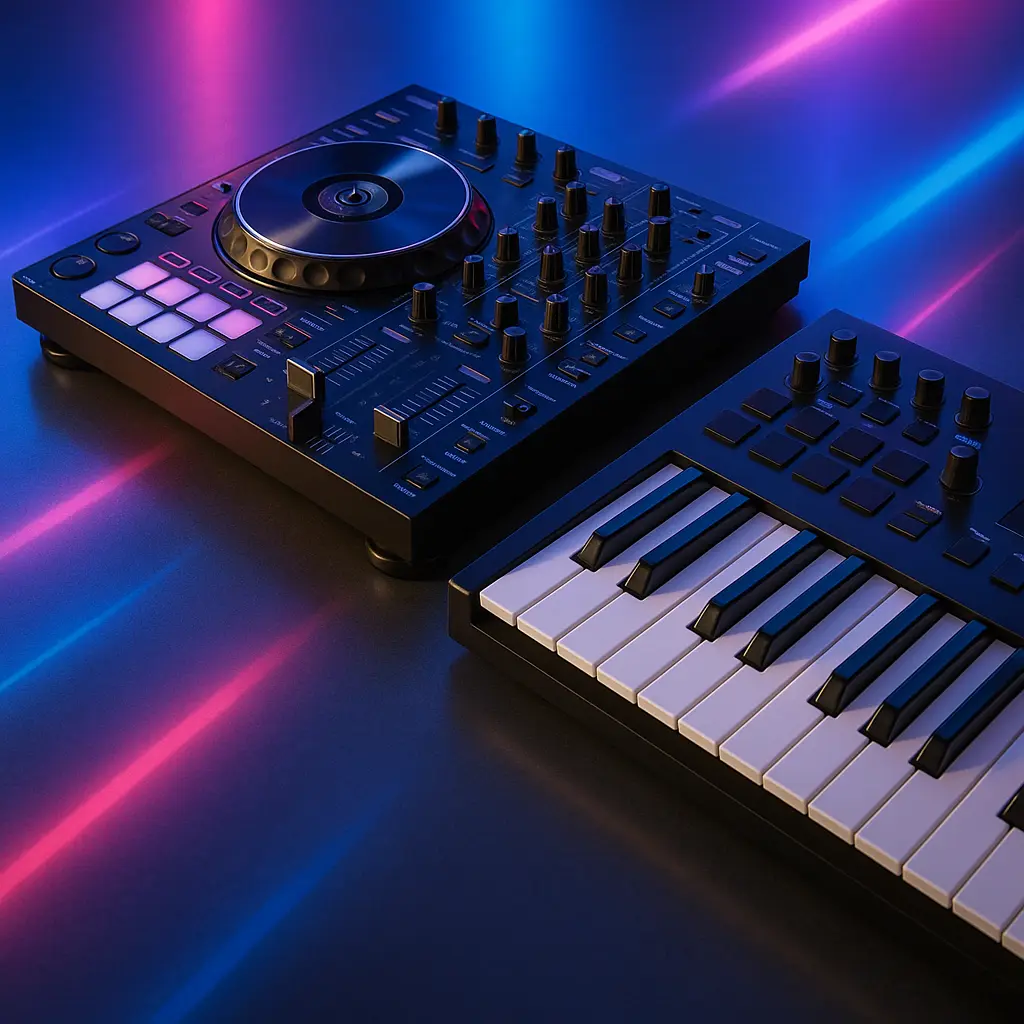
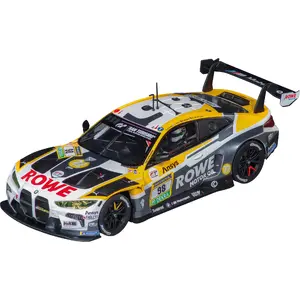
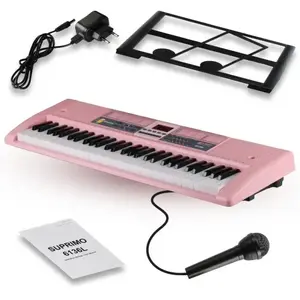
Robotics and STEM toys are educational kits and devices designed to introduce principles of science, technology, engineering and mathematics through hands-on play. These products include modular robot kits, programmable vehicles, electronic building sets and sensor-equipped models that users assemble, program and test. They are used by children, students and hobbyists to practice circuit design, coding, mechanical assembly and problem-solving in structured or open-ended projects. Typical scenarios for choosing these toys include classroom lessons, after-school activities, science clubs, home learning and hobby prototyping where interactive, experiential learning is desired. Selection is often based on age range, learning objectives, required supervision and compatibility with other educational tools.
Types of Robotics and Stem Toys
Common types of robotics and STEM toys cover a range of form factors and complexity suited for different skills and settings.
- Modular robot kits: snap-together parts and frames that form mobile or stationary robots.
- Programmable microcontrollers and single-board kits: boards and shields that support coding in block-based or text languages.
- Electronic building sets: components like LEDs, resistors, motors and breadboards for circuit experiments.
- STEM construction toys: mechanical sets focused on gears, pulleys and structural design.
- Sensor and actuator modules: ultrasonic, light, touch sensors and servo or stepper motors for interaction.
- Educational drones and remote-control robots: pilotable units for learning flight dynamics or remote operation.
What are Robotics and Stem Toys used for?
Robotics and STEM toys support practical learning by enabling users to design, build and test systems that demonstrate scientific and engineering concepts.
- Teaching programming fundamentals: block-based visual coding and introductory text languages.
- Exploring electronics: hands-on experience with circuits, sensors and actuators.
- Developing mechanical skills: assembly, kinematics and simple machine principles.
- Problem-solving and project-based learning: planning, iteration and debugging of prototypes.
- Preparing for advanced studies: foundational skills for robotics, engineering and computer science.
Key Differences between Robotics and Stem Toys
Differences among robotics and STEM toys relate to intended age, technical complexity, programming method and physical scale.
- Age and skill level: beginner sets use larger parts and visual coding; advanced kits require soldering or text-based programming.
- Programming interface: graphical block editors versus Python/C++ and dedicated IDEs.
- Hardware openness: closed consumer units versus open-source platforms that allow hardware and firmware modification.
- Power and mobility: stationary electronics trainers versus battery-powered mobile robots and drones.
- Educational focus: some products prioritize coding, others emphasize electronics, mechanics or multidisciplinary projects.
How to Choose Robotics and Stem Toys?
Selecting the right robotics and STEM toys requires matching the product features to the user’s age, learning goals and environment.
- Check recommended age and skill level to ensure parts size, tools and instructions are appropriate.
- Define learning objectives: coding, electronics, mechanics or a combination to narrow product types.
- Review programming language and platform compatibility with existing devices and curricula.
- Consider expandability and modularity if progressive learning or multiple projects are planned.
- Assess safety and supervision needs: small parts, batteries and tools may require adult oversight.
- Look for clear documentation and community or manufacturer support for troubleshooting and lesson plans.


