Save time and money with our discounts!

{{ totalProductsCount }}
In cart {{totalProductsCount}} item(s)
In cart {{totalProductsCount}} item(s)
Total:
{{sum | formatAmount}}
Your cart is empty
Furniture
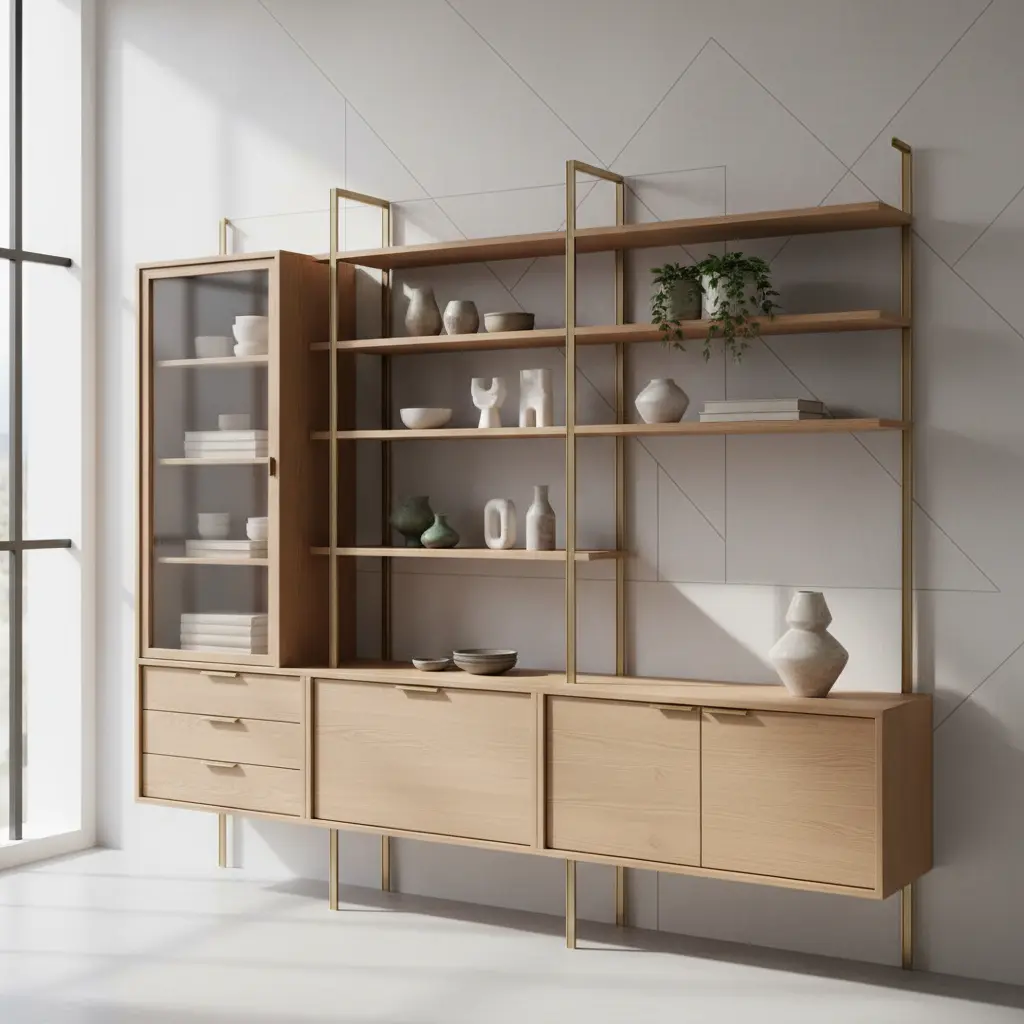
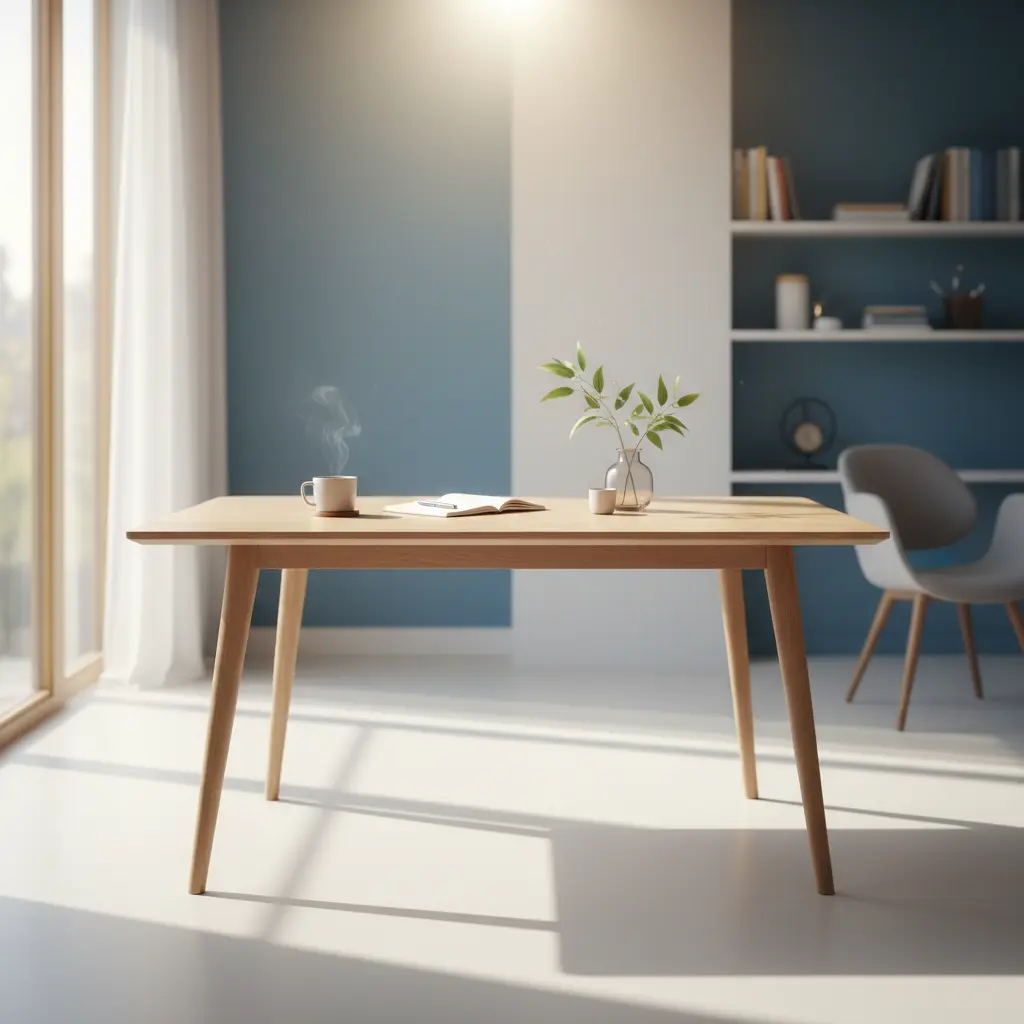

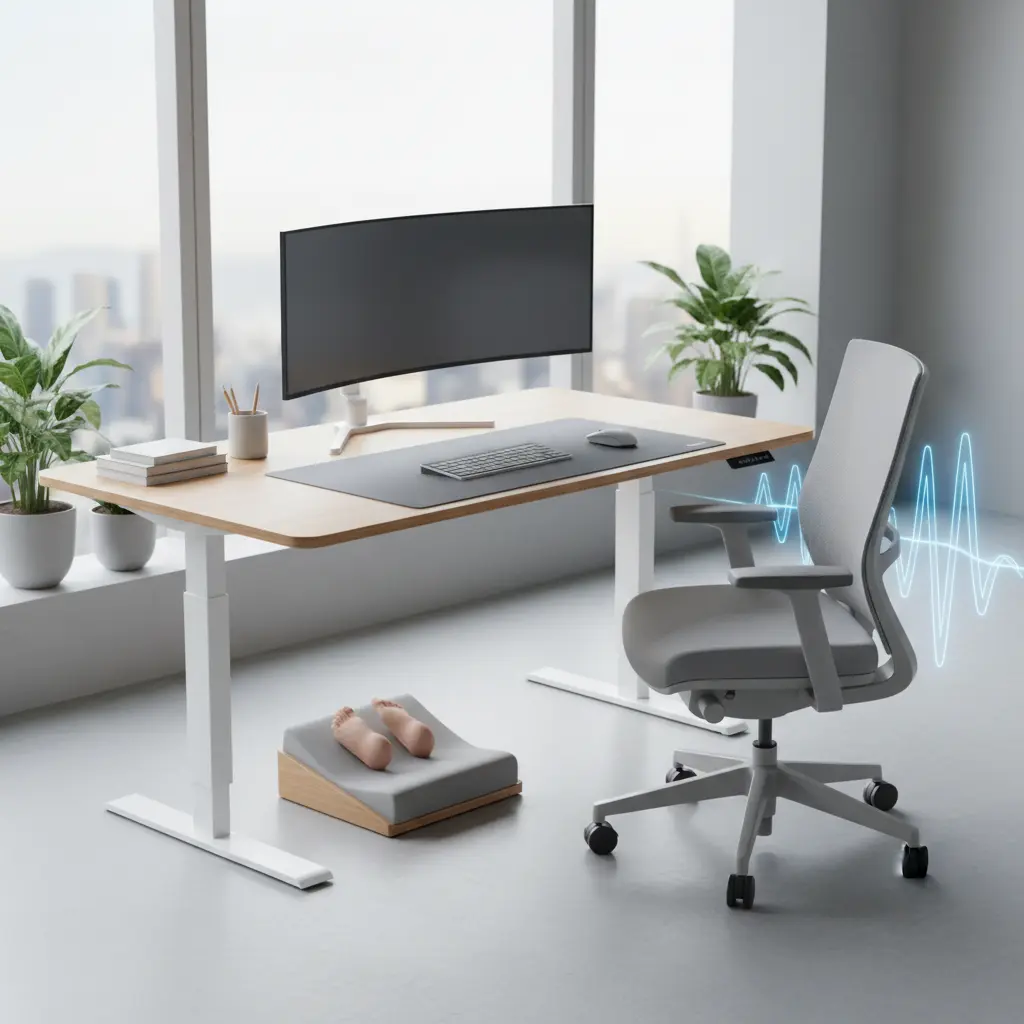
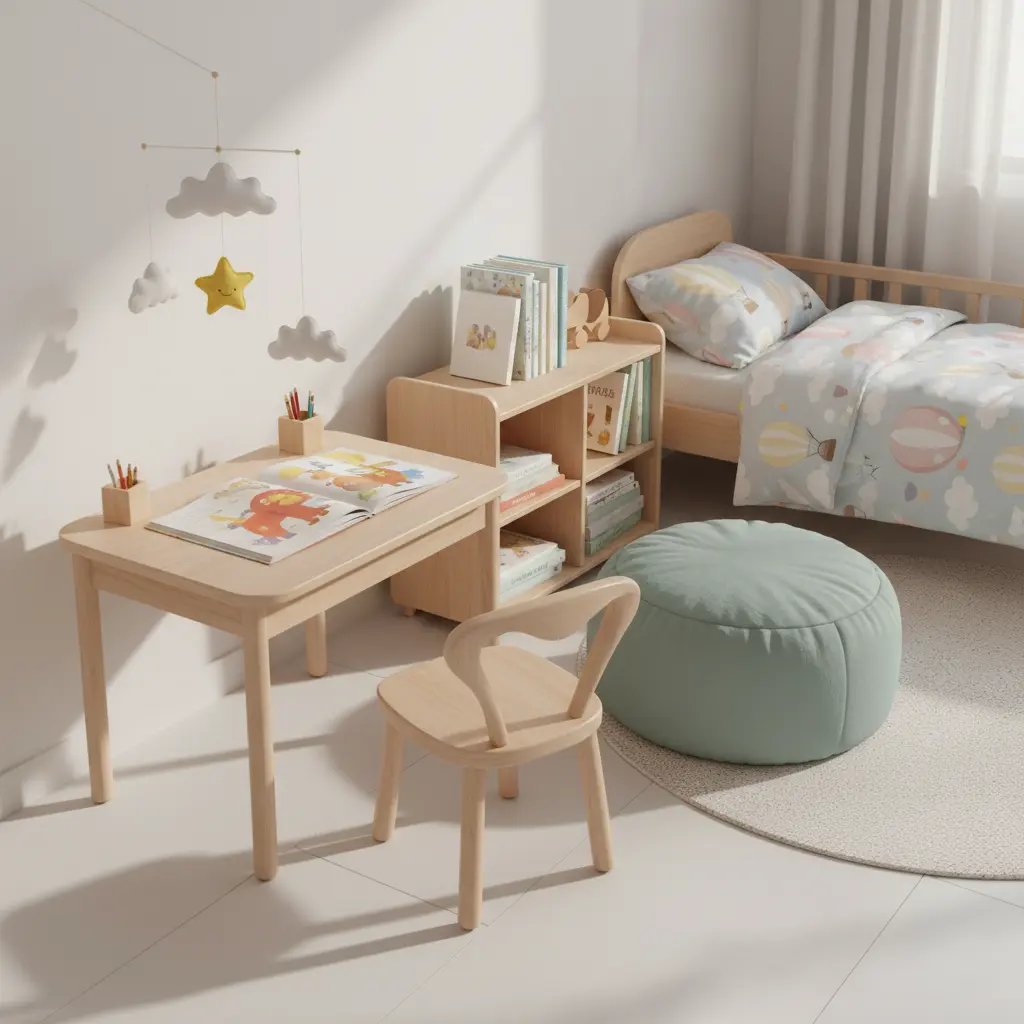

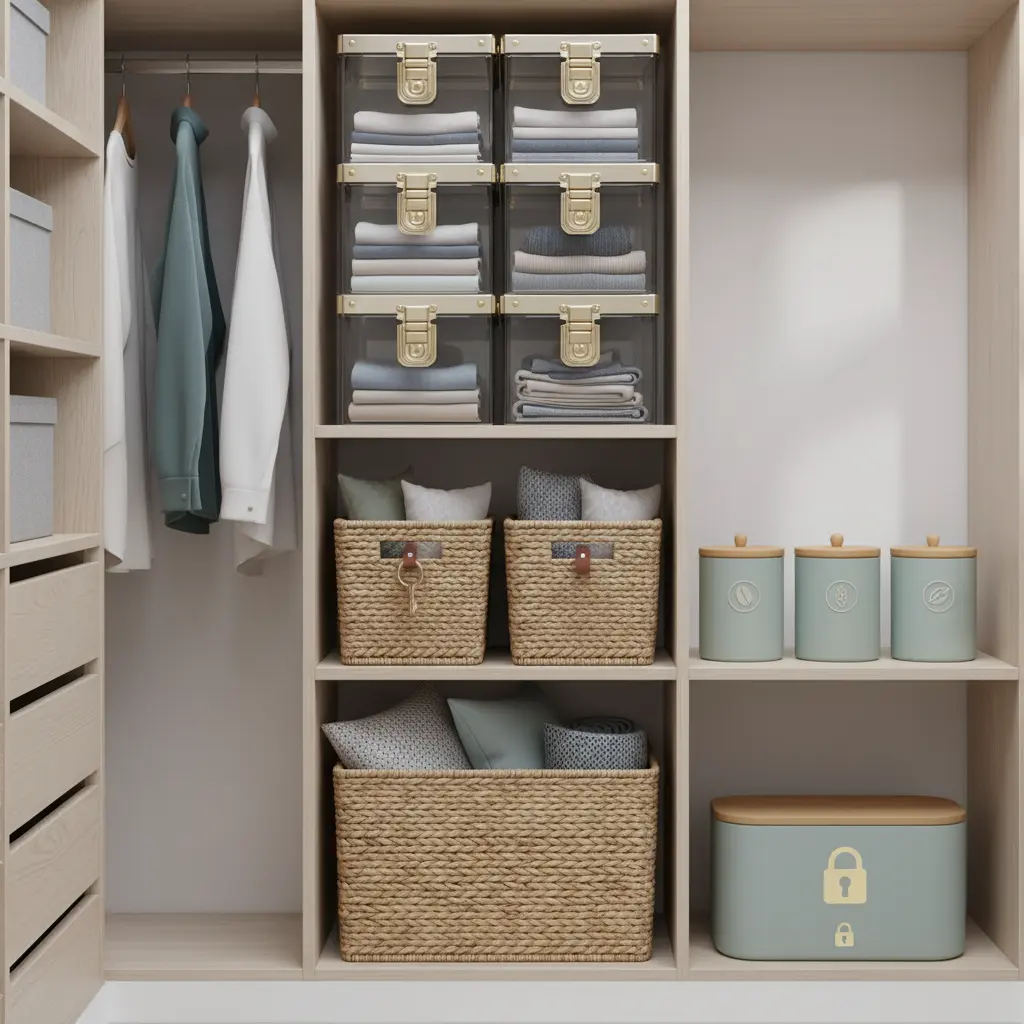

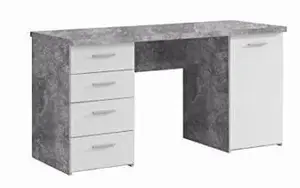
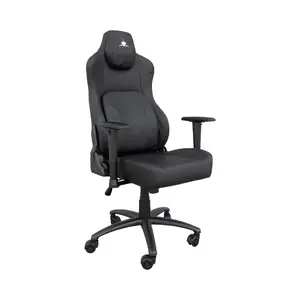
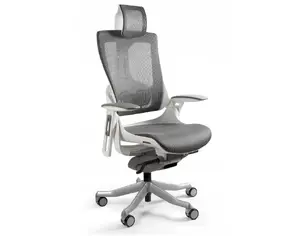
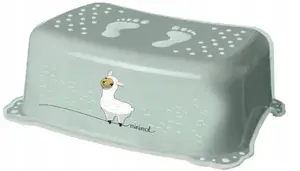
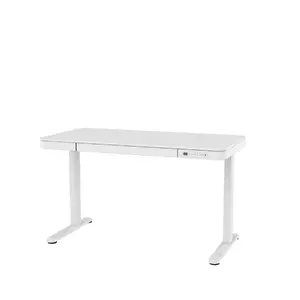
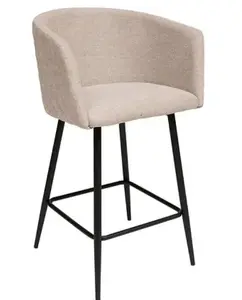
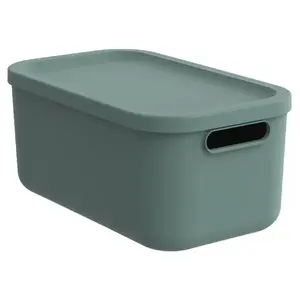


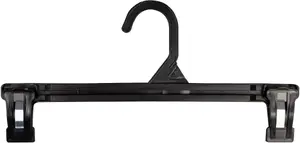
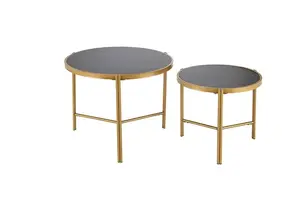

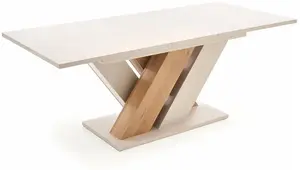
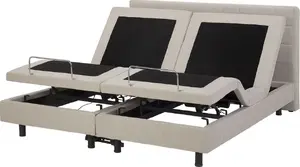
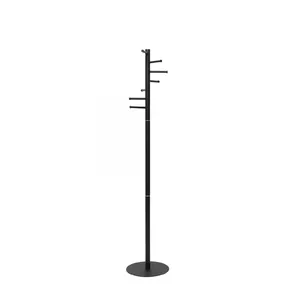

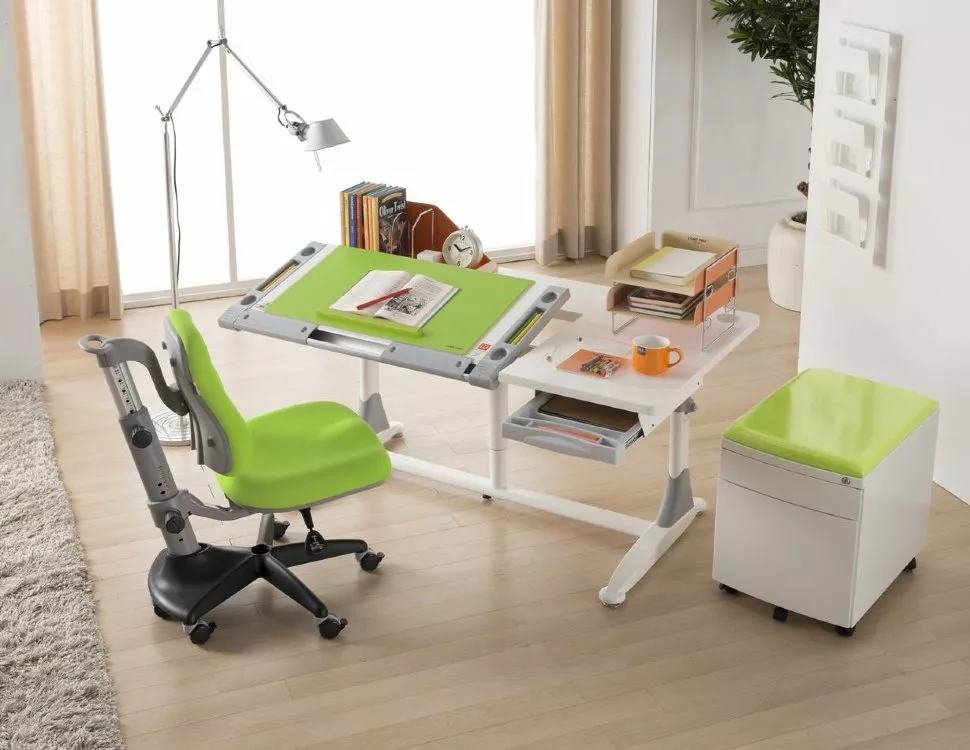
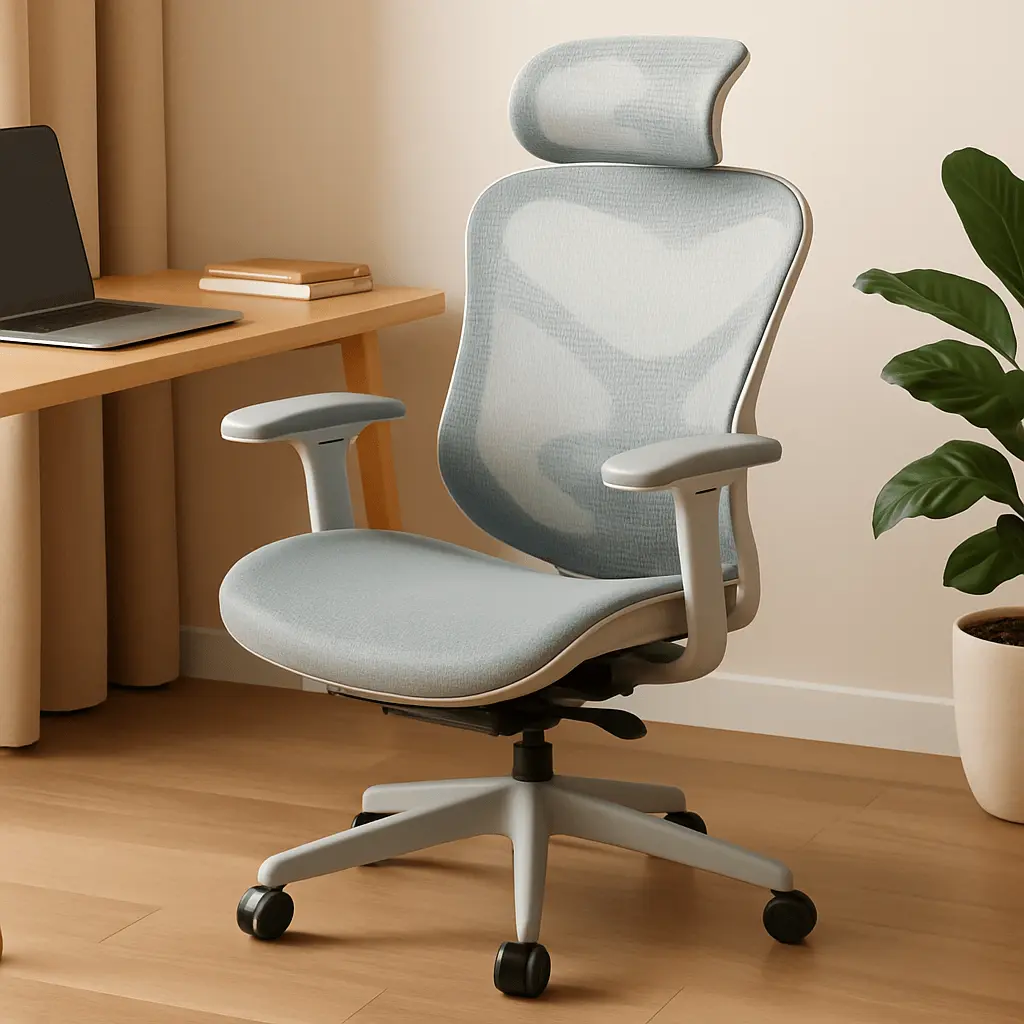
Furniture refers to movable objects intended to support various human activities such as seating, eating, sleeping, working and storing items. These products include chairs, tables, beds, cabinets and shelving, and are selected to fit functional requirements, spatial constraints and interior design. Furniture is used in homes, offices, public spaces and outdoor areas to create usable zones, organize belongings and provide ergonomic support. Selection often balances material, dimensions, durability and maintenance needs according to the intended use and frequency of use. Technical characteristics such as load capacity, assembly method and finish affect performance and lifespan, while compatibility with other interior elements determines practical integration.
Types of Furniture
Common categories of furniture include a variety of pieces designed for specific purposes and locations.
- Seating: armchairs, sofas, stools, benches and dining chairs.
- Tables: dining tables, coffee tables, side tables, desks and console tables.
- Beds and bedroom furniture: bed frames, mattresses, nightstands and wardrobes.
- Storage units: cabinets, dressers, bookcases, shelving systems and chests.
- Office furniture: desks, office chairs, filing cabinets and conference tables.
- Outdoor furniture: patio sets, garden benches and outdoor tables made for weather exposure.
What are Furniture used for?
Furniture provides functional support for daily activities and helps organize space. Seating enables rest and social interaction; tables provide surfaces for eating, working and placing objects; beds support sleep and rest; storage units keep items organized and accessible; office furniture supports productive work and ergonomic posture; outdoor furniture allows use of exterior areas. Each piece is chosen to fulfill one or more practical needs within a specific room or environment.
Key Differences between Furniture
Furniture varies by material, construction, size and intended use, which affect durability, maintenance and cost. Materials commonly include wood, metal, plastic, glass and upholstery fabrics or leathers, each offering different strength and care requirements. Construction methods such as solid joinery, engineered boards or modular systems influence load capacity and repairability. Size and style determine spatial fit and visual compatibility. Additional differences include indoor versus outdoor suitability and fixed versus adjustable or modular designs.
How to Choose Furniture?
Select furniture by assessing functional needs, available space and user requirements. Measure room dimensions and account for circulation paths before choosing sizes. Consider intended use frequency, load requirements and ergonomic factors like seat height and table clearance. Choose materials and finishes based on durability and maintenance preferences, and verify construction quality and warranty information. Evaluate assembly requirements and compatibility with other items in the space to ensure practical and safe integration.


