Dreame vacuums for fast and efficient cleaning!

{{ totalProductsCount }}
In cart {{totalProductsCount}} item(s)
In cart {{totalProductsCount}} item(s)
Total:
{{sum | formatAmount}}
Your cart is empty
Garden Products
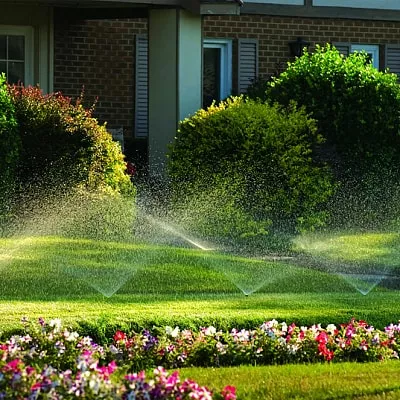
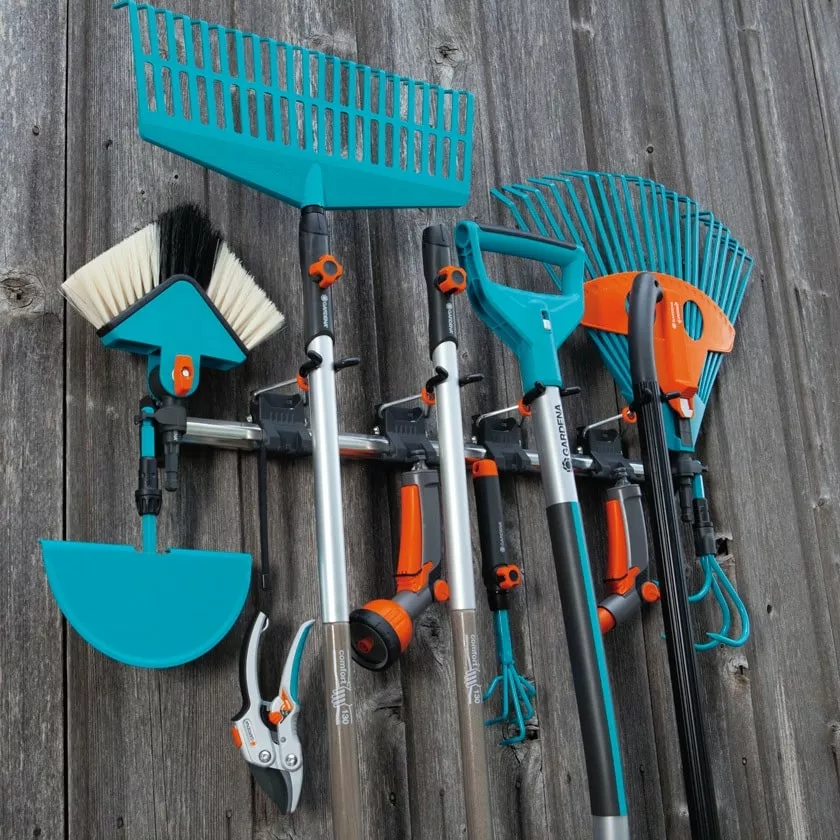
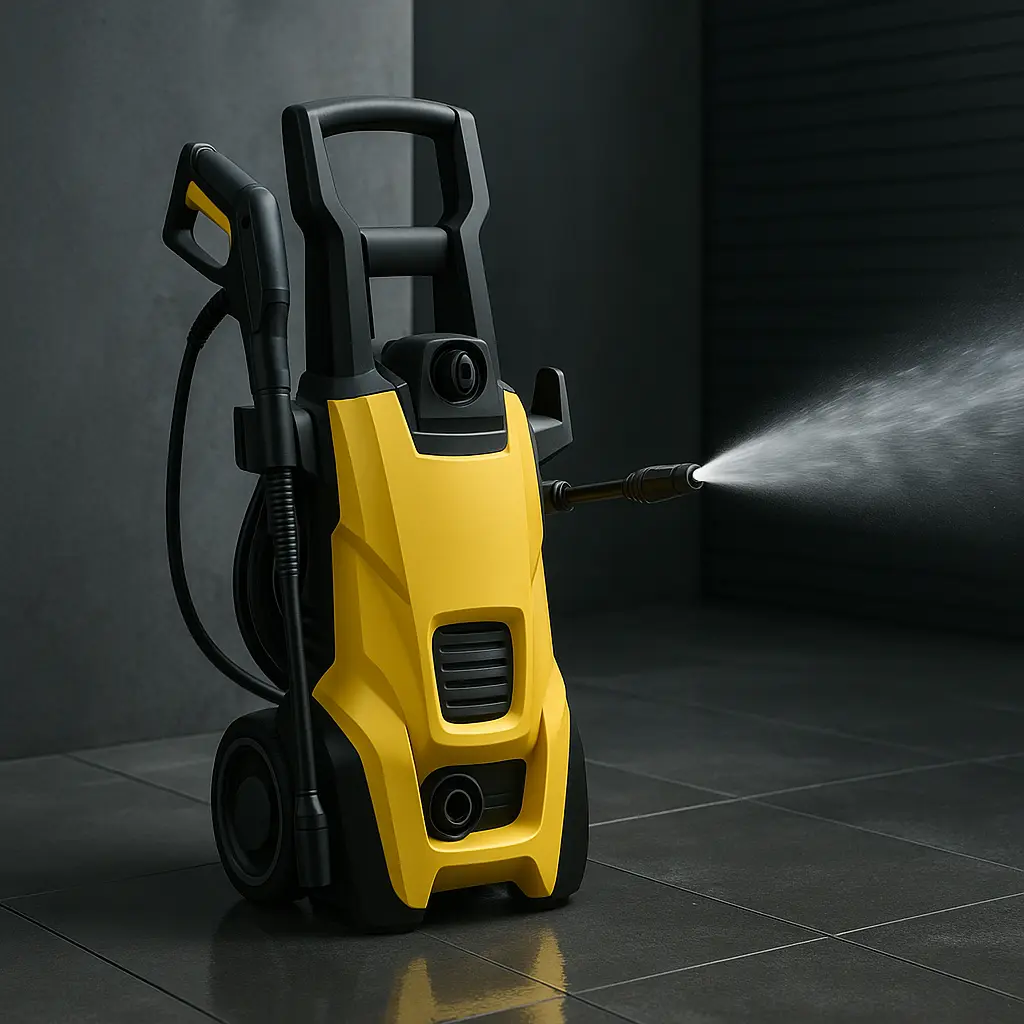
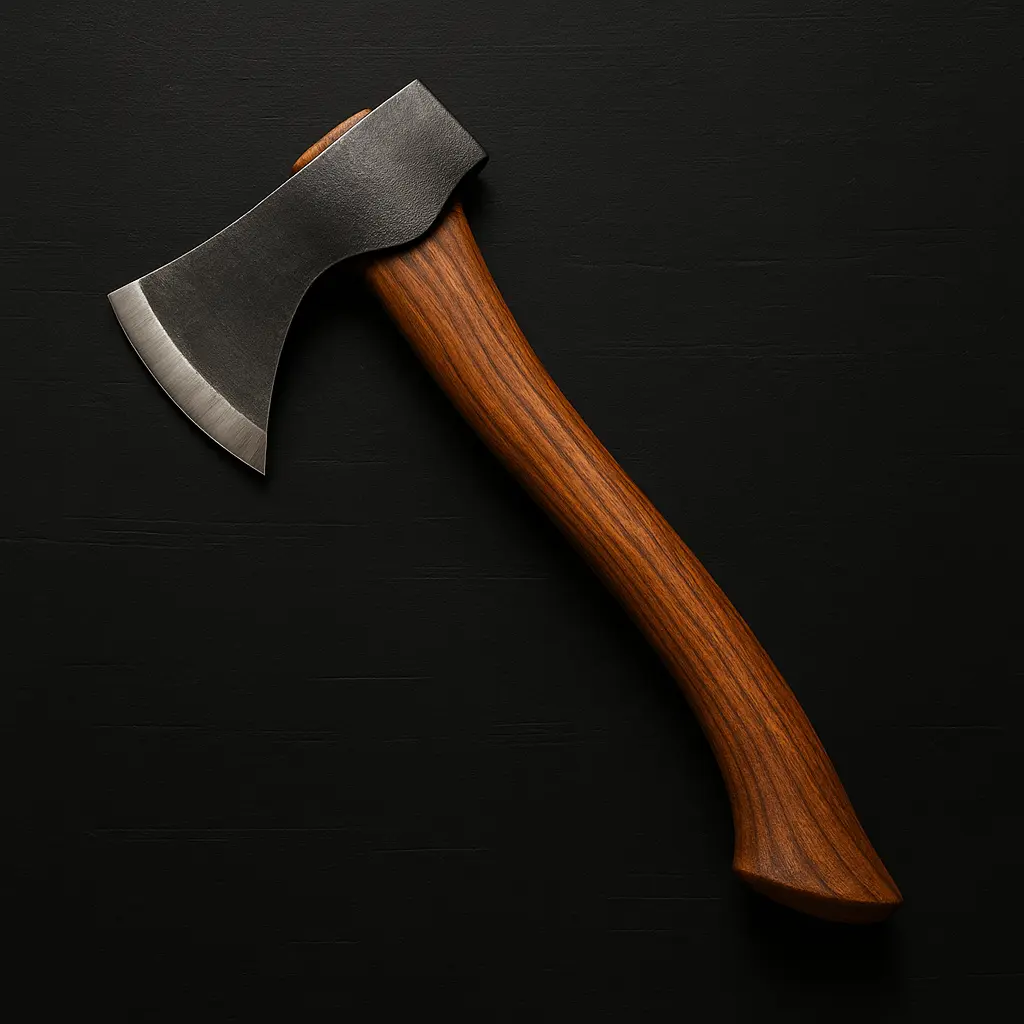
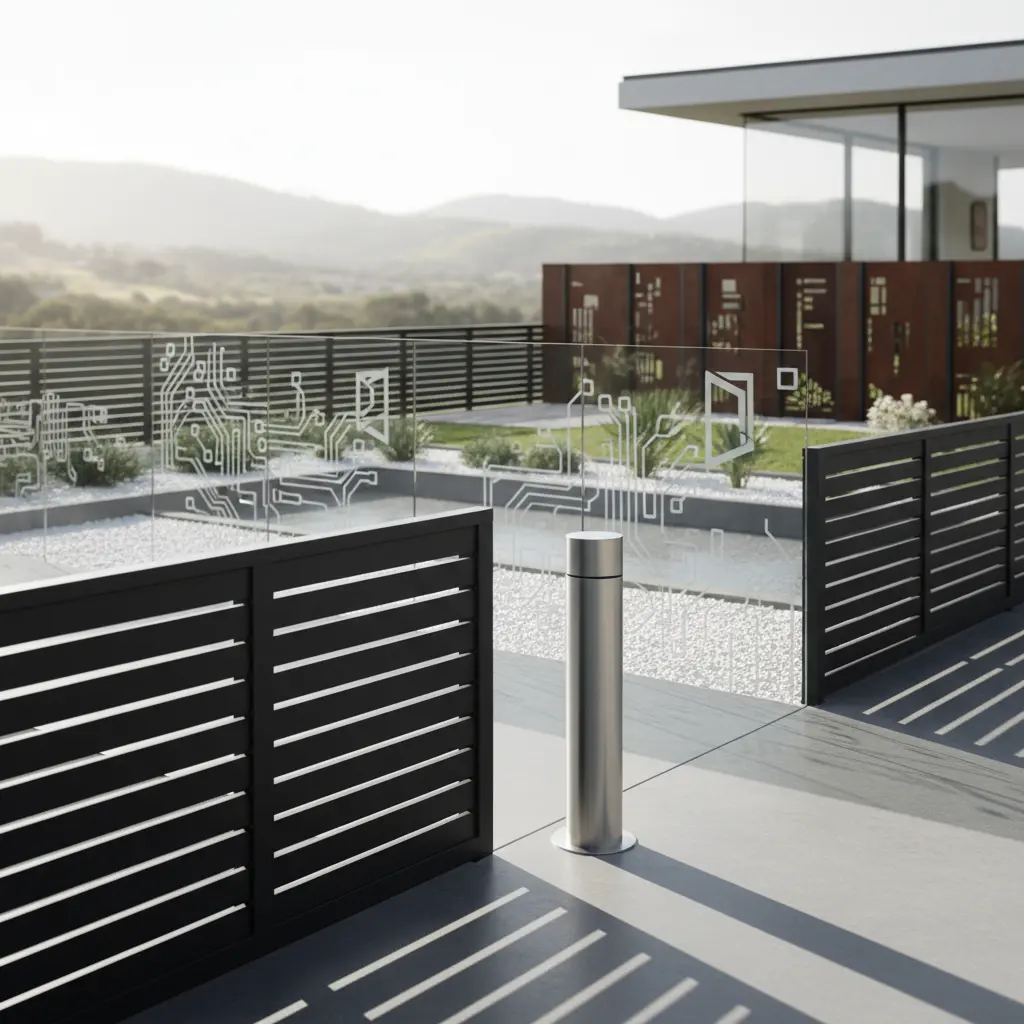
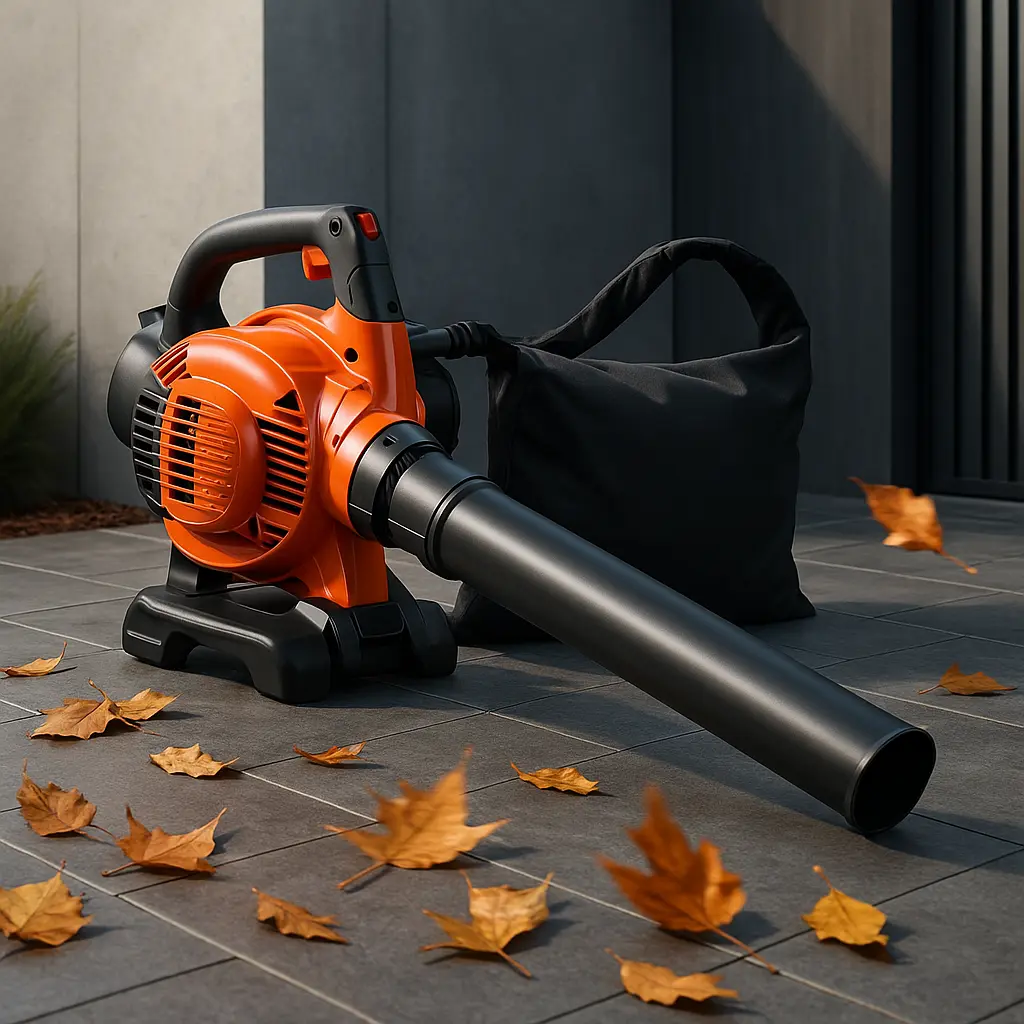
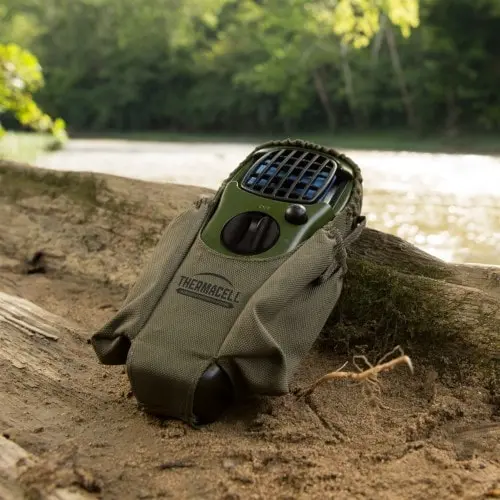
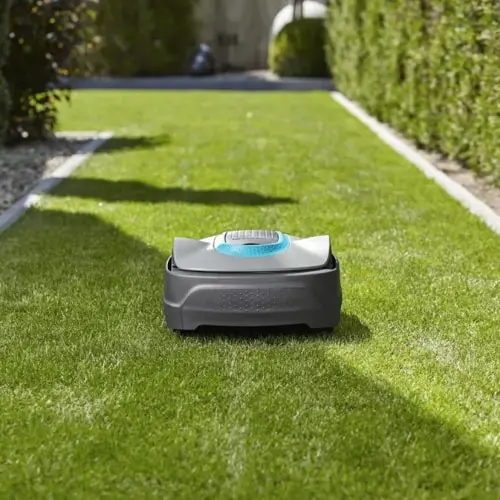

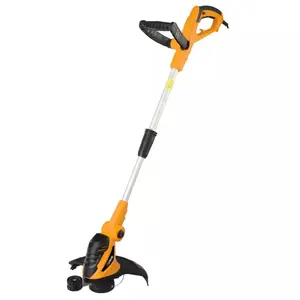
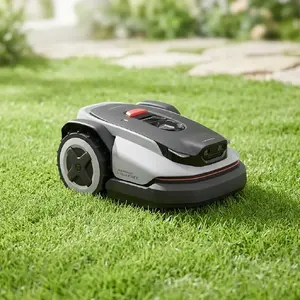
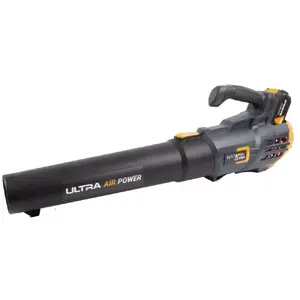
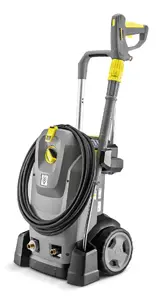
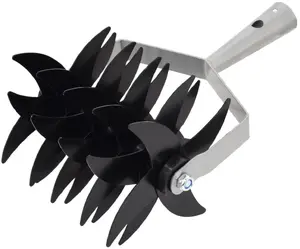
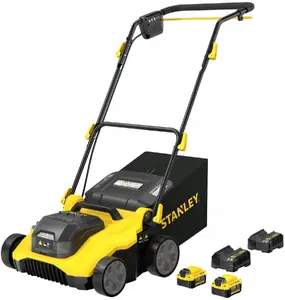
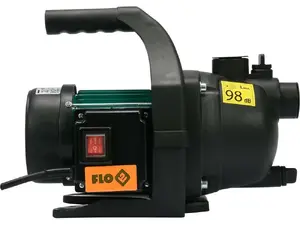
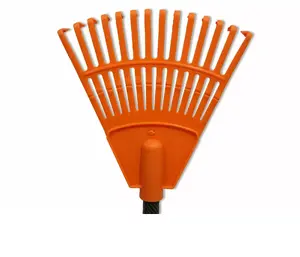
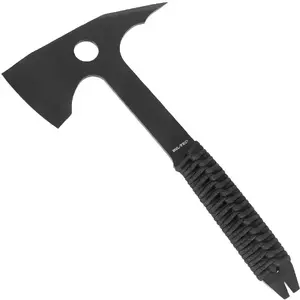


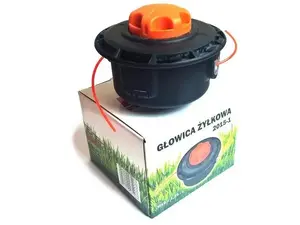
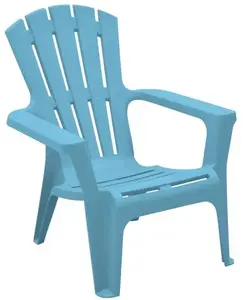
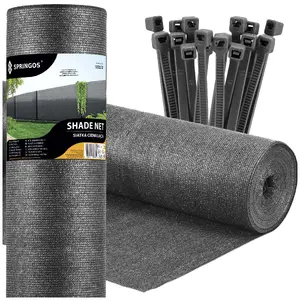
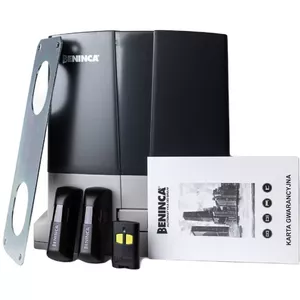
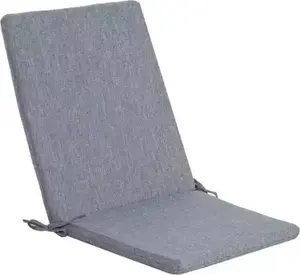
Gardening equipment comprises tools and machines designed to support planting, maintenance, soil care, irrigation, pruning and general upkeep of gardens, lawns and planted areas. These products range from simple hand tools to powered machines and irrigation components, and are selected according to garden size, plant types and maintenance needs. Gardeners and landscape professionals use this equipment to prepare soil, sow seeds, control weeds, trim plant material and manage water delivery. Many items are chosen for specific tasks such as edging, aeration, mulching or hedge shaping, while others provide general-purpose support for routine upkeep. Safety, ergonomics and appropriate power source are common considerations when selecting equipment for a particular garden or season.
Types of Gardening Equipment
Common categories of gardening equipment include:
- Hand tools: trowels, spades, forks, rakes, hoes and pruning shears for manual planting and soil work.
- Power tools and machines: lawn mowers, trimmers, chainsaws, leaf blowers and tillers for larger or more labor-intensive tasks.
- Irrigation and watering: hoses, sprinklers, drip systems, watering cans and timers for controlled water delivery.
- Soil and planting aids: seeders, compost turners, wheelbarrows and soil testers to prepare and manage growing media.
- Plant care and protection: supports, ties, frost covers, pest traps and fertiliser spreaders for plant health and protection.
What are Gardening Equipment used for?
Gardening equipment is used to perform specific tasks that keep planted areas healthy and functional. These tasks include soil preparation, planting and transplanting, weed control, pruning and shaping, lawn cutting and edge maintenance, and water management. Equipment also assists in seasonal work such as preparing beds for winter, aerating lawns in spring, and applying soil amendments. The right tool reduces manual effort, increases precision, and helps achieve consistent results in plant care and landscape maintenance.
Key Differences between Gardening Equipment
Differences among gardening tools relate to power source, size, intended task, and durability. Manual tools are simple and low-cost for small-scale or detailed work, while electric and petrol-powered machines offer higher productivity for larger areas. Precision tools (for pruning, planting or edging) differ from bulk tools (for moving soil or mulch). Materials and build quality affect longevity and maintenance needs; stainless steel or hardened steel components tend to resist wear, while plastic parts reduce weight. Ergonomic design and safety features distinguish items suited for frequent professional use from those for occasional home use.
How to Choose Gardening Equipment?
Select equipment by matching tool function to your garden’s size, plant types and routine tasks. Consider the following factors:
- Task requirement: choose specialised tools for pruning or edging and broader tools for soil movement or lawn care.
- Garden size and terrain: small plots may only need hand tools, while larger lawns often require powered mowers or trimmers.
- Power source and maintenance: compare manual, electric (corded or battery) and petrol options for convenience, runtime and upkeep.
- Build quality and ergonomics: select durable materials and comfortable grips to reduce fatigue and extend service life.
- Compatibility and accessories: check that attachments, blades, or irrigation fittings match existing equipment or planned tasks.


