A curated selection of maximum value offers!

{{ totalProductsCount }}
In cart {{totalProductsCount}} item(s)
In cart {{totalProductsCount}} item(s)
Total:
{{sum | formatAmount}}
Your cart is empty
Green Energy
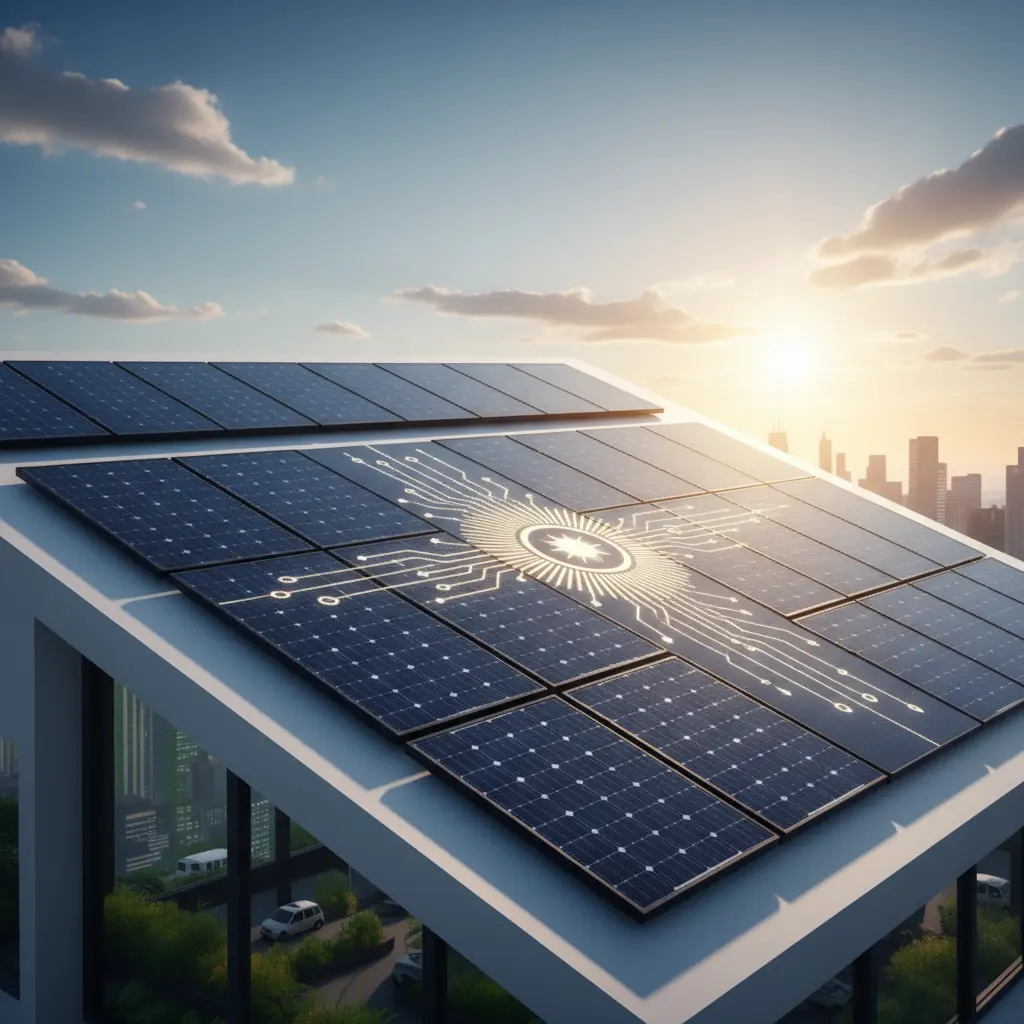
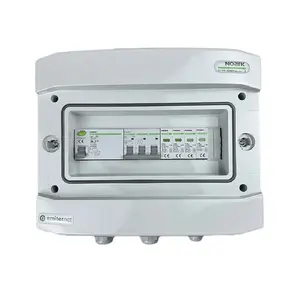
Green Energy refers to energy sources and technologies that rely on naturally replenished resources such as sunlight, wind, water flow and biological materials. These products include equipment, components and systems designed to generate, store, convert or manage electricity and heat with lower direct emissions compared with fossil-fuel based systems. Customers select green energy solutions for on-site power generation, reducing grid consumption, backup power, or integrating with building and industrial energy management. Typical use scenarios include residential solar installations, commercial rooftop or ground-mounted arrays, wind turbines for farms and remote sites, hydropower for small-scale applications, and biomass systems for heat or combined heat and power. Selection often depends on local resource availability, energy demand profile, budget, and regulatory or incentive frameworks.
Types of Green Energy
Common categories of green energy products include the following:
- Solar photovoltaic (PV) panels, inverters, mounting systems and balance-of-system components.
- Wind turbines, blades, controllers and tower systems for onshore small and medium installations.
- Hydropower equipment for micro and small hydro plants, including turbines and control units.
- Biomass and biogas systems such as boilers, gasifiers and anaerobic digesters used for heat and power.
- Energy storage solutions like battery systems, charge controllers and hybrid energy management units.
- Associated power electronics, monitoring systems and grid-tie or off-grid controllers.
What are Green Energy used for?
Green energy products are used to produce electricity and heat, store energy, and manage power flows in various settings. They serve residential homes, commercial buildings, agricultural operations and industrial sites seeking to meet specific energy needs. Use cases include primary power supply where grid access is limited, peak shaving and demand reduction to lower consumption from the grid, backup and emergency power during outages, and integration with electric vehicle charging or heating systems. Systems are chosen to match load profiles, seasonal resource patterns and operational requirements.
Key Differences between Green Energy
Differences among green energy technologies arise from energy source characteristics, scalability and application suitability. Solar PV generates direct current from sunlight and is modular for small to large installations; wind power depends on wind resource and is suitable where sustained wind speeds exist; hydropower requires flowing water and site-specific infrastructure; biomass systems use organic fuel streams and are more appropriate where feedstock is available. Other distinguishing factors include capital cost, installation complexity, maintenance needs, system lifetime, output variability, and requirements for storage or grid integration.
How to Choose Green Energy?
Selecting an appropriate green energy solution involves assessing site conditions, energy demand, budget, and regulatory context. Steps include measuring available renewable resources (solar irradiance, wind speed, water flow, biomass supply), calculating average and peak energy loads, determining whether on-grid, off-grid or hybrid operation is needed, and evaluating storage needs. Review technical specifications such as efficiency, durability, warranties and compatibility with existing electrical systems. Consider installation complexity, ongoing maintenance, safety standards and any local incentives or permitting requirements. Where needed, consult certified installers or engineers to develop a system design and cost estimate tailored to specific operational goals.


