Save time and money with our discounts!

{{ totalProductsCount }}
In cart {{totalProductsCount}} item(s)
In cart {{totalProductsCount}} item(s)
Total:
{{sum | formatAmount}}
Your cart is empty
Large appliances
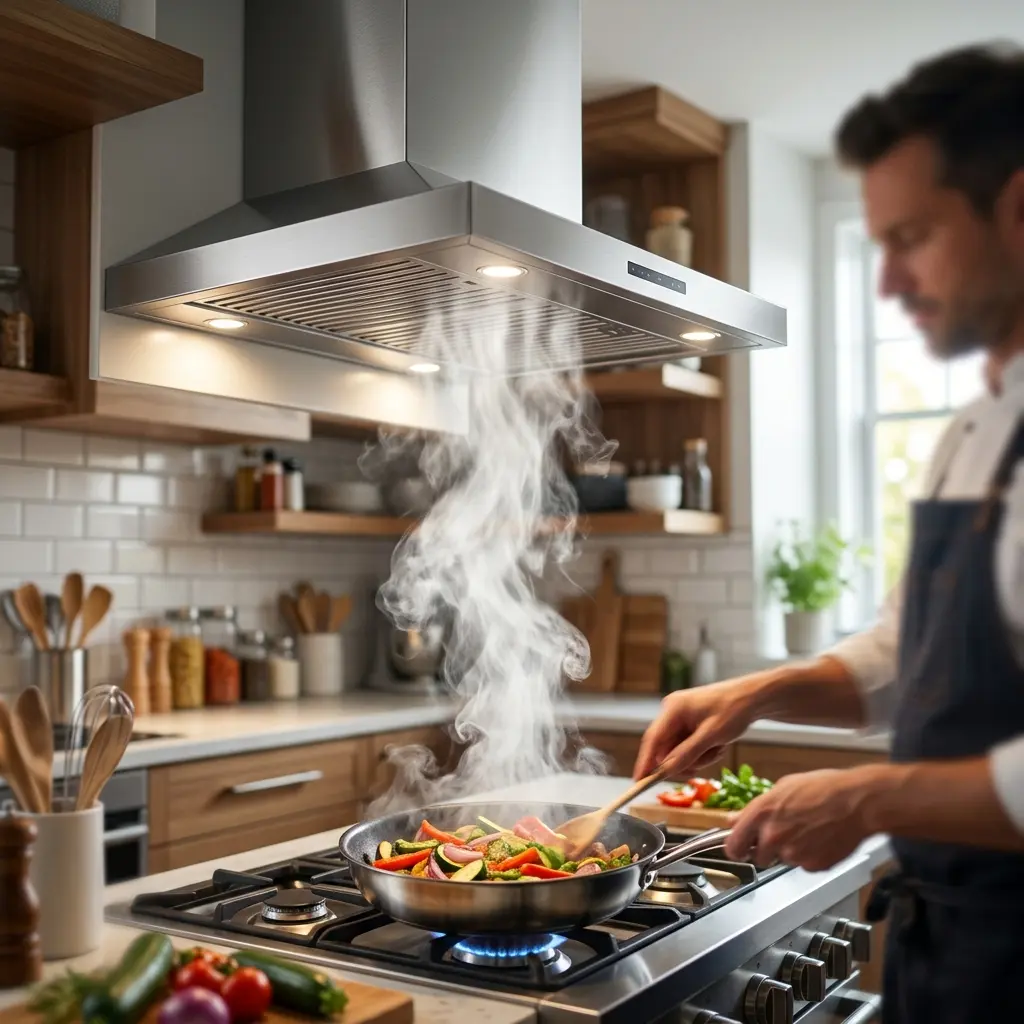
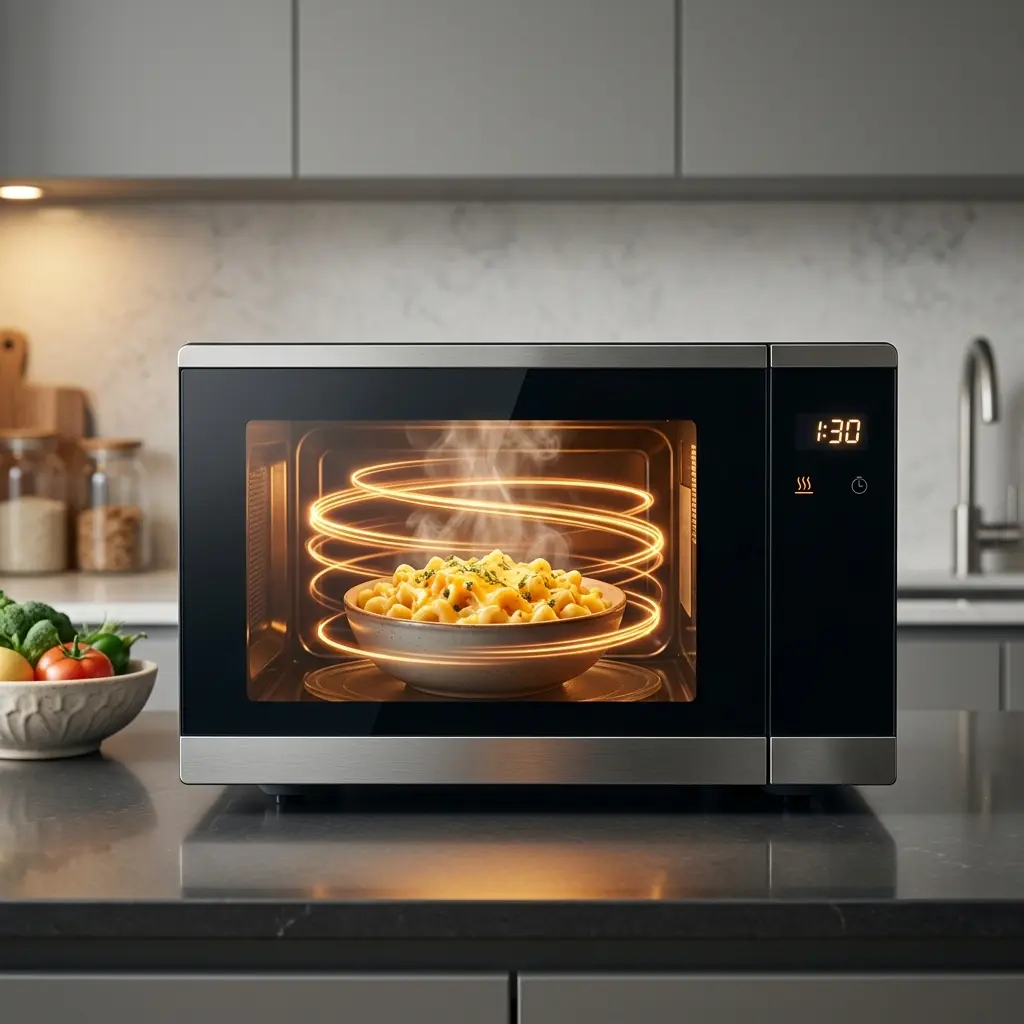
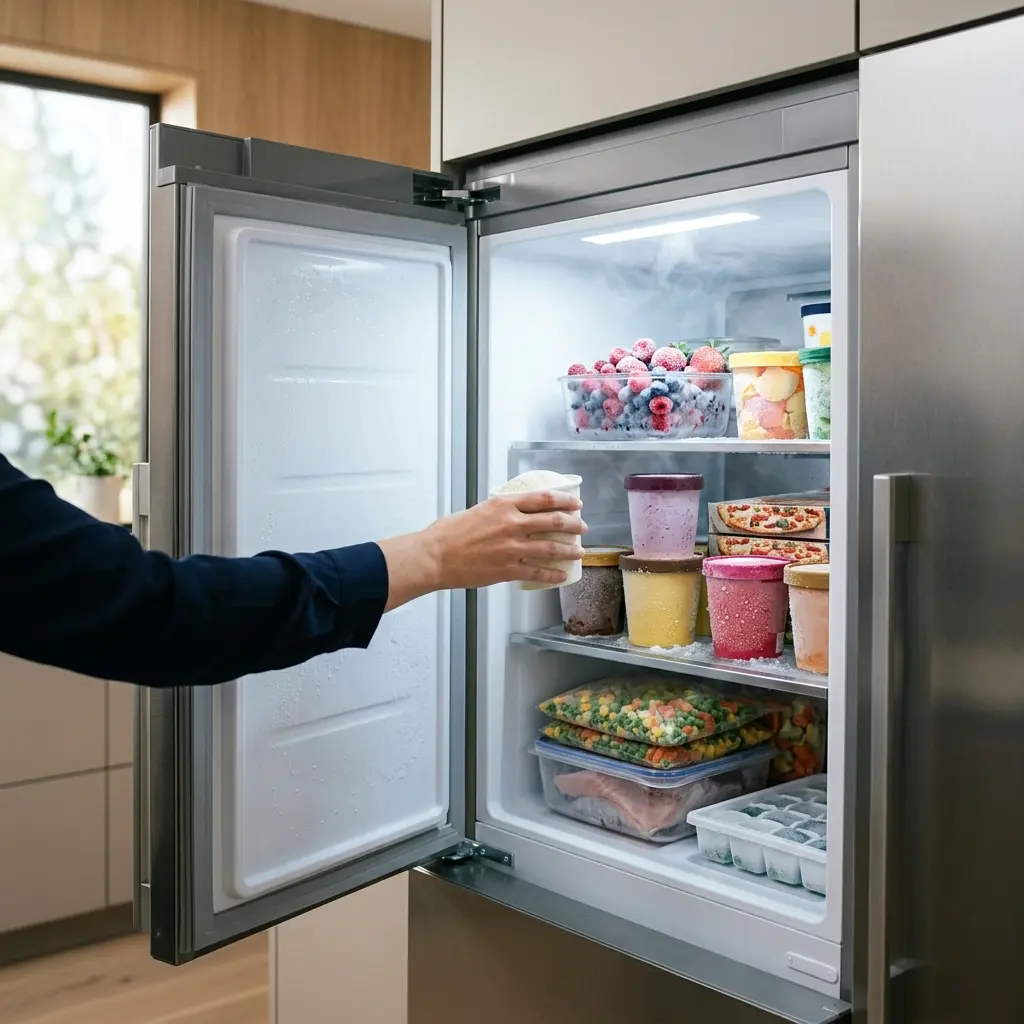
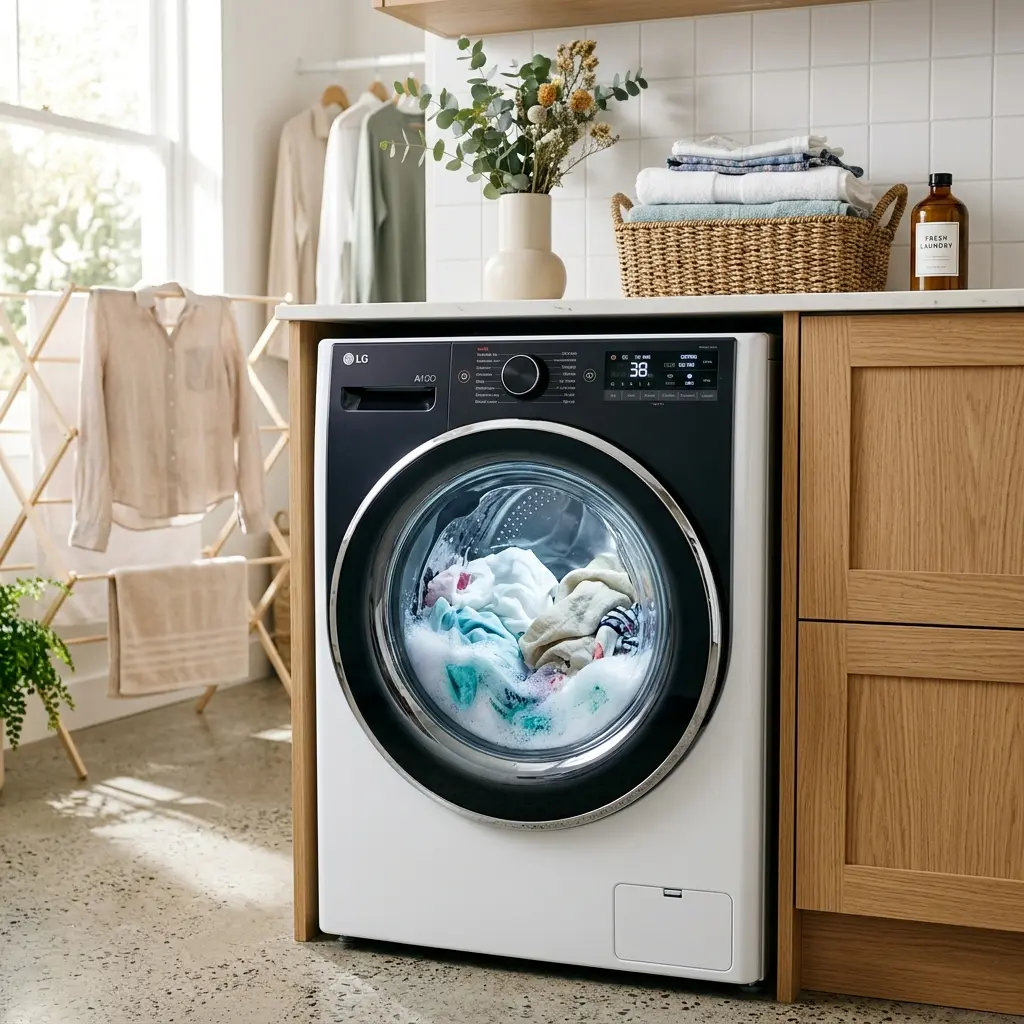
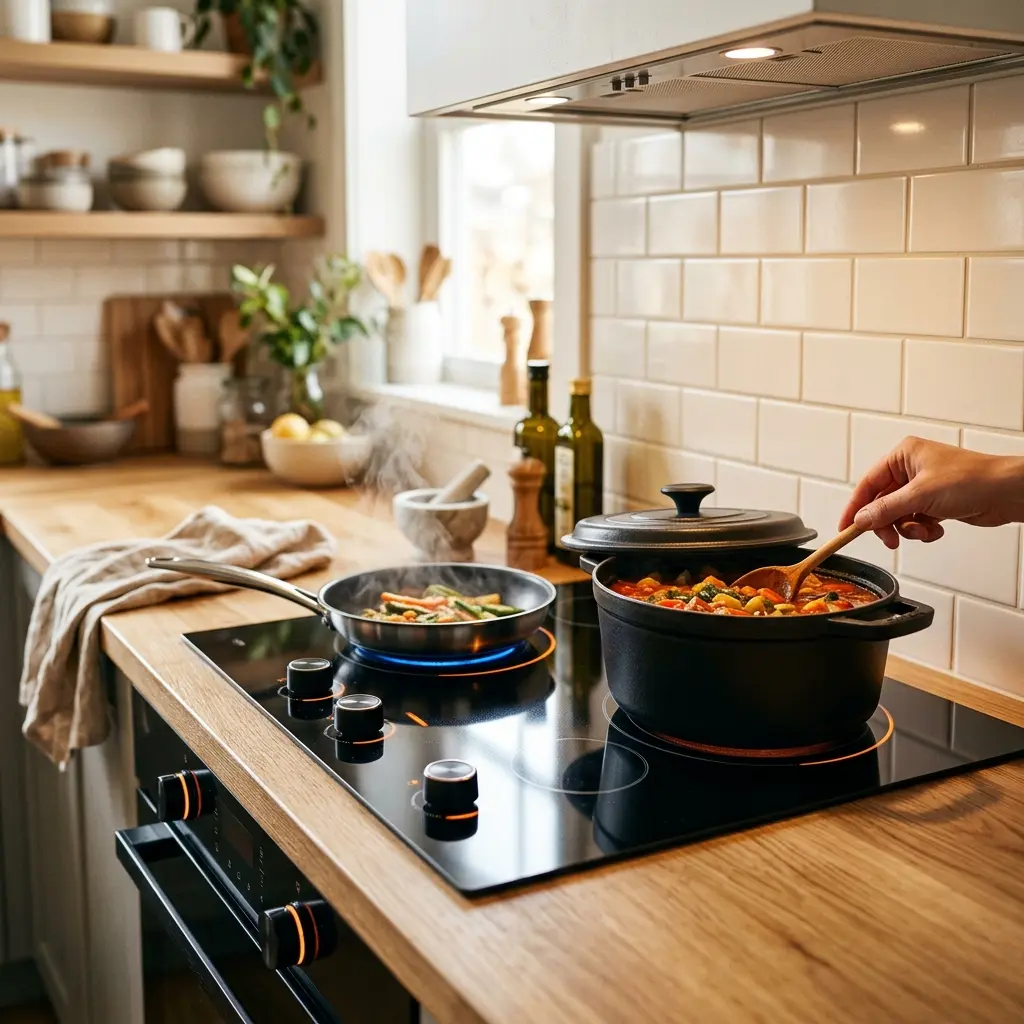
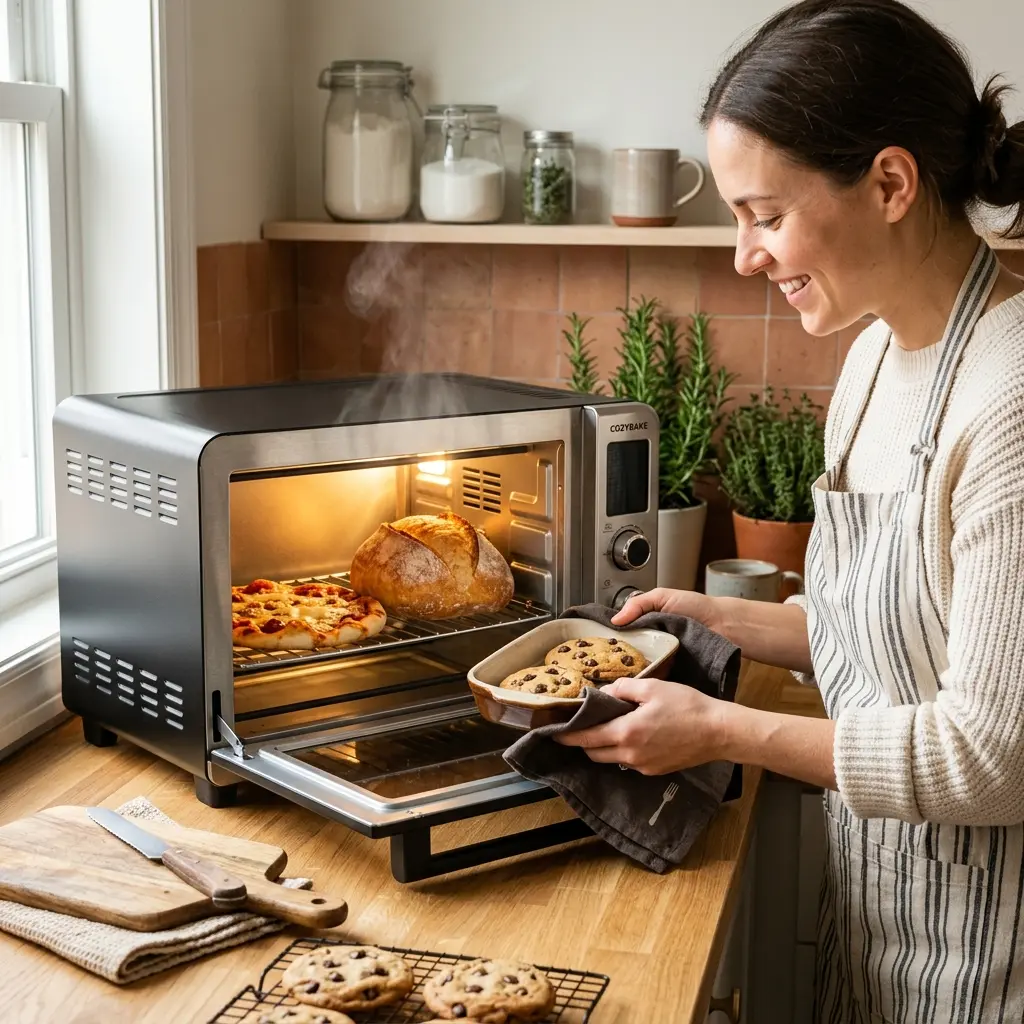
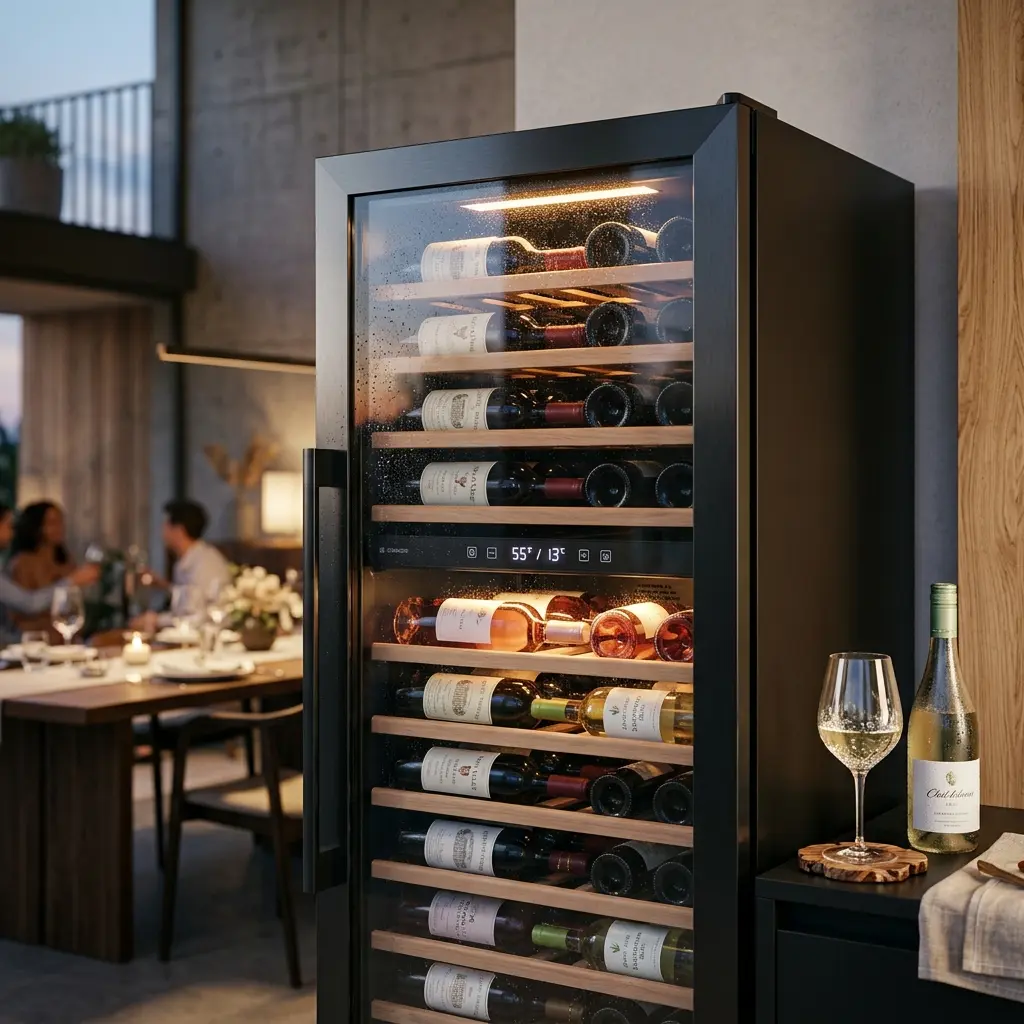
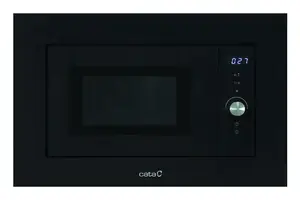
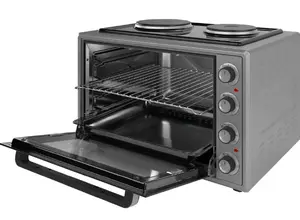
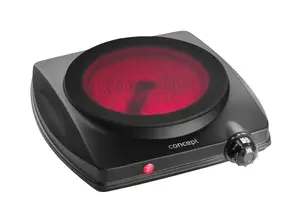
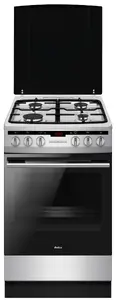
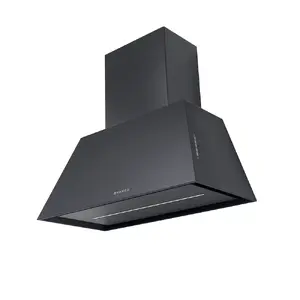
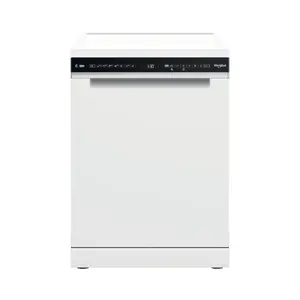
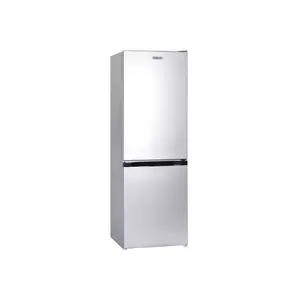
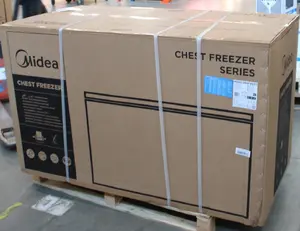
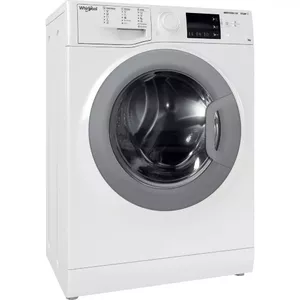

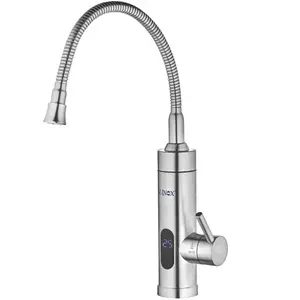

Large appliances are household and professional machines designed to perform major functions such as food preservation, cooking, laundry care, and dishwashing. These durable, high-capacity products are typically installed or freestanding units that require electrical, gas, or water connections and are chosen when regular, heavy-duty tasks need reliable automated operation. Common settings for large appliances include homes, multi-family dwellings, and small commercial or institutional kitchens and laundry areas where capacity and continuous use matter. Customers select these products based on capacity, energy and water efficiency, available installation space, and the specific tasks the appliance will perform. Large appliances are valued for their ability to handle repeated, time-consuming chores with minimal manual intervention and consistent results. Maintenance, installation requirements, and compatibility with existing utilities are important considerations when planning purchase and placement.
Types of large appliances
Large appliances include a range of distinct device categories that cover food storage, cooking, cleaning, and textile care. The most common types are:
- Refrigerators and freezers — upright, built-in, side-by-side, bottom- and top-freezer units for cold storage and freezing.
- Cooking appliances — ovens, cooktops, ranges, and built-in ovens that use electricity or gas for baking and cooking.
- Dishwashers — freestanding or built-in machines for automated dishwashing and sanitizing.
- Washing machines — front- or top-load machines for washing textiles with different programs and capacities.
- Tumble dryers and washer-dryer combinations — machines for removing moisture from washed textiles, including vented, condenser, and heat-pump dryers.
- Freezers and wine coolers — dedicated units for long-term freezing or temperature-controlled storage for beverages.
- Range hoods and ventilation units — appliances for extracting cooking vapors and improving kitchen air quality.
What are large appliances used for?
Large appliances perform essential household and light-commercial tasks that require substantial capacity and power. They are used to store perishable food safely at controlled temperatures, prepare and cook meals, clean tableware and cookware, and launder clothing and household textiles. In professional settings, similar appliances serve to support food-service operations, care facilities, and small-scale laundry services where durability and throughput are needed. These appliances reduce manual labor by automating repetitive processes and provide consistent, measurable performance through selectable programs and settings.
Key differences between large appliances
Differences among large appliances arise from capacity, energy use, installation type, and functionality. Capacity describes the internal volume or load size and affects how much the appliance can process at once. Energy and water efficiency determine operating cost and environmental impact and are often expressed via standardized ratings. Installation type distinguishes built-in units that integrate into cabinetry from freestanding models that are installed independently. Additional functional differences include available programs, temperature control precision, drying methods, noise level, and connectivity or smart features. Reliability, maintenance needs, and compatibility with home utilities (electrical voltage, gas lines, water connections, and ventilation) further separate models and influence suitability for specific uses.
How to choose large appliances?
Choosing large appliances requires assessing household or facility needs, installation constraints, and long-term operating costs. Start by measuring available space and verifying electrical, gas, and plumbing connections. Match appliance capacity to typical load sizes and frequency of use: larger capacities suit families and shared facilities, while smaller models may fit single-person households. Compare energy and water efficiency labels and estimated annual consumption to estimate running costs. Consider installation type (built-in vs freestanding), required ventilation, noise limits for living areas, and available features such as program variety, temperature control, and smart connectivity. Finally, review warranty terms, service requirements, and user-accessible maintenance tasks like filter cleaning or lint removal to ensure sustained performance over the appliance’s lifetime.


