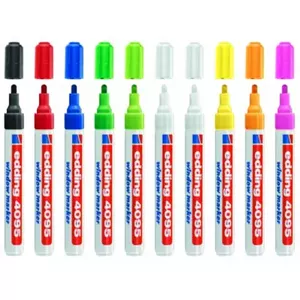
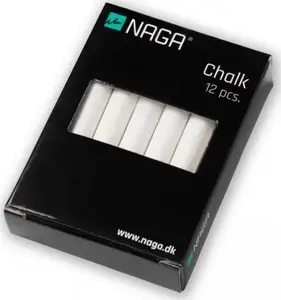
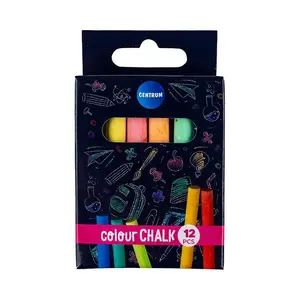
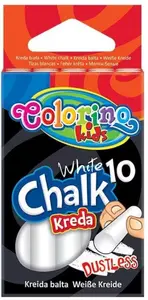
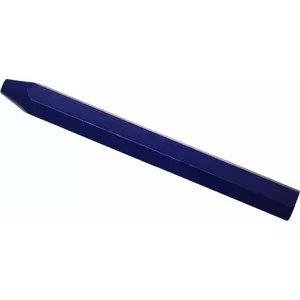
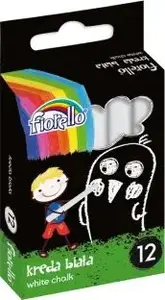
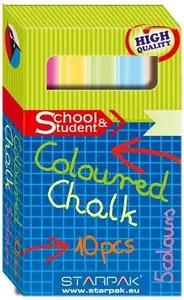
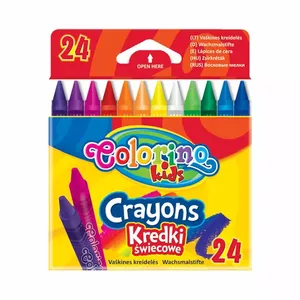
Crayons are solid drawing tools composed primarily of wax combined with pigments and, in some formulations, additives that modify hardness and color intensity. They are designed for marking and coloring on paper and other absorbent surfaces and are commonly used in educational, artistic, and recreational settings where simple, controllable color application is required. Crayons are chosen for activities that demand ease of use, low mess, and durable, smear-resistant marks; different formulations address needs such as vivid color, blending, or safe use by young children. Users select crayons for school projects, sketching, color-coding, and basic illustration work because they require minimal setup and do not need solvents or additional tools. Crayons are manufactured in a range of sizes, shapes, and color sets to suit individual preferences and specific tasks while offering consistent performance for laypersons and professionals who need straightforward color application.
Types of Crayons
Common types of crayons vary by formulation, shape, and intended use.
- Wax crayons: Standard crayons made from paraffin or other waxes mixed with pigments; available in many colors and conventional stick shapes.
- Oil-based crayons: Use oil or oil-wax blends for smoother application and stronger pigment saturation; often used for richer color and layering.
- Water-soluble (watercolor) crayons: Contain pigments that dissolve or disperse with water to create wash effects after wetting.
- Beeswax and natural wax crayons: Made with natural waxes and often marketed for reduced synthetic content and different texture.
- Triangular, jumbo, and ergonomic crayons: Differing shapes and sizes designed for better grip or for young children with developing motor skills.
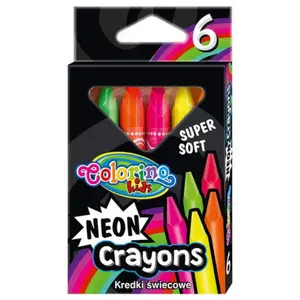
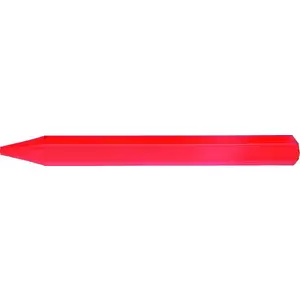
- Specialty crayons: Includes metallic, neon, glitter, and fabric-safe formulations created for specific surfaces or visual effects.
What are Crayons used for?
Crayons are used in multiple contexts where simple color application is required.
- Early childhood education and preschool activities for developing fine motor skills and color recognition.
- School art classes and projects that require easy-to-control color application on paper and cardboard.
- Adult sketching and preliminary color studies where quick, portable media are preferred.
- Crafts and DIY projects involving decoration of paper, wood, and some fabrics when using fabric-safe types.
- Color-coding, labeling, and marking in informal or temporary contexts where permanent inks are unnecessary.
Key Differences between Crayons
Differences among crayons arise from composition, intended surface, and ergonomic design.
- Composition: Wax, oil-based, and water-soluble formulations affect hardness, blending ability, and color intensity.
- Pigment load: Higher pigment concentration produces more vivid, opaque marks, while lower concentrations yield lighter tones.
- Shape and size: Standard sticks, jumbo, and triangular shapes influence grip, control, and suitability for different age groups.
- Surface compatibility: Some crayons are formulated specifically for paper, while others are suitable for fabric, wood, or non-porous surfaces.
- Safety and additives: Non-toxic certifications, allergen-free formulations, and added fragrances or glitter change suitability for children and sensitive users.
How to Choose Crayons?
Choosing crayons depends on the user’s age, the project’s requirements, and desired visual effects.
- Identify the intended surface and application—select fabric-safe or specialty crayons for non-paper materials.
- Consider the user’s age and grip: jumbo or ergonomic shapes aid young children, while slimmer sticks suit detailed work.
- Decide on color range and pigment strength: larger sets provide variety; higher-pigment crayons give bolder results.
- Check formulation details for water-solubility, blendability, and permanence based on whether washes or layering are needed.
- Review safety information such as non-toxic labeling and ingredient lists if the product will be used by small children.
Why is it worth buying chalks at AiO.lv?
Order online at AiO.lv at a good price, with delivery across Latvia and to other EU countries. We deliver to Riga, Daugavpils, Liepāja, Jūrmala, Ventspils and other cities. We offer products from leading manufacturers.
- Official warranty and proven quality.
- Convenient payment methods, including instalments and credit.
- Fast, reliable delivery across Latvia and to other EU countries.
FAQ
Where can you find a chalks with cheap prices?
You can buy cheaper at the AiO.lv online store. We offer competitive prices and regular discounts, so you always have the chance to find a great deal.
What is the delivery time for chalks?
If you place your order today, delivery will take between 1 and 5 business days depending on the chosen method.
How long is the warranty period for chalks?
Our store provides an official manufacturer’s warranty ranging from 12 to 36 months, depending on the model and brand. If needed, you can always contact our customer service department or the manufacturer’s authorized service center for support.
Are chalks purchasable with leasing?
Yes, if the selected product costs more than €50. You can learn more about installment purchase options and the terms of application on the
Payment page.
Can chalks be purchased for a company (with VAT)?
Yes. AiO.lv works with legal entities in Latvia and throughout Europe. All product prices are shown with VAT included. In certain cases, a 0% VAT rate may apply — for example, when purchasing from other EU countries with a valid VAT number. We issue an invoice immediately after the order is placed, support BIS electronic invoices, and automatically generate all required accounting documents. To complete a purchase for a company, simply select the company profile during checkout.