Save time and money with our discounts!

{{ totalProductsCount }}
In cart {{totalProductsCount}} item(s)
In cart {{totalProductsCount}} item(s)
Total:
{{sum | formatAmount}}
Your cart is empty
Stationery







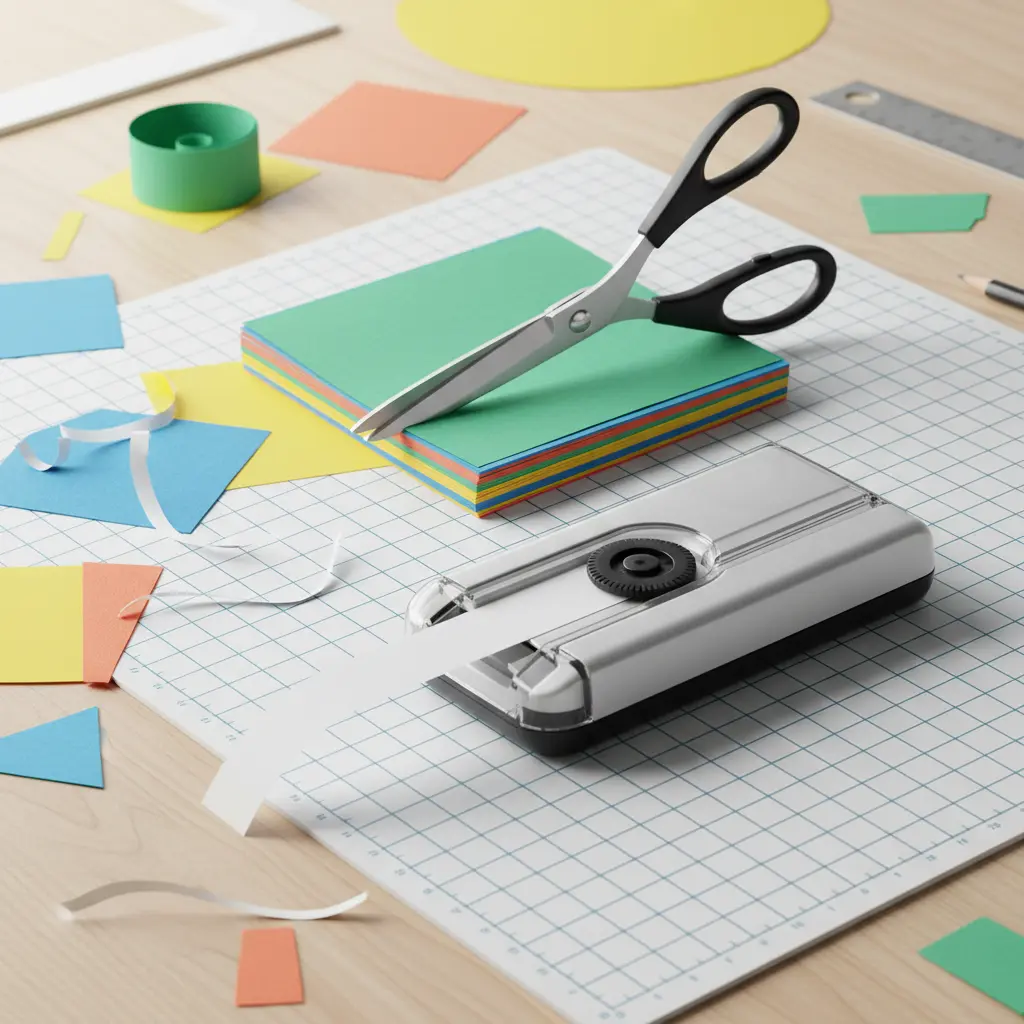

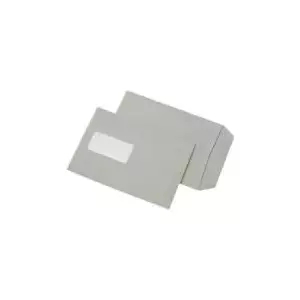
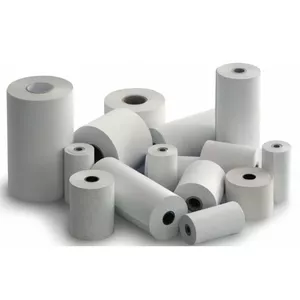

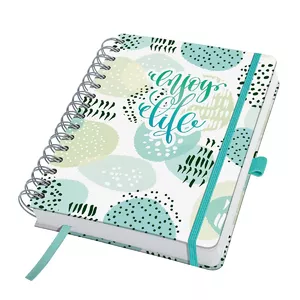




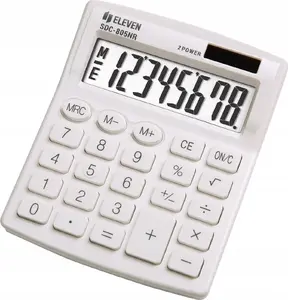

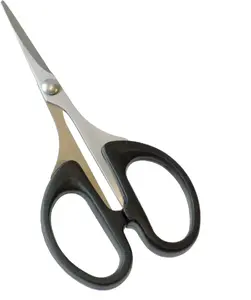


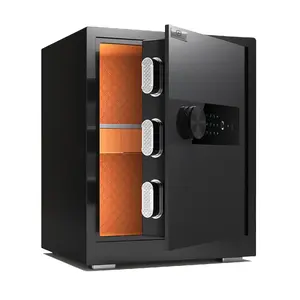
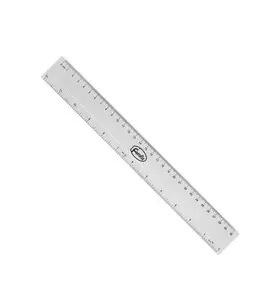




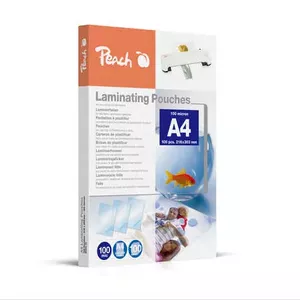
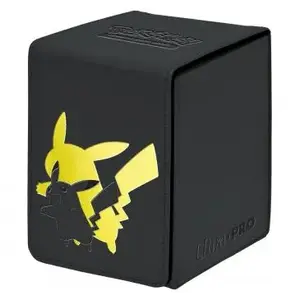
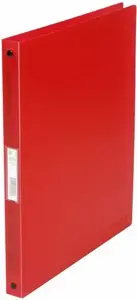

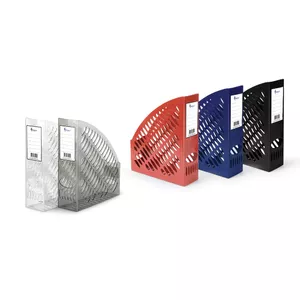
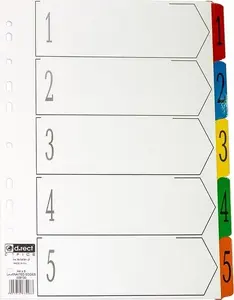
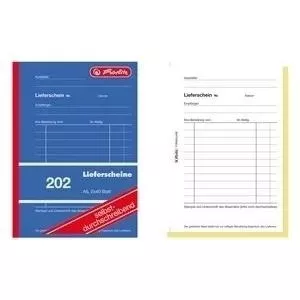
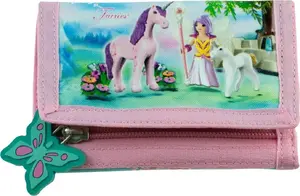



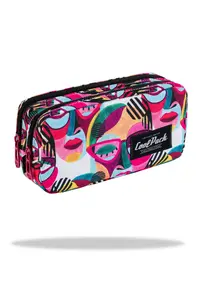
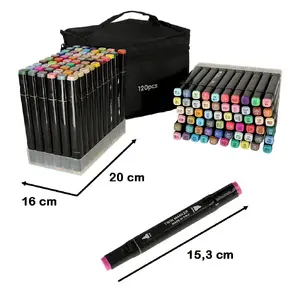
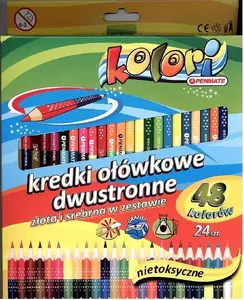



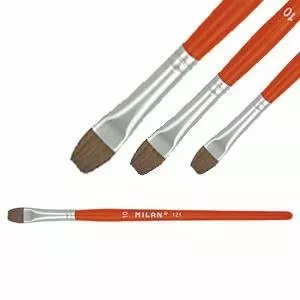
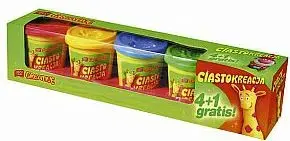
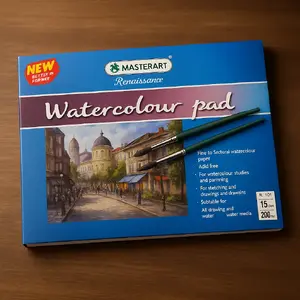
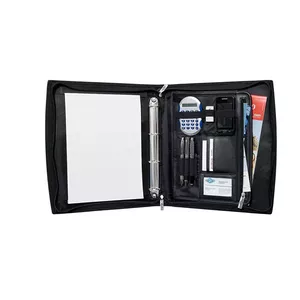


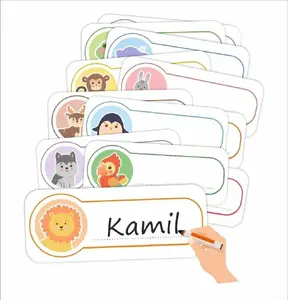
Stationery refers to paper-based and small office goods used for writing, printing, organizing, and communication in home, school, and office environments. This category includes basic consumables and reusable tools designed to support everyday tasks such as note-taking, correspondence, document handling, and planning. Stationery items are selected for their function, compatibility with devices (for example, paper size for printers), durability, and cost-effectiveness. Typical purchase scenarios include stocking desks, preparing school supplies, running administrative work, and supporting creative or professional projects. Buyers generally choose stationery based on task requirements, material quality, and ergonomic or aesthetic preferences.
Types of Stationery
The Stationery category covers a range of product groups and formats. Common subtypes include:
- Pens and pencils — ballpoint, gel, fountain, mechanical pencils, and related refills.
- Paper products — copy paper, notebooks, notepads, sticky notes, envelopes, and specialty paper for printing.
- Office supplies — staplers, paper clips, binder clips, folders, binders, and filing accessories.
- Desk accessories — rulers, scissors, hole punchers, tape dispensers, and desk organisers.
- Labels and adhesives — self-adhesive labels, glue sticks, liquid glue, and mounting tape.
- Writing accessories — erasers, sharpeners, correction tapes, and highlighters.
What are Stationery used for?
Stationery items serve practical functions in everyday tasks across educational, professional, and domestic settings. They are used to record and organize information, produce printed materials, prepare paperwork, and facilitate communication by mail or hand-delivered notes. In offices, stationery supports administrative workflows such as filing, meeting preparation, and document distribution. In schools and homes, stationery enables learning activities, homework, craft projects, and personal organization. Some stationery also supports specialized uses like archival storage, legal document handling, and creative design.
Key Differences between Stationery
Differences among stationery products arise from materials, format, size, and intended use. Paper differs by weight (grammage), finish (coated or uncoated), and size (A-series, letter, legal). Writing instruments vary by ink type, tip size, and refillability. Office supplies differ in capacity (staple size, binder ring diameter), durability, and ergonomics. Adhesives vary in strength and drying time. Packaging and quantity (single items, refill packs, bulk boxes) also affect suitability and cost per unit. Environmental attributes, such as recycled content or certification, can further distinguish products.
How to Choose Stationery?
Selecting suitable stationery requires matching product features to intended tasks and volume of use. Consider these practical criteria:
- Function: choose paper weight and size for printing needs; pick pens with ink type appropriate for writing speed and permanence.
- Compatibility: ensure paper dimensions and envelopes match printers and filing systems; select refills compatible with existing pens and dispensers.
- Durability and ergonomics: select staplers, scissors, and tools with the required capacity and comfortable handling for frequent use.
- Quantity and cost: buy single items for occasional use or multipacks and bulk boxes for regular consumption to lower unit cost.
- Environmental and safety factors: check recycled content, FSC/PEFC labels, and non-toxic inks or adhesives where relevant.


