Dreame vacuums for fast and efficient cleaning!

{{ totalProductsCount }}
In cart {{totalProductsCount}} item(s)
In cart {{totalProductsCount}} item(s)
Total:
{{sum | formatAmount}}
Your cart is empty
School Supplies
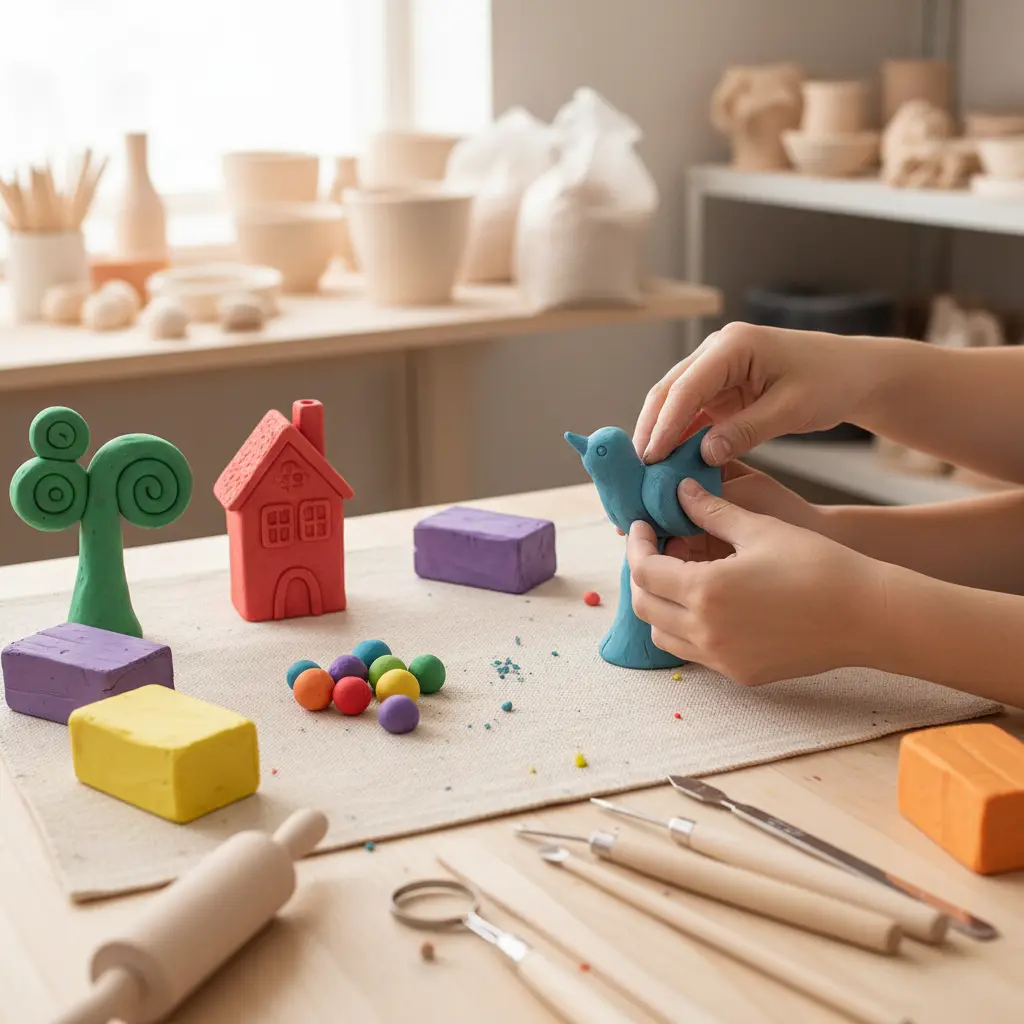
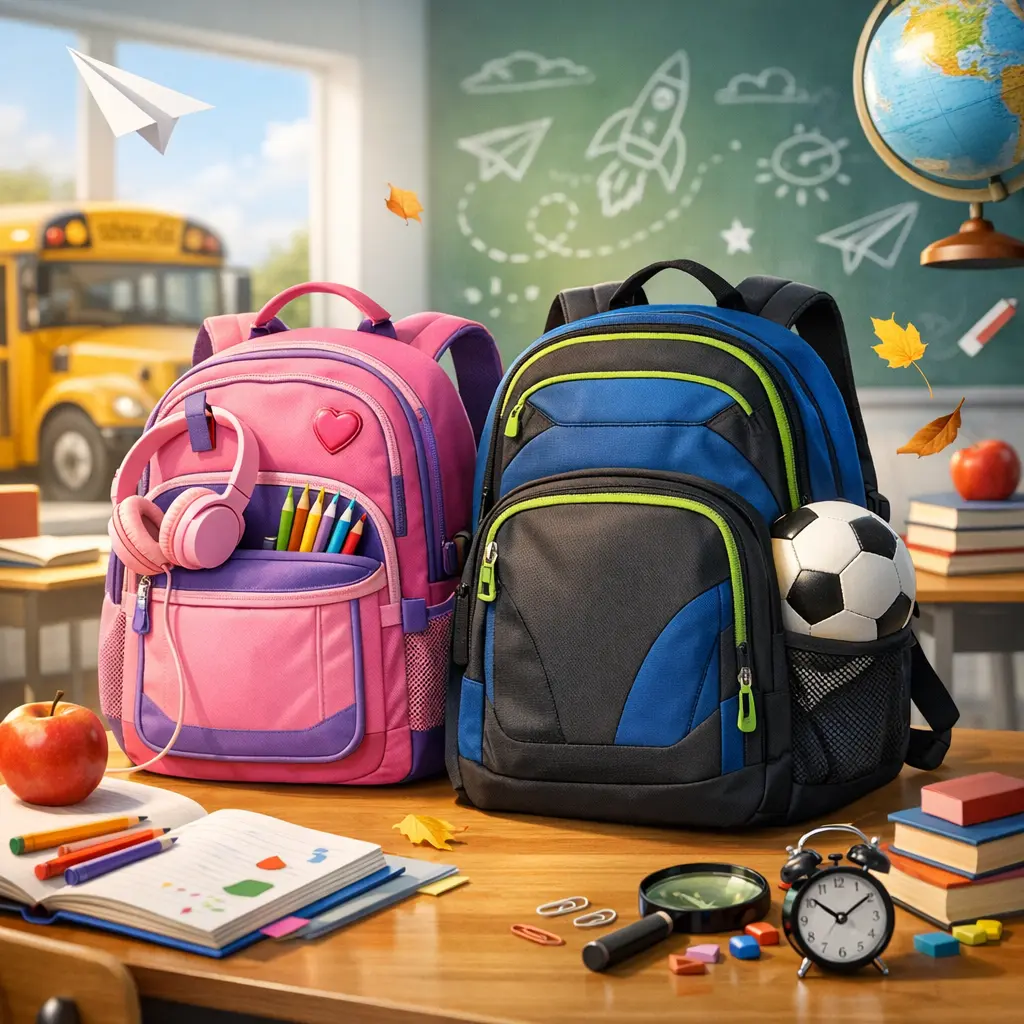


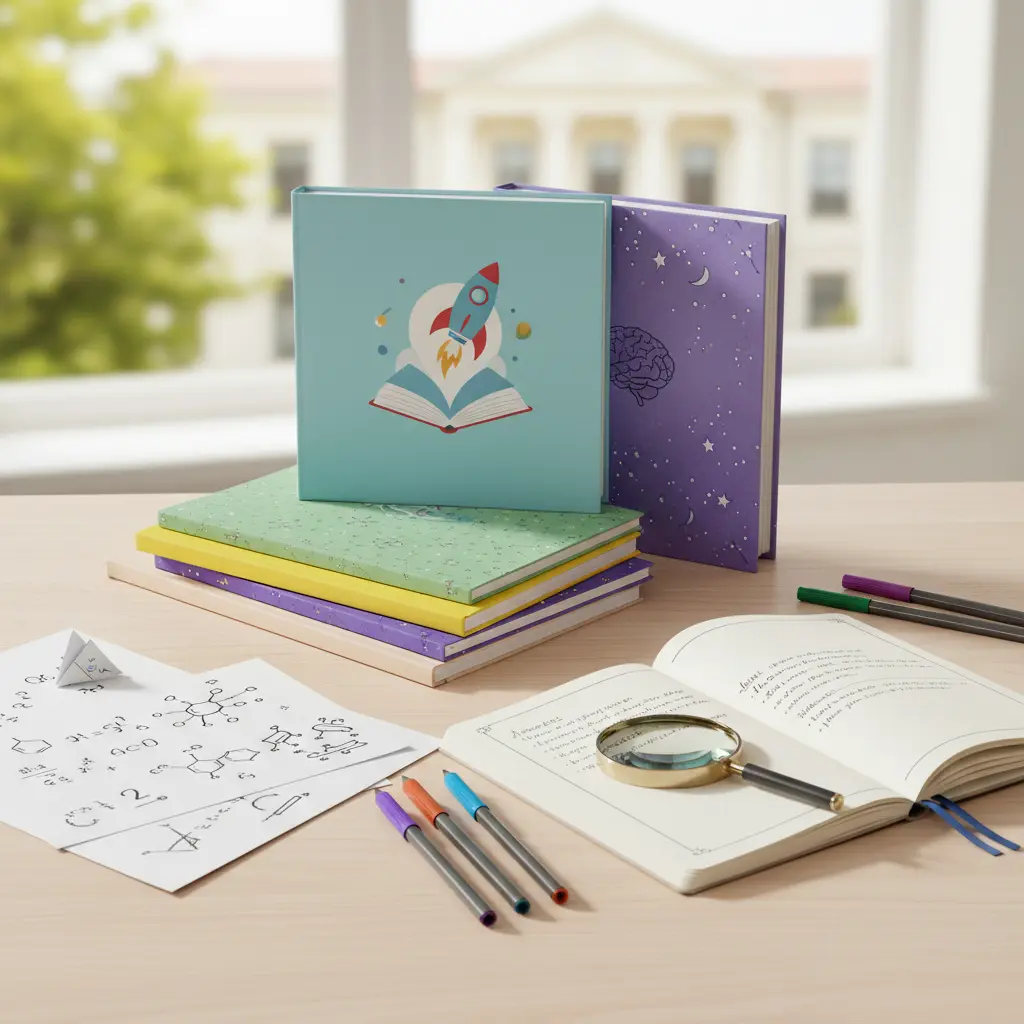


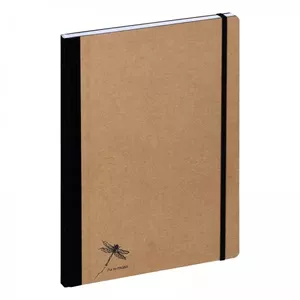
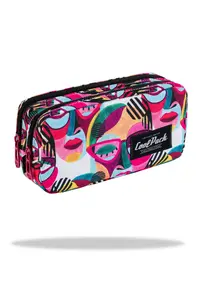
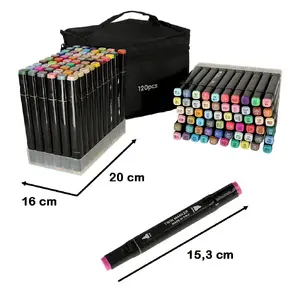
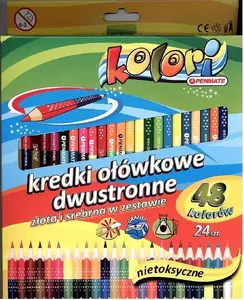

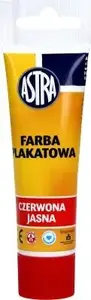

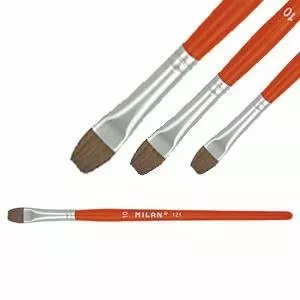
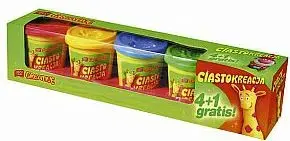
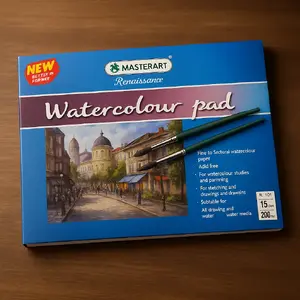
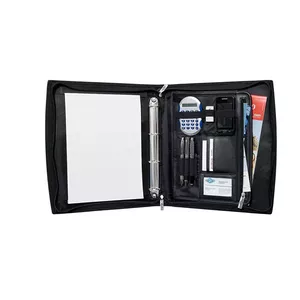
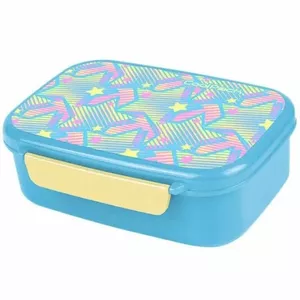
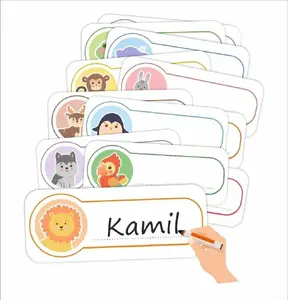
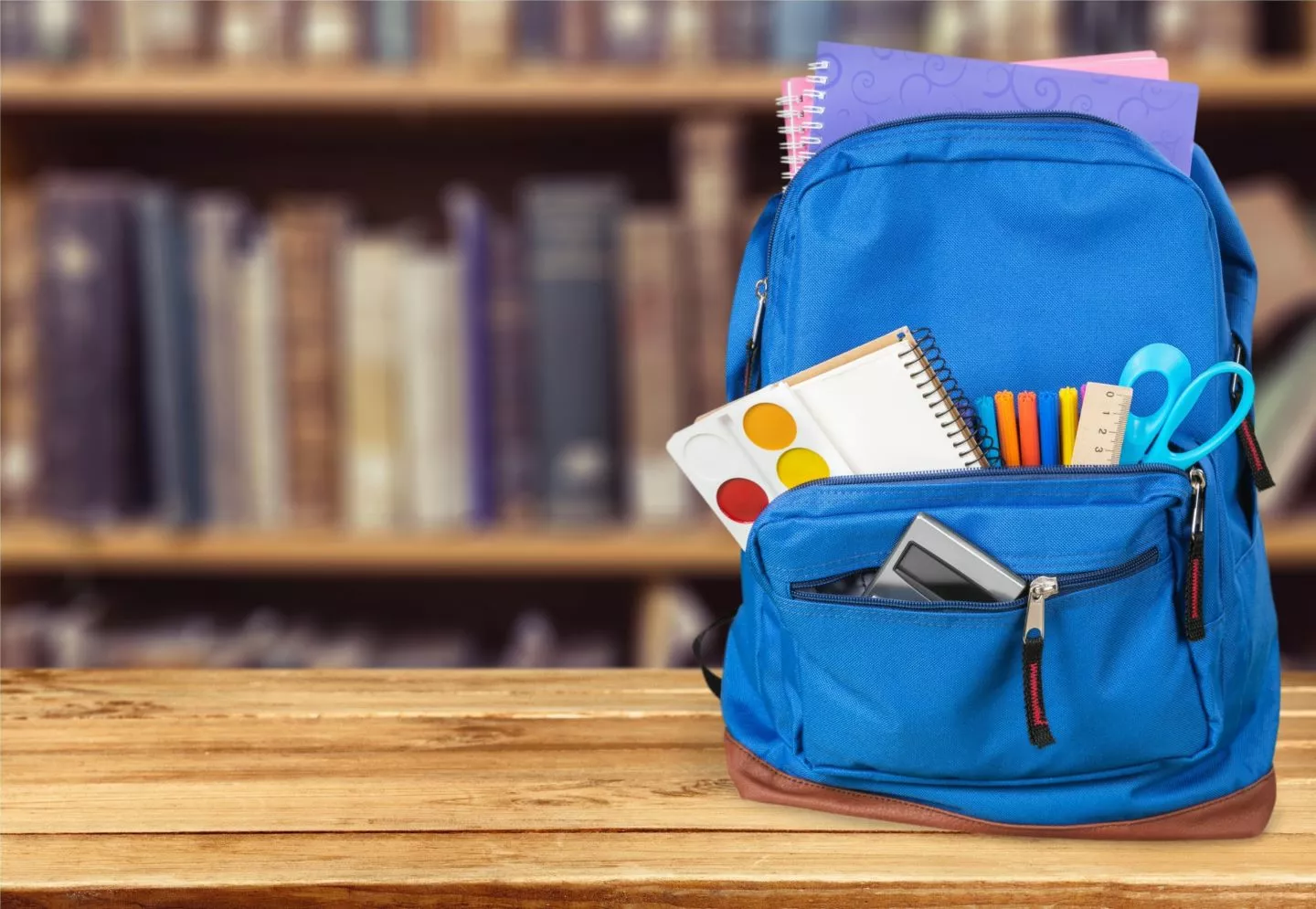
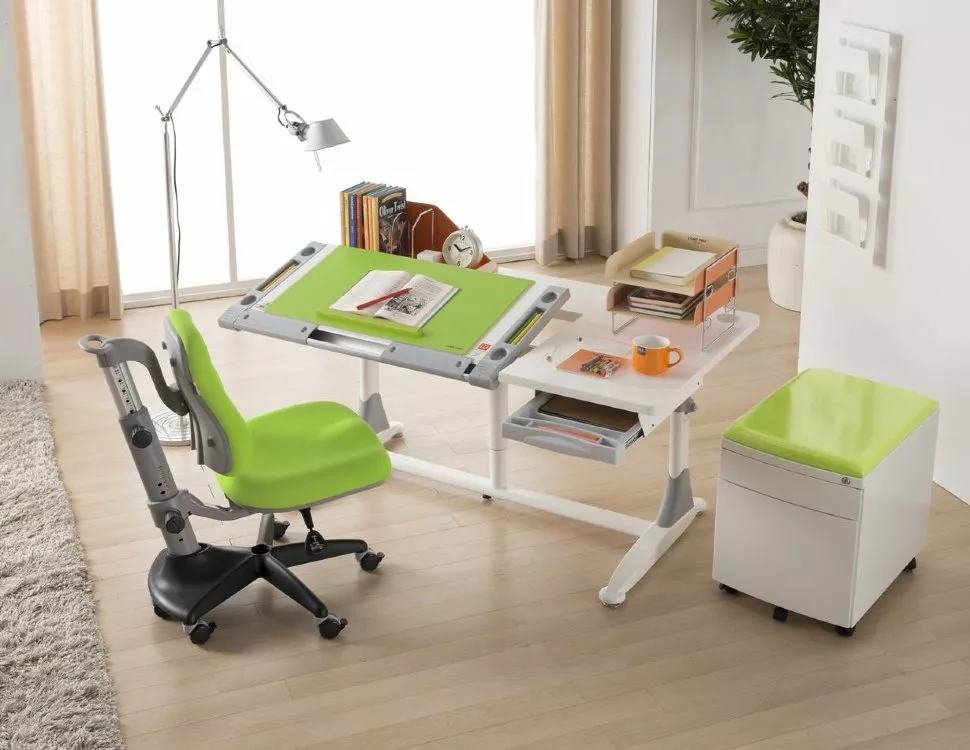
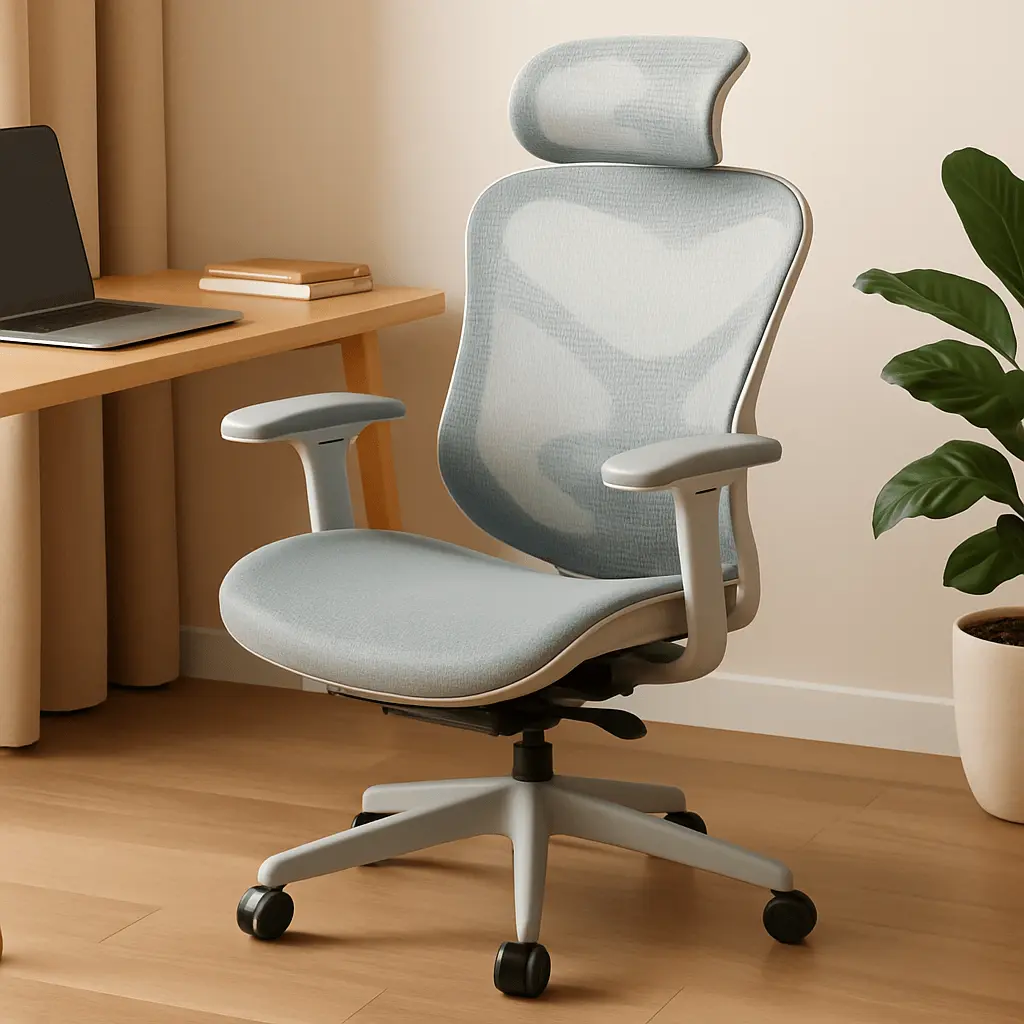
School supplies are a range of physical items and basic tools used by students, teachers and educational institutions to support learning activities, classroom organization and study routines. These items include writing instruments, paper products, organizational accessories and simple teaching aids that enable note-taking, assignment preparation, art projects and practical classroom tasks. School supplies are chosen for everyday use at primary, secondary and higher-education levels, as well as for remote study or home-based learning. They are practical products selected for durability, ergonomics and suitability for specific subjects or age groups, and are often replaced or replenished according to curriculum needs and academic schedules. Schools, parents and students select supplies to match course requirements, classroom policies and individual learning preferences.
Types of "School supplies"
The category covers a broad set of product types used in educational settings. Common groups include:
- Writing instruments: pens, pencils, mechanical pencils, markers, highlighters and correction tools.
- Paper and notebooks: loose-leaf paper, exercise books, composition notebooks, graph paper and sticky notes.
- Organizational items: folders, binders, planners, pencil cases and backpacks designed for supplies storage.
- Art and craft materials: paints, brushes, colored pencils, crayons, glue and scissors suitable for classroom projects.
- Measuring and drafting tools: rulers, protractors, compasses and calculators for math and technical subjects.
- Classroom aids and accessories: whiteboard markers, erasers, staplers, paper clips, labels and index tabs.
What are "School supplies" used for?
School supplies support a variety of educational tasks and routines. They are used to record information, complete written assignments, organize materials, illustrate concepts and create visual or tactile learning aids. In classrooms, supplies enable teachers to prepare lessons, assess student work and maintain order. For students, they provide the basic tools needed for homework, exams, art activities and project work. At home, school supplies help with studying, revision and independent practice that reinforce classroom learning.
Key Differences between "School supplies"
Differences among school supplies arise from intended age group, subject-specific functions, material quality and ergonomic design. Age-appropriate items vary by size, safety features and complexity—for example, safety scissors for young children versus precision tools for older students. Subject-specific items include scientific calculators for math, watercolour sets for art and graph paper for technical drawing. Quality differences relate to durability, refillability and writing performance, while ergonomic factors include grip shape and weight for prolonged use. Packaging and organizational features can also distinguish products by convenience and portability.
How to Choose "School supplies"?
Selecting school supplies involves matching items to curriculum requirements, age and personal needs. Consider the list of required items from the educational institution, preferred brands or models for reliability, and the expected frequency of use. For writing tools, choose appropriate tip size and ink type; for notebooks and paper, check ruling and sheet count; for art supplies, confirm pigment types and safety standards. Evaluate durability and ergonomics for long-term comfort, and select sizes or carrying solutions that fit lockers or bags. Compare product specifications, read labels for materials and safety certifications, and prioritize multipurpose items when budget or storage is limited.


