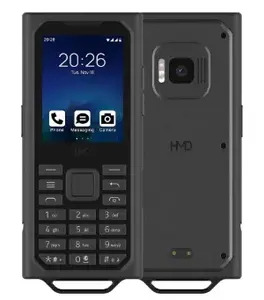
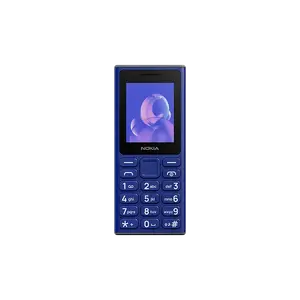
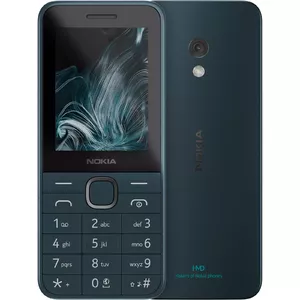
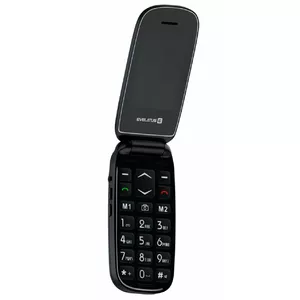
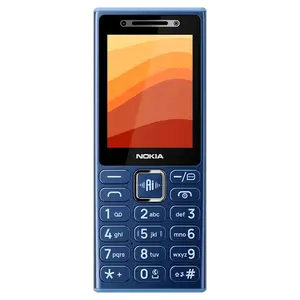
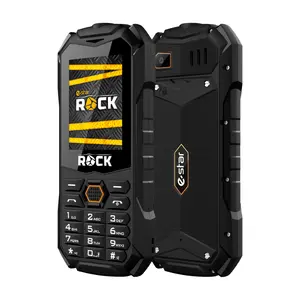
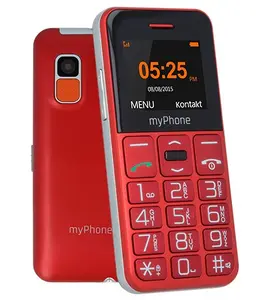
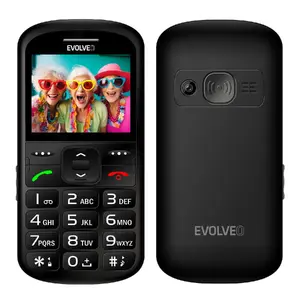
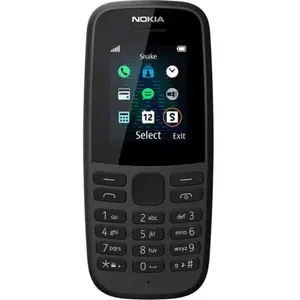
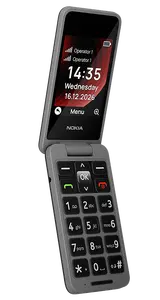
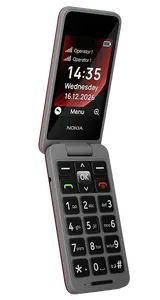
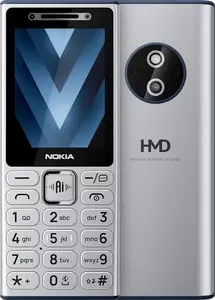
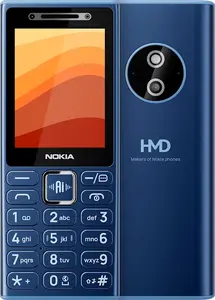
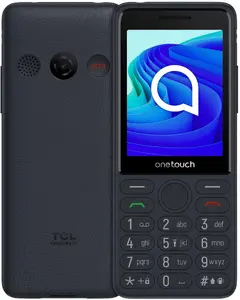
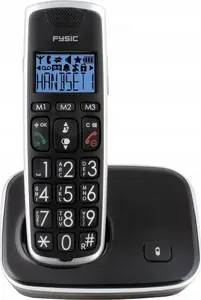
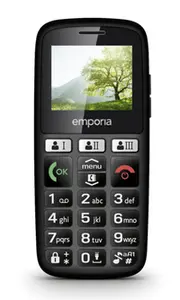
GSM phones are mobile devices that use the Global System for Mobile Communications (GSM) standard for voice calls, SMS messaging and cellular data connections. These phones connect to GSM networks using SIM cards, which authenticate the subscriber and store basic network and contact information. GSM phones range from basic feature phones to advanced smartphones and are selected for everyday communication, business use, travel to GSM-covered regions, and for compatibility with specific mobile operators. They are chosen when a user needs reliable voice service, text messaging, and access to mobile data where GSM networks are available. Technical aspects such as supported frequency bands, SIM form factor, single- or dual-SIM capability and data standards influence how a GSM phone performs in different locations and with different operators.
Types of GSM phones
Common types of GSM phones cover a spectrum of features and form factors.
- Feature phones — basic call and SMS functionality, long battery life, simple user interface.
- Smartphones — touchscreen devices with app ecosystems, advanced internet access and multimedia capabilities.
- Rugged and industrial GSM phones — reinforced housings and extended durability for harsh environments.
- Compact and easy-use phones — simplified controls and accessibility features for seniors or users preferring minimal complexity.
- Dual-SIM GSM phones — support for two SIM cards for managing personal and work lines or different operators.
What are GSM phones used for?
GSM phones serve multiple everyday and specialized functions.
- Voice communication — standard telephony for personal and business calls.
- Text messaging — short message service (SMS) for quick written communication and USSD codes for network services.
- Mobile data — internet access via 2G/3G/4G (depending on device support) for browsing, email and apps.
- SIM-based services — mobile identity, contact storage, and operator provisioning tied to the SIM card.
- Backup and secondary use — as secondary devices, travel phones, or for use on a separate operator or number.
Key Differences between GSM phones
Differences among GSM phones affect compatibility, performance and user experience.
- Network bands and frequency support — determines compatibility with local operators and roaming capability.
- SIM configuration — single-SIM vs dual-SIM affects how many numbers or operators can be used simultaneously.
- Data standards supported — devices may support 2G, 3G, 4G/LTE or VoLTE which impacts data speed and call quality.
- Hardware and battery — processor, memory, camera quality and battery capacity influence daily performance and autonomy.
- Form factor and durability — size, weight, and build materials determine portability and suitability for different environments.
How to Choose GSM phones?
Choosing a GSM phone requires matching device characteristics to practical needs and network conditions.
- Check network compatibility — confirm the phone supports the frequency bands and technologies used by the intended operator.
- Decide on SIM setup — choose single- or dual-SIM based on whether you need multiple numbers or operators.
- Assess required features — prioritize battery life, camera, performance, or simplicity depending on use.
- Consider software and updates — prefer devices with current operating systems and security update support if internet use is important.
- Verify physical requirements — size, durability and accessibility features should match the user’s daily activities and preferences.
Why is it worth buying mobile phones at AiO.lv?
Order online at AiO.lv at a good price, with delivery across Latvia and to other EU countries. We deliver to Riga, Daugavpils, Liepāja, Jūrmala, Ventspils and other cities. We offer products from leading manufacturers.
- Official warranty and proven quality.
- Convenient payment methods, including instalments and credit.
- Fast, reliable delivery across Latvia and to other EU countries.
FAQ
Where can you find a mobile phones with cheap prices?
You can buy cheaper at the AiO.lv online store. We offer competitive prices and regular discounts, so you always have the chance to find a great deal.
What is the delivery time for mobile phones?
If you place your order today, delivery will take between 1 and 5 business days depending on the chosen method.
How long is the warranty period for mobile phones?
Our store provides an official manufacturer’s warranty ranging from 12 to 36 months, depending on the model and brand. If needed, you can always contact our customer service department or the manufacturer’s authorized service center for support.
Are mobile phones purchasable with leasing?
Yes, if the selected product costs more than €50. You can learn more about installment purchase options and the terms of application on the
Payment page.
Can mobile phones be purchased for a company (with VAT)?
Yes. AiO.lv works with legal entities in Latvia and throughout Europe. All product prices are shown with VAT included. In certain cases, a 0% VAT rate may apply — for example, when purchasing from other EU countries with a valid VAT number. We issue an invoice immediately after the order is placed, support BIS electronic invoices, and automatically generate all required accounting documents. To complete a purchase for a company, simply select the company profile during checkout.