


Add to wish listAdd to AI comparison

UBIQUITIFast delivery available
Networking patch cable UBIQUITI UACC-Cable-Patch-EL-1M-W — Cat6, 1 m, 2.5 GbE, PoE++ (4PPoE), translucent, RJ-45 male–maleFast delivery available
9.49 €
Add to cart

Necessary cookies enable the site’s essential functions, including authentication and security, saving the shopping cart, placing orders, selecting a language, and retaining other user settings. They are always active because the site cannot work correctly without them. These cookies are not used for analytics or advertising.

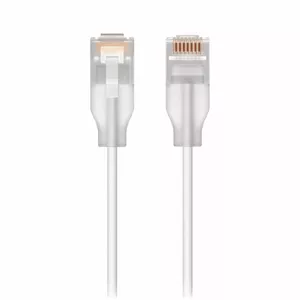
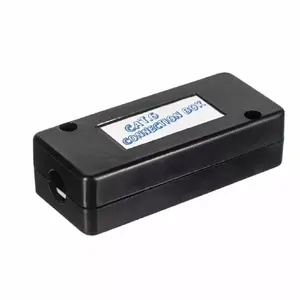
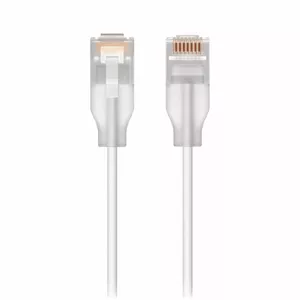
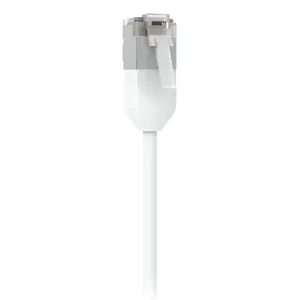
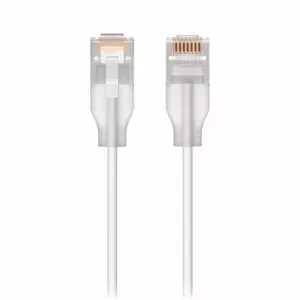

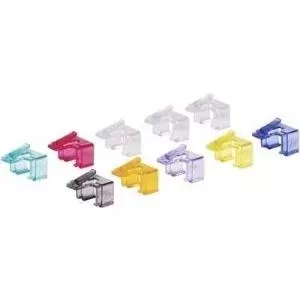
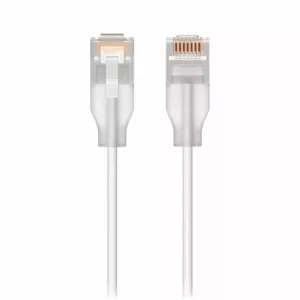
Network patch cords are essential components used to connect network devices, such as computers, switches, routers, and hubs, within a local area network (LAN). These cables consist of insulated copper wires terminated with RJ45 connectors at both ends, ensuring a secure and standardized physical link for data transmission. They are primarily chosen to establish short-distance connections between networking equipment in server rooms, offices, or home setups. By providing a reliable path for electrical signals, patch cords maintain signal integrity and minimize data loss during high-speed communication. Users select these cables based on specific bandwidth requirements, environmental conditions, and the physical layout of their network infrastructure. Proper cable management using these cords helps organize complex cabling systems and facilitates easier maintenance of network hardware.
Network patch cords are utilized in various professional and residential environments to facilitate connectivity:
Patch cords are categorized based on their performance capabilities and physical construction:
When selecting a patch cord, consider the following technical specifications:
To select the correct patch cord, first identify the maximum speed supported by your network hardware. If your network infrastructure supports Gigabit speeds, choose at least Cat6 cables to ensure optimal performance. Measure the required distance between devices accurately, allowing for some slack to prevent tension on the connectors. Consider the installation environment; for instance, use LSZH cables in public buildings or confined spaces to comply with safety regulations. Finally, verify the connector type and shielding requirements to ensure compatibility with your existing network setup.
Order online at AiO.lv at a good price, with delivery across Latvia and to other EU countries. We deliver to Riga, Daugavpils, Liepāja, Jūrmala, Ventspils and other cities. We offer products from leading manufacturers.

We are confident in our quality, but if the purchase doesn’t fit — you have 14 days to return the product with peace of mind.

Get your orders as quickly as possible — right to your door, parcel lockers, or pickup points across Latvia and the EU.

Pay the way you prefer: cash, VISA, MasterCard, Apple Pay, Google Pay, bank transfer, or 0% installment plan.

AiO.lv has been on the market for over 18 years and has earned trust — with more than 6000 genuine positive reviews on Google.