Powerful EcoFlow stations for energy anywhere!

{{ totalProductsCount }}
In cart {{totalProductsCount}} item(s)
In cart {{totalProductsCount}} item(s)
Total:
{{sum | formatAmount}}
Your cart is empty
Plumbing
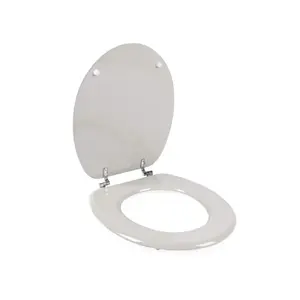
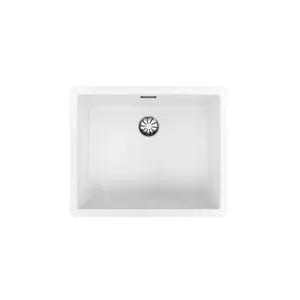
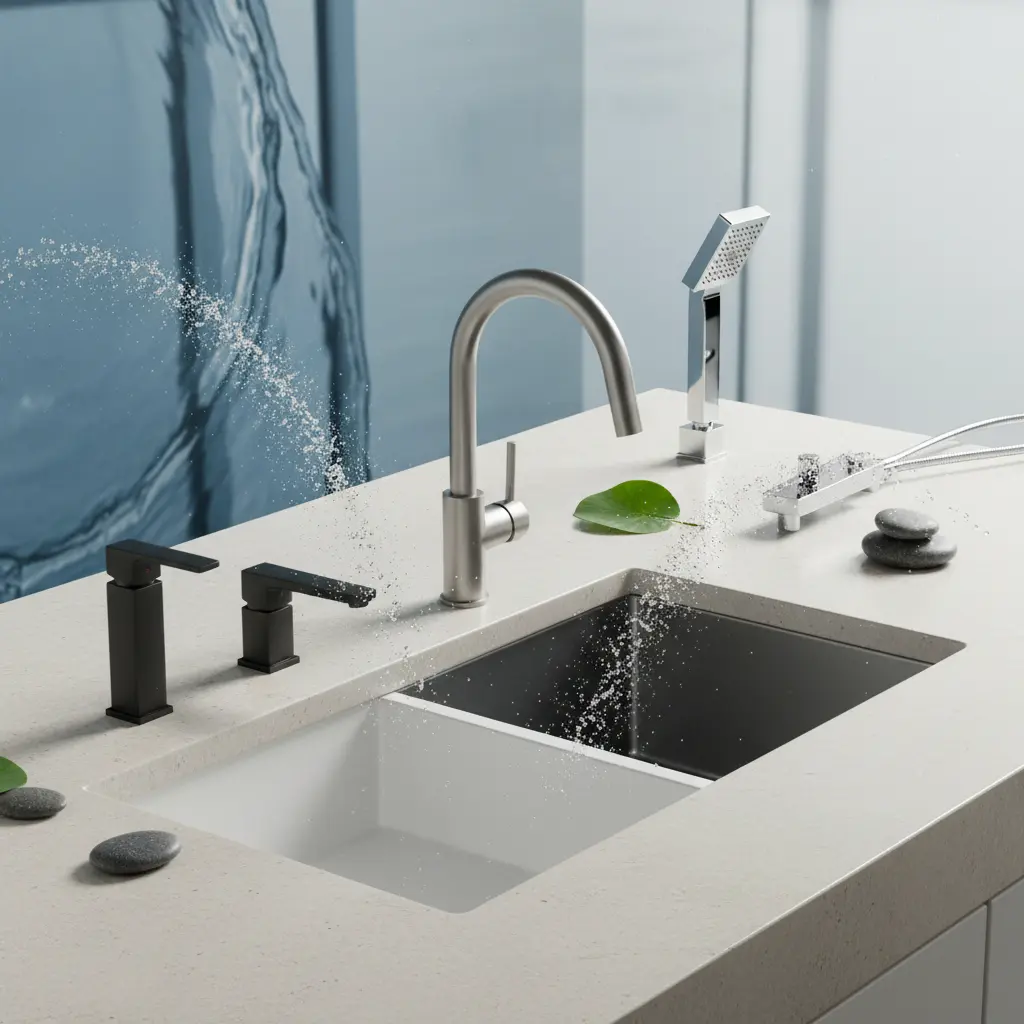
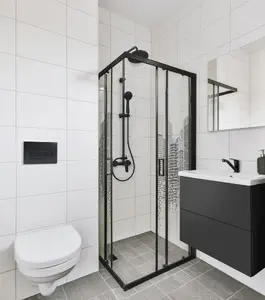
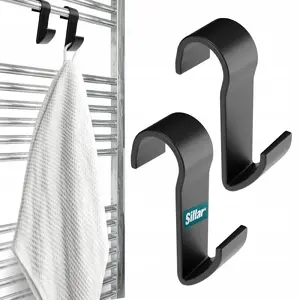
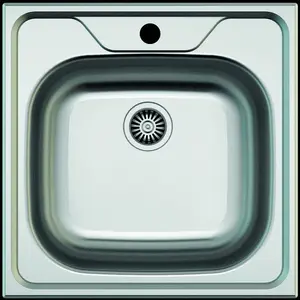

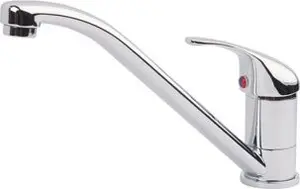
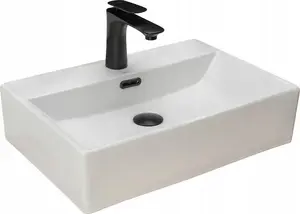
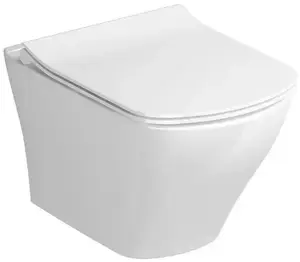
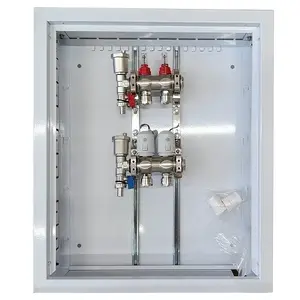
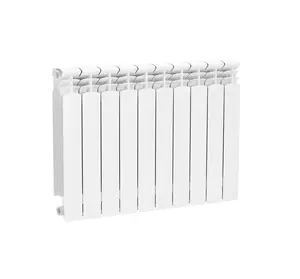
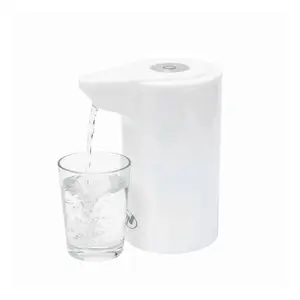
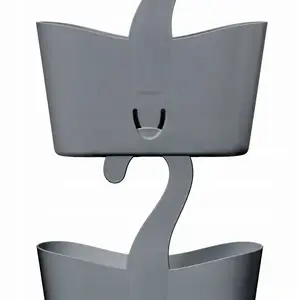
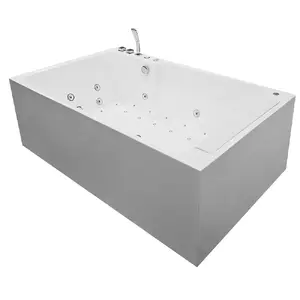

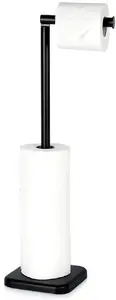
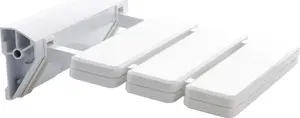
Plumbing refers to the system of pipes, fittings, valves, fixtures and related components that deliver water, remove waste, and manage gas and drainage within residential, commercial and industrial buildings. Products in this category include pipes and tubes, fittings, valves, faucets, fixtures, traps, hoses, connectors and sealants; they are selected to create, repair or modify plumbing networks and to maintain required water flow, pressure and hygiene. Plumbing items are used in new construction, renovation, routine maintenance and emergency repairs where controlling water supply, drainage and gas flow is necessary. Selection of specific plumbing products depends on system type, local codes, material compatibility and the expected load or pressure conditions. Properly chosen plumbing components help ensure leak-free connections, corrosion resistance and safe operation over the expected service life of the system.
Types of Plumbing
Common product groups within plumbing cover a wide range of materials and functions.
- Pipes and tubing: copper, PVC, CPVC, PEX, stainless steel and galvanized steel for supply and drainage.
- Fittings and connectors: elbows, tees, couplings, adapters, unions and compression fittings for joining pipe sections.
- Valves and controls: ball valves, gate valves, check valves, pressure relief and mixing valves used to control flow and pressure.
- Fixtures and appliances: sinks, toilets, showers, faucets and related mounting hardware.
- Drainage components: traps, drains, vents and sewer fittings for waste removal and odor control.
- Sealing and joining materials: tapes, sealants, solder, flux and mechanical joining systems.
What are Plumbing used for?
Plumbing products serve to distribute potable water, remove wastewater, manage stormwater and transport certain gases safely within built environments.
- Water supply: delivering cold and hot potable water to fixtures and appliances.
- Drainage and waste: channeling wastewater from fixtures to sewer or septic systems.
- Gas distribution: conveying natural gas or LPG to appliances when compatible materials and fittings are used.
- Heating and cooling circuits: circulating water in boilers, radiators and HVAC systems.
- Repairs and upgrades: replacing worn parts, improving connections and adapting systems to new fixtures or code requirements.
Key Differences between Plumbing
Differences among plumbing products relate to material properties, connection methods, pressure ratings and intended application environments.
- Material: metals (copper, stainless steel) offer strength and heat resistance; plastics (PVC, CPVC, PEX) provide corrosion resistance and flexibility.
- Connection type: soldered, threaded, glued, crimped or push-fit connections affect installation speed and reworkability.
- Pressure and temperature ratings: components are rated for specific maximum pressures and temperatures; select products that meet system demands.
- Code and compatibility: local plumbing codes dictate acceptable materials and fittings for potable water, drainage and gas; compatibility with existing systems matters.
- Durability and maintenance: some materials require periodic maintenance or replacement; others are low-maintenance but sensitive to UV or chemical exposure.
How to Choose Plumbing?
Choosing plumbing products requires assessing the intended application, local code requirements, compatibility with existing systems and long-term performance needs.
- Identify system type: potable water, drainage, gas, or heating circuits—each has different material and certification needs.
- Check local codes and standards: ensure selected materials and fittings comply with regional regulations and certification requirements.
- Match material to conditions: select pipe and fitting materials suitable for temperature, pressure, chemical exposure and mechanical stress.
- Consider connection methods: choose connections that fit installer skills and future maintenance plans (permanent vs. serviceable joints).
- Review ratings and documentation: verify pressure, temperature and flow ratings, plus manufacturer instructions for installation and maintenance.
- Plan for durability and service life: factor in corrosion resistance, freeze protection and ease of repair when selecting components.


