Powerful EcoFlow stations for energy anywhere!

{{ totalProductsCount }}
In cart {{totalProductsCount}} item(s)
In cart {{totalProductsCount}} item(s)
Total:
{{sum | formatAmount}}
Your cart is empty
Portable Device Accessories
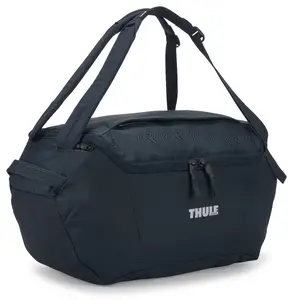
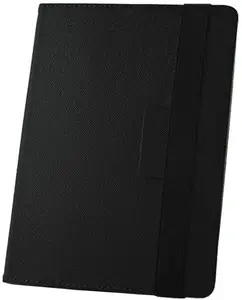
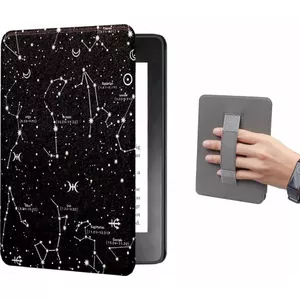
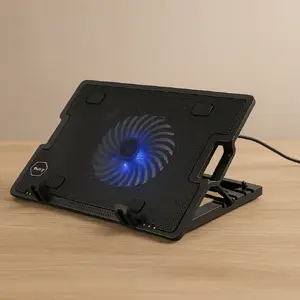
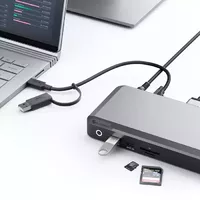
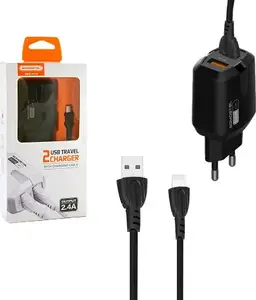
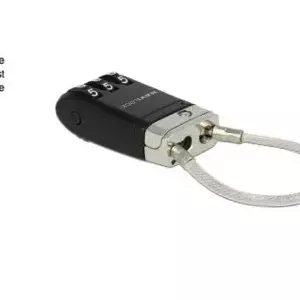
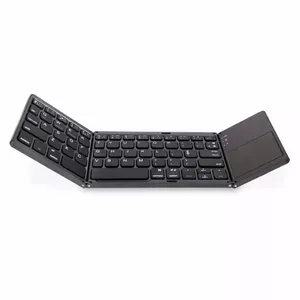
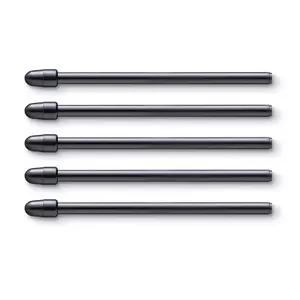
Accessories for portable devices include a broad range of add-ons designed to extend functionality, protect hardware, and improve user convenience for smartphones, tablets, laptops, e-readers, wearables and other mobile electronics. These products are used to address practical needs such as charging, data transfer, device protection, hands-free operation and audio management, and are selected when the built-in features of a portable device require supplementation for daily use, travel, work or leisure. Typical scenarios include protecting screens and bodies from damage, maintaining battery life away from fixed power sources, connecting peripherals, and adapting devices to specific tasks such as photography, gaming or fieldwork. Buyers choose accessories based on device compatibility, physical dimensions and connector types, required performance characteristics and materials, and the intended usage environment. Product categories vary in complexity from simple protective cases and cables to powered docks, external storage and wireless peripherals, and they often follow standards for safety, charging protocols and data interfaces.
Types of Accessories for portable devices
The category contains a variety of accessory types that support different functions and devices.
- Protective accessories: cases, covers, screen protectors and bumpers that guard against impacts, scratches and dust.
- Power accessories: chargers, power banks, cables, adaptors and wireless charging pads for powering and recharging devices.
- Connectivity and data accessories: USB, Thunderbolt and other interface cables, hubs, adapters, card readers and external storage solutions.
- Audio and hands-free accessories: wired and wireless headphones, earbuds, Bluetooth speakers, microphones and car mounts for calls and media.
- Mounting and carrying accessories: stands, holders, tripods, straps and bags that facilitate transport, positioning and use on the go.
- Input and control accessories: styluses, external keyboards, game controllers and remote controls that add or improve input methods.
- Specialized accessories: lenses, lighting, rugged cases, thermal or protective gear and medical or industrial attachments for specific professional uses.
What are Accessories for portable devices used for?
Accessories for portable devices serve to protect hardware, supply and manage power, facilitate data transfer and connectivity, improve ergonomics and enable additional functions not built into the device. They are used to prevent physical damage, extend battery runtime, connect peripherals such as external displays or storage, capture higher-quality audio or images, and create hands-free or safer use in vehicles and workplaces. In many situations accessories adapt a general-purpose device for a specialized task, for example turning a tablet into a drawing tool with a stylus or a mobile workstation with a keyboard and hub.
Key Differences between Accessories for portable devices
Key differences among accessories include compatibility, performance, build quality and intended use case.
- Compatibility: connector type, operating system support, physical dimensions and model-specific fit determine whether an accessory works with a given device.
- Performance and specifications: charging speed, data transfer rates, wireless codecs, battery capacity and audio response vary between models and affect suitability.
- Build and materials: hard shells, soft cases, metal, plastic or glass components influence durability, weight and protection level.
- Certifications and standards: compliance with charging and safety standards (e.g., USB Power Delivery, Qi wireless charging, RoHS) affects reliability and interoperability.
- Portability and ergonomics: size, weight, mounting options and user interface determine how convenient an accessory is for mobile use.
How to Choose Accessories for portable devices?
Choosing accessories requires matching product features to device requirements and intended use. Identify the exact device model and supported connectors or wireless standards, then prioritize the functions you need such as protection, charging speed or expanded connectivity. Check technical specifications for compatibility (voltage, current, data rates), materials and dimensions for fit and durability, and standards or certifications for safety and interoperability. Consider lifestyle factors like travel frequency, work environment and storage needs to select size, weight and mounting options. When possible, read technical documentation and test fit or return policies to ensure the accessory meets functional and reliability expectations.


