
Hurry and order now – up to 50% off!

{{ totalProductsCount }}
In cart {{totalProductsCount}} item(s)
In cart {{totalProductsCount}} item(s)
Total:
{{sum | formatAmount}}
Your cart is empty
Power devices and power plants
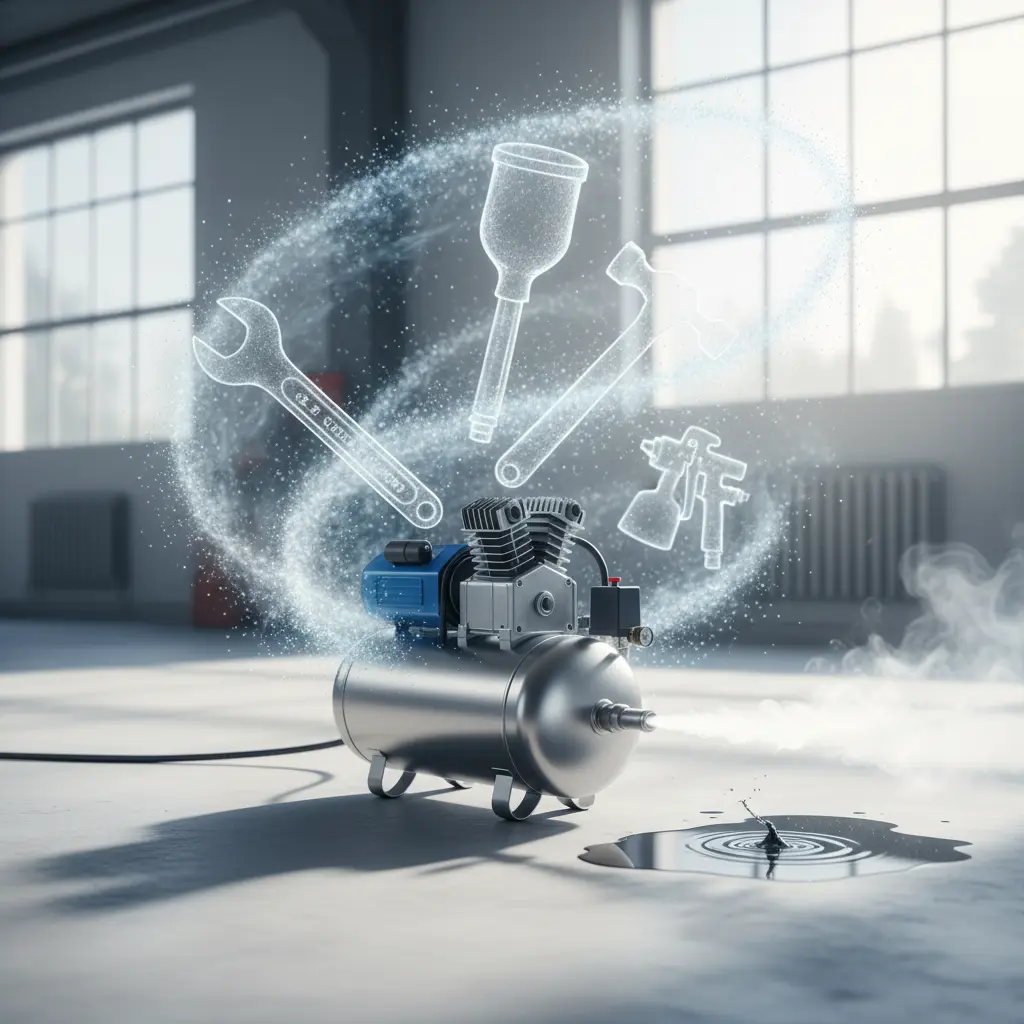
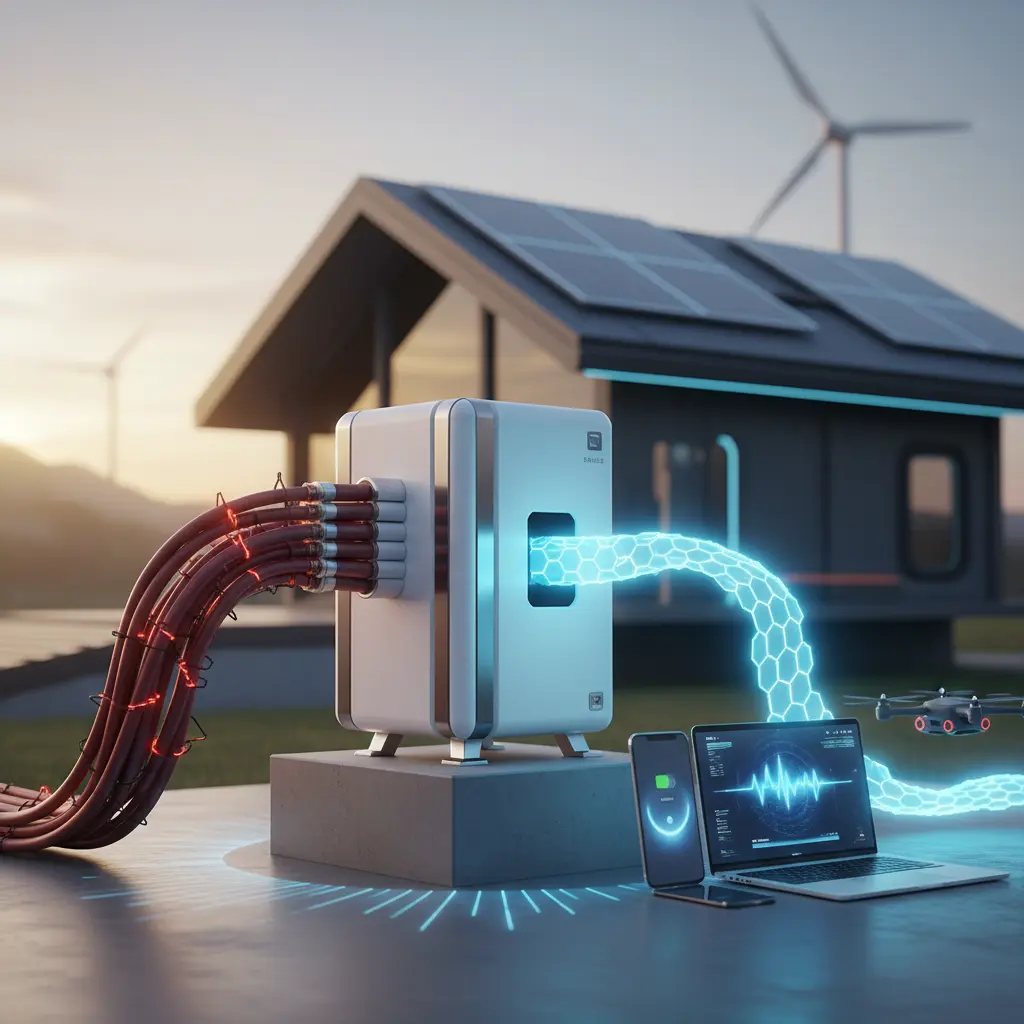
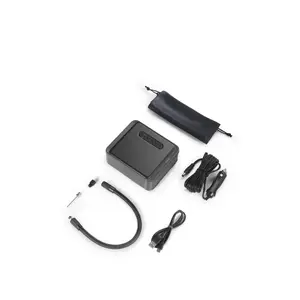
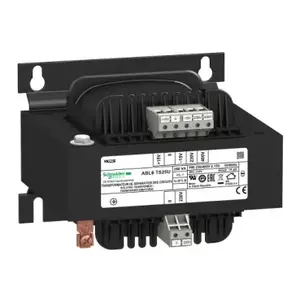
Power devices and power plants encompass equipment and systems designed to generate, convert, store and distribute electrical energy for residential, commercial, industrial and utility-scale applications. This category includes both individual devices such as inverters, transformers, UPS units and power converters, and larger systems like generator sets, microgrids and small-scale power plants. Products are selected based on required capacity, voltage, reliability, efficiency and intended connection to local grids or stand‑alone operation. Typical scenarios for choosing these products include backup power, continuous supply for critical loads, integration with renewable sources, and grid support in remote or constrained locations. Technical specifications, compliance with safety and grid codes, and compatibility with existing infrastructure are primary considerations when evaluating items in this category.
Types of Power devices and power plants
The category covers a range of device classes and plant types. Common entries include:
- Generators and gensets (diesel, gas, bi-fuel) for on-site electricity generation.
- Transformers and distribution equipment for voltage conversion and power routing.
- Uninterruptible Power Supplies (UPS) and battery backup systems for short- to medium-term power continuity.
- Inverters, rectifiers and power converters for AC/DC conversion and interfacing with renewable sources.
- Energy storage systems (batteries, hybrid storage) for load shifting and backup.
- Control systems, switchgear, protection relays and monitoring equipment for safe operation and grid interaction.
- Modular and containerized power plants and microgrid solutions for portable or remote deployments.
What are Power devices and power plants used for?
These products serve to provide, stabilize and manage electrical energy where and when it is needed. Typical uses include:
- Backup power for critical systems in hospitals, data centers, telecom sites and industrial facilities.
- Primary or supplementary power generation in locations without reliable grid access.
- Integration of renewable energy sources (solar, wind) with inverters and storage to provide steady output.
- Voltage regulation, distribution and protection across commercial and industrial electrical networks.
- Temporary or mobile power for construction sites, events and emergency response.
Key Differences between Power devices and power plants
The main differences relate to scale, function and deployment model. Key distinguishing factors include:
- Scale and capacity: devices (UPS, inverters) serve equipment- to facility-level needs; power plants and gensets deliver building- to grid-scale power.
- Function: some components convert or stabilize power, others generate or store it; combined systems perform several roles simultaneously.
- Mobility and installation: portable generators and containerized plants are suitable for temporary sites; fixed plants and installed switchgear are for long-term use.
- Integration: grid-tied systems require different protection and synchronization features than off-grid or islanded systems.
- Runtime and fuel/energy source: battery-based systems provide limited runtime; fuel-based generators provide extended operation if fuel is available.
How to Choose Power devices and power plants?
Select products by matching technical requirements, operational constraints and regulatory compliance. Consider:
- Load profile and required capacity: calculate peak and continuous power demand, starting currents for motors and surge requirements.
- Voltage, phase and frequency requirements to ensure compatibility with existing equipment and local grid standards.
- Runtime expectations and fuel or energy source availability for backup or off-grid operation.
- Efficiency, heat dissipation and environmental conditions that affect performance and lifespan.
- Safety, certifications and protection features such as automatic transfer switches, overload protection and grounding.
- Maintenance needs, serviceability and spare-parts availability to ensure reliable long-term operation.
- Control, monitoring and communication capabilities for remote management and integration with building or grid control systems.


