Powerful EcoFlow stations for energy anywhere!

{{ totalProductsCount }}
In cart {{totalProductsCount}} item(s)
In cart {{totalProductsCount}} item(s)
Total:
{{sum | formatAmount}}
Your cart is empty
Sterilizers

Beurer
Infrared lamp Beurer IL 11 (model IL11NEW) 150W, adjustable angle, white
Delivery: 04.11.2026
24.99 €
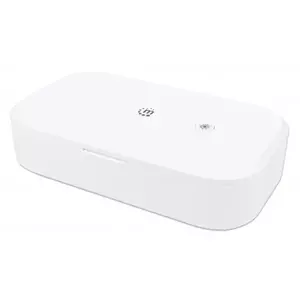
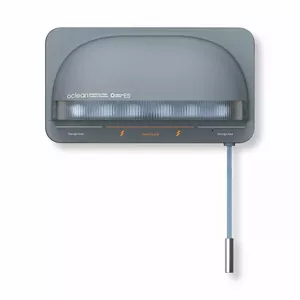
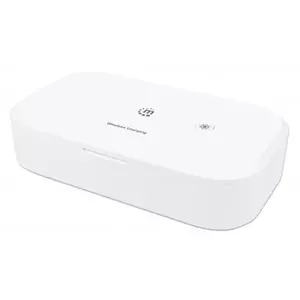
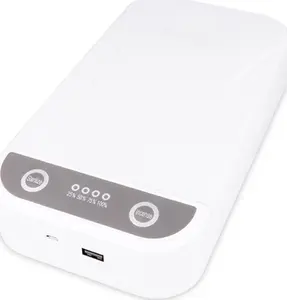
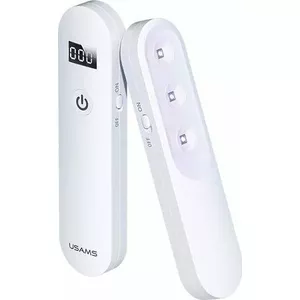
usams
UV-C Disinfection Lamp usams ZB159XDD01 White — Mini portable germicidal lamp
Delivery: 05.11.2026
22.49 €

Bitvae
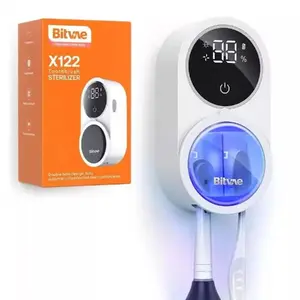
Toothbrush Sterilizer Bitvae X122 with LED Smart Screen, 1800mAh, White
Delivery: Tuesday
29.49 €
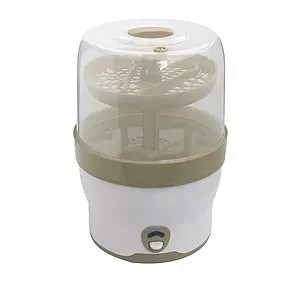
Olympia
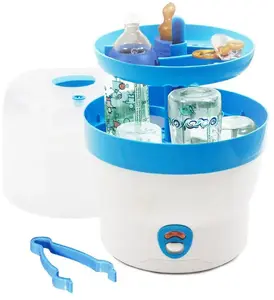
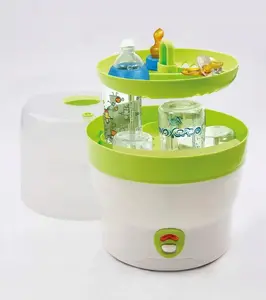
Electric baby bottle sterilizer Olympia BS 29, 500 W, AC, 231×231×335 mm
Delivery: 05.11.2026
30.99 €
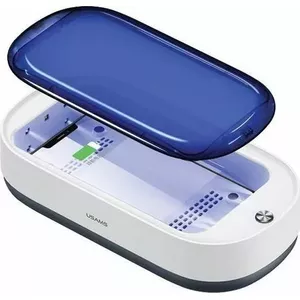
usams
Sterilizer usams USAMS ZB151 15W with UV-C Lamp and Wireless Charging
Delivery: 05.11.2026
30.99 €
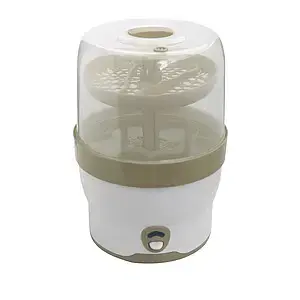
Olympia
Electric sterilizer Olympia BS 29, 500 W, AC, dimensions 231×231×335 mm
Delivery: 05.11.2026
30.99 €
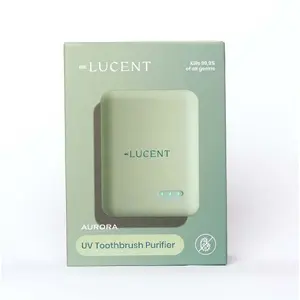
Be Lucent
UV-C Sterilizing Case for Toothbrush Be Lucent Aurora — model LUCENT10111, mint
Delivery: 05.11.2026
37.49 €
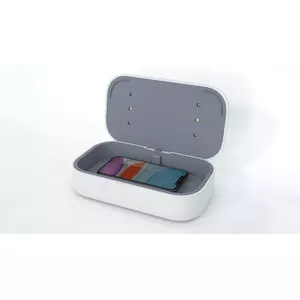
Livia
Portable UV phone cleaner Livia LPP20 — UV sanitizer with 10W wireless charging, 210×120×48 mm, ABS+PC
Delivery: 29.10.2026
38.99 €
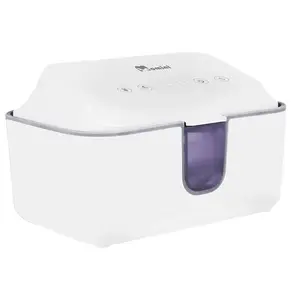
Momini
Momini WarmWiper Wet Wipes Warmer with UV Sterilization and Adjustable Temperature
Delivery: 29.10.2026
45.99 €
Sterilizers are devices and systems designed to remove or inactivate microorganisms on instruments, equipment, and surfaces to reduce infection risk and ensure hygienic conditions. These products vary from compact, portable units for small items to larger benchtop or cabinet models used in clinics, laboratories, and professional care settings. Sterilizers are selected when high levels of microbial control are required, for example with reusable medical instruments, laboratory glassware, personal care tools, and items used in food preparation. Common working principles include steam under pressure, dry heat, chemical vapor, ultraviolet radiation, and plasma; each method targets microorganisms differently and has specific use constraints. Sterilizers are chosen based on the item material, required sterility level, operation speed, throughput, and regulatory or procedural requirements that apply in medical, laboratory, or commercial environments.
Types of Sterilizers
Common types of sterilizers include a range of technologies suited to different materials and workflows:
- Autoclaves (steam sterilizers) — use saturated steam under pressure for high-temperature sterilization of heat- and moisture-resistant instruments.
- Dry heat sterilizers — employ hot air to sterilize items that tolerate high temperatures without moisture contact, such as certain metals and glass.
- Chemical sterilizers — use liquid chemicals or gas (e.g., ethylene oxide alternatives) for heat-sensitive materials and complex devices.
- UV sterilizers — apply ultraviolet-C radiation for surface and air disinfection of non-porous items and small spaces.
- Plasma and low-temperature sterilizers — use hydrogen peroxide plasma or other low-temperature processes for sensitive instruments and electronics.
What are Sterilizers used for?
Sterilizers are used to achieve microbial reduction and prevent contamination in environments where pathogen control is required:
- Medical and dental settings — sterilizing surgical instruments, dental tools, and reusable devices to meet infection control protocols.
- Laboratories — decontaminating glassware, culture tools, and instruments to protect experiments and personnel.
- Tattoo, beauty, and personal care — processing reusable implements such as needles, scissors, and metal tools.
- Pharmaceutical and food industries — ensuring equipment and certain packaging components meet hygiene standards.
- Small-scale and household applications — disinfecting baby bottles, certain kitchen utensils, and personal items when appropriate.
Key Differences between Sterilizers
Differences among sterilizers relate to their method, operating conditions, and practical limitations:
- Mechanism of action — steam, dry heat, chemical, UV, or plasma each inactivate microorganisms by different physical or chemical processes.
- Temperature and pressure — autoclaves require high temperature and pressure; low-temperature systems suit heat-sensitive materials.
- Material compatibility — some methods can damage plastics, electronics, or certain coatings, while others are designed for delicate items.
- Cycle time and throughput — processing speed and the number of items per cycle vary between compact and industrial models.
- Validation and monitoring — different sterilizers need specific indicators, biological or chemical tests, and routine maintenance for reliable operation.
How to Choose Sterilizers?
Selecting a sterilizer should be based on the items to be processed, regulatory requirements, and operational needs:
- Identify item materials and heat sensitivity to determine suitable sterilization methods (steam, dry heat, chemical, UV, plasma).
- Consider the required sterility level and applicable standards or protocols in your field (medical, laboratory, food-related).
- Compare cycle times, chamber size, and throughput to match daily processing volumes and workspace constraints.
- Check compatibility with validation methods and availability of indicators, consumables, and service support.
- Assess safety features, user interface, and maintenance needs to ensure consistent, documented operation.
Why is it worth buying sterilizers at AiO.lv?
At the AiO.lv online store, you can place an order at a great price with delivery across Latvia — to Riga, Daugavpils, Liepaja, Jurmala, Ventspils, and other cities, as well as throughout Europe. We offer products from leading manufacturers: GRUNDIG, MEDIA-TECH, Beurer, MANHATTAN, Olympia, usams, Caso, Beper, Good Connections, Powerton, Profi-Care, TESLA, OCLEAN, Senix, No name, Bitvae, Livia, Nuvita, Momini, Lafomed. When you shop with us, you get:
- official warranty and guaranteed quality;
- convenient payment options (including installment and credit);
- fast and reliable delivery across Latvia and to any EU country.
FAQ
Where can you find a sterilizers with cheap prices?
You can buy cheaper at the AiO.lv online store. We offer competitive prices and regular discounts, so you always have the chance to find a great deal.
What is the delivery time for sterilizers?
If you place your order today, delivery will take between 1 and 5 business days depending on the chosen method.
How long is the warranty period for sterilizers?
Our store provides an official manufacturer’s warranty ranging from 12 to 36 months, depending on the model and brand. If needed, you can always contact our customer service department or the manufacturer’s authorized service center for support.
Are sterilizers purchasable with leasing?
Yes, if the selected product costs more than €50. You can learn more about installment purchase options and the terms of application on the Payment page.
Can sterilizers be purchased for a company (with VAT)?
Yes. AiO.lv works with legal entities in Latvia and throughout Europe. All product prices are shown with VAT included. In certain cases, a 0% VAT rate may apply — for example, when purchasing from other EU countries with a valid VAT number. We issue an invoice immediately after the order is placed, support BIS electronic invoices, and automatically generate all required accounting documents. To complete a purchase for a company, simply select the company profile during checkout.


