Dreame vacuums for fast and efficient cleaning!

{{ totalProductsCount }}
In cart {{totalProductsCount}} item(s)
In cart {{totalProductsCount}} item(s)
Total:
{{sum | formatAmount}}
Your cart is empty
Health & Beauty Products
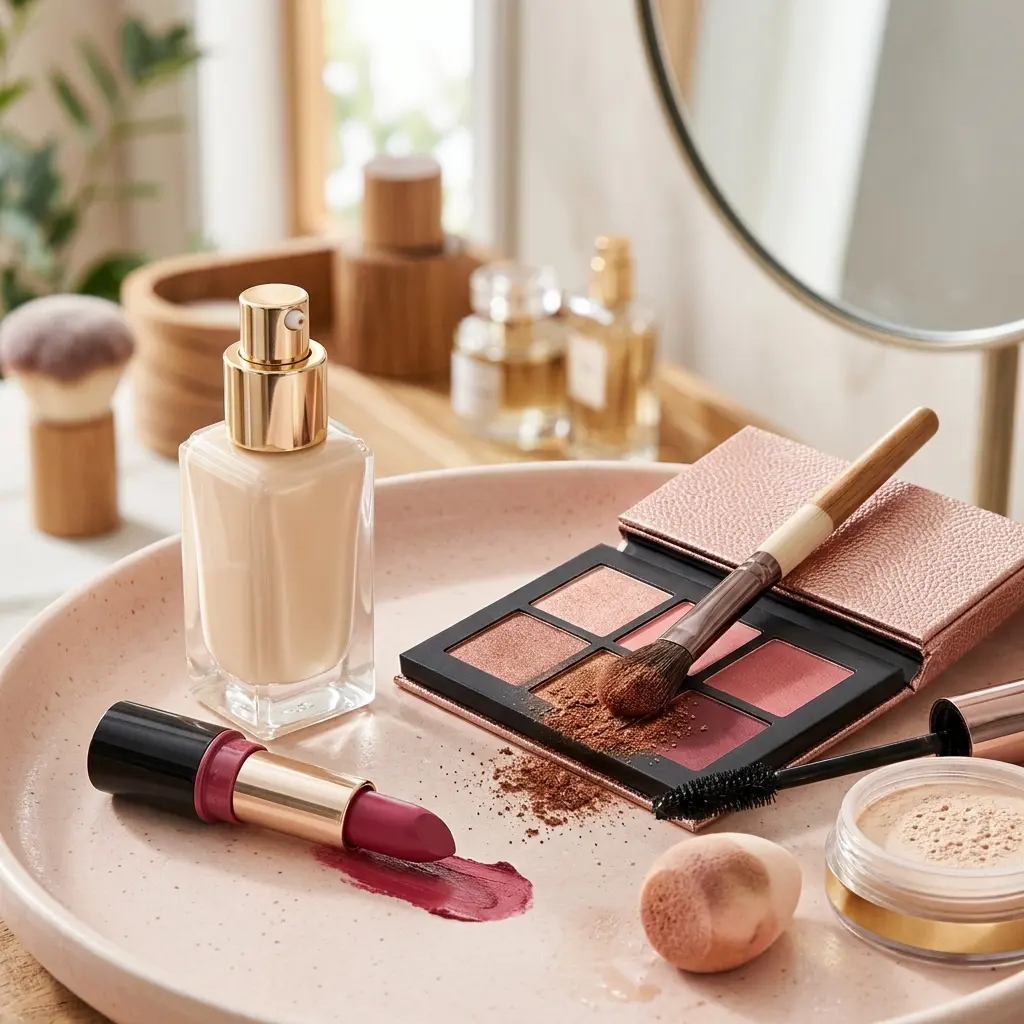
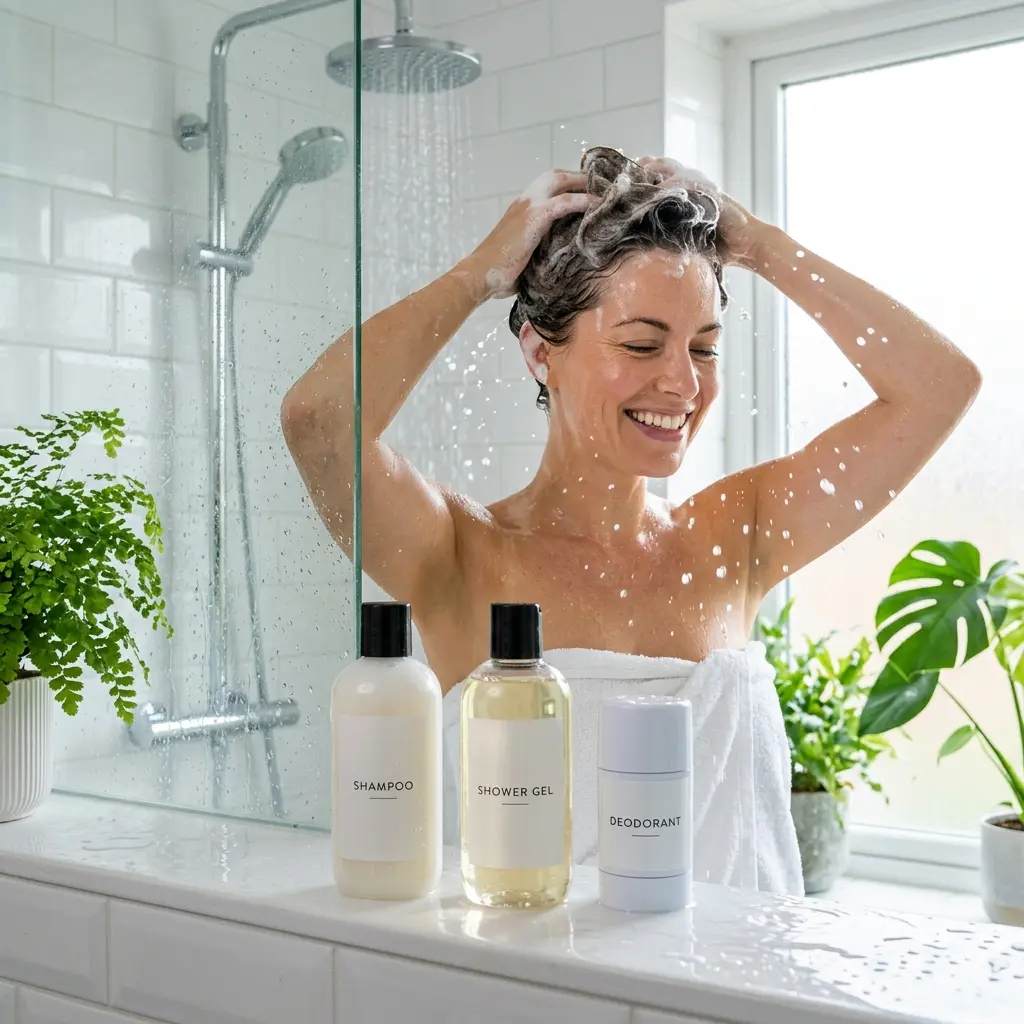

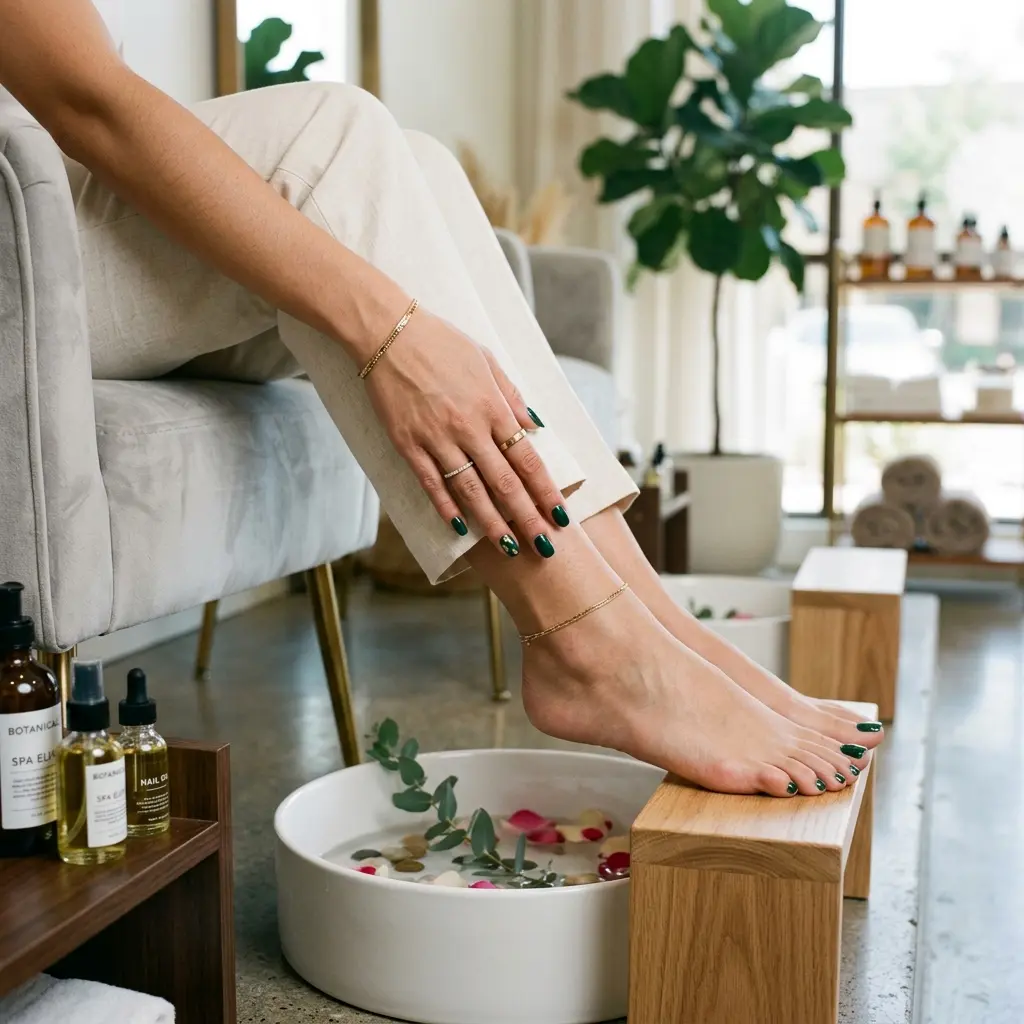
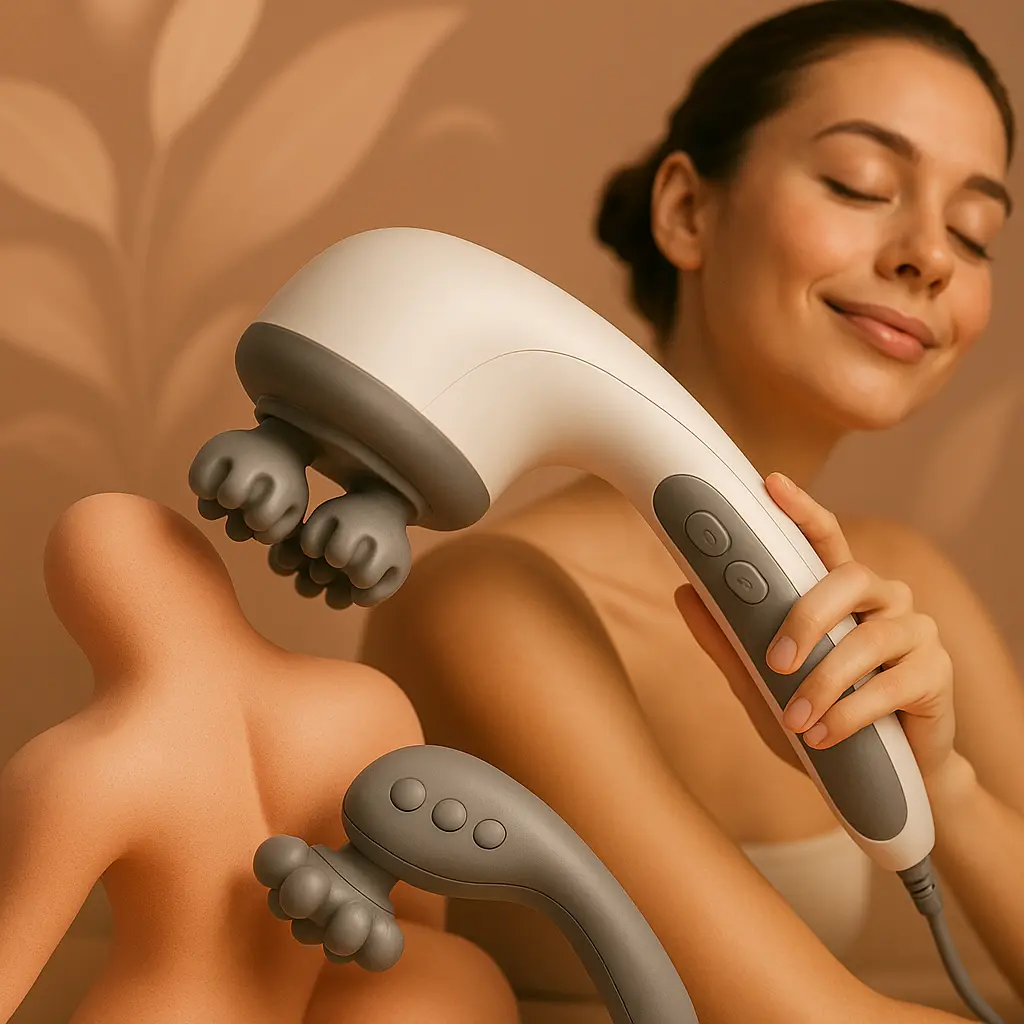
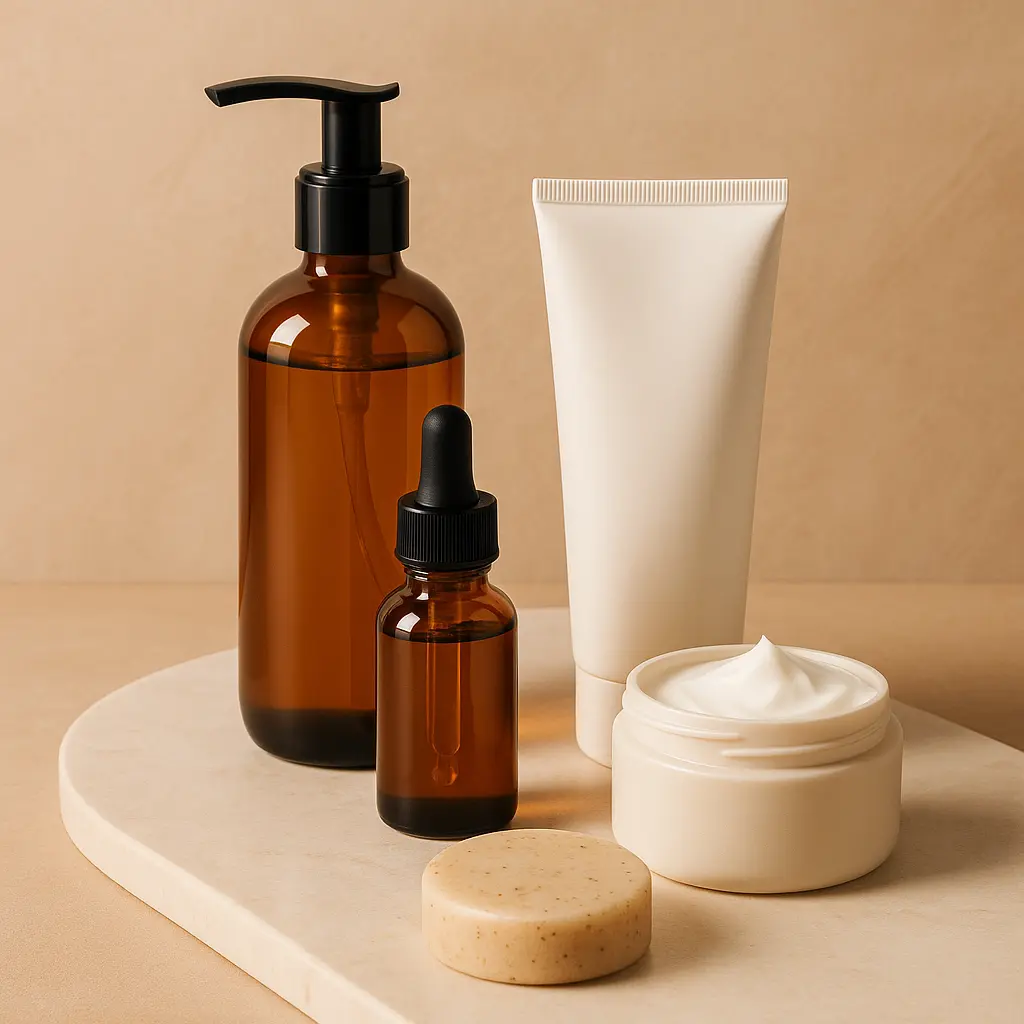


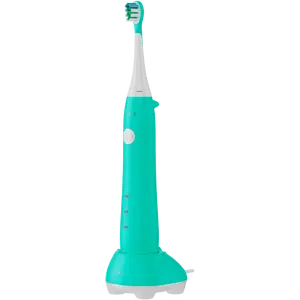
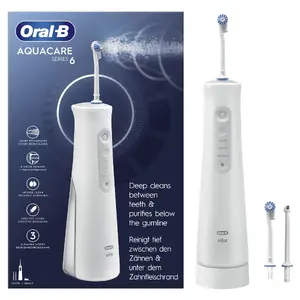
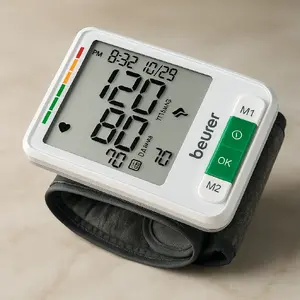

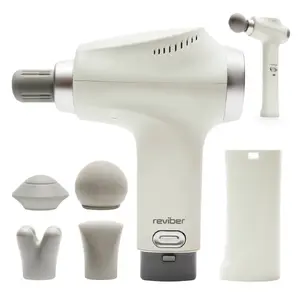

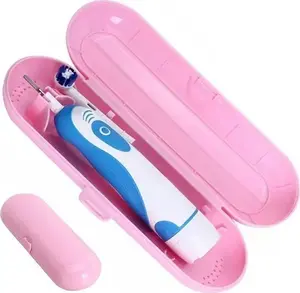
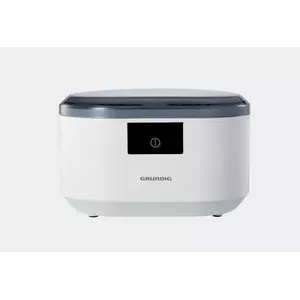

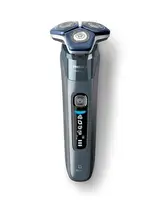
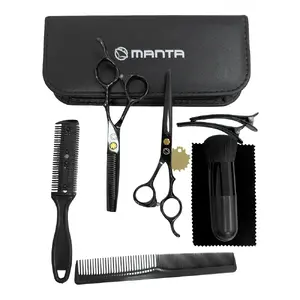
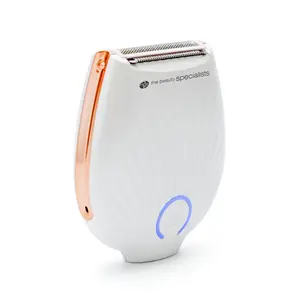
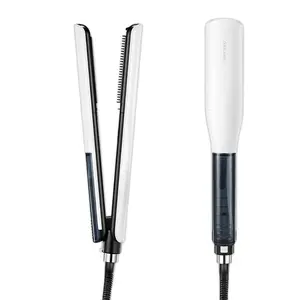
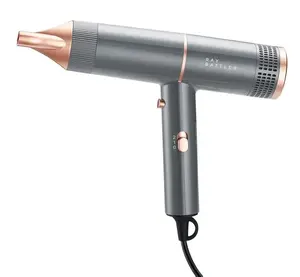
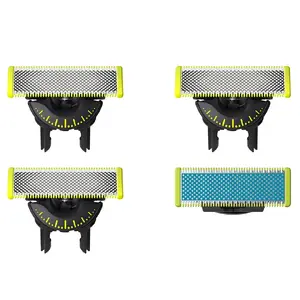
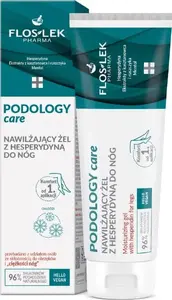

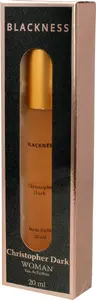
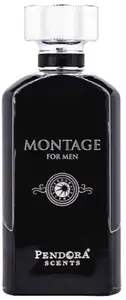

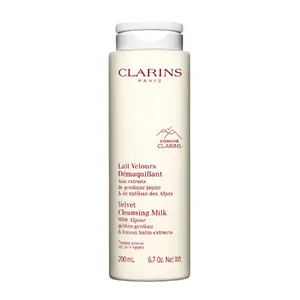
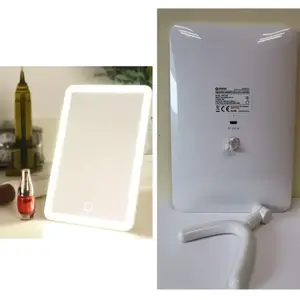
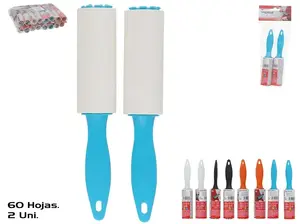
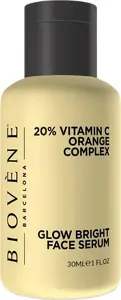
Products for health and beauty include a wide range of non-prescription items designed to support personal hygiene, skin and hair care, oral care, and basic wellness. These products are used to maintain daily cleanliness, protect skin and mucous membranes, improve appearance through topical treatments, and assist routine self-care. Consumers select items from this category for everyday grooming, managing mild skin and hair conditions, supplemental personal hygiene, and as part of preventative care routines. Selections are often based on individual needs such as skin type, hair type, age, sensitivity, and any specific concerns like dryness or oiliness. Packaging, formulation, active ingredients, and instructions for use are practical factors considered when choosing these products. Regulatory classification is typically non-prescription, and many products include standardized labeling with ingredient lists, usage directions, and safety precautions.
Types of Products for health and beauty
The category covers diverse product types that serve different personal care functions.
- Skin care: cleansers, moisturizers, sunscreens, serums, exfoliants, and masks.
- Hair care: shampoos, conditioners, styling products, and scalp treatments.
- Oral care: toothpastes, mouthwashes, and interdental cleaners.
- Body care: soaps, body washes, lotions, deodorants, and hand sanitizers.
- Cosmetic basics: makeup removers, primers, and basic color cosmetics intended for everyday use.
- Personal grooming tools and accessories: brushes, combs, razors, and applicators.
What are Products for health and beauty used for?
These products are used to maintain hygiene, protect and nourish skin and hair, and support everyday personal appearance management.
- Daily cleansing and removal of dirt, oils, and environmental residues.
- Hydration and barrier support to reduce dryness and maintain skin elasticity.
- Sun protection to reduce exposure to ultraviolet radiation when labeled SPF is present.
- Oral hygiene to reduce plaque, freshen breath, and support dental care routines.
- Cosmetic coverage and enhancement for a desired everyday appearance.
- Grooming and maintenance to keep hair and body care practical and manageable.
Key Differences between Products for health and beauty
Differences among products in this category come from formulation, intended use, concentration of active ingredients, and target user characteristics.
- Formulation: creams, lotions, gels, sprays, and solids differ in texture, absorption, and application method.
- Active ingredients: types and concentrations determine intended effect (e.g., moisturizing agents vs. exfoliants).
- Targeted use: products formulated for specific areas (face, body, scalp, teeth) and conditions (sensitive skin, oily hair).
- Safety and compliance: presence of preservatives, fragrance, or allergens affects suitability for sensitive users.
- Packaging and delivery: pump, tube, jar, or sachet formats influence dosing and shelf life.
How to Choose Products for health and beauty?
Select products by matching formulation and ingredients to your individual needs, checking labels for instructions and precautions, and considering compatibility with existing routines.
- Identify your skin and hair type and any sensitivities before selecting products.
- Read ingredient lists to avoid known allergens or irritants and to verify active components.
- Consider product claims and verify them against standardized labeling and instructions for use.
- Start with small quantities or patch tests for new products to assess tolerance.
- Follow usage instructions and storage recommendations to maintain efficacy and safety.


