A curated selection of maximum value offers!

{{ totalProductsCount }}
In cart {{totalProductsCount}} item(s)
In cart {{totalProductsCount}} item(s)
Total:
{{sum | formatAmount}}
Your cart is empty
Wired Equipment
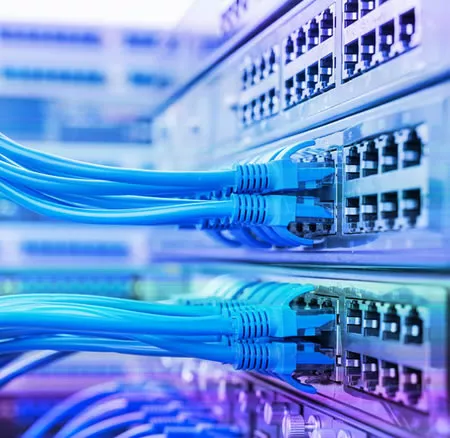
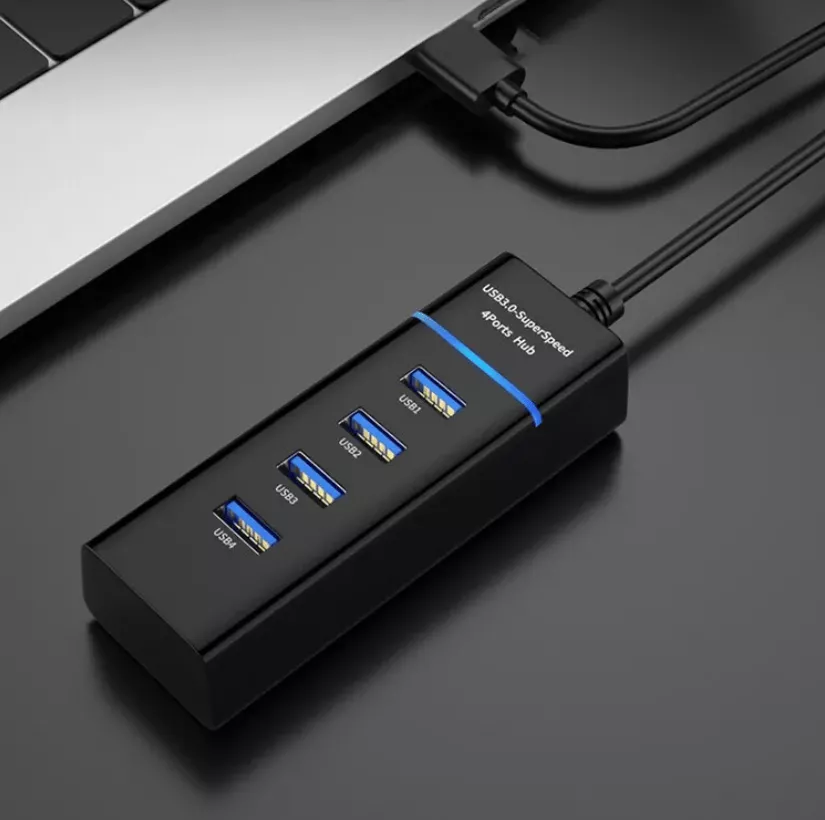
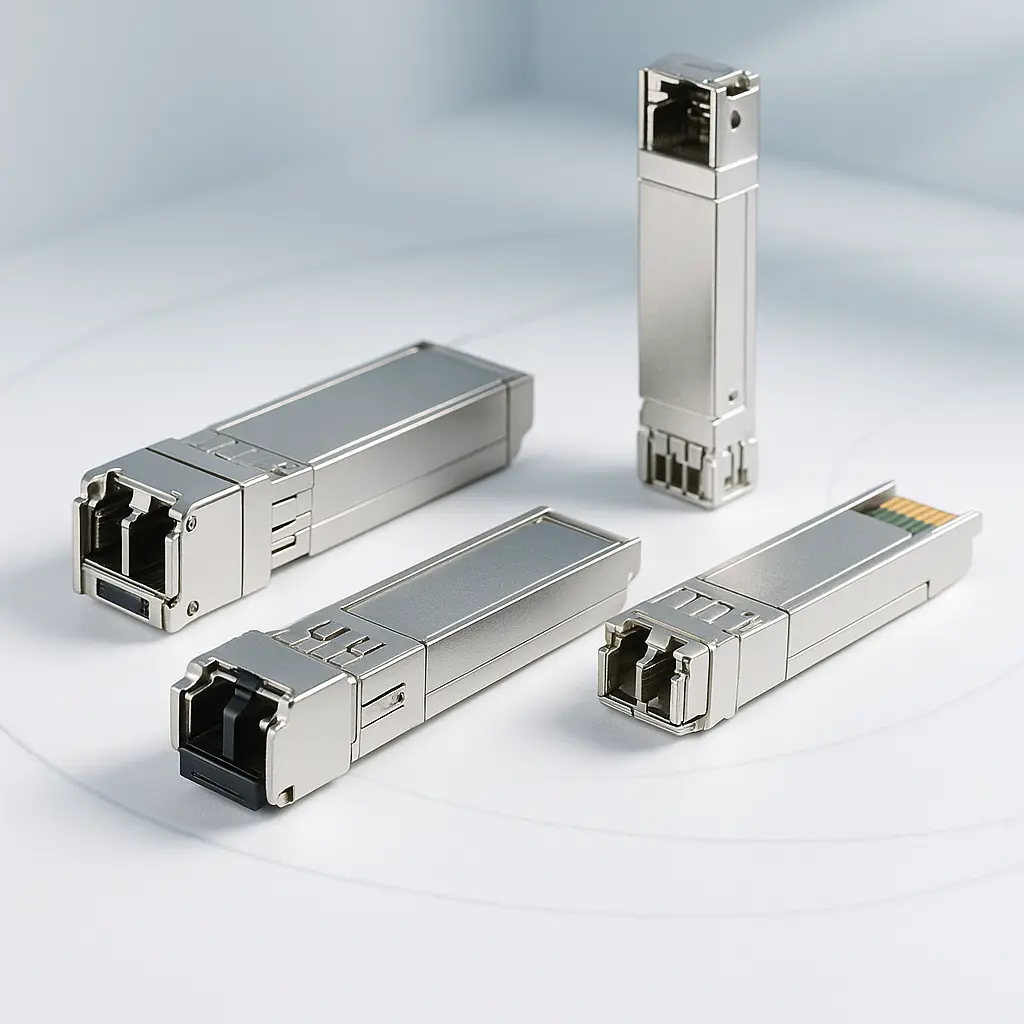
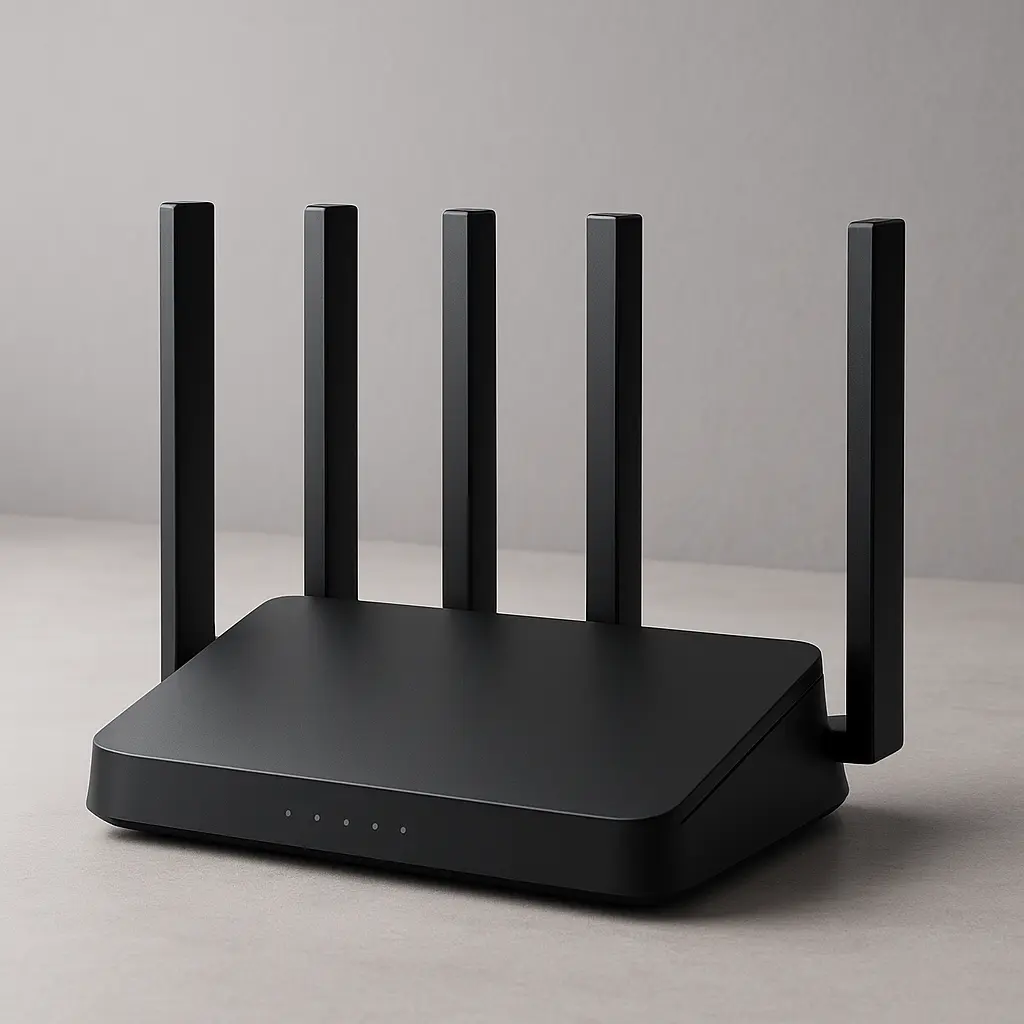
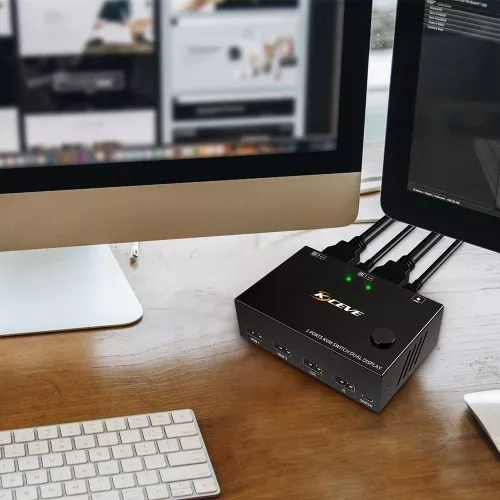
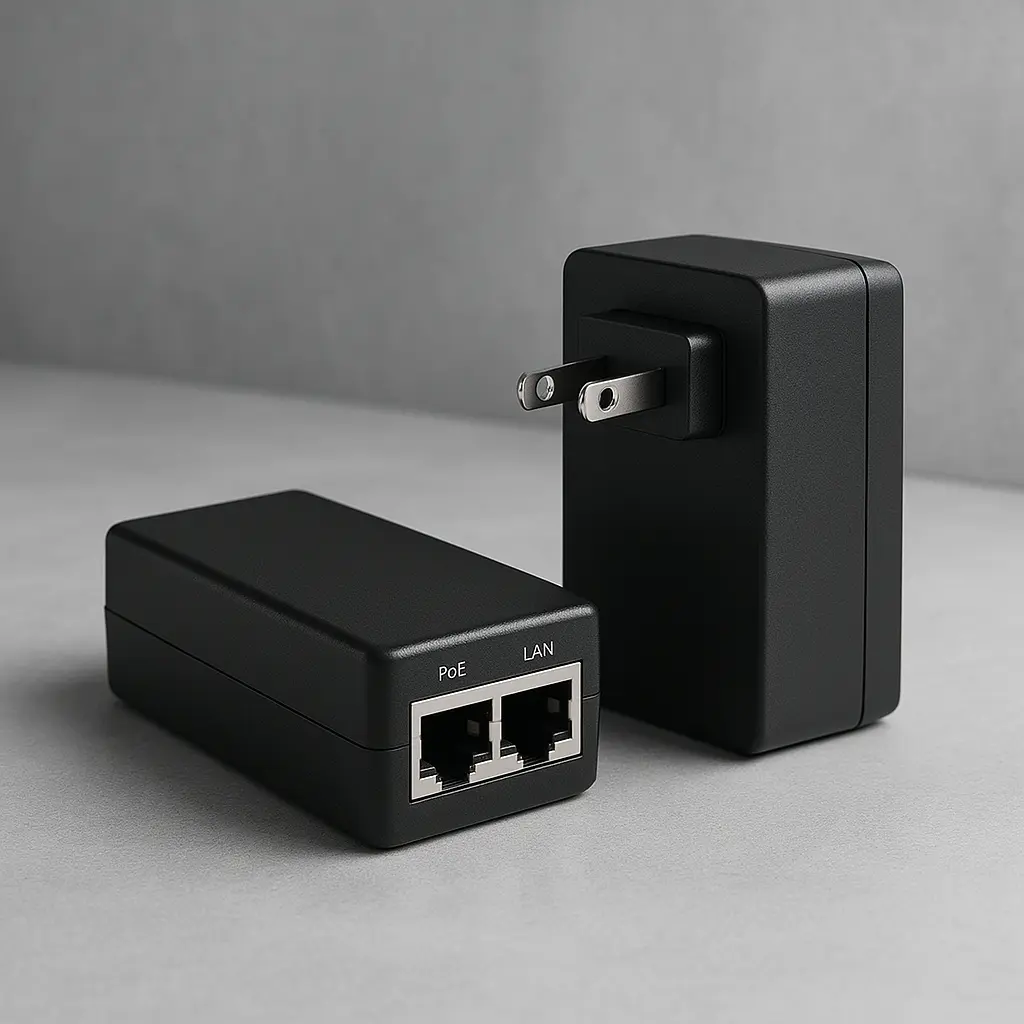
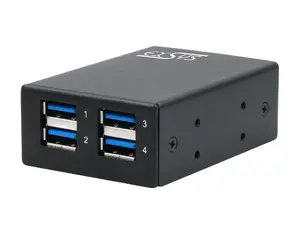
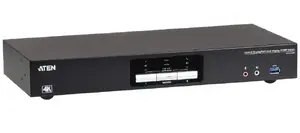
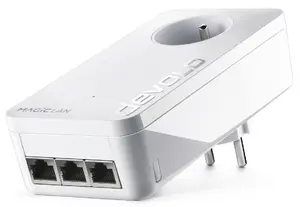
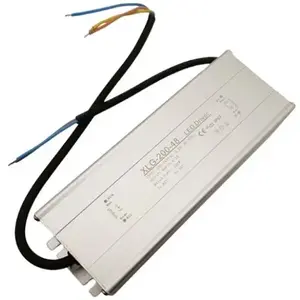
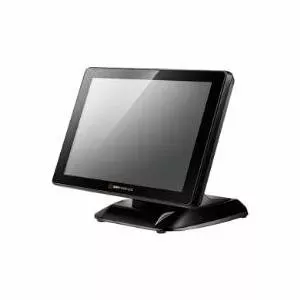
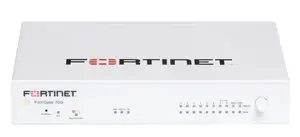
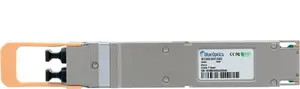
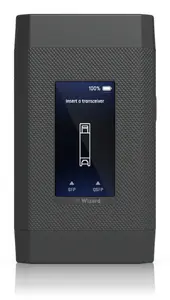
Wired products are physical components and devices that use electrical conductors, cables, or fixed connectors to transmit power, data, or signals between equipment. They include a wide range of items such as power cords, Ethernet cables, audio/video leads, USB and peripheral cables, serial and industrial connectors, and harness assemblies designed for fixed or semi-fixed installations. These products are used where stable, predictable connectivity and consistent performance are required, for example in home networking, office and data-centre infrastructure, professional audio/video setups, and industrial control systems. Users select wired solutions when latency, bandwidth consistency, electromagnetic compatibility, or physical security of a connection are priorities over mobility. Proper selection, installation and maintenance of wired products affect signal quality, safety, and device compatibility, so specifications such as conductor type, shielding, connector standard, gauge, and rated voltage are commonly compared before purchase.
Types of wired products
Below are common categories and examples of wired products available for residential, commercial, and industrial use.
- Power cables and cords: mains leads, appliance cords, extension cables, and power distribution assemblies.
- Network cables: twisted-pair Ethernet (Cat5e, Cat6, Cat6a, Cat7), coaxial cable for broadband and RF, and fiber-optic patch cords.
- Audio and video cables: HDMI, DisplayPort, RCA, XLR, TS/TRS, and speaker wires.
- Data and peripheral cables: USB (various types), Thunderbolt, serial (RS-232/485), SATA and eSATA.
- Connectors and adapters: plugs, jacks, couplers, keystone modules, and gender changers for different standards.
- Industrial and control wiring: multi-core control cables, sensor leads, terminal blocks, and cable harnesses for machinery.
What are wired products used for?
Wired products provide electrical power, enable data transfer, and carry audio/video signals between devices and systems. They are used to establish fixed network links, connect computing equipment to peripherals, supply power to appliances, link professional AV components, and connect sensors and actuators in industrial automation. In situations where predictable bandwidth, low latency, reliable grounding, or resistance to wireless interference are required, wired connections are preferred. They are also used where regulatory or safety requirements dictate physical separation or specific cable ratings.
Key Differences between wired products
Wired products differ by purpose, construction, and electrical characteristics. Key differentiators include:
- Cable type and conductor material: copper, stranded vs solid conductors, and fiber-optic cores influence flexibility and signal loss.
- Shielding and insulation: presence of foil or braid shields and jacket materials affect electromagnetic interference resistance and environmental durability.
- Connector standard and compatibility: connector shape, pinout and standard (e.g., RJ45, HDMI, XLR) determine device compatibility and durability.
- Performance ratings: bandwidth (for data cables), impedance, data rate support, and voltage/current ratings for power cables.
- Environmental and safety ratings: temperature range, flame retardancy, UV resistance, and industry certifications (e.g., UL, CE) affect suitability for specific installations.
How to choose wired products?
Choosing the right wired product requires matching technical specifications to the intended application and environment.
- Identify the required function: power delivery, data communications, audio/video signal, or control wiring.
- Check connector and device compatibility: confirm connector type, pinout, and any protocol-specific requirements.
- Match performance needs: select cable categories or ratings that support required bandwidth, data rates, or current capacity with margin for future needs.
- Consider installation conditions: choose appropriate jacket material, shielding, bending radius, and environmental ratings for indoor, outdoor, or industrial use.
- Review safety and standards: verify compliance with relevant certifications and local electrical codes for safe operation.
- Plan for length and signal integrity: use correct lengths, and consider repeaters, switches, or fiber if runs exceed effective limits of the cable type.


