Save time and money with our discounts!

{{ totalProductsCount }}
In cart {{totalProductsCount}} item(s)
In cart {{totalProductsCount}} item(s)
Total:
{{sum | formatAmount}}
Your cart is empty
Networking Equipment
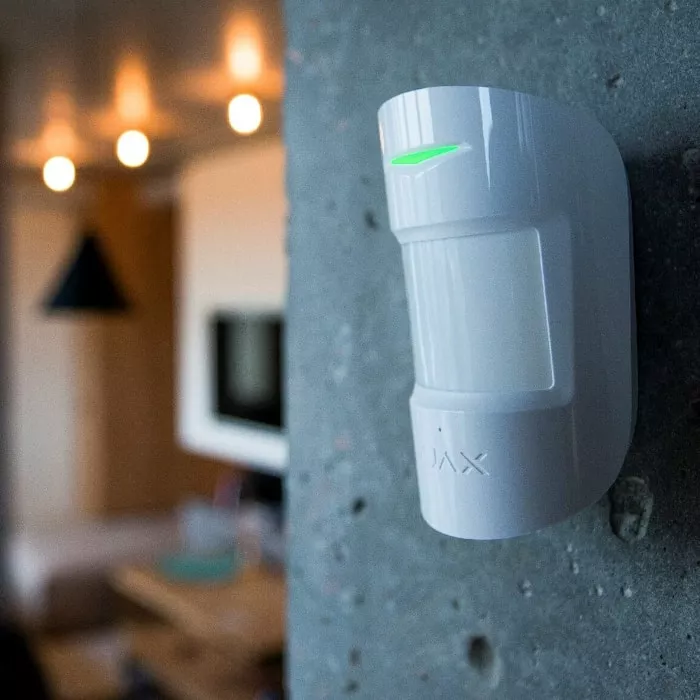
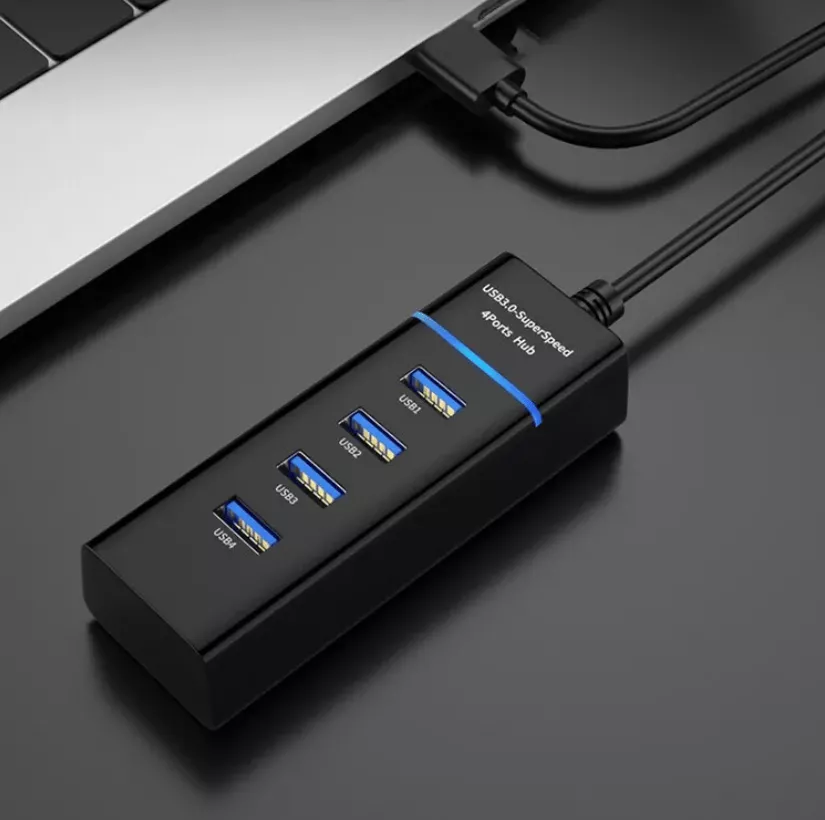
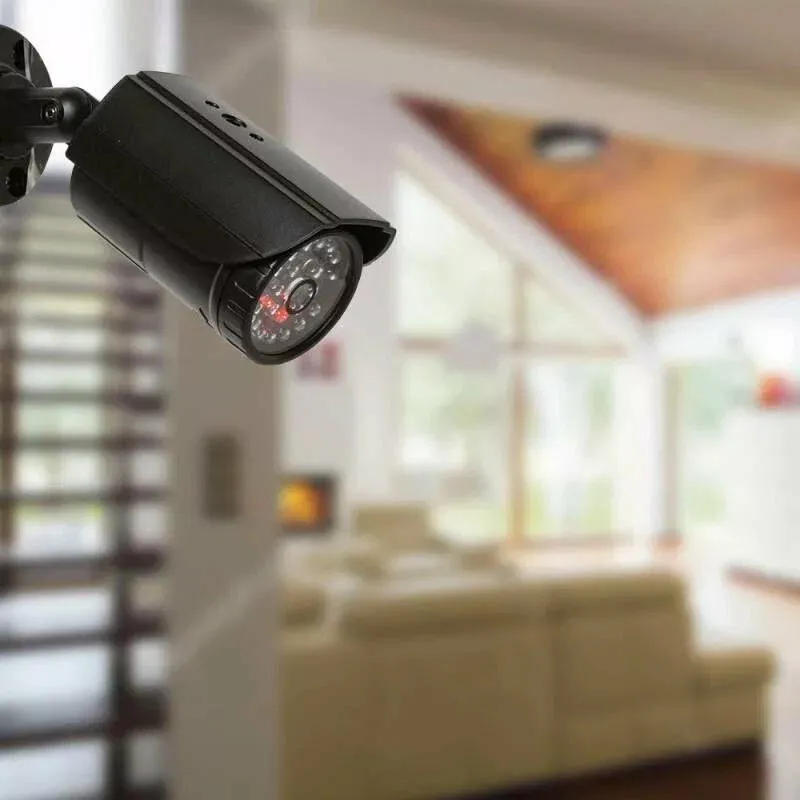
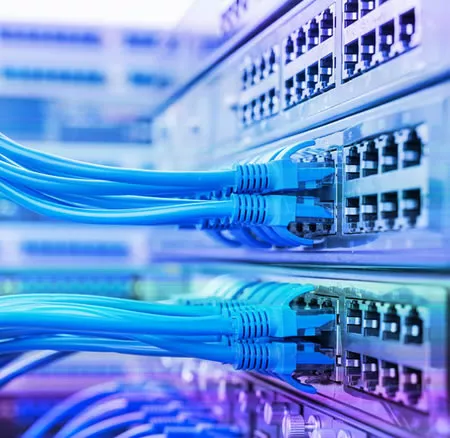
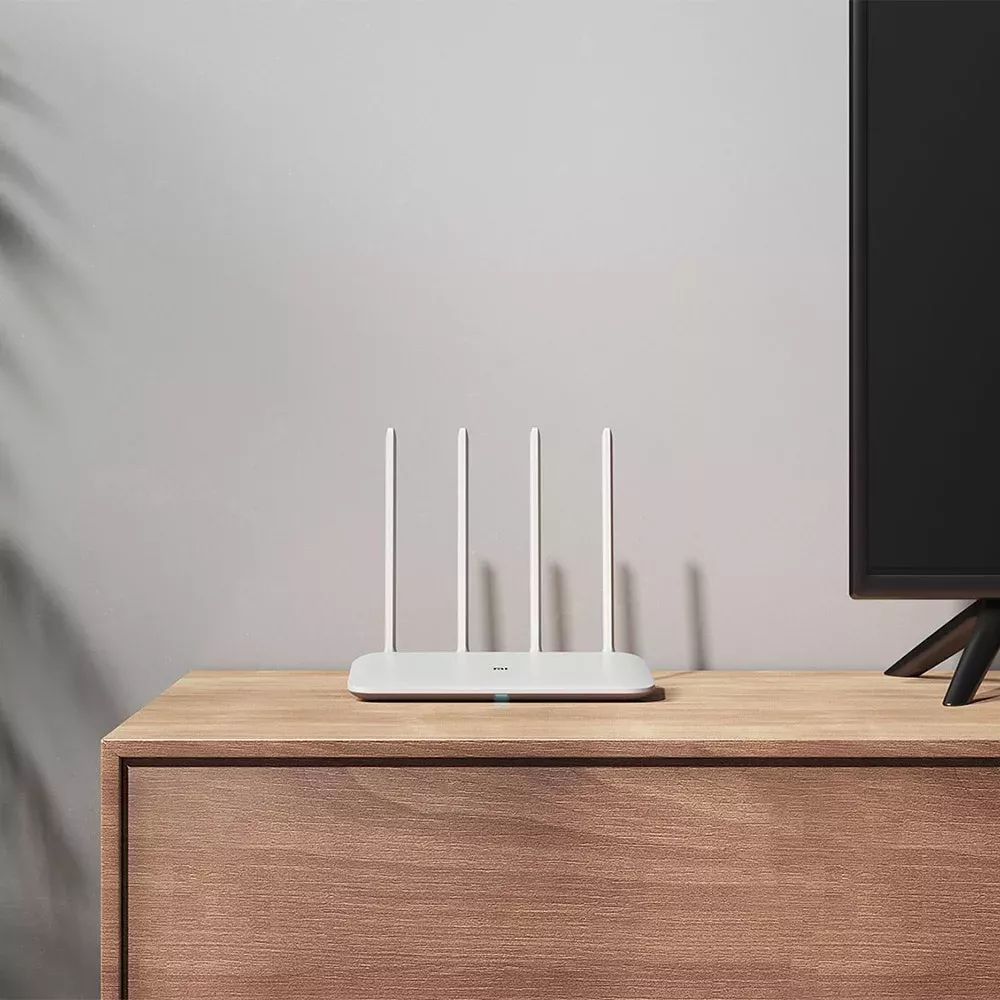

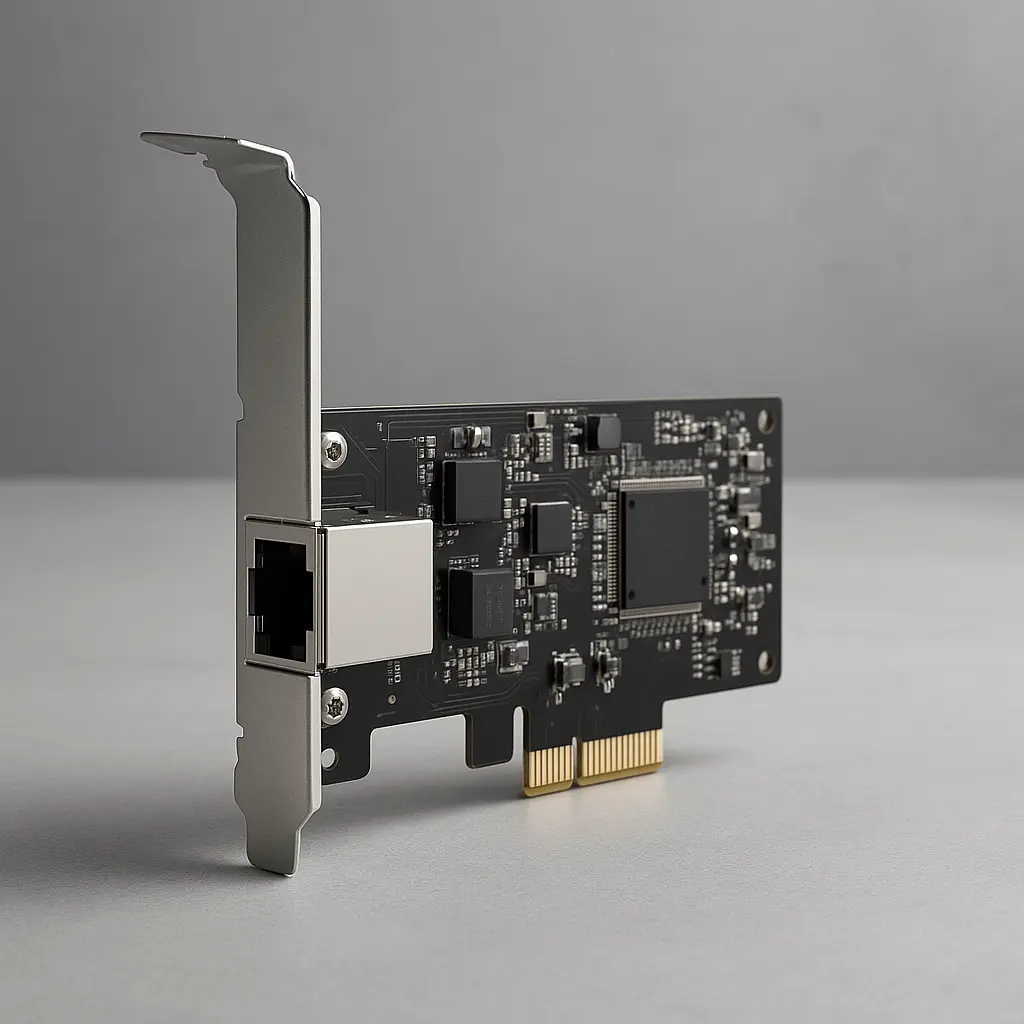
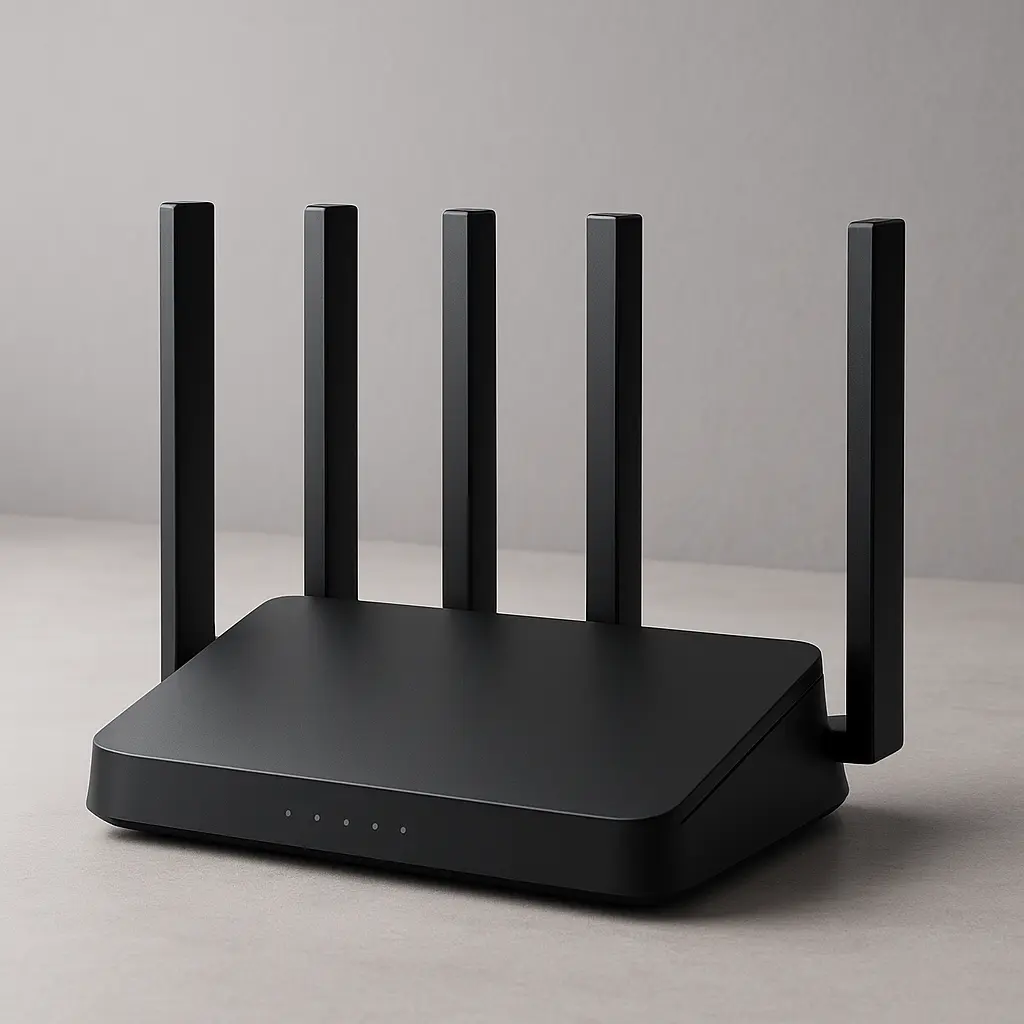
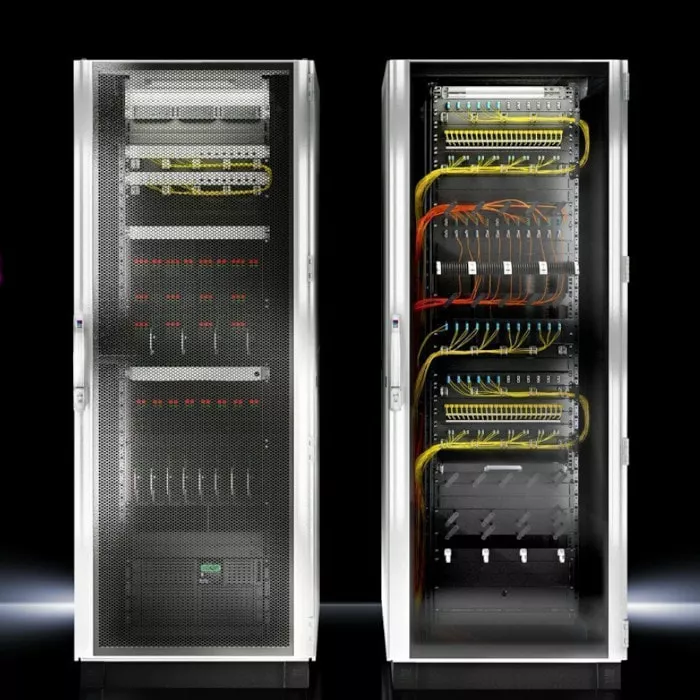
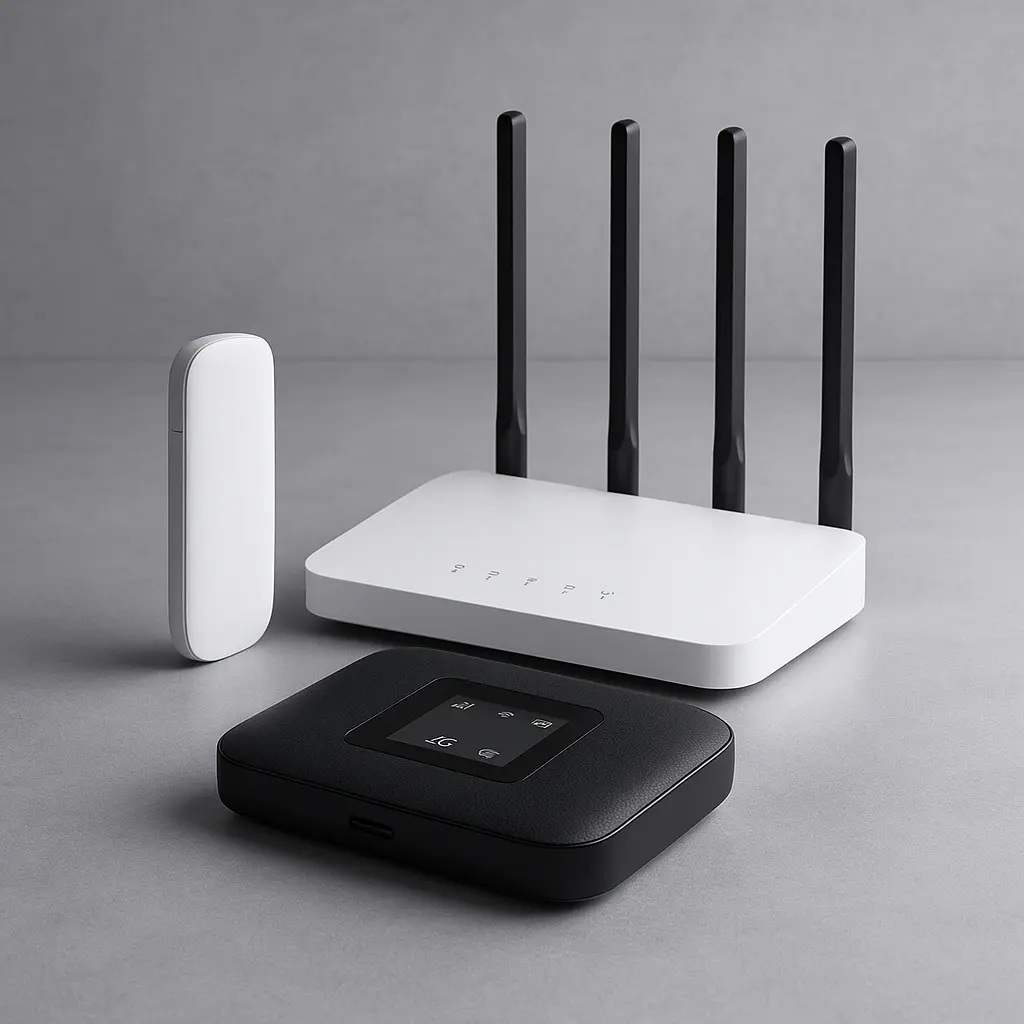
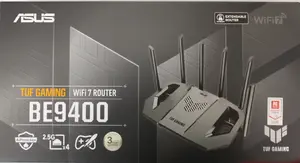
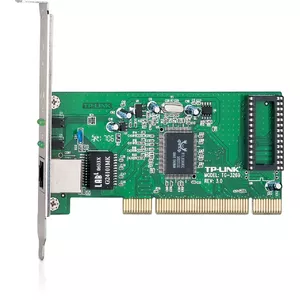
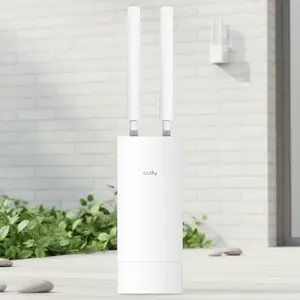


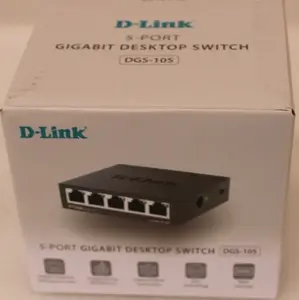
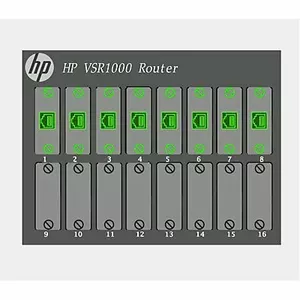
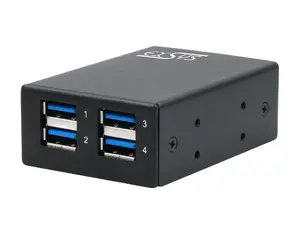
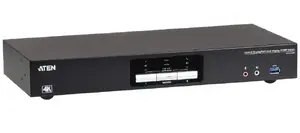

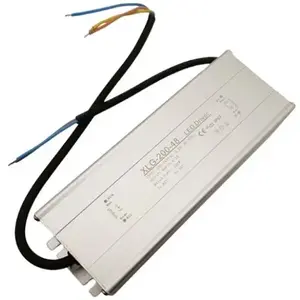
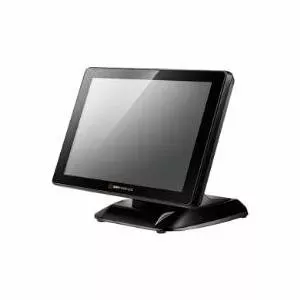
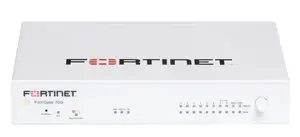
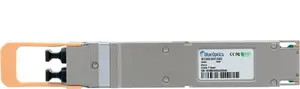
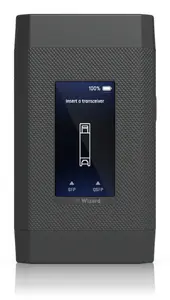

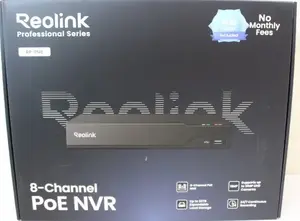
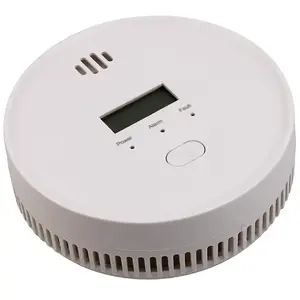

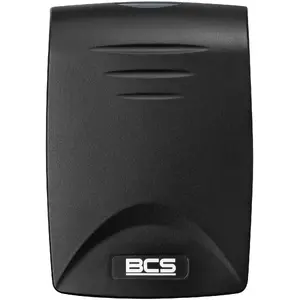
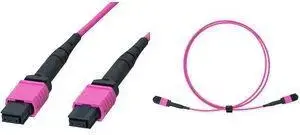
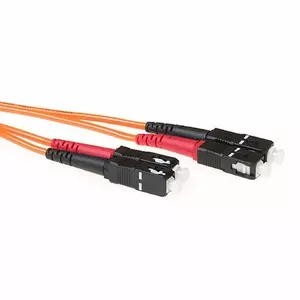
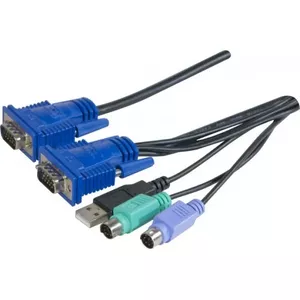


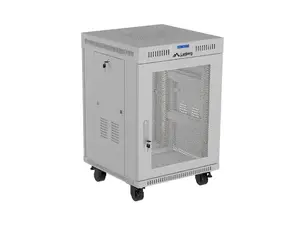
Network equipment encompasses the hardware devices and related components that enable digital communication, data exchange, and connectivity within and between computer networks. These products include routers, switches, access points, firewalls, modems, network adapters, and cabling, and are selected to establish, manage, secure, or extend wired and wireless networks for homes, offices, data centers, and industrial environments. Network equipment is used where reliable, controlled transfer of data is required, whether connecting local devices, linking remote sites, or providing internet access and internal services. Buyers choose specific items based on network size, performance requirements, management and security features, compatibility with existing systems, and physical or environmental constraints. Proper selection and configuration of network equipment affect throughput, latency, reliability, and security of communications across the network. Maintenance, firmware updates, and interoperability with standards such as Ethernet, Wi‑Fi, and IP protocols are important for long-term operation and scalability.
Types of Network equipment
The category includes a range of device types that serve distinct roles in a network.
- Routers — devices that forward data packets between networks and manage traffic routing and network address translation.
- Switches — devices that connect multiple devices on the same network and direct traffic using MAC addresses; available as unmanaged, managed, and stackable models.
- Wireless access points (APs) — devices that provide Wi‑Fi connectivity and extend wireless coverage indoors and outdoors.
- Firewalls and unified threat management (UTM) appliances — devices that enforce security policies, filter traffic, and protect networks from threats.
- Modems and gateway devices — hardware that interfaces between a local network and an internet service provider over DSL, cable, fiber, or cellular links.
- Network interface cards (NICs) and USB adapters — components that add wired or wireless connectivity to computers and servers.
- Cabling and transceivers — physical media and optical/electrical modules used to connect devices across different distances and speeds.
- Network controllers and management appliances — centralized systems for configuring, monitoring, and orchestrating multiple network devices.
What are Network equipment used for?
Network equipment is used to create and maintain communication paths between devices, enable internet access, and support services such as file sharing, voice and video communication, and centralized applications. These devices handle traffic routing, switching, wireless access, security enforcement, and connection to service providers. In business environments, network equipment supports segregated networks, VPNs, quality of service (QoS) for critical applications, and monitoring for performance and faults. In residential settings, they provide home internet access, Wi‑Fi coverage, and basic device interconnection. In industrial and specialized deployments, ruggedized or purpose-built equipment connects sensors, controllers, and automation systems where reliability and environmental tolerance are required.
Key Differences between Network equipment
Network equipment varies by performance, functionality, management capability, and intended use case.
- Performance — measured by throughput (Gbps), port speed, supported concurrent sessions, and wireless bandwidth.
- Functionality — features such as routing protocols, VLAN support, firewall rules, VPN, and QoS determine device capabilities.
- Management — unmanaged devices offer plug‑and‑play operation, while managed devices provide configuration, monitoring, and diagnostic tools via web, CLI, or centralized controllers.
- Scalability — form factor, stacking or clustering options, and support for additional modules affect how networks grow.
- Security — built‑in security features and support for updates and authentication methods influence protection levels.
- Environmental design — consumer‑grade, enterprise, and industrial models differ in build quality, power options, and operating temperature ranges.
How to Choose Network equipment?
Choosing network equipment requires matching device capabilities to network requirements and constraints.
- Define requirements — identify the number of users and devices, expected traffic patterns, required speeds, latency sensitivity, and specific services (VoIP, video, cloud access).
- Consider compatibility — ensure devices support necessary protocols, cabling types, and integrate with existing hardware and management systems.
- Evaluate performance and capacity — choose devices with adequate throughput, port count, and wireless capacity for current needs and foreseeable growth.
- Prioritize security and update support — select equipment with security features appropriate to the environment and a clear firmware update policy.
- Decide on management level — choose unmanaged hardware for simple setups and managed or controller‑based solutions for monitoring, segmentation, and advanced configuration.
- Assess physical and environmental requirements — consider rackmount, PoE (Power over Ethernet), redundancy, and environmental ratings for deployment sites.
- Plan for budget and total cost of ownership — include initial cost, licensing, maintenance, and potential expansion expenses when comparing options.


