Save time and money with our discounts!

{{ totalProductsCount }}
In cart {{totalProductsCount}} item(s)
In cart {{totalProductsCount}} item(s)
Total:
{{sum | formatAmount}}
Your cart is empty
Wireless Range Extender
Fast delivery available
Asus
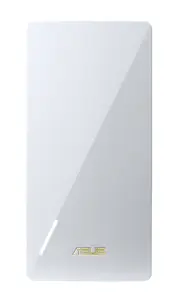
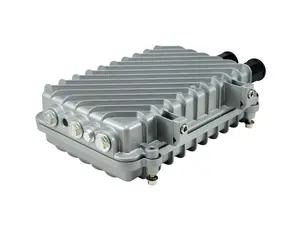
Asus RP-BE58 Network Repeater White 3600 Mbit/s 204 m Transfer Distance
Delivery: Tuesday
61.99 €
Excellent choice
Excellent choice
New Arrival
TP-LINK
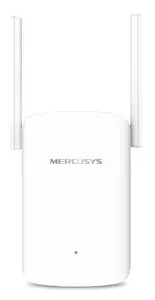
Mercusys AX1500 Wi-Fi 6 Range Extender ME60X Network Repeater with Gigabit Ethernet Port and Dual-Band Support
Delivery: 30.10.2026
36.49 €
New Arrival
D-Link
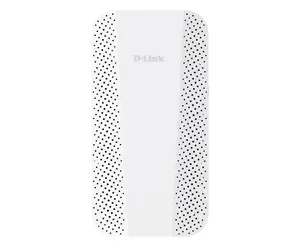
D-Link SE30 Network Repeater White Wi-Fi 6 Gigabit Ethernet 3000 Mbit/s
Delivery: 05.11.2026
56.99 €
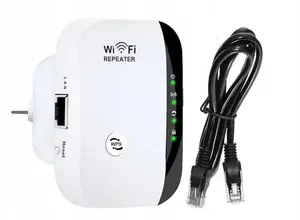
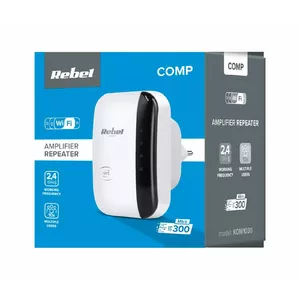
Rebel
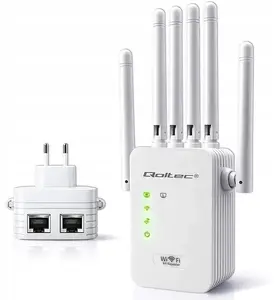
Wireless Access Point Rebel KOM1030 802.11ac Dual Band up to 300 Mbps
Delivery: Tuesday
9.99 €
Fast shipping
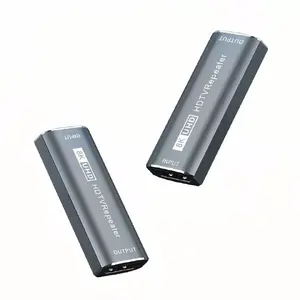
RoGer
HDMI Repeater RoGer RO-HDTV8KREPEATER 8K UHD — signal extender for HDMI up to 25 m
Delivery: Monday
10.49 €
Fast shipping
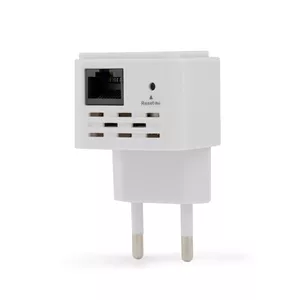
GEMBIRD
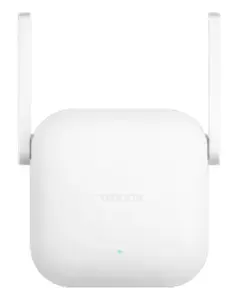
Network repeater Gembird WNP-RP300-03, 300 Mbps, 2.4 GHz, 3 dBi internal antenna, 1x RJ-45
Delivery: Friday
11.99 €
Fast delivery available
Fast shipping
MERCUSYS
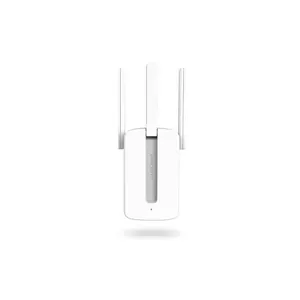
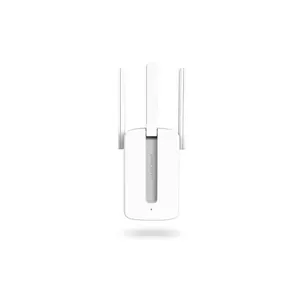
Network repeater MERCUSYS MW300REV3 2.4 GHz single-band, 300 Mbps, 3 antennas, white
Delivery: Friday
13.99 €
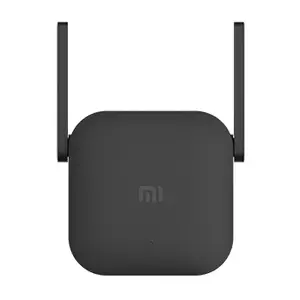
Xiaomi
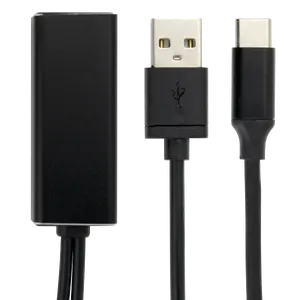
Network repeater Xiaomi Mi Wi-Fi Range Extender Pro 300 Mbit/s Black
Delivery: 02.11.2026
15.49 €
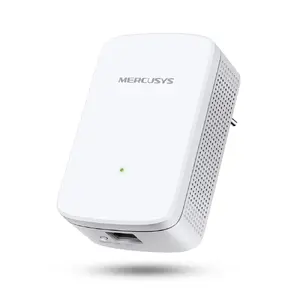
TP-LINK
Network Repeater Mercusys 300 Mbps Wi-Fi Range Extender 300 Mbit/s
Delivery: 05.11.2026
15.49 €
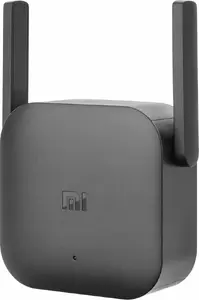
Xiaomi
Network repeater Xiaomi Mi Wi-Fi Range Extender Pro 300 Mbit/s Black
Delivery: 02.11.2026
16.49 €
Fast shipping
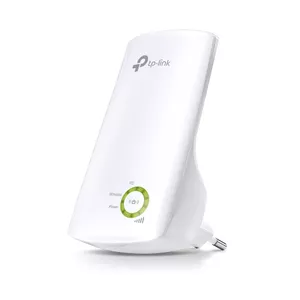
Wireless range extenders are network devices designed to increase the coverage area of an existing Wi‑Fi network by receiving and retransmitting the wireless signal. They are commonly installed where the primary router’s signal is weak or blocked by walls, floors, or distance, and are used to reduce dead zones in homes, offices, and public spaces. Range extenders operate by connecting to the original access point and broadcasting an amplified or relayed network, often preserving the same SSID or offering a separate network name. Users select extenders when improving signal strength is more practical than changing router placement, upgrading wiring, or installing additional access points. These devices vary in physical form factor, installation method, and supported Wi‑Fi standards, which affects compatibility and performance.
Types of Wireless Range Extender
Common designs and configurations of range extenders include:
- Plug-in extenders: compact units that plug directly into a power outlet and provide extension of 2.4 GHz and/or 5 GHz bands.
- Desktop extenders: larger units with external antennas and more ports for flexible placement and wired connections.
- Mesh satellite extenders: modules that work with a mesh-capable router system to create a seamless network with dynamic backhaul management.
- Dual-band and tri-band extenders: devices that support multiple frequency bands to reduce interference and improve throughput.
- Powerline extenders with Wi‑Fi: hybrid devices that use electrical wiring for backhaul and provide a Wi‑Fi access point at the remote location.
What are Wireless Range Extender used for?
Range extenders are used to address specific wireless coverage needs and scenarios.
- Eliminating dead zones in rooms and areas where the router signal is weak or unreliable.
- Improving signal strength for devices that are far from the main router, such as smart TVs, game consoles, or security cameras.
- Providing temporary or targeted coverage in garages, patios, basements, or multi‑story homes without rewiring.
- Extending Wi‑Fi to small offices or public areas where adding a second router or wired access point is impractical.
- Supporting legacy routers by adding modern wireless standards or additional frequency bands through an extender.
Key Differences between Wireless Range Extender
When comparing range extenders, several technical and practical differences matter.
- Supported Wi‑Fi standards (for example, 802.11n, 802.11ac, 802.11ax) determine maximum theoretical speeds and compatibility with client devices.
- Frequency bands (single‑band, dual‑band, tri‑band) affect congestion handling and available throughput for connected devices.
- Backhaul method: wireless backhaul reduces installation complexity but can halve effective throughput in some configurations; wired or dedicated backhaul preserves performance.
- Ethernet ports and USB ports enable wired device connections or integration with local storage and peripherals.
- Antennas and transmit power influence range and penetration through obstacles, while placement affects real‑world performance more than maximum ratings.
- Installation features such as WPS, web-based setup, mobile apps, and LED indicators affect ease of deployment and management.
How to Choose Wireless Range Extender?
Selecting an appropriate range extender depends on environment, devices, and performance needs.
- Assess the coverage gap: identify dead zones and measure signal strength near those areas before choosing capacity and placement.
- Match Wi‑Fi standards and bands: choose an extender that supports the router’s standards (and client devices) to avoid bottlenecks.
- Consider backhaul options: prefer wired or mesh-capable extenders when high throughput and low latency are required.
- Check available ports and antenna configuration: use extenders with Ethernet ports if you need stable wired connections or plan to connect a switch or smart device.
- Evaluate installation and management: look for clear setup options (WPS, app, or web GUI), firmware update support, and security features like WPA3 if required.
- Balance size and placement: plug-in units are space-saving but may offer fewer ports; desktop units provide more features but require surface space.
Which wireless range extender are the most popular and affordable in 2026?
The full list of popular models at affordable prices is available on this page. In 2026, the following models show high demand and an excellent price-to-quality ratio:
- Mercusys AX1500 Wi-Fi 6 Range Extender ME60X Network Repeater with Gigabit Ethernet Port and Dual-Band Support for 36.49€
- D-Link SE30 Network Repeater White Wi-Fi 6 Gigabit Ethernet 3000 Mbit/s for 56.99€
Why is it worth buying wireless range extender at AiO.lv?
At the AiO.lv online store, you can place an order at a great price with delivery across Latvia — to Riga, Daugavpils, Liepaja, Jurmala, Ventspils, and other cities, as well as throughout Europe. We offer products from leading manufacturers: D-Link, Netgear, PLANET, Zyxel, Asus, OEM, one for all, GEMBIRD, EDIMAX, AXIS, TP-LINK, STRONG, TENDA, DELTACO, AVM, UBIQUITI, INTELLINET, MikroTik, LEVELONE, QOLTEC. When you shop with us, you get:
- official warranty and guaranteed quality;
- convenient payment options (including installment and credit);
- fast and reliable delivery across Latvia and to any EU country.
FAQ
Where can you find a wireless range extender with cheap prices?
You can buy cheaper at the AiO.lv online store. We offer competitive prices and regular discounts, so you always have the chance to find a great deal.
What is the delivery time for wireless range extender?
If you place your order today, delivery will take between 1 and 5 business days depending on the chosen method.
How long is the warranty period for wireless range extender?
Our store provides an official manufacturer’s warranty ranging from 12 to 36 months, depending on the model and brand. If needed, you can always contact our customer service department or the manufacturer’s authorized service center for support.
Are wireless range extender purchasable with leasing?
Yes, if the selected product costs more than €50. You can learn more about installment purchase options and the terms of application on the Payment page.
Can wireless range extender be purchased for a company (with VAT)?
Yes. AiO.lv works with legal entities in Latvia and throughout Europe. All product prices are shown with VAT included. In certain cases, a 0% VAT rate may apply — for example, when purchasing from other EU countries with a valid VAT number. We issue an invoice immediately after the order is placed, support BIS electronic invoices, and automatically generate all required accounting documents. To complete a purchase for a company, simply select the company profile during checkout.


