Powerful EcoFlow stations for energy anywhere!

{{ totalProductsCount }}
In cart {{totalProductsCount}} item(s)
In cart {{totalProductsCount}} item(s)
Total:
{{sum | formatAmount}}
Your cart is empty
Writing Accessories
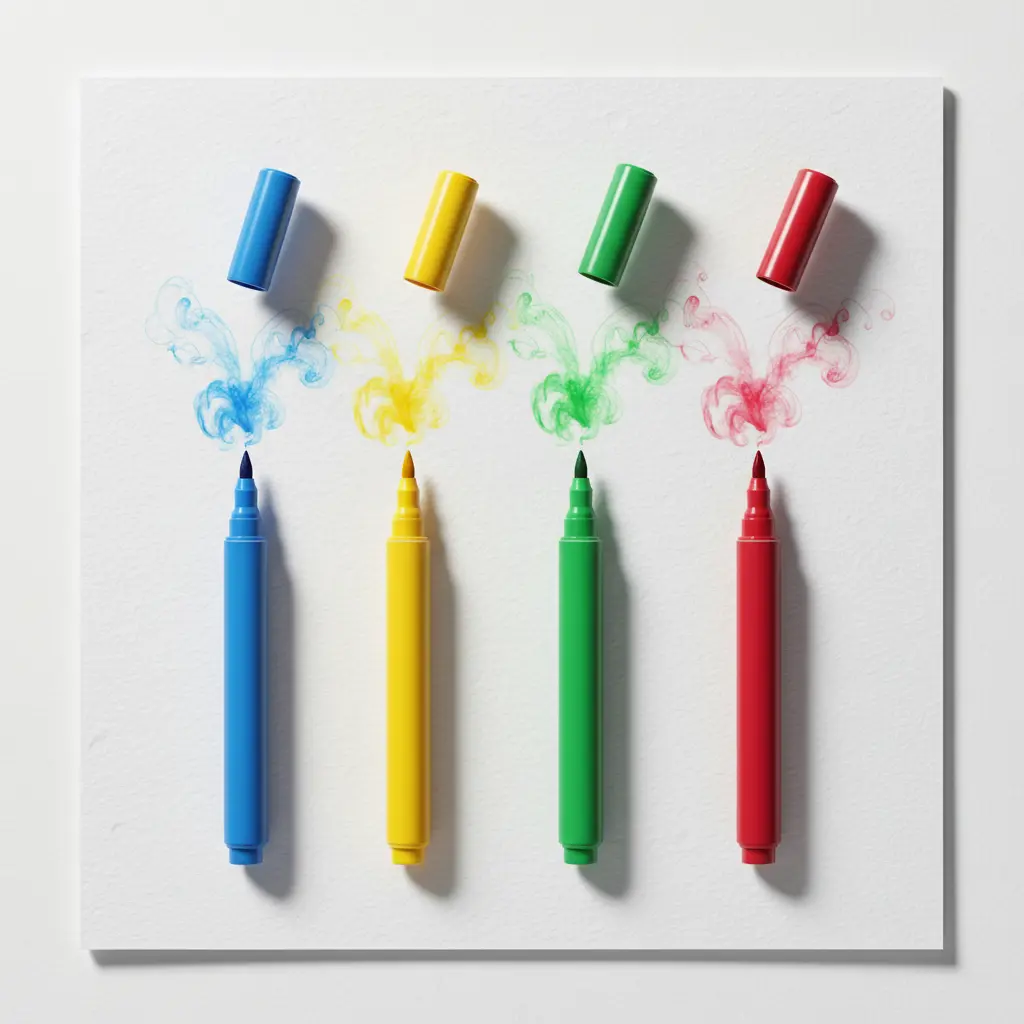

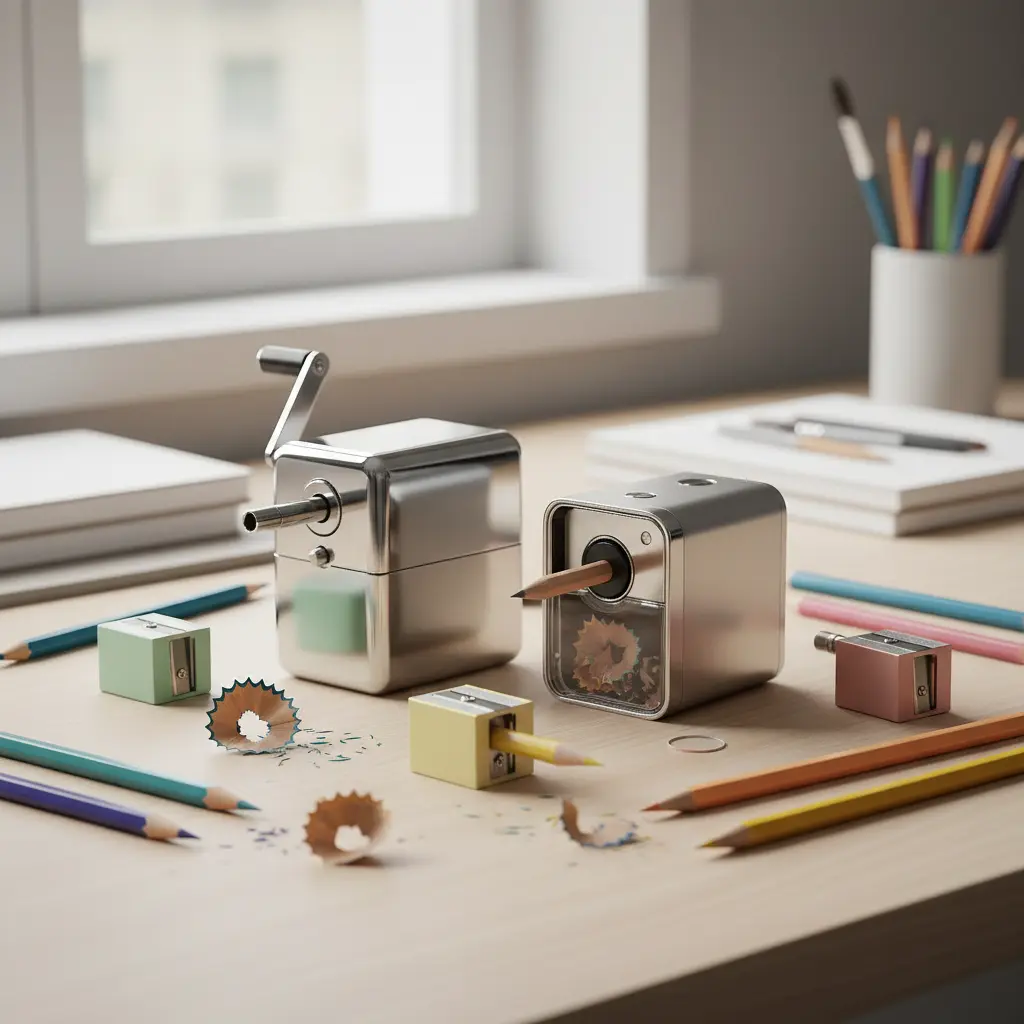


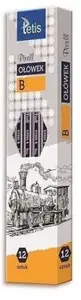
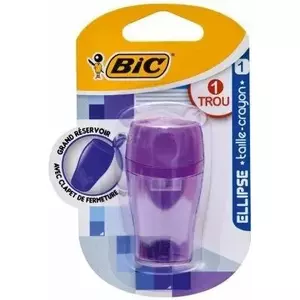
Writing instruments are handheld tools designed to apply marks to paper and other surfaces for communication, record-keeping, drawing, and notation. This category includes pens, pencils, markers, highlighters, mechanical pencils, fountain pens, and specialty instruments, each supplying ink, graphite, or pigment in controlled ways. Users select writing instruments for tasks such as note-taking, office work, sketching, drafting, study, and professional documentation where legibility and durability matter. Choices depend on factors like ink or lead type, line width, drying time, erasability, and surface compatibility. Writing instruments are used across educational, professional, and personal settings and are chosen when a physical, portable method of recording or illustrating information is required.
Types of Writing instruments
The category contains a range of product types differentiated by writing medium and mechanism.
- Pens: ballpoint, gel, rollerball — use liquid or paste ink delivered by a tip.
- Fountain pens: use liquid ink from a cartridge or converter and a nib for variable line quality.
- Pencils: wooden graphite pencils available in varying hardness grades for general writing and drawing.
- Mechanical pencils: use replaceable leads and a mechanical feed for consistent line width.
- Markers and permanent markers: pigment-based or solvent inks for bold lines and marking on multiple surfaces.
- Highlighters: translucent fluorescent inks for emphasizing text without obscuring it.
- Specialty instruments: styluses, calligraphy pens, technical pens, and archival pens made for specific tasks.
What are Writing instruments used for?
Writing instruments serve multiple practical purposes across contexts where a physical mark or inscription is needed.
- Note-taking and studying: quick legible writing and annotation of texts or notebooks.
- Office and administrative work: signing documents, filling forms, and everyday correspondence.
- Drawing and sketching: pencils and pens for preliminary sketches, technical drawings, and illustrations.
- Highlighting and organizing information: using highlighters and colored pens to categorize or emphasize content.
- Archival and official records: using archival-quality inks or fountain pens where longevity and stability matter.
Key Differences between Writing instruments
Differences among writing instruments arise from their ink or lead chemistry, delivery mechanism, tip size, and intended use.
- Ink vs. lead: pens use ink (liquid or gel) while pencils use graphite or colored leads.
- Tip type and size: nibs, ball tips, and mechanical leads determine line width and texture.
- Drying and permanence: some inks dry quickly and resist smudging, others are designed to be fade-resistant or archival.
- Erasability and correction: graphite and erasable inks allow corrections, while permanent inks do not.
- Refillability and disposability: some instruments are refillable (cartridges, converters, refill leads), others are disposable and replaced when depleted.
How to Choose Writing instruments?
Select writing instruments by matching product characteristics to the intended task and personal preferences.
- Consider the writing surface: choose permanent markers for non-paper surfaces and appropriate paper-friendly inks for notebooks.
- Decide on line quality: fine tips and mechanical pencils suit technical work; broader tips and markers suit bold marking or signage.
- Check ink properties: look for quick-drying, archival, or waterproof inks depending on document longevity and handling.
- Evaluate comfort and ergonomics: weight, grip shape, and balance affect extended writing comfort.
- Factor in maintenance and cost: refillable instruments reduce waste and long-term cost; disposable options offer convenience for occasional use.


