A curated selection of maximum value offers!

{{ totalProductsCount }}
In cart {{totalProductsCount}} item(s)
In cart {{totalProductsCount}} item(s)
Total:
{{sum | formatAmount}}
Your cart is empty
Climate Control

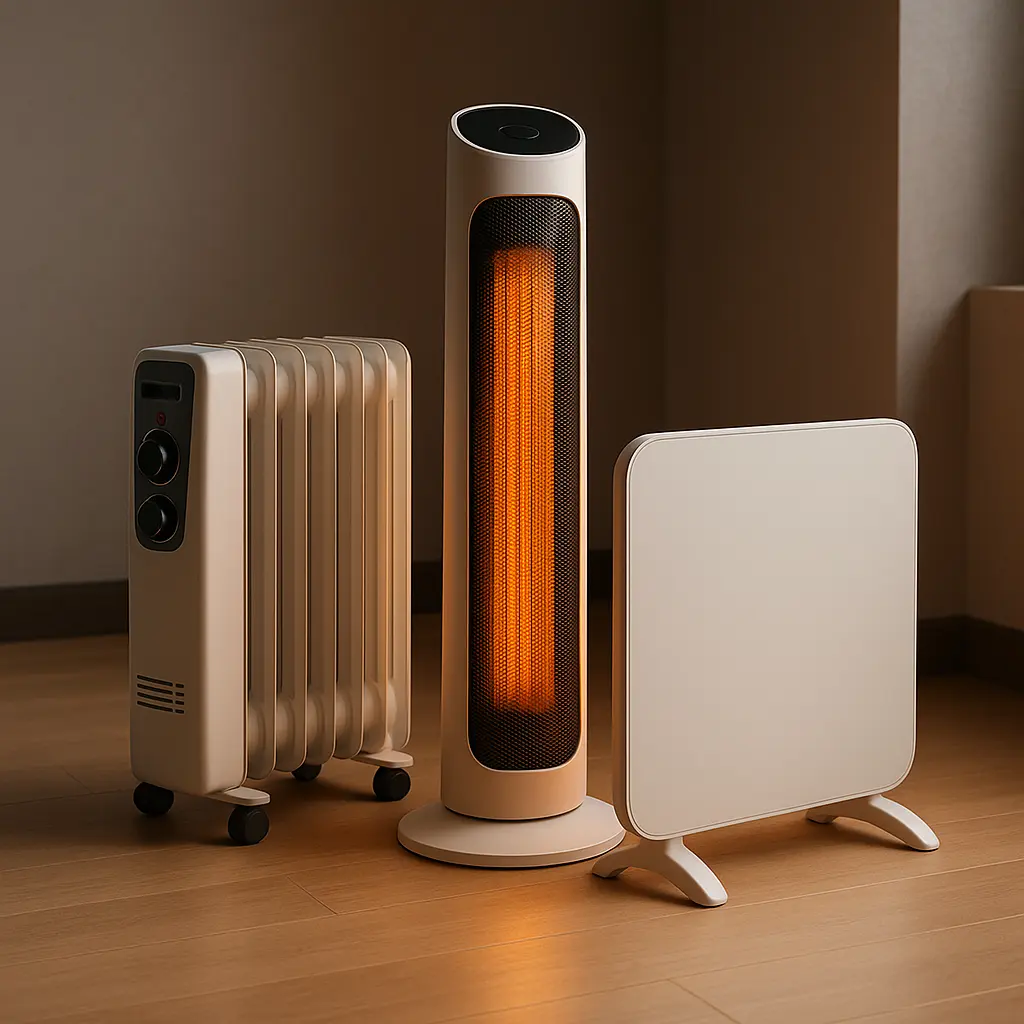
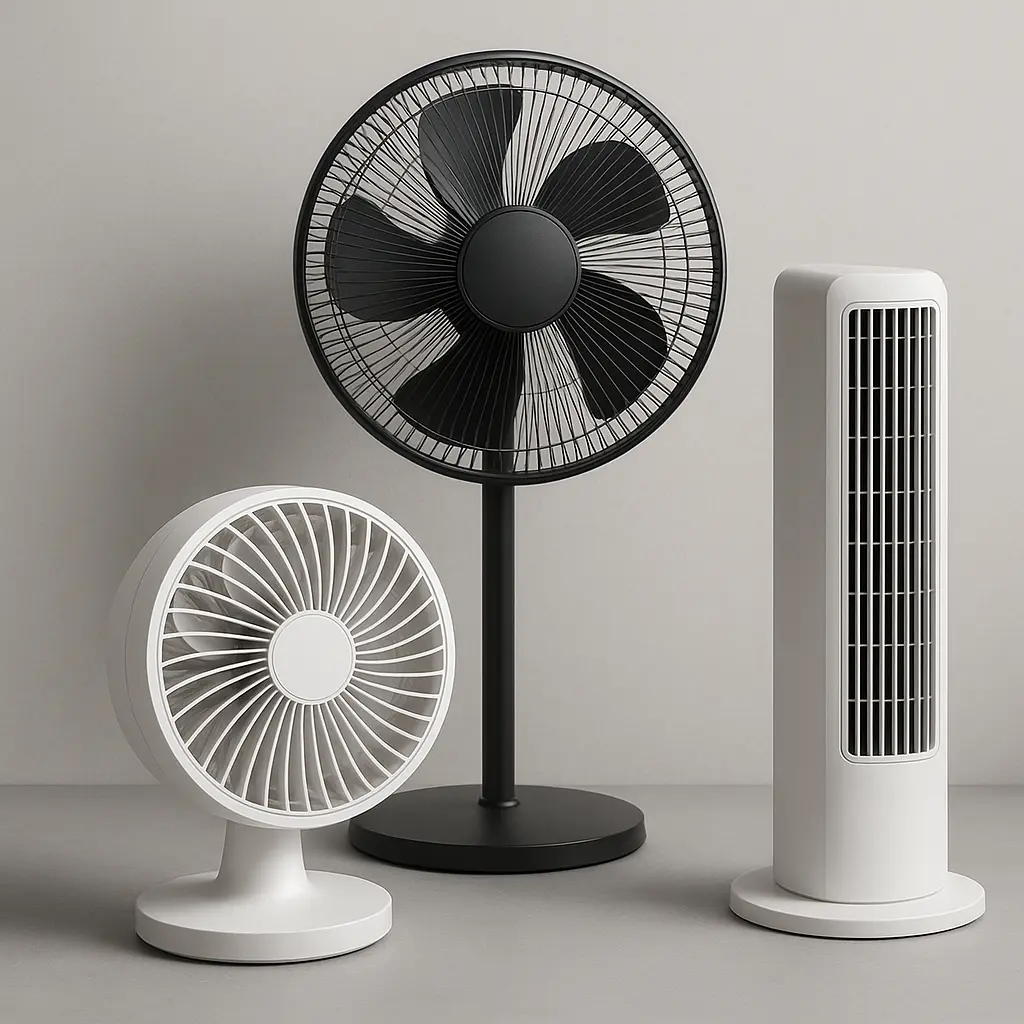
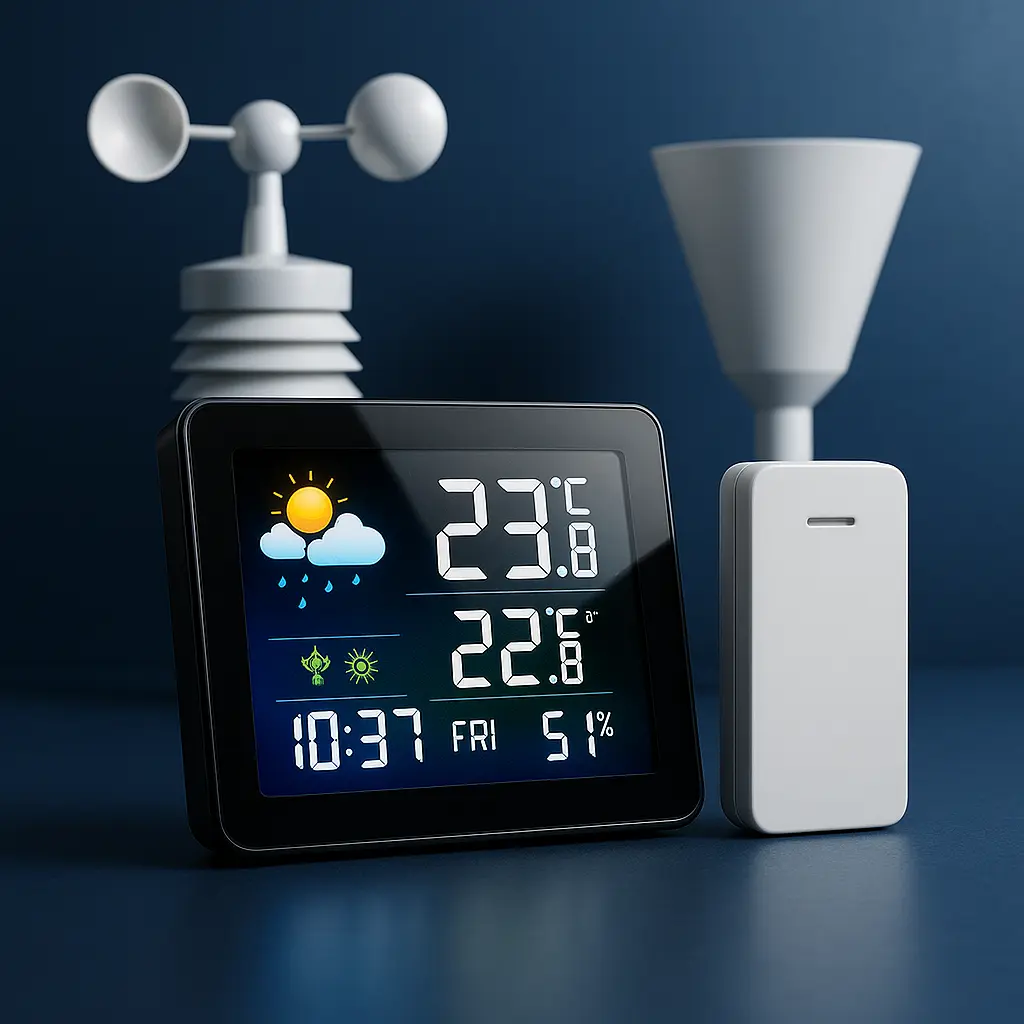
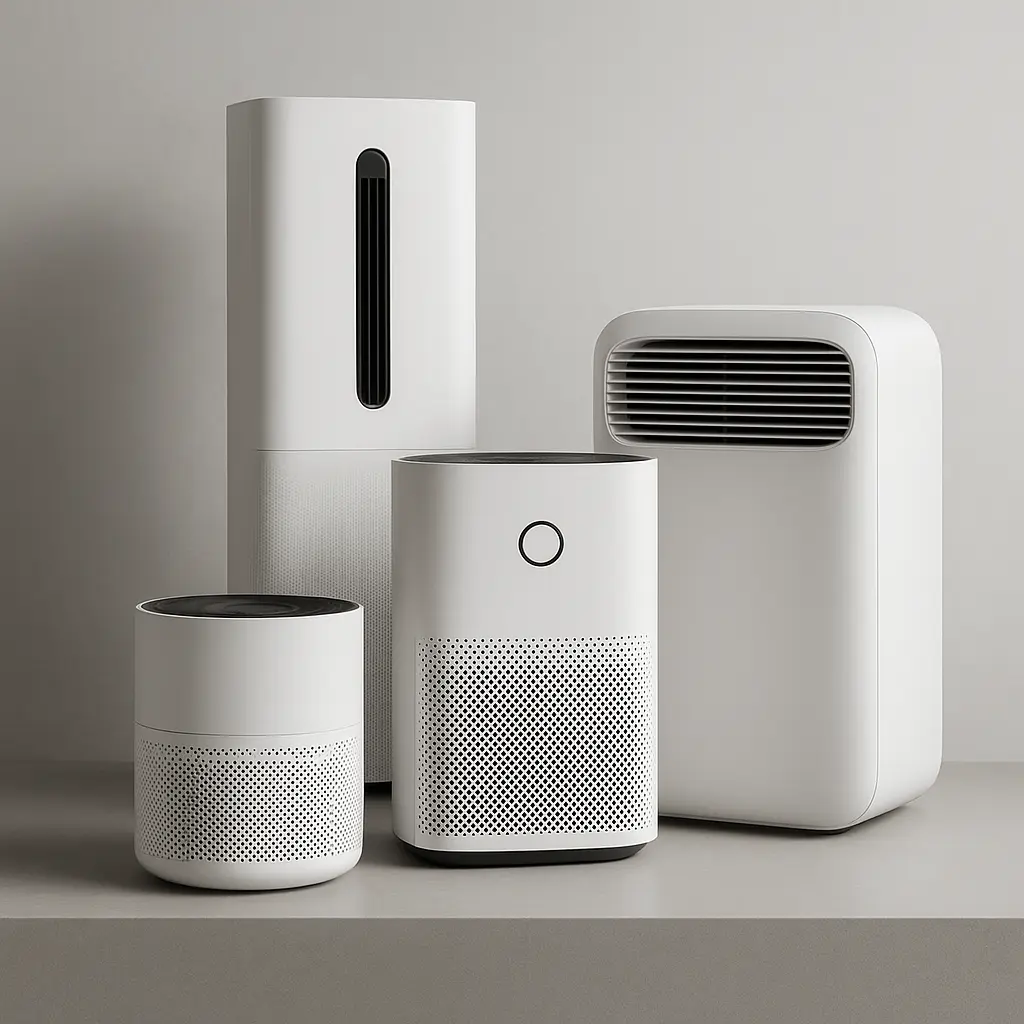
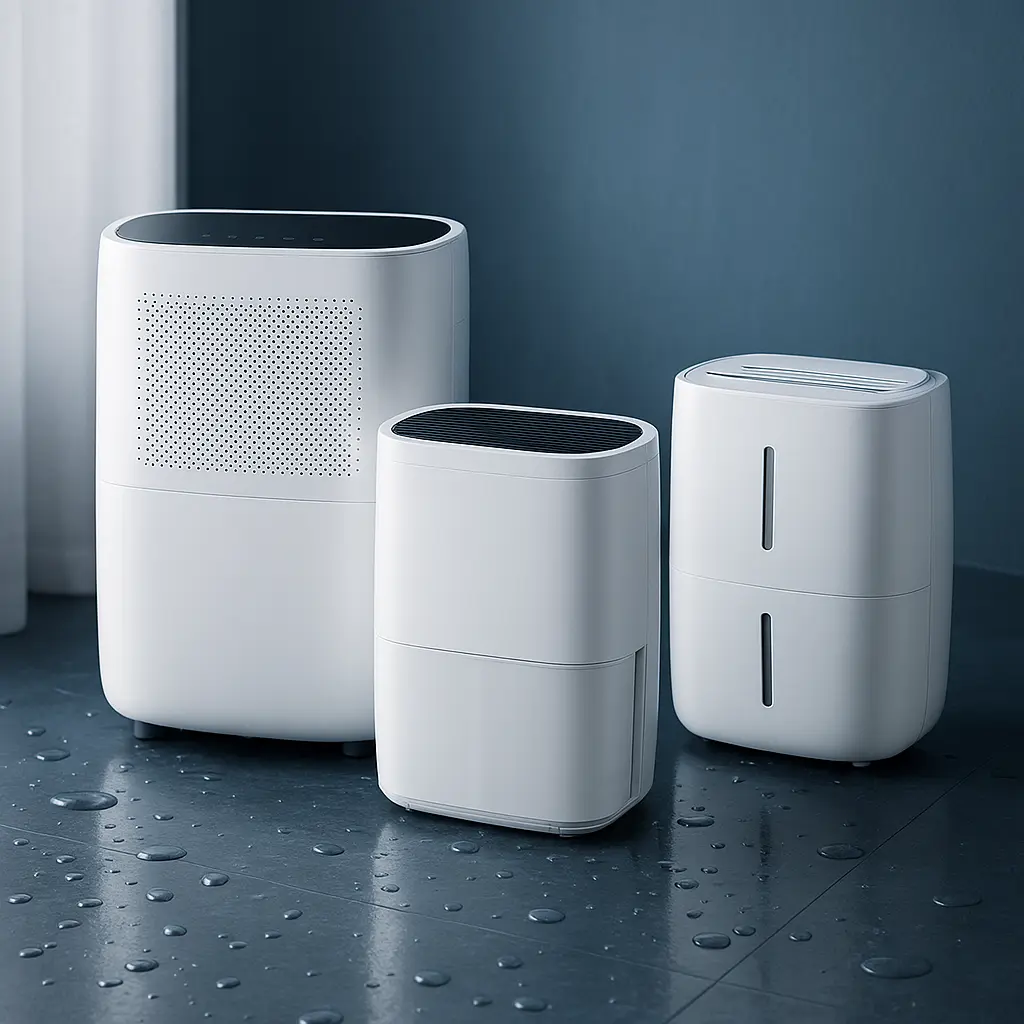
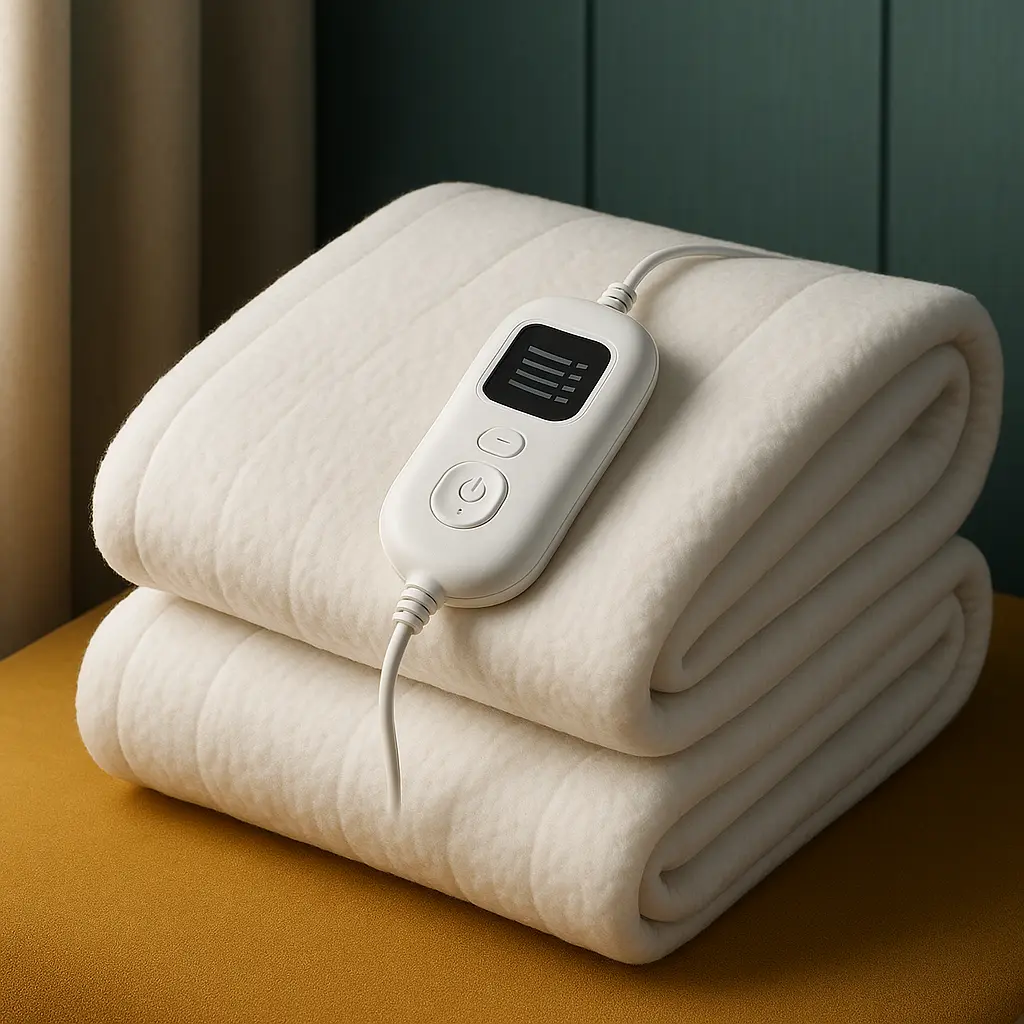

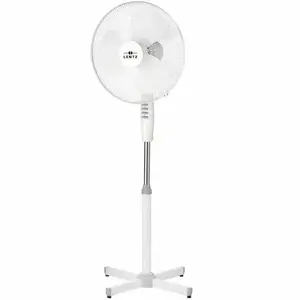
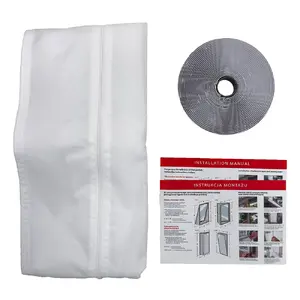

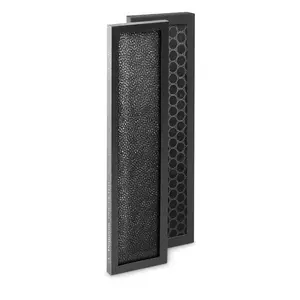
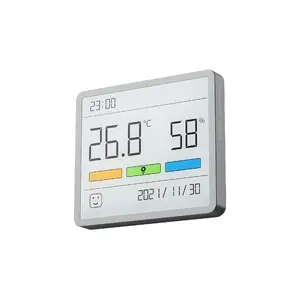

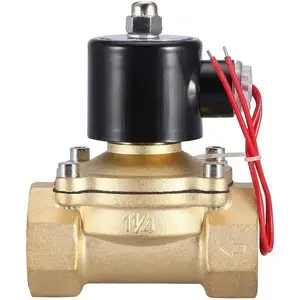
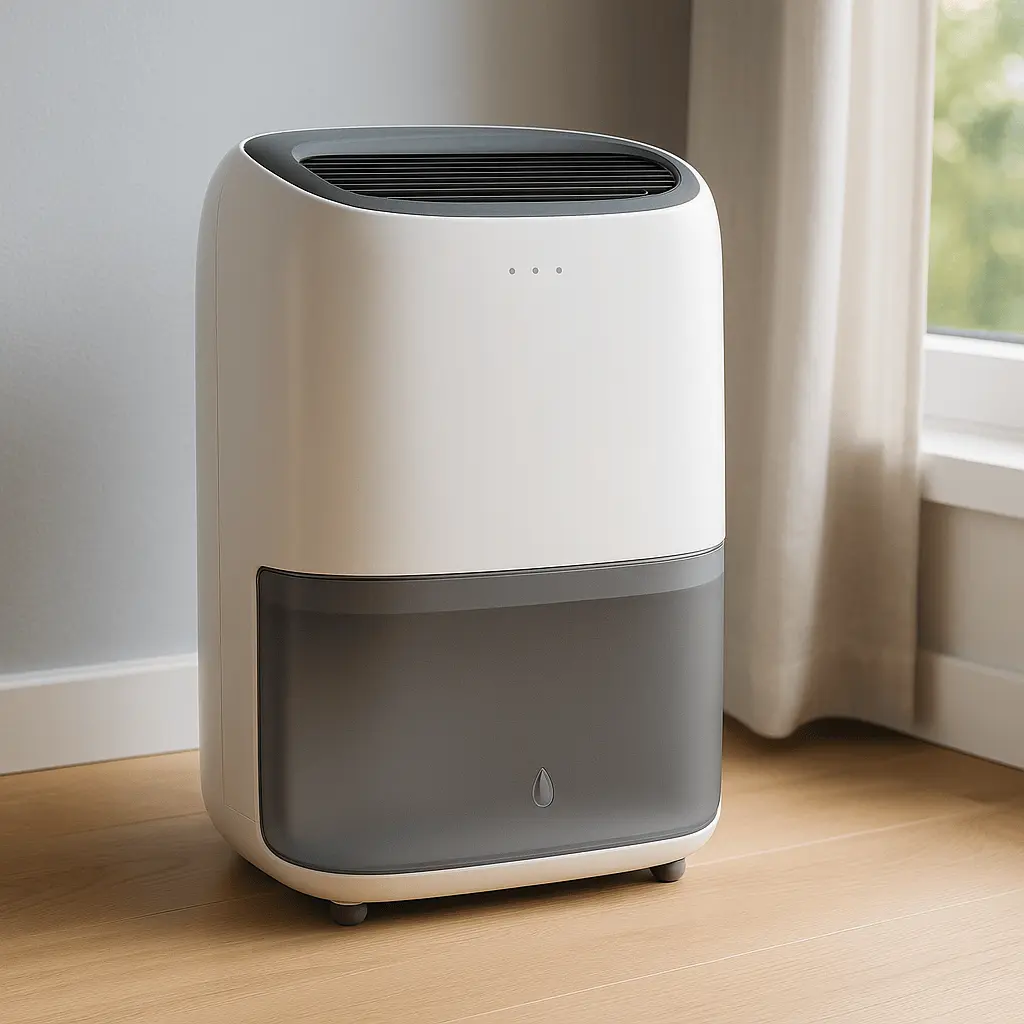
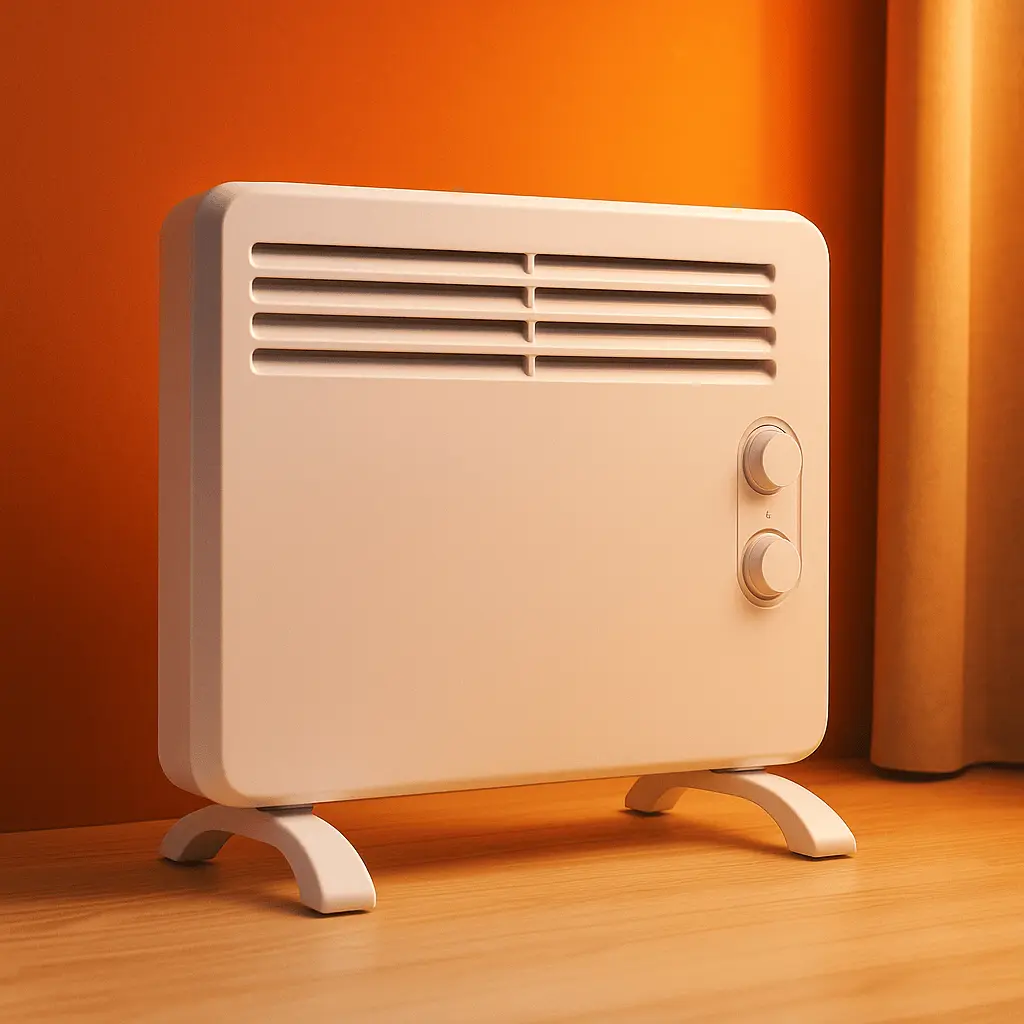
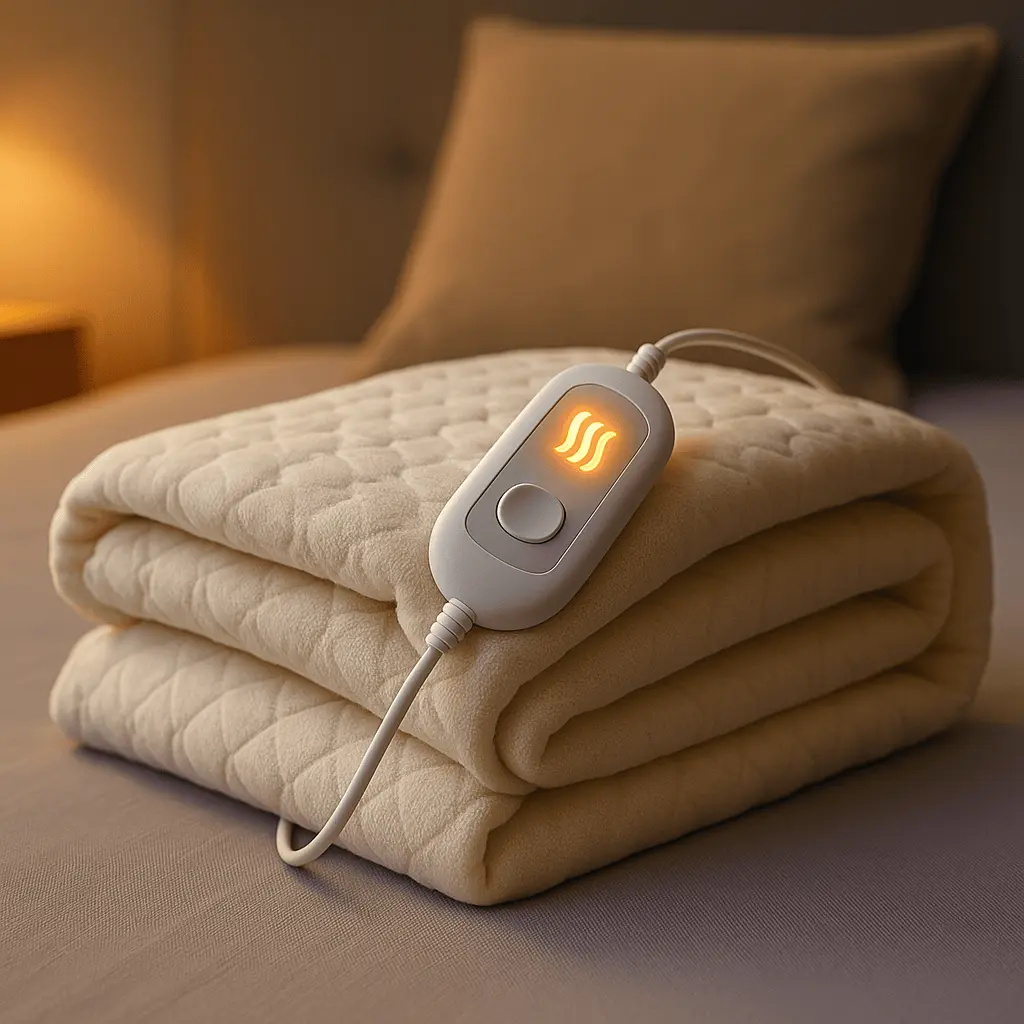
Climate Control refers to systems and devices designed to monitor, regulate, and maintain environmental conditions such as temperature, humidity, air quality, and airflow in indoor spaces. These products range from simple thermostats and humidistats to integrated digital controllers and whole-system management units, and they are used in residential, commercial, and industrial settings to achieve specific comfort, process, or preservation objectives. Users select climate control solutions to create stable conditions for people, equipment, plants, stored goods, or production processes, and choices depend on space size, required precision, and operational constraints. Climate control equipment can operate autonomously, on a schedule, or as part of a building management system, and often includes sensors, actuators, and user interfaces for configuration and monitoring. Installation may be standalone or integrated with heating, ventilation, and air conditioning (HVAC) systems, and devices vary by power requirements, communication protocols, and mounting options. Regular calibration and appropriate placement of sensors are important for reliable performance and accurate control.
Types of Climate Control
Common product types include the following categories and form factors.
- Thermostats and programmable controllers — devices that regulate temperature by controlling heating or cooling equipment.
- Humidity controllers and humidistats — units that measure and adjust relative humidity using humidifiers or dehumidifiers.
- Air quality monitors — sensors and controllers for CO2, VOCs, particulate matter, and other contaminants.
- Environmental controllers and data loggers — systems for multi-parameter monitoring and recording, often used in labs, server rooms, or storage areas.
- Integrated building management interfaces — central controllers that coordinate multiple climate control subsystems and provide scheduling, alerts, and remote access.
What are Climate Control used for?
Climate control products are used to maintain specific environmental conditions for comfort, safety, and process requirements.
- Comfort and living spaces — providing stable temperatures and humidity for residential and office environments.
- Equipment and server rooms — protecting electronics from overheating, condensation, and dust by controlling temperature and airflow.
- Storage and preservation — maintaining conditions for food, pharmaceuticals, archives, and other sensitive goods to prevent spoilage or degradation.
- Agriculture and horticulture — creating optimal microclimates for plant growth in greenhouses, indoor farms, and propagation rooms.
- Industrial processes and laboratories — ensuring repeatable environmental parameters for manufacturing, testing, and research.
Key Differences between Climate Control
Products differ by the parameters they control, control accuracy, integration capabilities, and intended application.
- Controlled variables — some units control only temperature, others manage humidity, air quality, or multiple variables simultaneously.
- Precision and range — laboratory and industrial controllers typically offer higher accuracy and narrower control bands than basic residential thermostats.
- Connectivity and protocols — devices may support wired or wireless communication, and standards such as Modbus, BACnet, Wi‑Fi, or proprietary protocols affect interoperability.
- User interface and programmability — differences include simple setpoint adjustment, multi-event scheduling, remote web or app access, and advanced automation logic.
- Power and mounting — variations include battery-powered, mains-powered, DIN-rail, wall-mounted, or panel-mounted designs suited to different installation contexts.
How to Choose Climate Control?
Selecting an appropriate climate control product requires matching device capabilities to the application needs and operational constraints.
- Define the controlled parameters — list which variables (temperature, humidity, CO2, etc.) must be measured and controlled.
- Specify accuracy and response time — determine acceptable tolerance ranges and how quickly the system must react to changes.
- Check compatibility — ensure the controller works with existing HVAC equipment, sensors, actuators, and communication systems.
- Consider installation and maintenance — evaluate mounting options, power supply, ease of calibration, and service requirements.
- Assess scalability and integration — choose units that allow expansion, remote monitoring, and integration with building management if needed.
- Review safety and regulatory needs — verify that devices meet relevant electrical, safety, and industry-specific standards for the intended use.


