Powerful EcoFlow stations for energy anywhere!

{{ totalProductsCount }}
In cart {{totalProductsCount}} item(s)
In cart {{totalProductsCount}} item(s)
Total:
{{sum | formatAmount}}
Your cart is empty
Handheld tools

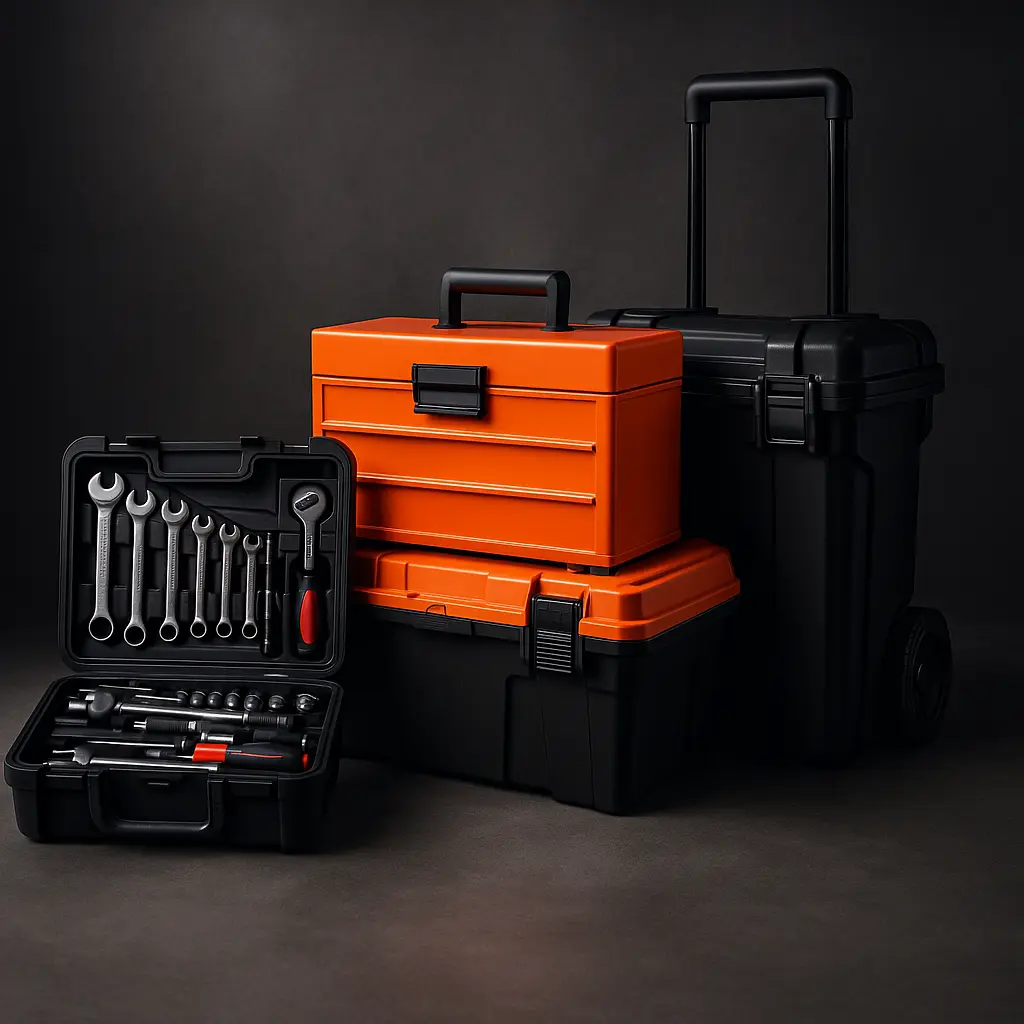
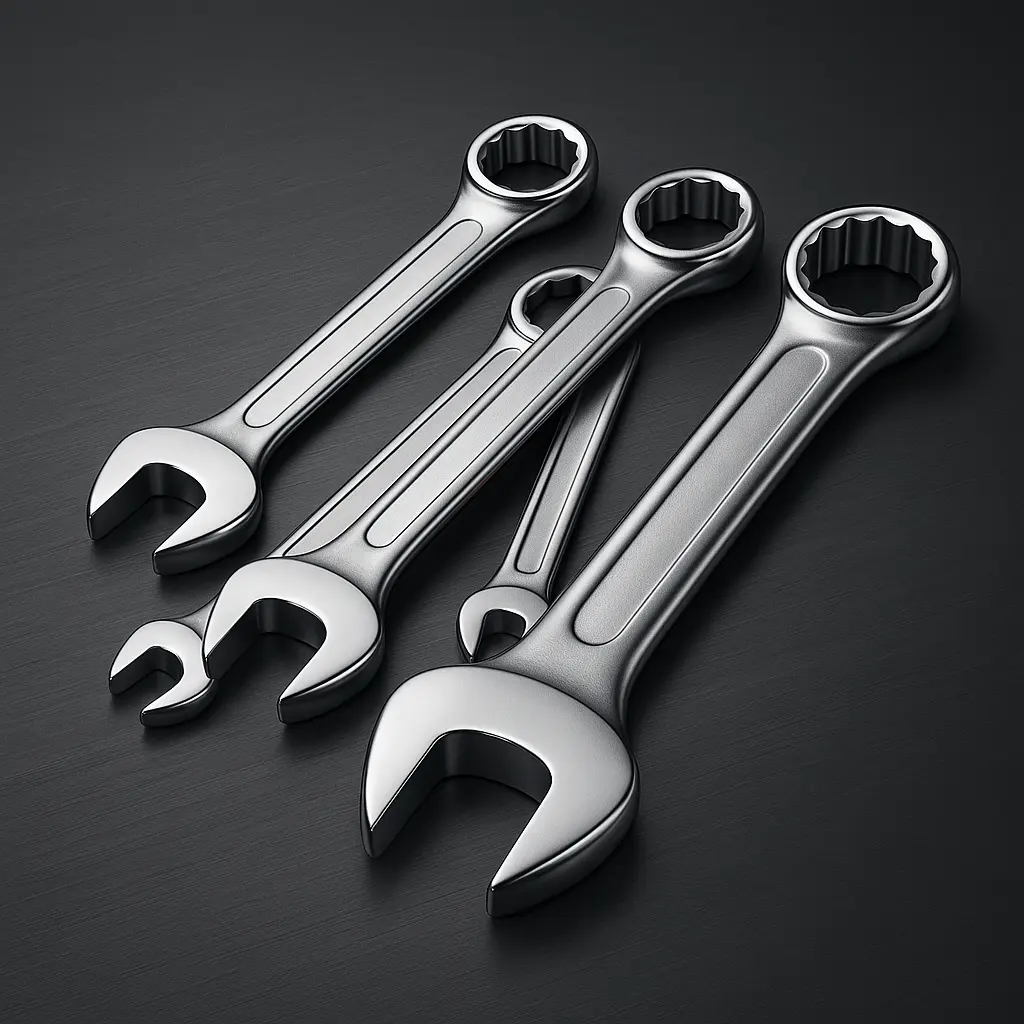
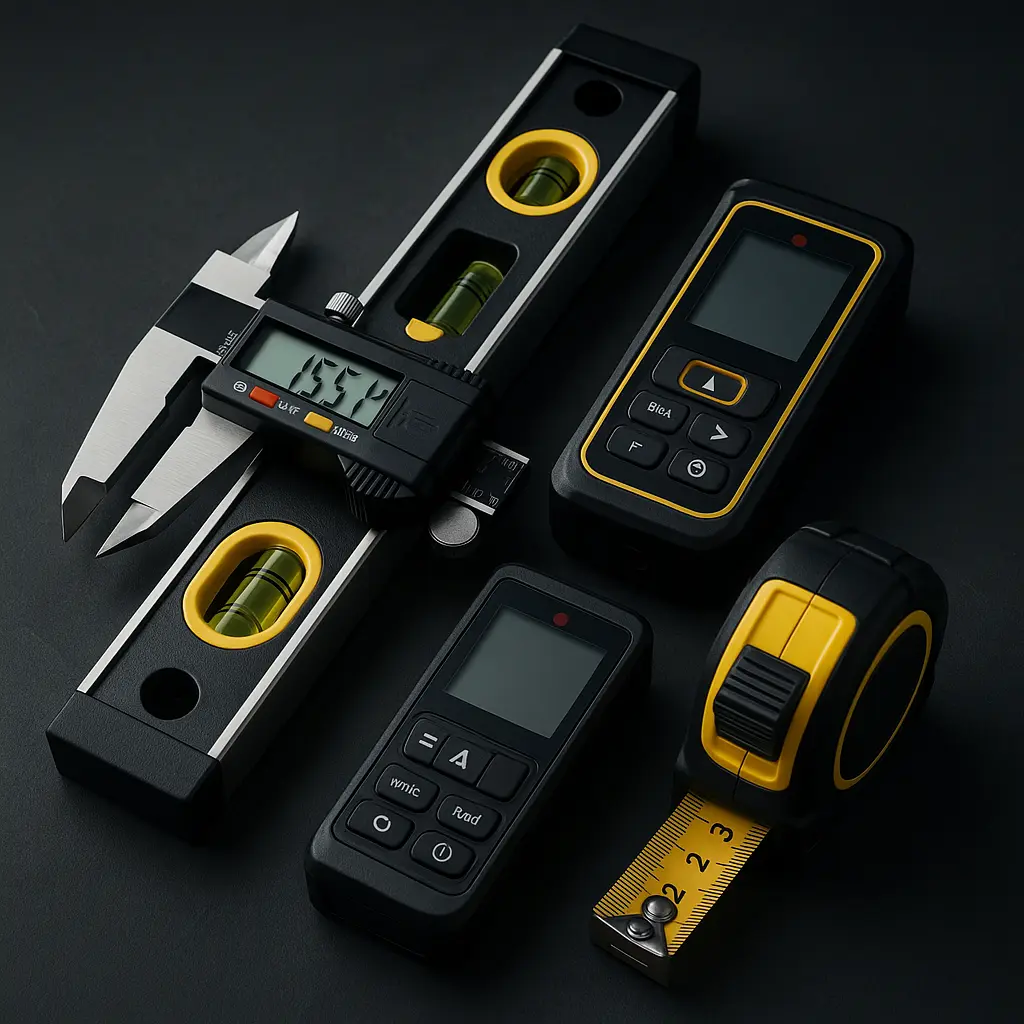
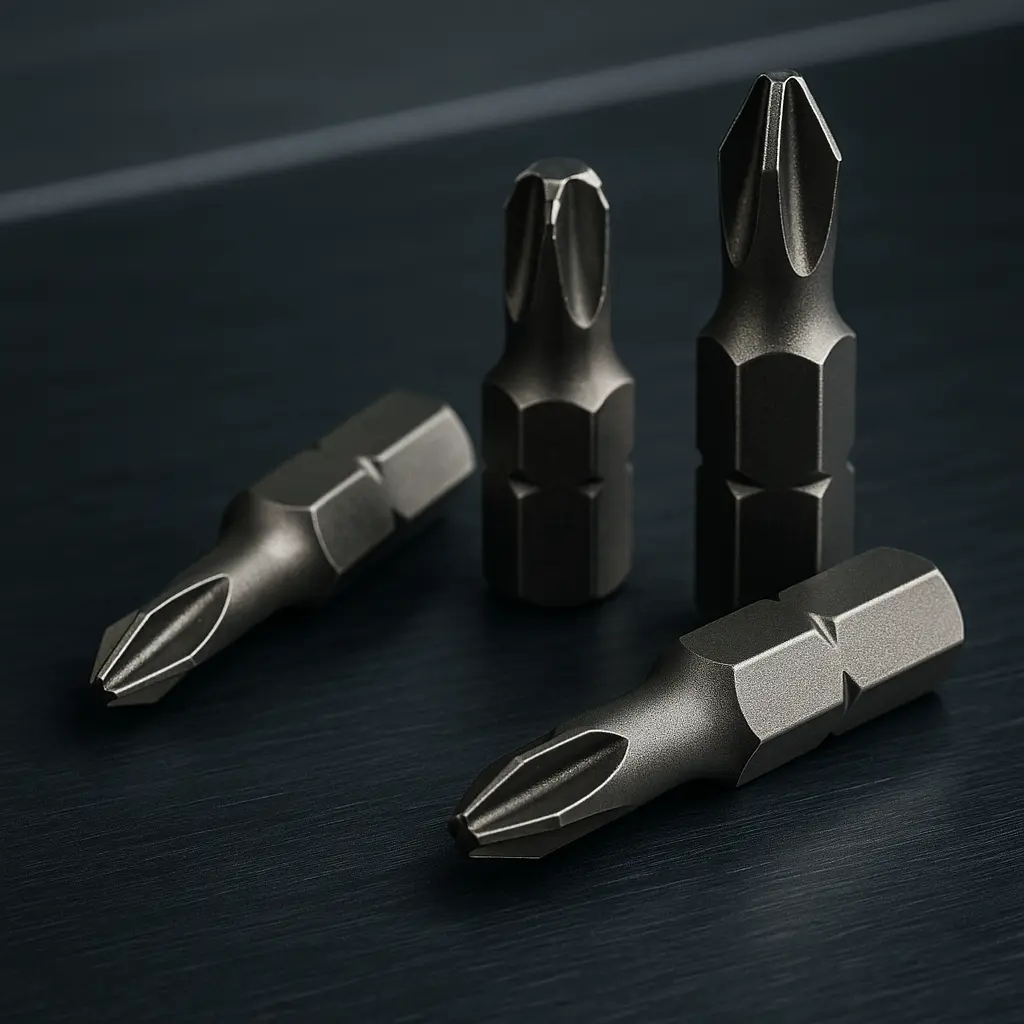
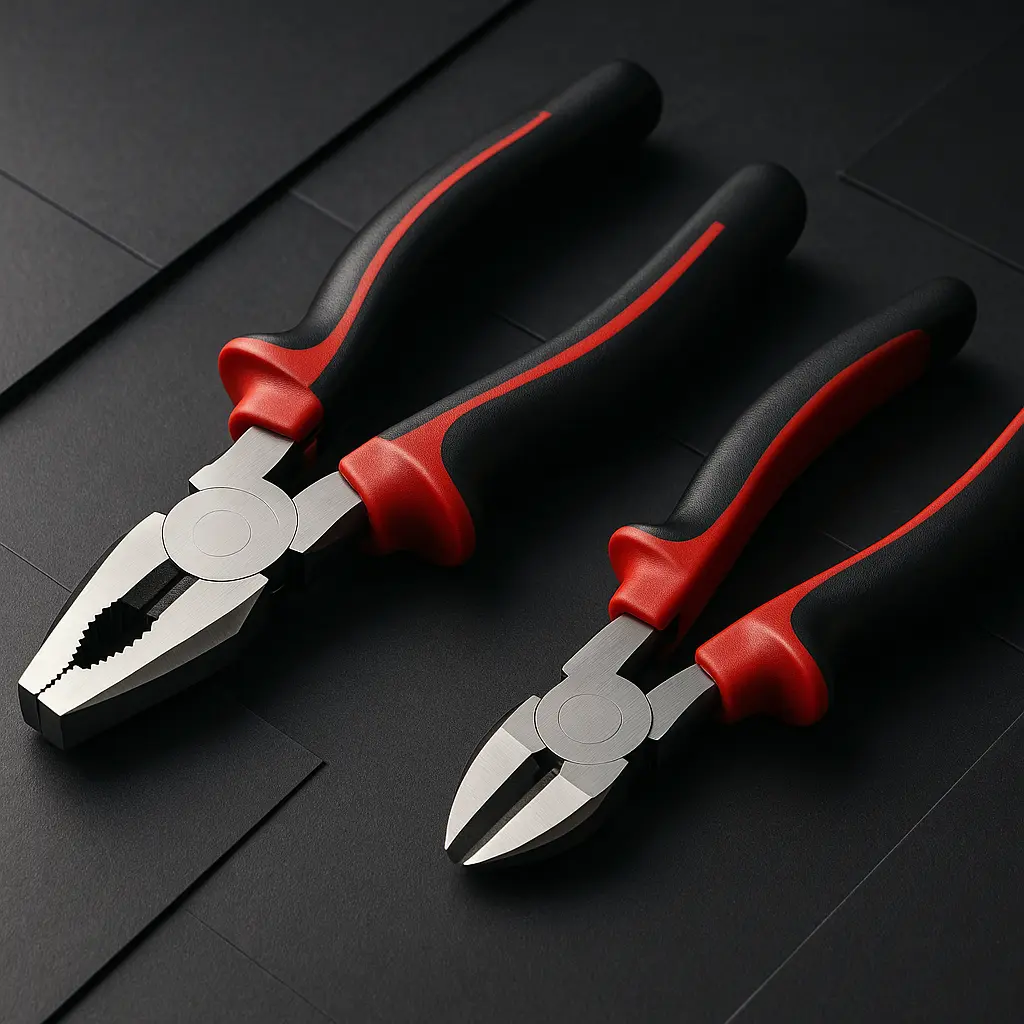
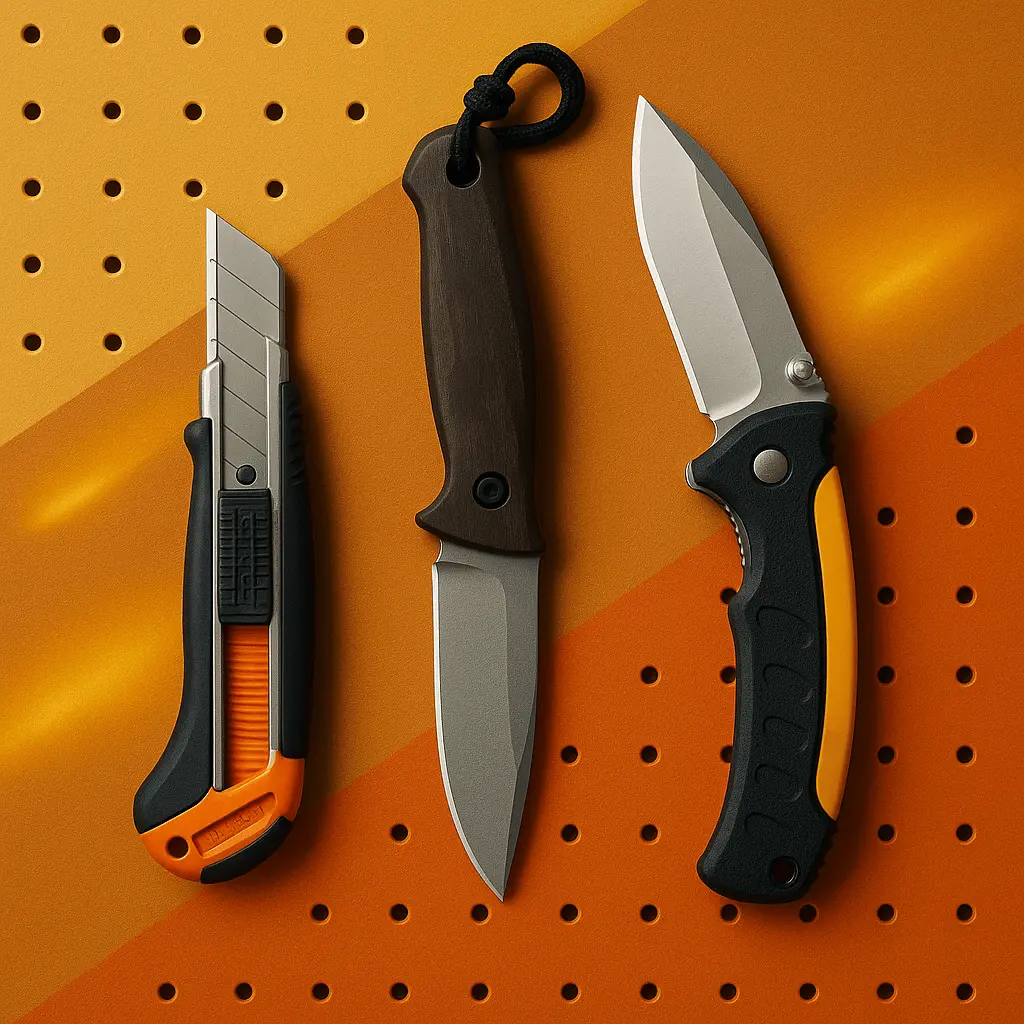

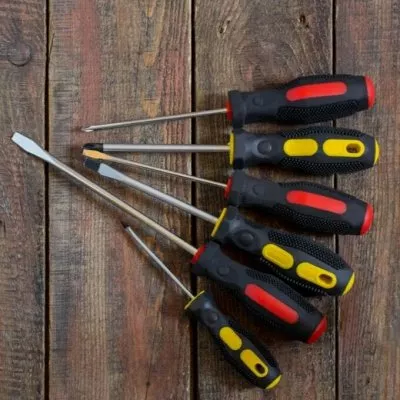
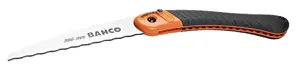
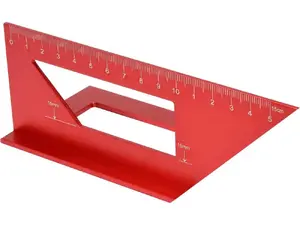
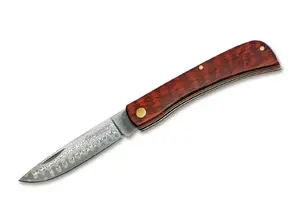

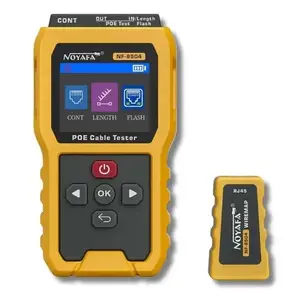
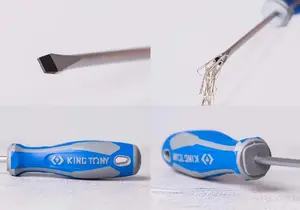
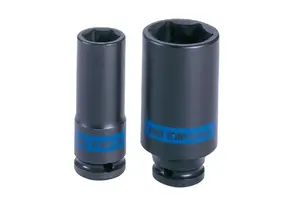
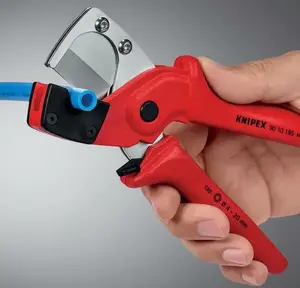
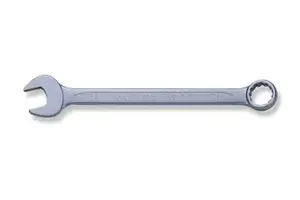
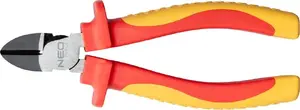

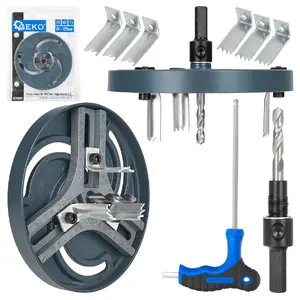
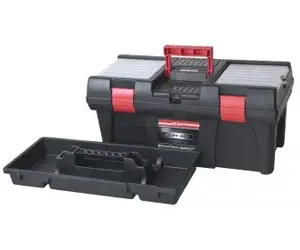
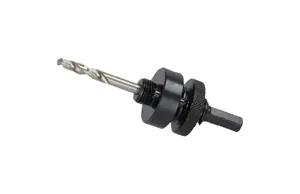



Handheld tools are portable manual or powered devices designed to perform specific tasks while held and operated by a user. They include simple implements like screwdrivers and hammers as well as powered options such as cordless drills and oscillating multi-tools. These tools are chosen for tasks that require mobility, precision, or work in confined spaces where larger equipment is impractical. Professionals and hobbyists use handheld tools across trades including construction, woodworking, metalworking, automotive repair, and home maintenance. Selection is based on the task, required durability, ergonomics, and compatibility with materials and accessories.
Types of Handheld tools
Common categories of handheld tools cover a range of manual and powered devices suited for different jobs.
- Screwdrivers and nut drivers — manual and electric for fastening and loosening screws and bolts.
- Hammers and mallets — striking tools for driving nails, fitting parts, and shaping materials.
- Pliers, wrenches, and cutters — gripping, turning, and cutting hardware, wire, and small components.
- Hand saws and utility knives — cutting tools for wood, drywall, and general materials.
- Drills and impact drivers — cordless and corded options for drilling holes and driving fasteners.
- Sanding and grinding tools — small sanders, rotary tools, and angle grinders for surface finishing and material removal.
- Measuring and marking tools — tape measures, levels, and marking pencils for accurate layout and alignment.
- Specialized handhelds — multimeters, thermal kits, and cordless riveters tailored to specific tasks.
What are Handheld tools used for?
Handheld tools are used to perform direct manual operations and light to medium mechanical work. They serve in assembling, disassembling, cutting, shaping, fastening, measuring, and finishing tasks. Users select specific tools for repair work, installation of fixtures, material preparation, precision shaping, and maintenance tasks where accessibility or fine control is required. Handheld power tools extend capability for repetitive or high-torque tasks while preserving portability.
Key Differences between Handheld tools
Differences among handheld tools arise from power source, size, intended application, and ergonomics.
- Power source — manual, corded electric, cordless battery, or pneumatic; each affects mobility and continuous runtime.
- Torque and speed — tools vary in output for driving fasteners, drilling, or cutting; higher torque suits tougher materials.
- Precision and control — some tools offer fine control for detail work, others prioritize speed or material removal.
- Durability and build quality — professional-grade tools use stronger materials and bearings for frequent use.
- Compatibility — battery platform, bit types, and accessory systems influence versatility and costs.
How to Choose Handheld tools?
Choose handheld tools by matching tool capabilities to the tasks, environment, and user needs. Evaluate power requirements, ergonomics, weight, and safety features such as guards and insulation. Consider battery platform and runtime for cordless tools, and check compatibility with existing accessories. Prioritize tools with suitable specifications for material hardness and expected workload. Review maintenance needs, spare part availability, and any required consumables to ensure long-term use.


