Save time and money with our discounts!

{{ totalProductsCount }}
In cart {{totalProductsCount}} item(s)
In cart {{totalProductsCount}} item(s)
Total:
{{sum | formatAmount}}
Your cart is empty
Lighting
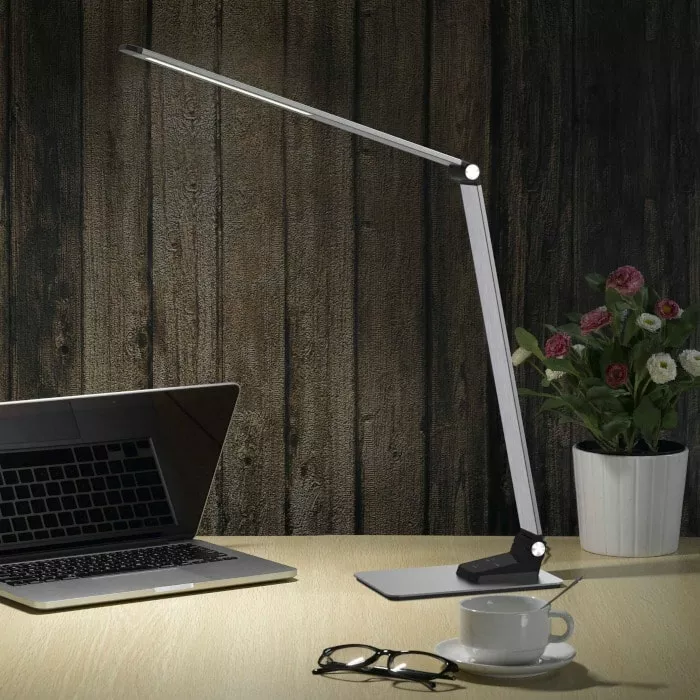
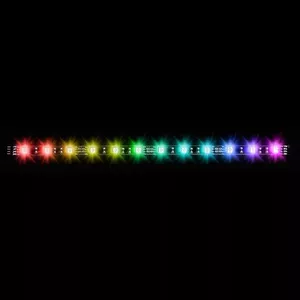
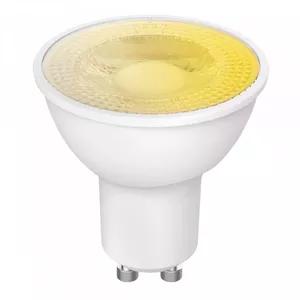
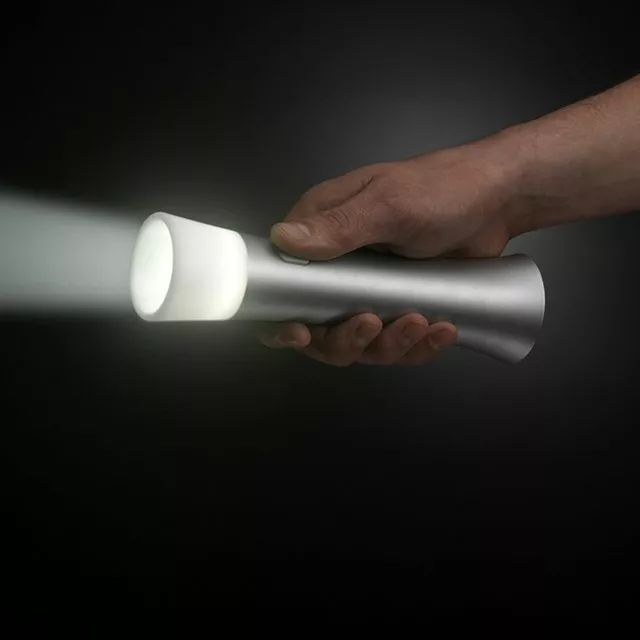
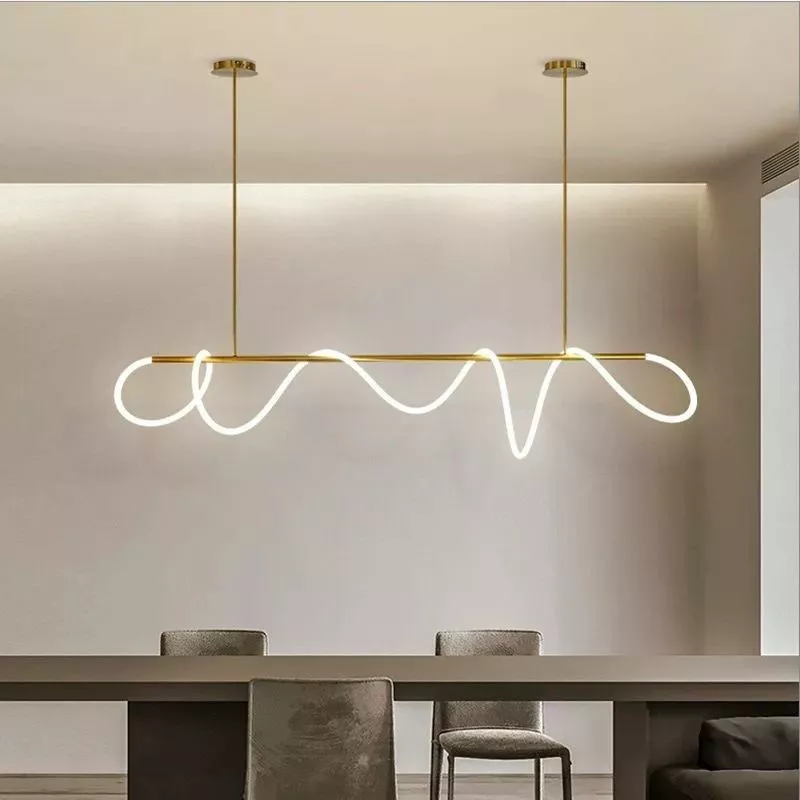
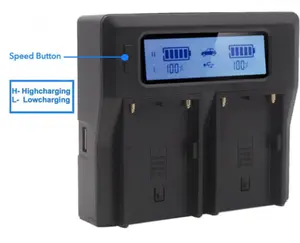
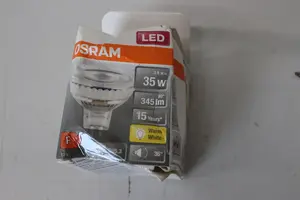
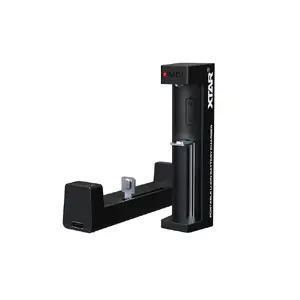
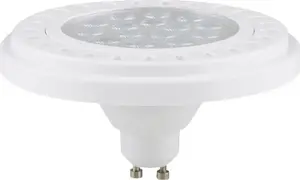

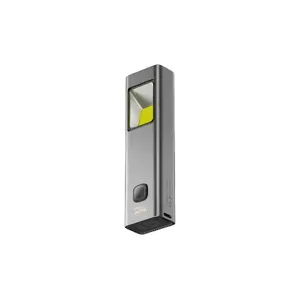
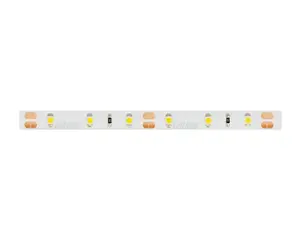

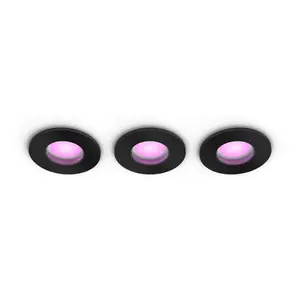
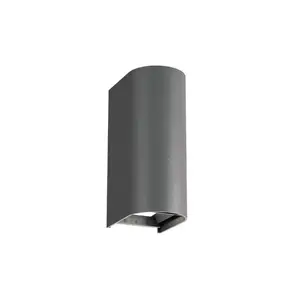
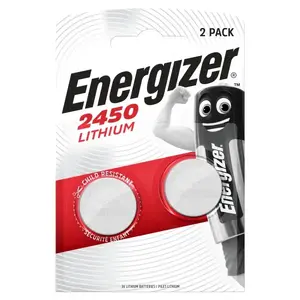
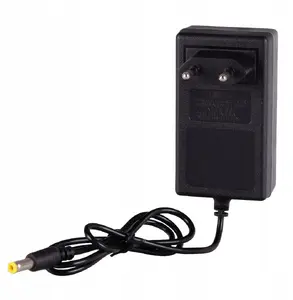
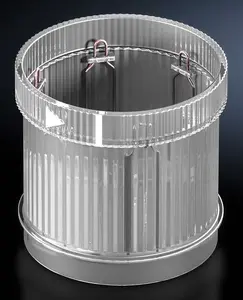
Lighting refers to devices and systems designed to produce, direct, and control artificial light for indoor and outdoor environments. These products include individual fixtures, integrated systems, bulbs, and control accessories that regulate illumination levels, color temperature, and energy use. Lighting is selected to meet functional needs such as general room lighting, task-specific illumination, accent highlighting, safety and security, and outdoor area lighting. Choices are often based on required light output, efficiency, fixture style, mounting method, and compatibility with controls or dimmers. Standards for fittings, electrical connections, and performance metrics such as lumens and color rendering guide product selection and safe installation. Proper lighting design balances visual comfort, energy consumption, and the functional requirements of a space.
Types of Lighting
Common categories of lighting products cover a range of form factors and technologies.
- Ceiling fixtures and downlights: fixed or recessed units for general ambient illumination.
- Wall lights and sconces: fixtures mounted on walls for accent or corridor lighting.
- Pendant and suspension lights: suspended fixtures for focused or decorative lighting over tables and counters.
- Track and rail systems: adjustable fixtures on tracks for directional or gallery lighting.
- Task lamps and desk lights: portable or fixed lights for work surfaces and reading.
- Outdoor and landscape lighting: weather-rated fixtures for pathways, facades, and gardens.
- Bulbs and LED modules: light sources in various bases, shapes, color temperatures, and efficiencies.
- Controls and dimmers: switches, smart controllers, sensors, and timers that manage light levels and schedules.
What are Lighting used for?
Lighting products serve practical and functional roles across residential, commercial, and public spaces.
- General illumination: to provide even, comfortable light across a room or area.
- Task lighting: to deliver focused light for activities such as reading, cooking, or working.
- Accent lighting: to highlight architectural features, artwork, or display items.
- Safety and security: to illuminate pathways, entrances, and perimeters for visibility and deterrence.
- Outdoor and landscape uses: to enhance exterior visibility and define outdoor spaces.
- Energy management: to reduce consumption through efficient sources and automated controls.
Key Differences between Lighting
Different lighting products are distinguished by technical and practical characteristics that affect performance and suitability.
- Light source type: LED, fluorescent, halogen, and incandescent options differ in efficiency, lifespan, and light quality.
- Luminous output and distribution: lumens, beam angle, and fixture optics determine brightness and spread.
- Color characteristics: color temperature (measured in Kelvin) and color rendering index (CRI) influence appearance and task suitability.
- Energy efficiency: power consumption, luminous efficacy (lumens per watt), and standby power for controls affect operating costs.
- Installation and mounting: recessed, surface-mounted, pendant, and portable options suit different spaces and mounting conditions.
- Durability and environmental rating: IP ratings and material choices determine suitability for wet, dusty, or outdoor locations.
- Control compatibility: dimmability, smart system integration, and sensor support vary by product and driver electronics.
How to Choose Lighting?
Select lighting based on space function, technical requirements, and installation constraints.
- Define purpose: determine whether you need ambient, task, accent, or outdoor lighting for the intended area.
- Check light output and color: select appropriate lumens, beam angle, color temperature, and CRI for the task and visual comfort.
- Consider energy and lifetime: compare luminous efficacy, rated life hours, and warranty to estimate operating costs.
- Verify compatibility: ensure fixtures match existing wiring, dimmers, and mounting types; check driver and control requirements.
- Review environmental ratings: choose IP-rated fixtures for wet or outdoor locations and materials suited to the installation environment.
- Plan layout and controls: calculate quantity and placement for uniform lighting and consider sensors or timers for efficiency and convenience.


