Save time and money with our discounts!

{{ totalProductsCount }}
In cart {{totalProductsCount}} item(s)
In cart {{totalProductsCount}} item(s)
Total:
{{sum | formatAmount}}
Your cart is empty
Power Tools
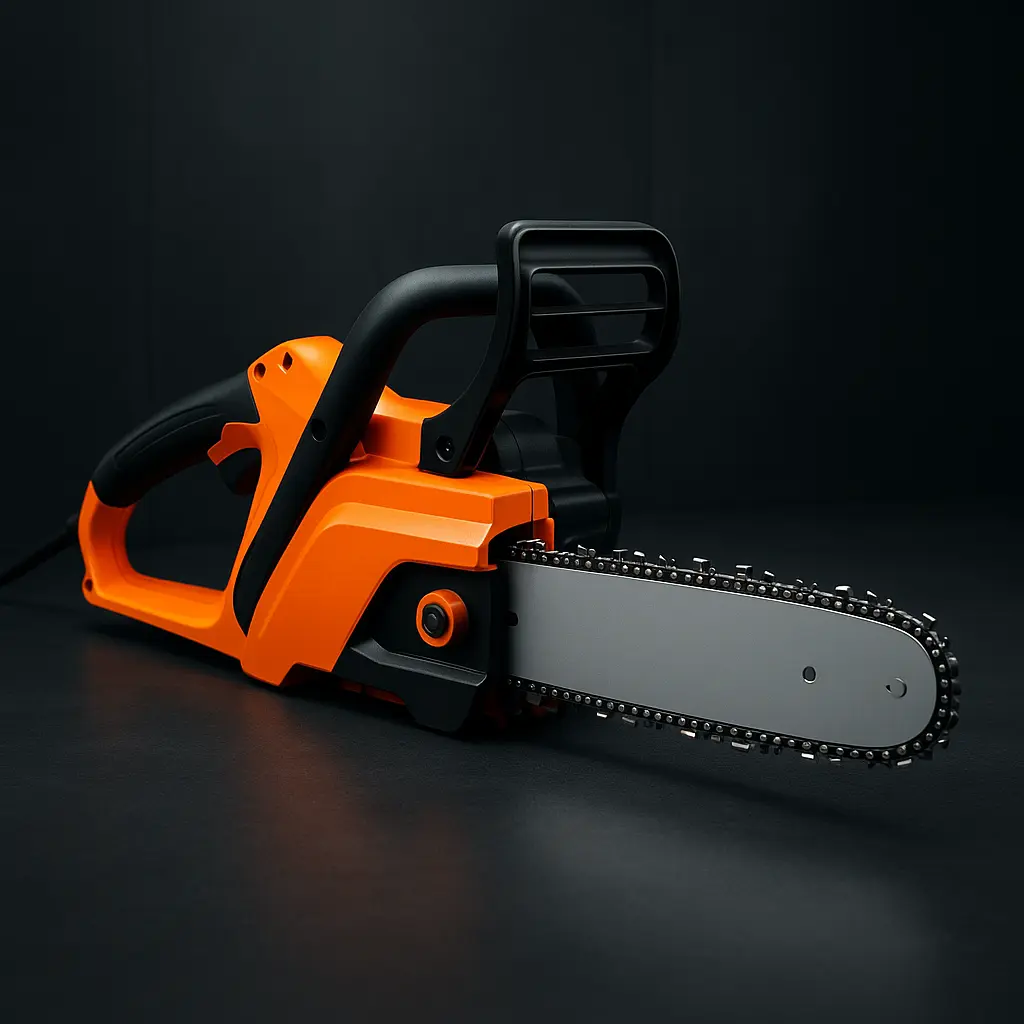

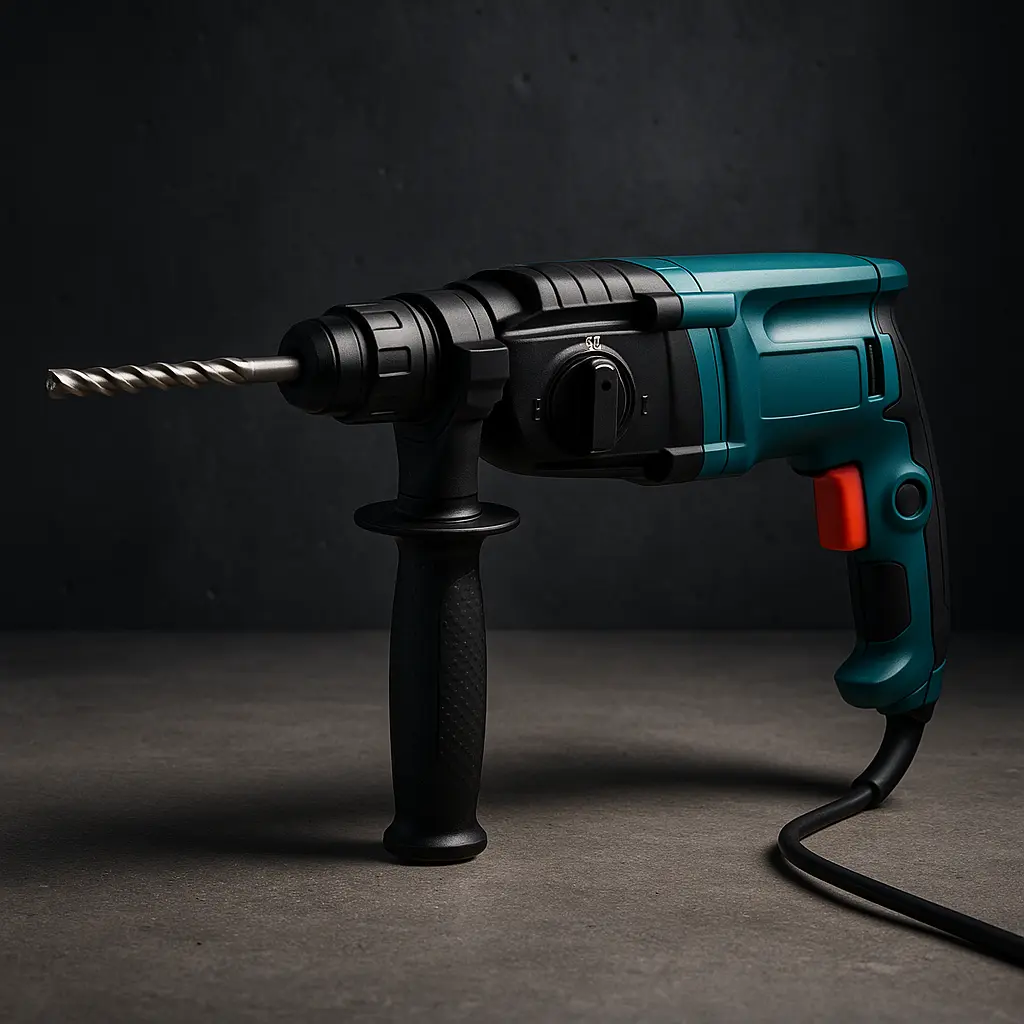
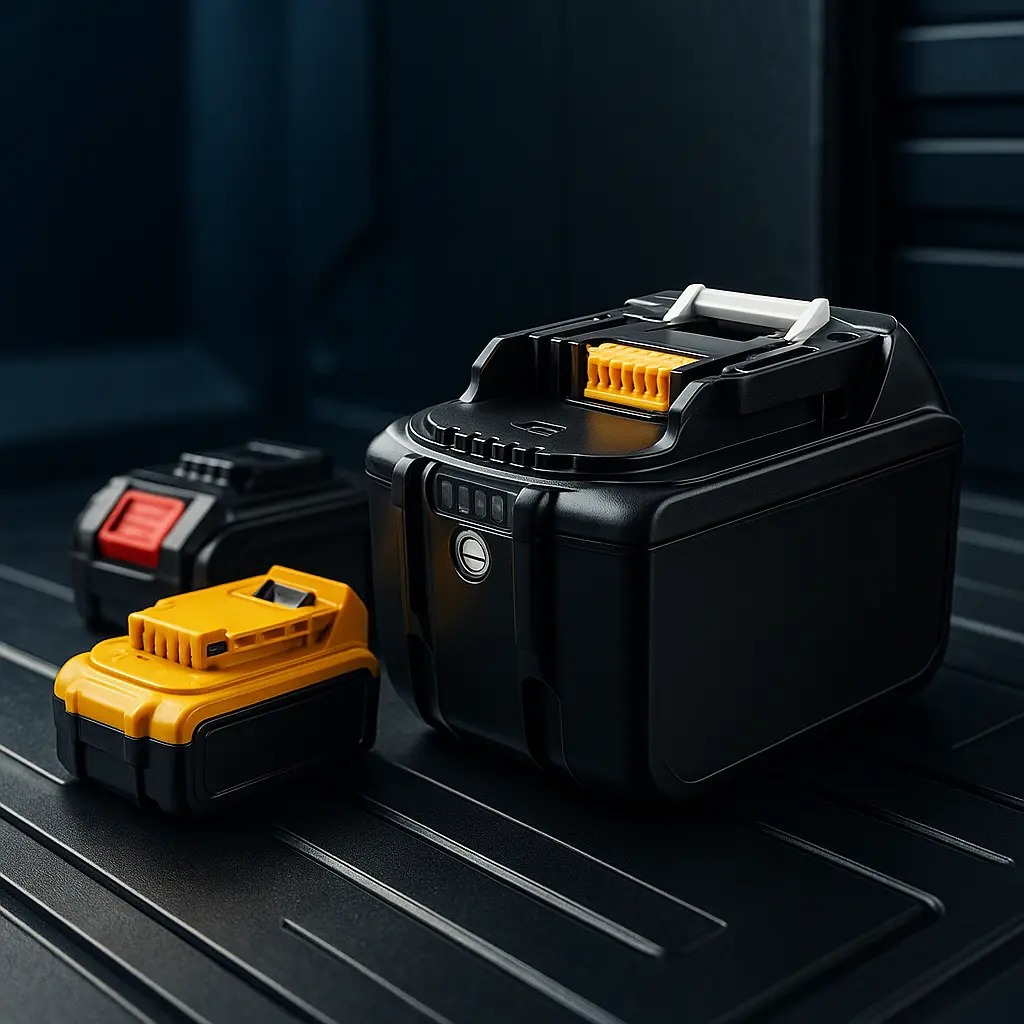
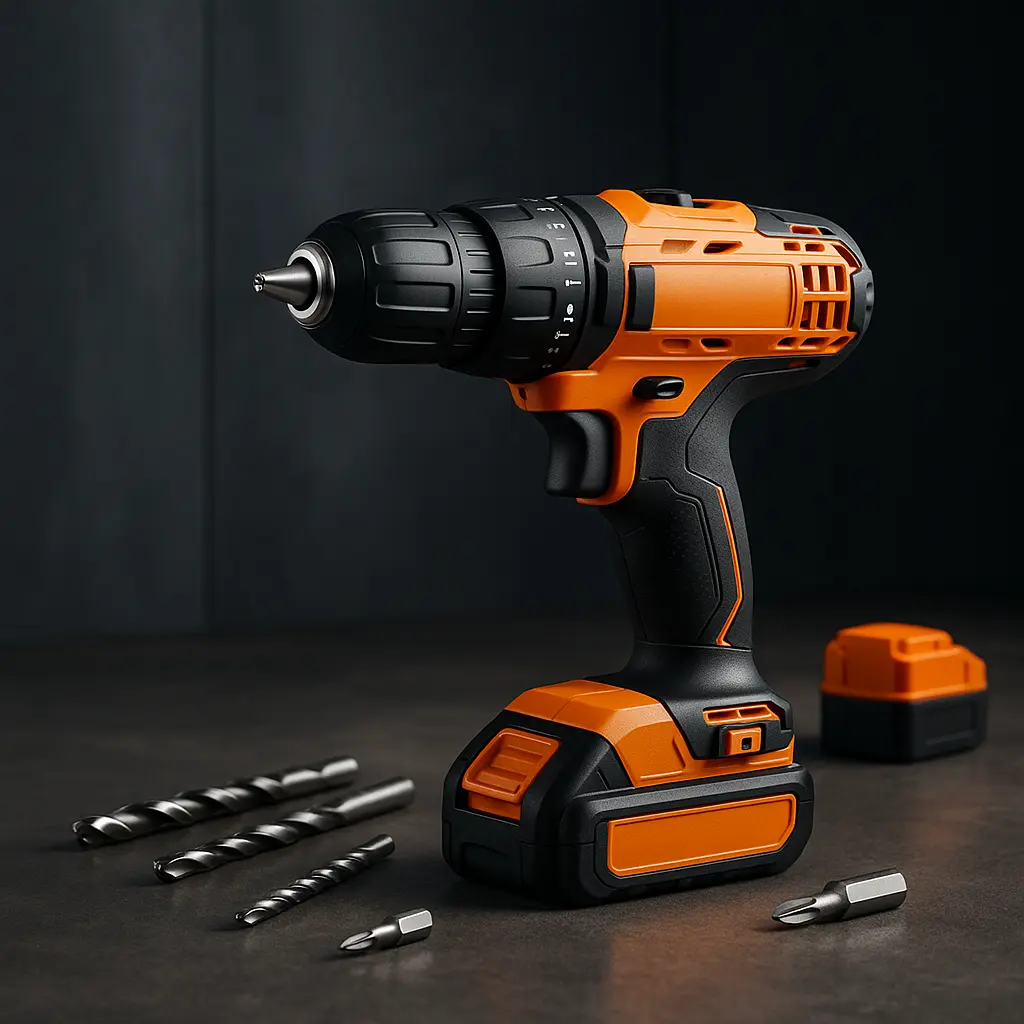
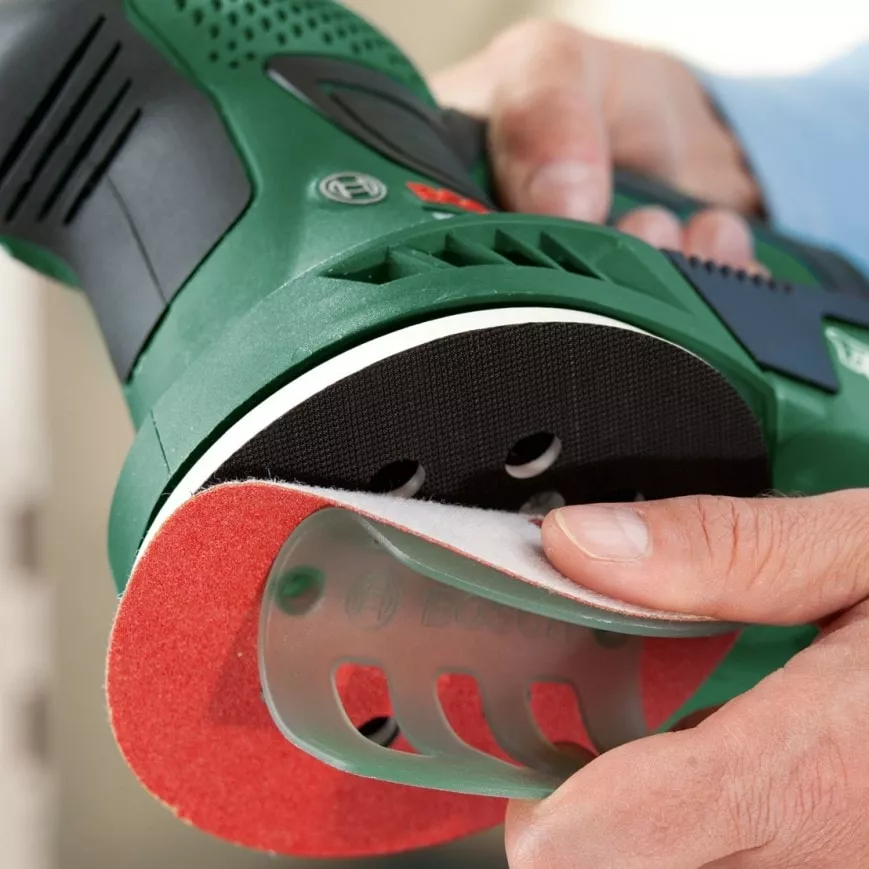
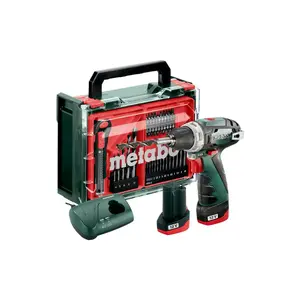
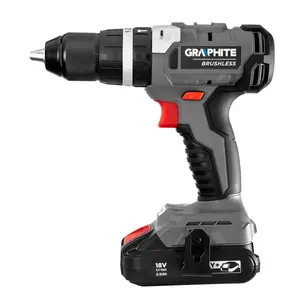
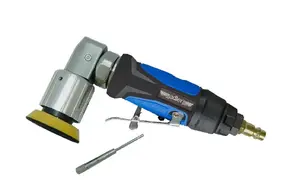
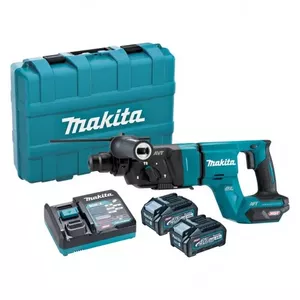
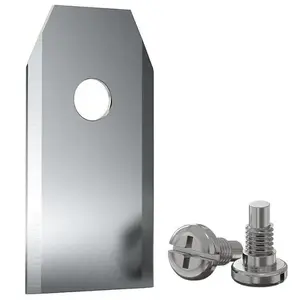
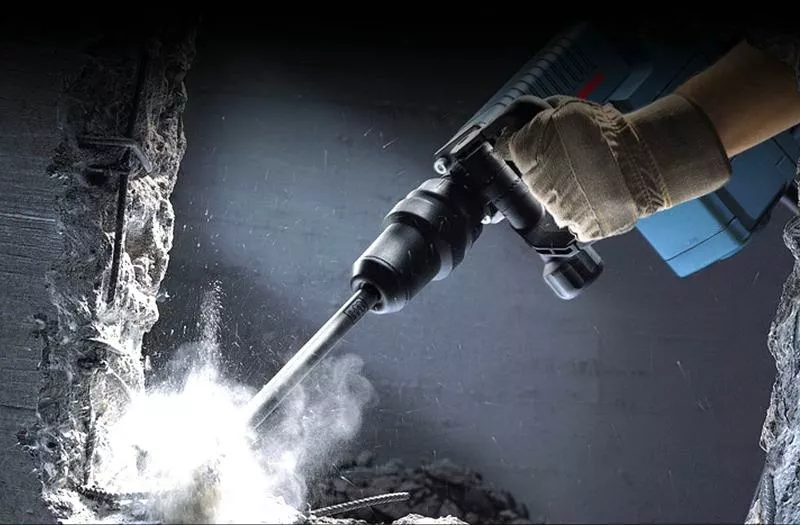
Power tools are handheld or stationary devices driven by electricity, batteries, pneumatic pressure, or combustion engines to perform mechanical tasks more efficiently than manual tools. They are used to drill, cut, grind, sand, fasten, route, polish, and perform other operations on wood, metal, masonry, plastics, and composite materials. Professionals in construction, woodworking, metalworking, automotive repair, and maintenance, as well as DIY users, select power tools when tasks require greater speed, precision, repeatability, or torque than hand tools can provide. These products vary in size, power source, speed control, and intended application, and they are chosen according to the material, required output, workspace constraints, and safety considerations. Proper selection and operation reduce work time and improve accuracy while requiring adherence to manufacturer instructions and safety standards.
Types of Power Tools
Common categories of power tools include:
- Drills and impact drivers — for drilling holes and driving fasteners in various materials.
- Saws (circular, reciprocating, jigsaws, miter saws) — for making straight or curved cuts in wood, metal, or composites.
- Grinders and polishers — for cutting, grinding, deburring, and surface finishing.
- Sanders and planers — for surface preparation, smoothing, and shaping wood and other materials.
- Routers and rotary tools — for shaping edges, creating profiles, and detailed work.
- Heat guns and soldering tools — for applying heat in repair and assembly tasks.
- Air tools and compressors — pneumatic devices such as nailers and impact wrenches used in production and construction.
What are Power Tools used for?
Power tools are used to increase efficiency and precision in construction, renovation, manufacturing, and repair tasks. They enable faster removal or shaping of material, accurate hole placement, consistent fastening, and improved surface finishes. Use cases include framing and carpentry, cabinet making, metal fabrication, masonry cutting, vehicle repair, electrical and plumbing installations, and hobby projects that require repeatable, controlled operations.
Key Differences between Power Tools
Power tools differ by several key factors that affect performance and suitability:
- Power source — corded (mains), cordless (battery), pneumatic, or fuel-driven; each affects portability, runtime, and power output.
- Motor type and power rating — brushless vs. brushed motors and wattage/ampere ratings influence efficiency, torque, and lifespan.
- Speed and torque control — variable speed and torque settings determine precision and suitability for different materials and tasks.
- Ergonomics and weight — design, handle shape, and weight affect user fatigue and control during prolonged use.
- Durability and build quality — materials, sealing, and construction determine resistance to dust, moisture, and heavy use.
- Compatibility and accessories — availability of batteries, chargers, blades, bits, and attachments affects versatility and cost of ownership.
How to Choose Power Tools?
Selecting the right power tool involves assessing the work requirements, budget, and operating conditions. Consider these steps:
- Define the primary tasks and materials you will work with to choose the appropriate type and specifications.
- Decide on a power source: corded tools for continuous high power, cordless for portability, pneumatic for industrial settings.
- Check motor type, power rating, and available speed/torque settings to match performance needs.
- Evaluate ergonomics, weight, and vibration levels for user comfort and control during extended use.
- Verify compatibility with batteries and accessories you already own or plan to purchase to reduce extra cost.
- Review safety features such as electronic braking, overload protection, and proper guarding for cutting tools.
- Compare warranty, service options, and replacement part availability for long-term reliability.


