Dreame vacuums for fast and efficient cleaning!
In cart {{totalProductsCount}} item(s)
Your cart is empty
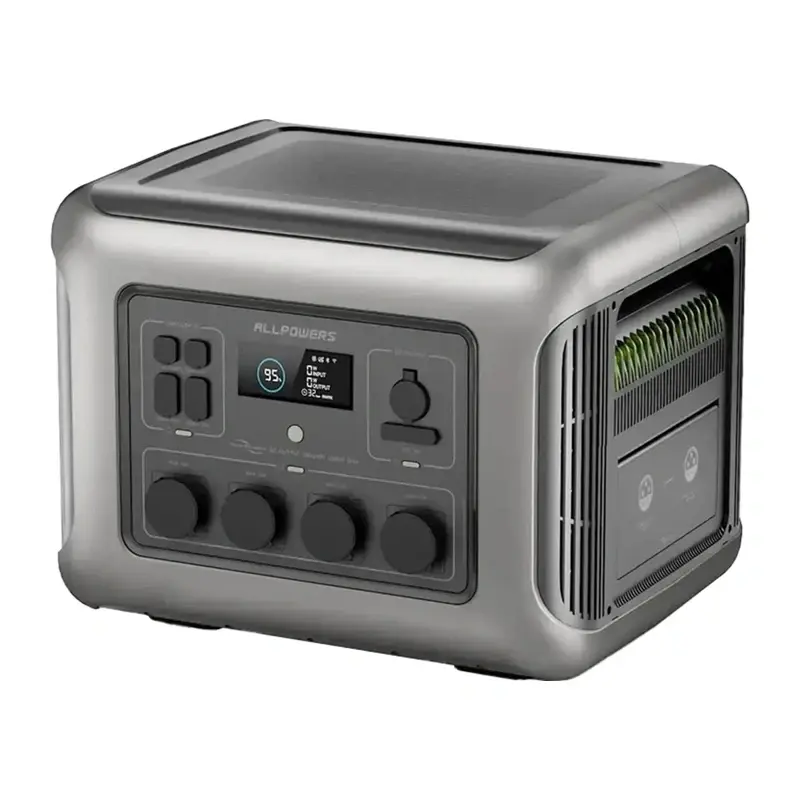
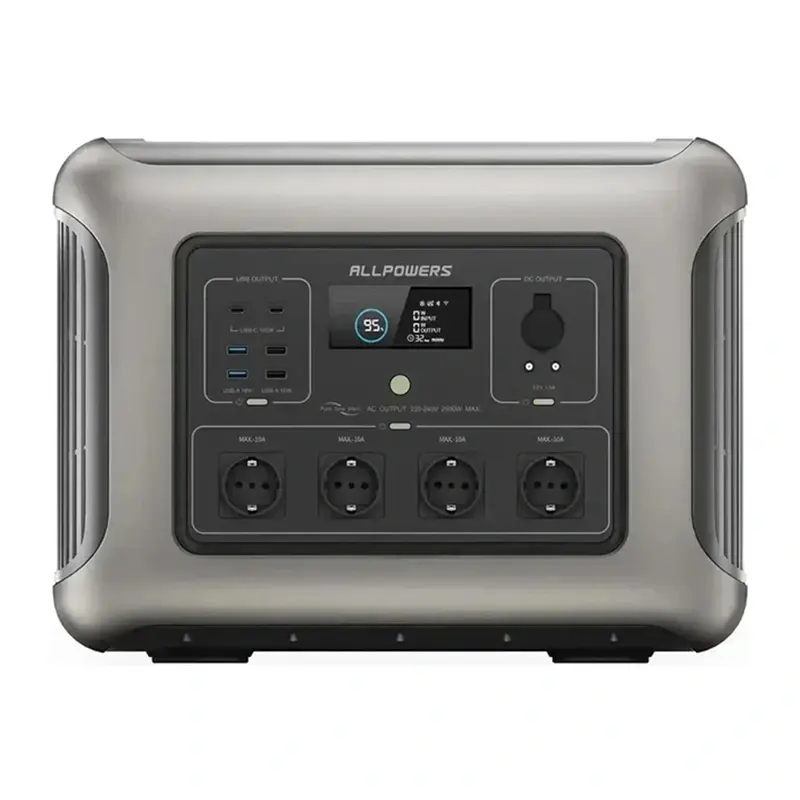
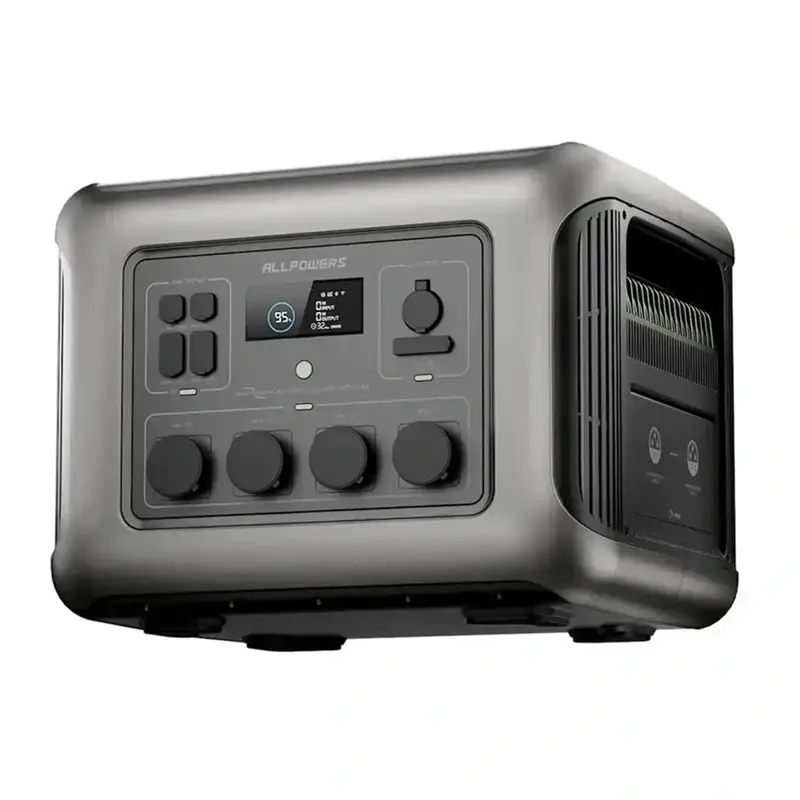
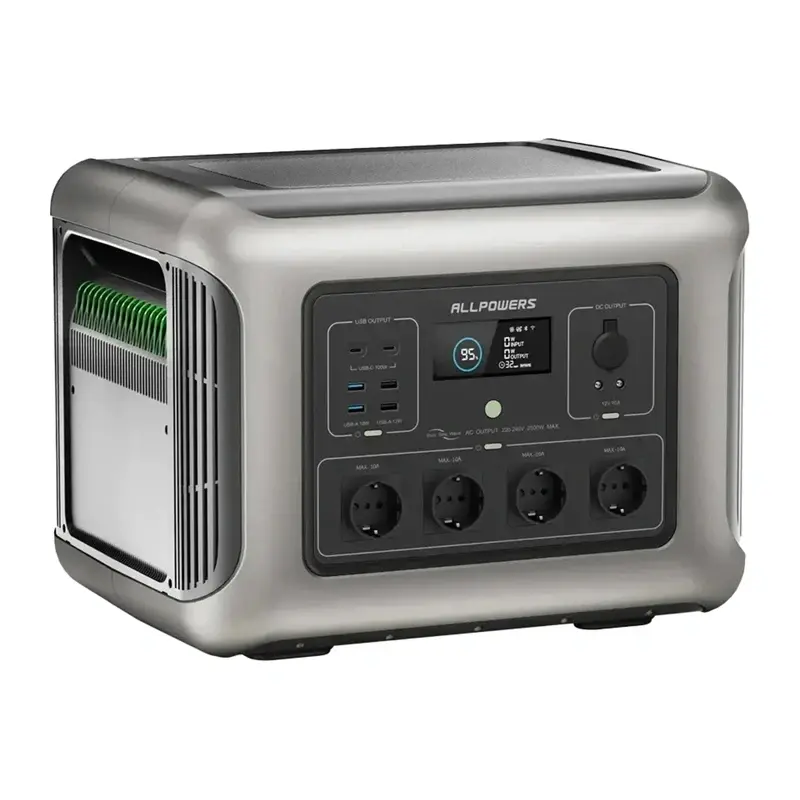
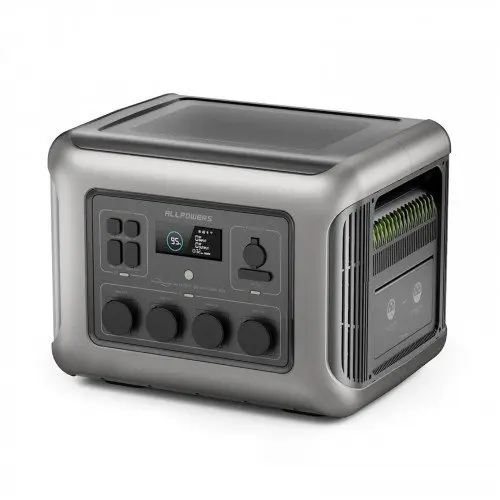
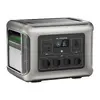
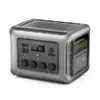
Allpowers R2500 V2 Portable Power Station 2016 Wh LiFePO4 Battery 2500W Pure Sine Wave
The Allpowers R2500 V2 Portable Power Station 2016 Wh LiFePO4 Battery 2500W Pure Sine Wave is a robust and reliable energy storage solution designed to meet diverse power supply needs. Featuring a high-capacity 2016 Wh lithium iron phosphate battery and an advanced 2500W pure sine wave inverter with a 4000W peak output, this device delivers stable and clean electricity suitable for sensitive electronics as well as heavy-duty household appliances. Built with versatility in mind, the unit incorporates multiple charging methods including AC mains, solar panels, automotive outlets, and generators. Integrated Wi-Fi and Bluetooth connectivity allow for seamless remote monitoring via a dedicated mobile application, while the built-in UPS function provides rapid emergency power switching to safeguard critical connected equipment during unexpected grid failures.
The Allpowers R2500 V2 power station stands out due to its exceptional durability and longevity, utilizing a LiFePO4 battery that maintains approximately 80 percent of its original capacity even after exceeding 3500 charge cycles. Safety is prioritized by a sophisticated Battery Management System that offers comprehensive protection against overcharging, deep discharge, short circuits, and thermal anomalies. Its pure sine wave output guarantees safe operation for motorized appliances and delicate digital devices alike. Furthermore, the system supports impressive scalability, allowing users to expand total energy storage up to 20 kWh using compatible expansion batteries and link units in parallel for increased continuous and peak AC output.
This portable power station may not be ideal for users requiring an ultra-lightweight and compact power bank for backpacking or pocket transport, as its substantial battery capacity and robust build result in a heavier physical footprint. Additionally, operating extremely high-wattage industrial machinery that continuously exceeds the 2500W continuous or 4000W peak thresholds will surpass the technical limits of the internal inverter.
To begin using the power station, place the unit on a stable, dry, and well-ventilated surface. Power on the device by pressing the main power button, then activate the specific output sections such as AC sockets or USB ports depending on the devices you intend to connect. Recharge the battery by connecting it to a standard AC wall outlet, compatible solar panels, a vehicle auxiliary power port, or a generator. Monitor battery levels, input metrics, and output statuses in real-time by checking the integrated digital display or by connecting your smartphone via Wi-Fi or Bluetooth to the official management application.
Usage recommendations: To maximize battery lifespan, store the power station in a cool and dry environment away from direct sunlight and moisture. If the unit is to be stored for an extended period, charge the battery to approximately 50 percent every three to six months to maintain optimal health and prevent deep discharge of the LiFePO4 cells. Always operate the device within recommended ambient temperature ranges and avoid blocking the built-in cooling ventilation ports during heavy usage or charging cycles.
{{highlightedFeature.featureTitle}}:
{{getProductFeatureValueById(product, highlightedFeature.featureId)}}
The portable power station Allpowers R2500 V2 Portable Power Station 2016 Wh LiFePO4 Battery 2500W Pure Sine Wave is compared with Allpowers R600 Power Station 299Wh LiFePO4 600W Pure Sine Wave and Allpowers VOLIX P300 Power Station 256 Wh LiFePO4 Battery 300 W AC Output. All units utilize reliable LiFePO4 battery chemistry and pure sine wave technology, but they differ significantly in capacity, output power, and scalability, tailoring them for purposes ranging from small electronics to whole-home backup power.
⚙️ The table below compares the key technical specifications of the devices: battery capacity, inverter power, expansion capabilities, and wireless control to illustrate the practical differences between them.
| Parameter | Allpowers R2500 V2 | Allpowers R600 | Allpowers VOLIX P300 | Practical conclusion |
|---|---|---|---|---|
| Battery capacity | 2016 Wh | 299 Wh | 256 Wh | The R2500 V2 offers vastly greater energy storage for sustained heavy-duty use, whereas the R600 and P300 are designed for short-term powering of basic essentials. |
| Inverter power | 2500 W (4000 W peak) | 600 W | 300 W | The R2500 V2 can handle demanding household appliances and power tools, while the smaller alternatives are limited to low-wattage electronics. |
| Scalability | Expandable up to 20 kWh | Not supported | Not supported | The flagship model allows building a comprehensive home backup power system for extended outages. |
| Wireless control | Wi-Fi and Bluetooth | Not specified | App control | The R2500 V2 and P300 provide convenient monitoring and adjustments via mobile devices. |
◎ The suitability table below helps determine which power station best matches your specific use cases and energy requirements.
| Use case | Recommended product | Why |
|---|---|---|
| Home backup power and running heavy appliances | Allpowers R2500 V2 | Provides high output, massive capacity, and expansion options capable of supporting household loads. |
| Compact solution for travel and gadget charging | Allpowers R600 | Small capacity and output optimized for frequent trips and keeping essential personal electronics running. |
| Daily indoor or outdoor use for light electronics | Allpowers VOLIX P300 | A lightweight station featuring pure sine wave output and UPS functionality for sensitive low-wattage devices. |
The Allpowers R2500 V2 stands apart from Allpowers R600 and Allpowers VOLIX P300 by delivering substantially higher energy capacity, robust power output, and system expandability up to 20 kWh. Choose the Allpowers R2500 V2 if you need reliable home backup power or the ability to run demanding electrical devices. The compact alternatives are better suited for users who only need a portable charging source for phones, laptops, and lightweight gear while on the move.