
Powerful EcoFlow stations for energy anywhere!
In cart {{totalProductsCount}} item(s)
Your cart is empty
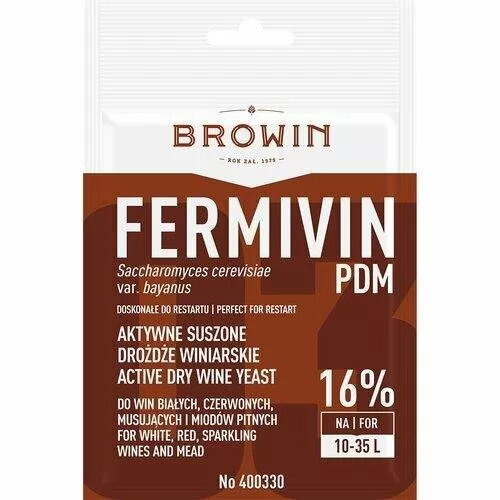
Biowin DRPDM Dry Wine Yeast 7g
Biowin DRPDM dry wine yeast is a professional-grade fermentation agent specifically developed for home winemaking. This 7g sachet contains a carefully selected strain of yeast designed to initiate and maintain a stable fermentation process, ensuring that your fruit must transforms into high-quality wine with a balanced flavor profile and appropriate alcohol content. Whether you are crafting light table wines or more robust fruit-based beverages, this yeast provides the reliability needed for consistent results in every batch.
The primary benefit of using Biowin DRPDM yeast is its high fermentation efficiency, which helps prevent stuck fermentations and off-flavors. This strain is known for its robustness, allowing it to perform well under various conditions typically found in home brewing environments. By utilizing this specialized yeast, winemakers can achieve a cleaner fermentation profile, which highlights the natural characteristics of the fruit used. Furthermore, the ease of preparation makes it an excellent choice for those who value efficiency and predictability in their winemaking workflow.
This yeast strain may not be the ideal choice for specialized brewing applications, such as producing sparkling wines that require specific secondary fermentation characteristics or high-gravity meads that demand extreme alcohol tolerance. It is also not intended for use in beer brewing or bread making, as the strain is specifically optimized for the fermentation of fruit sugars.
To prepare the yeast for fermentation, dissolve the contents of the 7g sachet in approximately 100ml of lukewarm water at a temperature between 22°C and 25°C. Stir the mixture gently and allow it to sit for about 20 minutes. Once the yeast has rehydrated and shows signs of activity, it can be added directly to the prepared fruit must. Ensure that the temperature difference between the yeast starter and the must is not too significant to avoid thermal shock to the yeast cells.
For the best results, maintain a stable fermentation temperature within the range recommended for your specific fruit type and ensure the must is properly oxygenated before pitching the yeast.
{{highlightedFeature.featureTitle}}:
{{getProductFeatureValueById(product, highlightedFeature.featureId)}}