Handheld digital multimeter BLOW 5020# (model UT33D+ compatible) is a compact instrument for measuring common electrical parameters in electronics, electrical maintenance and household tasks. The meter provides DC and AC voltage measurements, current ranges, resistance, continuity and diode checks in a small, portable body suitable for bench work and field use. Its design focuses on practical troubleshooting, routine inspections and quick component verification where a straightforward, easy-to-read handheld multimeter is required.
Advantages
The multimeter combines a clear digital display with basic measurement functions, offering fast readings for voltage, current and resistance. Its compact handheld form factor and robust casing make it convenient to carry and use in workshops or on-site. Compatibility with the UT33D+ model form factor ensures common control layout and familiar operation for technicians accustomed to that style. The device is suitable for quick diagnostics and repetitive checks without complex setup.
Suitable for
- Troubleshooting electronic circuits and printed circuit board components
- Routine electrical inspections in homes and small businesses
- Voltage and current checks during maintenance and repair work
- Testing resistors, diodes and continuity in hobbyist projects
Key specifications
- Measurement functions: DC voltage, AC voltage, DC current, resistance, continuity test, diode test
- Display: digital numeric readout with manual range selection (compatible layout with UT33D+)
- Form factor: handheld, portable design with protective housing
- Power supply: battery powered for field portability
- Input protection: basic overload protection for common measurement ranges
How to use
Switch the multimeter to the required measurement mode using the rotary selector, connect the test leads to the appropriate input jacks and place the probes across the circuit or component under test. For voltage measurements, observe correct polarity for DC and take care when measuring AC voltages. For current measurements, use the correct input and range and break the circuit if necessary to insert the meter in series. Use the resistance, continuity and diode functions with the circuit de-energized. Readings appear on the digital display; allow the meter to stabilise briefly before recording values.
Usage recommendations
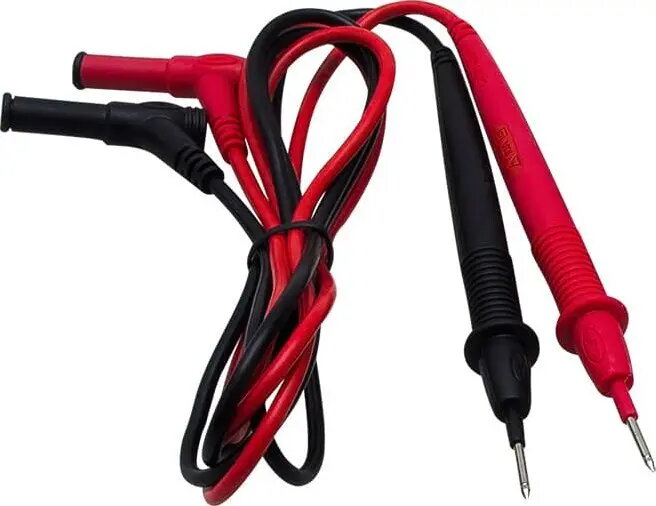
Ensure test leads and probe tips are in good condition before use, avoid exposing the meter to high voltages beyond its specified ranges, and always disconnect power when measuring resistance or checking diodes. Follow basic safety precautions such as wearing appropriate protective equipment and observing correct measurement procedures to reduce risk during electrical testing.