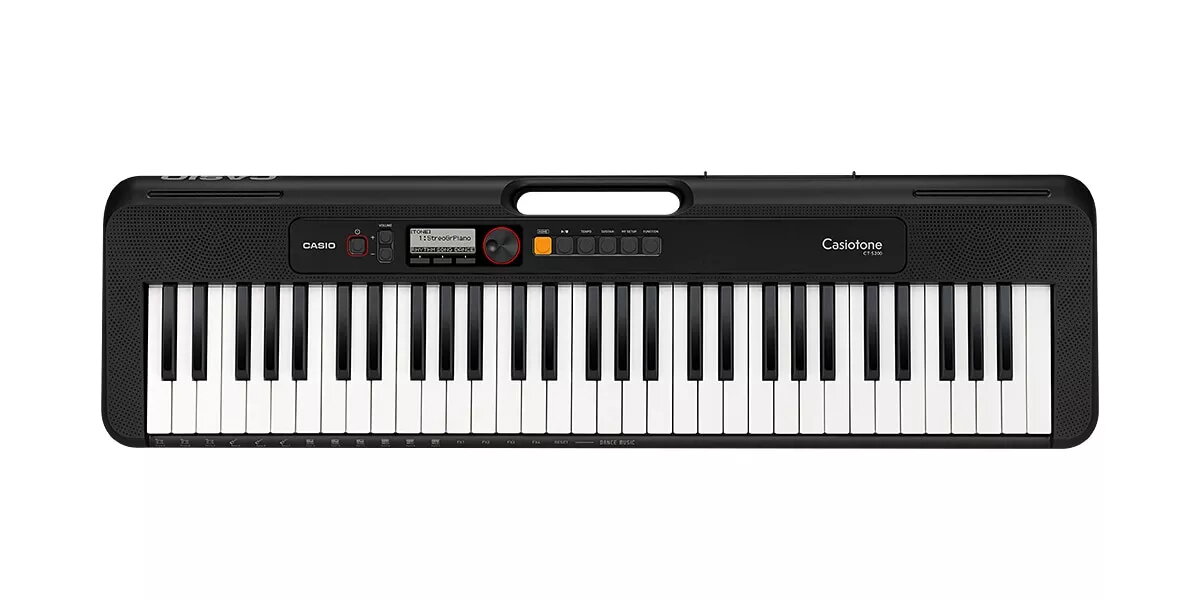
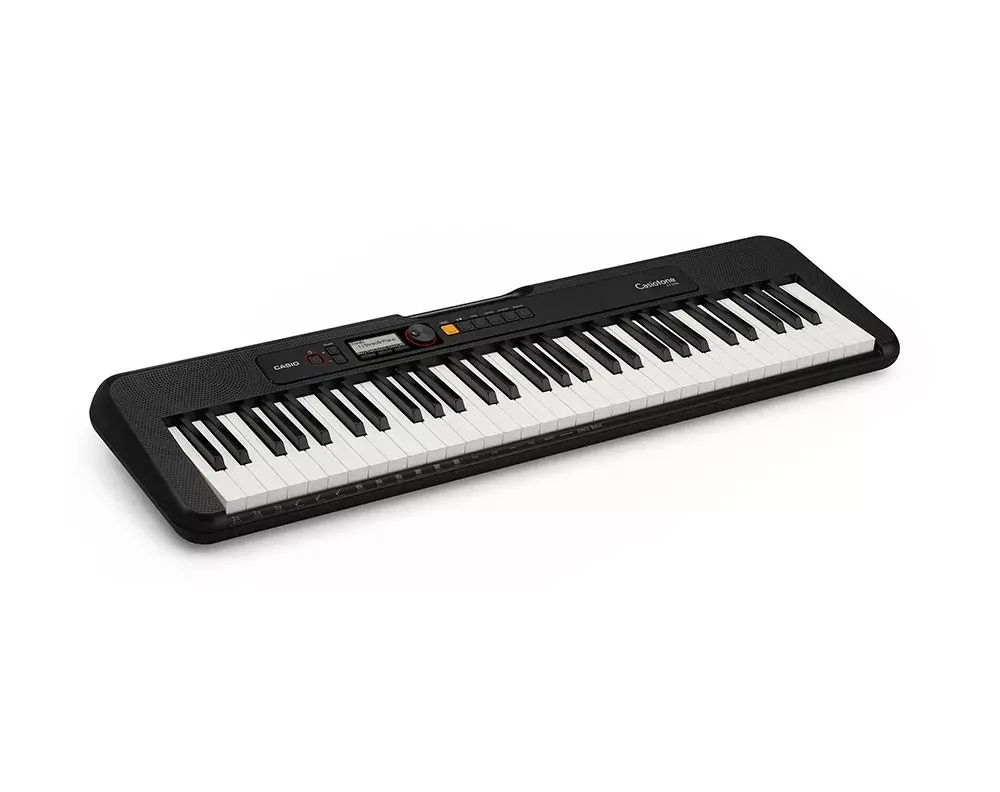
-
Interface:
Interface ports to connect pieces of equipment. USB (Universal Serial Bus) has become the most popular wired interface to connect peripherals. USB 2.0 supports speeds up to 480 Mbit/s (USB 1: 12 Mbit/s). The interface FireWire is also known as the IEEE 1394 standard. Enhanced IDE (EIDE)is sometimes referred to as Fast ATA, Fast IDE or ATA-2.
-
USB
-
Weight:
Weight of the product without packaging (net weight). If possible, the net weight is given including standard accessories and supplies. Please note that sometimes the manufacturer leaves out the weight of accessories and/or supplies.
-
3.3 kg
-
Bundled software:
Software distributed with another product such as a piece of computer hardware or other electronic device, or a group of software packages which are sold together. A software suite is an example of bundled software, as is software which is pre-installed on a new computer.
-
Chordana Play
-
Power consumption (typical):
Amount of power consumed by this model, often expressed in watts (W). Typical values that manufacturers give are power consumption when off, standby/suspended mode, typical use, maximum usage.
-
5.5 W
-
Battery type:
Description of battery supplied with the product, such battery form factor (e.g. AA/AAA).
-
AA
-
Number of batteries supported:
The number of batteries that can be used with the product.
-
6
-
Height:
The measurement of the product from head to foot or from base to top.
-
73 mm
-
Input voltage:
The voltage (V) which is required to power the product.
-
9.5
-
Width:
The measurement or extent of something from side to side.
-
930 mm
-
Depth:
The distance from the front to the back of something.
-
256 mm
-
Product colour:
The colour e.g. red, blue, green, black, white.
-
White, Black
-
Headphone outputs:
Number of sockets /ports where headphones are connected.
-
2
-
DC-in jack:
The socket/plug where the DC electricity supply connects to the device.
-
Yes
-
Built-in speaker(s):
The device contains speaker(s) to produce sound.
-
Yes
-
Control type:
The way in which the device is controlled.
-
Rotary, Buttons
-
MIDI-keyboard number of keys:
The number of keys on a MIDI-keyboard, which is a piano-style user interface keyboard device used for sending MIDI signals or commands over a USB or MIDI cable to other devices connected and operating on the same MIDI protocol interface. This could also be a personal computer running software such as a digital audio workstation (DAW) that listens to and sends MIDI information to other MIDI devices connected by cable or running internal to the personal computer system.
-
61 keys
-
Foot pedal input:
-
Yes
-
Music memory capacity (songs):
The number of songs that can be stored in the memory.
-
60
-
Power source type:
What the power source is.
-
DC, Battery
-
Built-in display:
A display which is part of the product, so you do not need to attach another display.
-
Yes
-
Display type:
Type of display (screen) e.g. LCD.
-
LCD
-
Maximum polyphony (notes):
-
48
-
Sound effects:
-
Reverberation
-
Metronome:
-
Yes
-
Octave adjustment:
-
Yes