
Leave your address - as soon as the price of the product goes down, you'll know about it right away
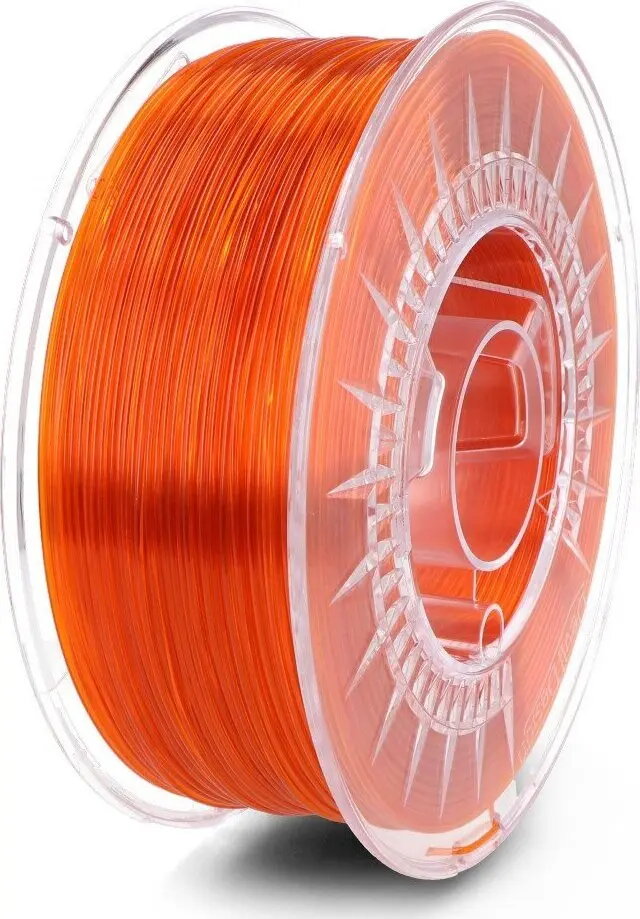
Filament devils design PETG 1.75 mm 1 kg — Bright Orange Transparent
In cart {{totalProductsCount}} item(s)
Your cart is empty
Filament devils design PETG 1.75 mm 1 kg — Bright Orange Transparent
Leave your address - as soon as the price of the product goes down, you'll know about it right away
Filament devils design PETG 1.75 mm 1 kg — Bright Orange Transparent
devil design PETG 1.75 mm filament on a 1 kg spool in Bright Orange Transparent offers a translucent, high-visibility material for FDM/FFF 3D printers that accept 1.75 mm filament. PETG combines higher impact resistance than PLA with easier printability than ABS, providing good layer adhesion, low shrinkage and improved chemical resistance. The bright orange transparent color delivers vivid, semi-transparent prints suitable for parts that require both aesthetic appeal and functional performance.
This PETG filament provides a balance of mechanical strength and printability, with reliable extrusion characteristics and reduced warping on most desktop printers. The translucent orange finish produces vibrant, light-transmitting objects while retaining dimensional stability. PETG’s resistance to common chemicals and moisture makes it suitable for durable prototypes and parts that face moderate environmental exposure.
Load the 1.75 mm filament onto a compatible FDM/FFF 3D printer following the printer manufacturer’s filament loading instructions. Typical print settings for PETG start with a nozzle temperature in the range of 230–250°C and a heated bed temperature around 60–80°C; adjust within these ranges based on your printer, nozzle size and filament behavior. Use moderate print speeds and enable retraction settings appropriate for PETG to reduce stringing. Ensure proper first-layer adhesion by leveling the bed and using a suitable build surface or adhesion aid.
Store the spool in a dry environment or in a sealed bag with desiccant to maintain filament quality. For parts requiring maximum clarity, print at stable temperatures, avoid excessive layer cooling, and post-process with polishing or solvent smoothing methods compatible with PETG if needed. When printing functional parts, perform dimensional testing and tighten tolerances in CAD models to account for the material’s slight flexibility compared with rigid plastics.
{{highlightedFeature.featureTitle}}:
{{getProductFeatureValueById(product, highlightedFeature.featureId)}}