Reasons to buy
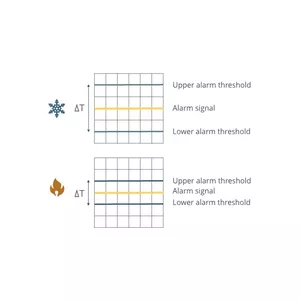
Digital temperature compensation
With this technology, the detector will automatically adjust the upper and lower alarm thresholds based on the external temperature. This allows it to cope with temperature changes and maintain alarm sensitivity. Digital temperature compensation outperforms the traditional method of adjusting the amplifier gain on the detector. Increasing amplifier gain makes the device more susceptible to external interference from other equipment, such as radios.
Animal-immune detection
Animals sometimes visit neighbors’ yards — occasionally at night for a stroll. These harmless visits should not trigger an alarm. Animal-immune detection significantly reduces false alarms caused by animals. This makes Hikvision intrusion detectors an ideal choice for families with pets or for locations frequently visited by harmless wildlife.
Dual technology and tri-detection
Some detectors use PIR technology, which is effective at detecting living targets that emit body heat. Others use microwave technology to detect movement. By combining these two technologies, the intrusion detector only sounds an alarm when both sensors are triggered — indicating something that is both alive and moving. Using this dual technology helps reduce the likelihood of false alarms.
Tri-detection refers to another multi-technology method: two PIR sensors and one microwave sensor must be triggered simultaneously for an alarm to be sent.
Anti-masking and anti-blocking
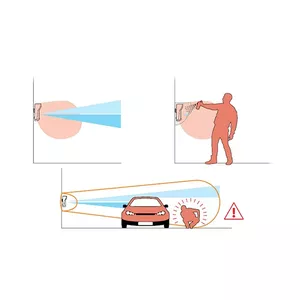
For planned burglaries or other incidents, intruders might cover or spray-paint detectors to mask them while the system is disarmed, then break in later when they know the system won’t trigger.
Anti-masking uses the microwave module to create a secondary microwave “bubble” that is active at all times and is used solely to prevent masking. The microwave bubble is adjustable between 0 and 1 meter, depending on the application, and ensures any attempt to mask the detector is reported to the control panel.
Anti-blocking is similar to anti-masking, but it monitors the entire field of view for any blockage. The detector will send an alert to the alarm panel if the field of view is blocked or obstructed by objects such as a car, box, or pallet.