-
Processor frequency:
The clock rate is the fundamental rate in cycles per second (measured in hertz) at which a computer performs its most basic operations such as adding two numbers. There are more factors, like internal memory size, that influence a computer's actual response time.
-
800 MHz
-
Internal memory:
The amount of memory, usually measured in bytes (e.g. MB, GB), which is installed in the system's hardware.
-
2048 MB
-
Interface:
Interface ports to connect pieces of equipment. USB (Universal Serial Bus) has become the most popular wired interface to connect peripherals. USB 2.0 supports speeds up to 480 Mbit/s (USB 1: 12 Mbit/s). The interface FireWire is also known as the IEEE 1394 standard. Enhanced IDE (EIDE)is sometimes referred to as Fast ATA, Fast IDE or ATA-2.
-
PRI ISDN
-
Dimensions (WxDxH):
Dimensions of the product (Width x Depth x Height).
-
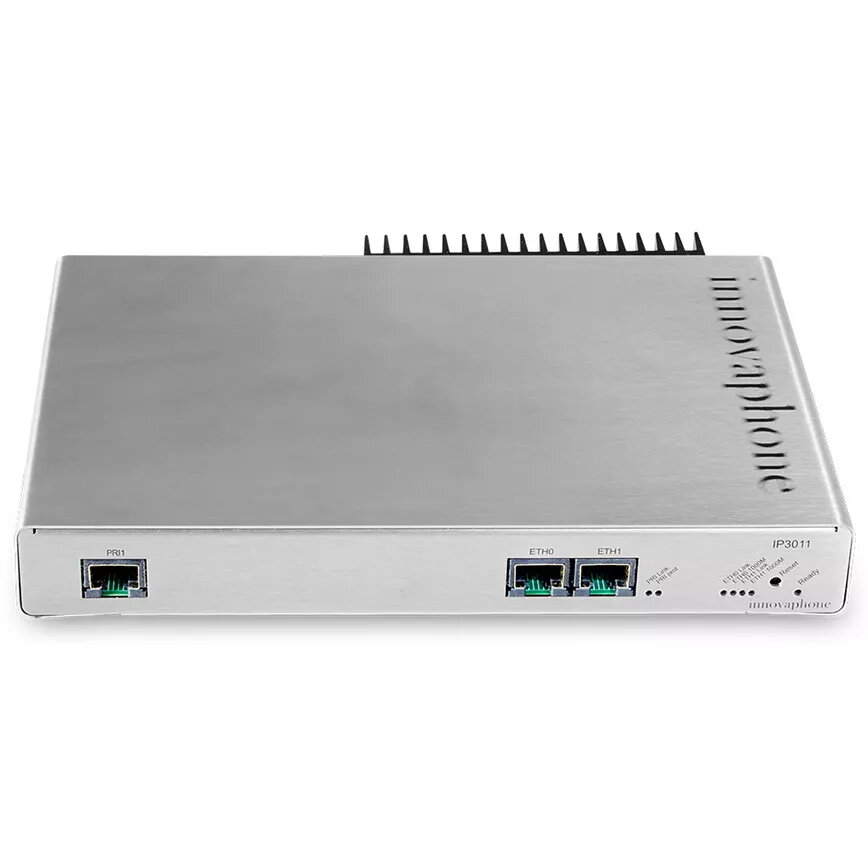
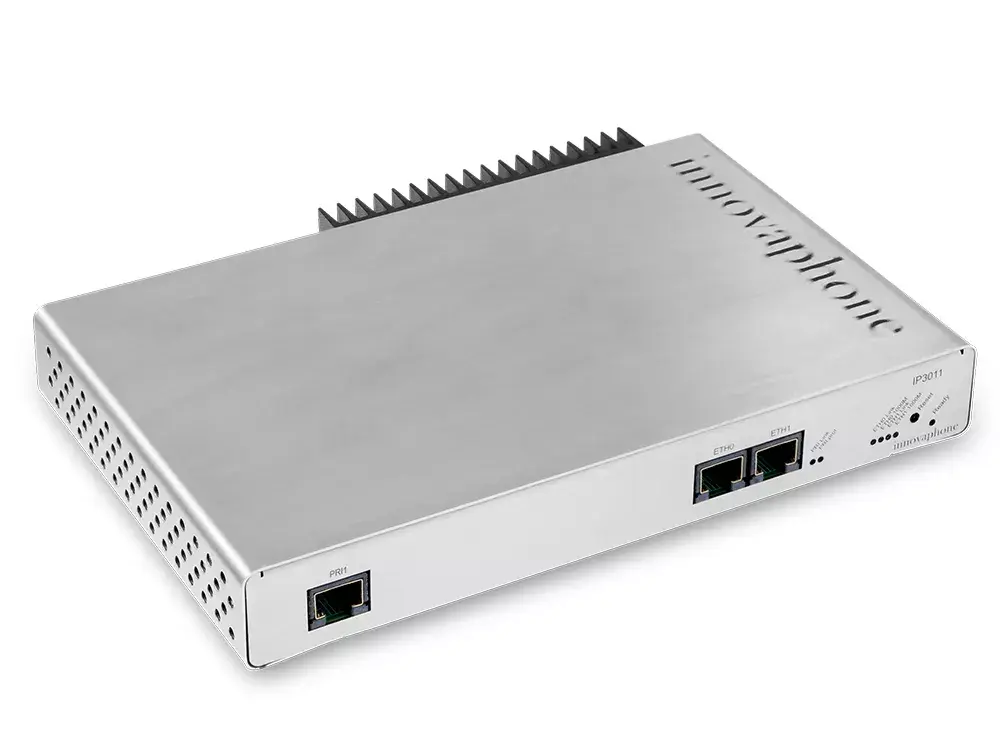
210 x 134 x 32
-
Weight:
Weight of the product without packaging (net weight). If possible, the net weight is given including standard accessories and supplies. Please note that sometimes the manufacturer leaves out the weight of accessories and/or supplies.
-
1.05 kg
-
Certification:
-
EN 55022:2010 + AC:2011(Class B)
EN 55024:2010
EN 60950-1:2006/A11:2009/A1:2010/A12:2011/A2:2013
-
Flash memory:
-
32 MB
-
Number of processors installed:
Number of processors in the product.
-
1
-
Operating relative humidity (H-H):
-
10 - 90
-
Cabling technology:
Type of cable technology performance.
-
10/100/1000Base-T(X)
-
Storage temperature (T-T):
The minimum and maximum temperatures at which the product can be safely stored.
-
-10 - 70
-
Operating temperature (T-T):
The minimum and maximum temperatures at which the product can be safely operated.
-
0 - 45
-
LED indicators:
-
Yes
-
Wireless connection:
Wireless is a term used to describe telecommunications in which electromagnetic waves (rather than some form of wire) carry the signal over part or all of the communication path.
-
No
-
Networking standards:
The way in which the network is working, e.g. IEEE 802.11a, IEEE 802.11b, IEEE 802.11g.
-
IEEE 802.3u, IEEE 802.3az, IEEE 802.3af, IEEE 802.3ab, IEEE 802.3
-
Voice codecs:
-
G.729A, G.723.1, G.722, G.711
-
Channels quantity:
The number of channels the device has. There can be an individual input or output for each channel.
-
30 channels
-
Ethernet LAN (RJ-45) ports:
Number of Ethernet LAN (RJ-45) ports (connecting interfaces) in the device. Ethernet LAN (RJ-45) ports allow a computer to connect to the ethernet.
-
2
-
Power over Ethernet (PoE):
The device supports Power over Ethernet (PoE), which is one of several standardized or ad-hoc systems which pass electrical power along with data on Ethernet cabling. This allows a single cable to provide both data connection and electrical power to devices such as wireless access points or IP cameras.
-
Yes
-
Ethernet LAN data rates:
The different speed levels of the Ethernet LAN connection.
-
10, 1000, 100
-
Built-in processor:
Whether or not a processor is built into the device.
-
Yes