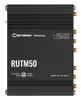
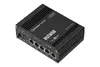
-
Supported network protocols:
Network protocols tested as compatible with this product e.g. FTP,HTML, POP.
-
TCP, UDP, IPv4, IPv6, ICMP, NTP, DNS, HTTP, HTTPS, FTP, SMTP, SSL v3, TLS, ARP, VRRP, PPP, PPPoE, UPNP, SSH, DHCP, Telnet, SMPP, SNMP, MQTT, Wake On Lan (WOL)
-
MAC address filtering:
Security access control method whereby the 48-bit address assigned to each network card is used to determine access to the network. MAC addresses are uniquely assigned to each card, so using MAC filtering on a network permits and denies network access to specific devices through the use of blacklists and whitelists.
-
Yes
-
Dynamic DNS (DDNS):
-
Yes
-
Auto MDI/MDI-X:
A Medium Dependent Interface (MDI) describes the interface (both physical and electrical) in a computer network from a physical layer implementation to the physical medium used to carry the transmission. Ethernet over twisted pair also defines a medium dependent interface crossover (MDIX) interface. Auto-MDIX ports on newer network interfaces detect if the connection would require a crossover, and automatically chooses the MDI or MDIX configuration to properly match the other end of the link.
-
Yes
-
DHCP client:
Whether the product features a DHCP (Dynamic Host Configuration Protocol) to obtain IP addresses within a network.
-
Yes
-
DHCP server:
A server is a system which that responds to requests across a computer network to provide, or help to provide, a network service. DCHP servers uses the DCHP (Dynamic Host Configuration Protocol), which is a standardized networking protocol used by servers on an IP network to allocate IP addresses to computers. The purpose of DHCP is to automate the IP address configuration of a computer without a network administrator. IP addresses are typically selected from a range of assigned IP addresses stored in a database on the server and issued to a computer which requests a new IP address. An IP address is assigned to a computer for a set interval, after which, the computer must renew the IP address or acquire a new one.
-
Yes
-
Networking standards:
The way in which the network is working, e.g. IEEE 802.11a, IEEE 802.11b, IEEE 802.11g.
-
IEEE 802.3u, IEEE 802.3az, IEEE 802.3
-
Ethernet LAN data rates:
The different speed levels of the Ethernet LAN connection.
-
10, 1000, 100
-
Ethernet LAN interface type:
The characteristics of the Ethernet LAN interface.
-
Gigabit Ethernet
-
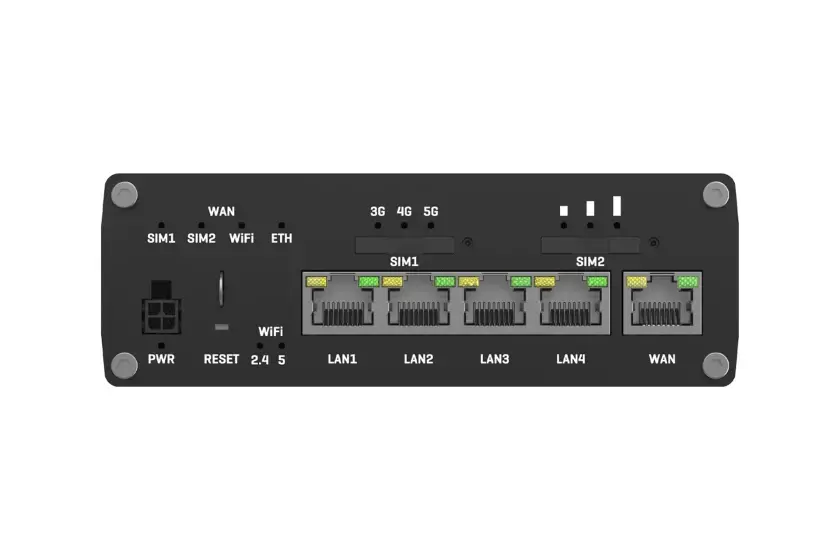
Ethernet LAN:
An Ethernet LAN (Local Area Network) interface is present, for a wired conection via a cable.
-
Yes