-
Type:
Characteristics of the device.
-
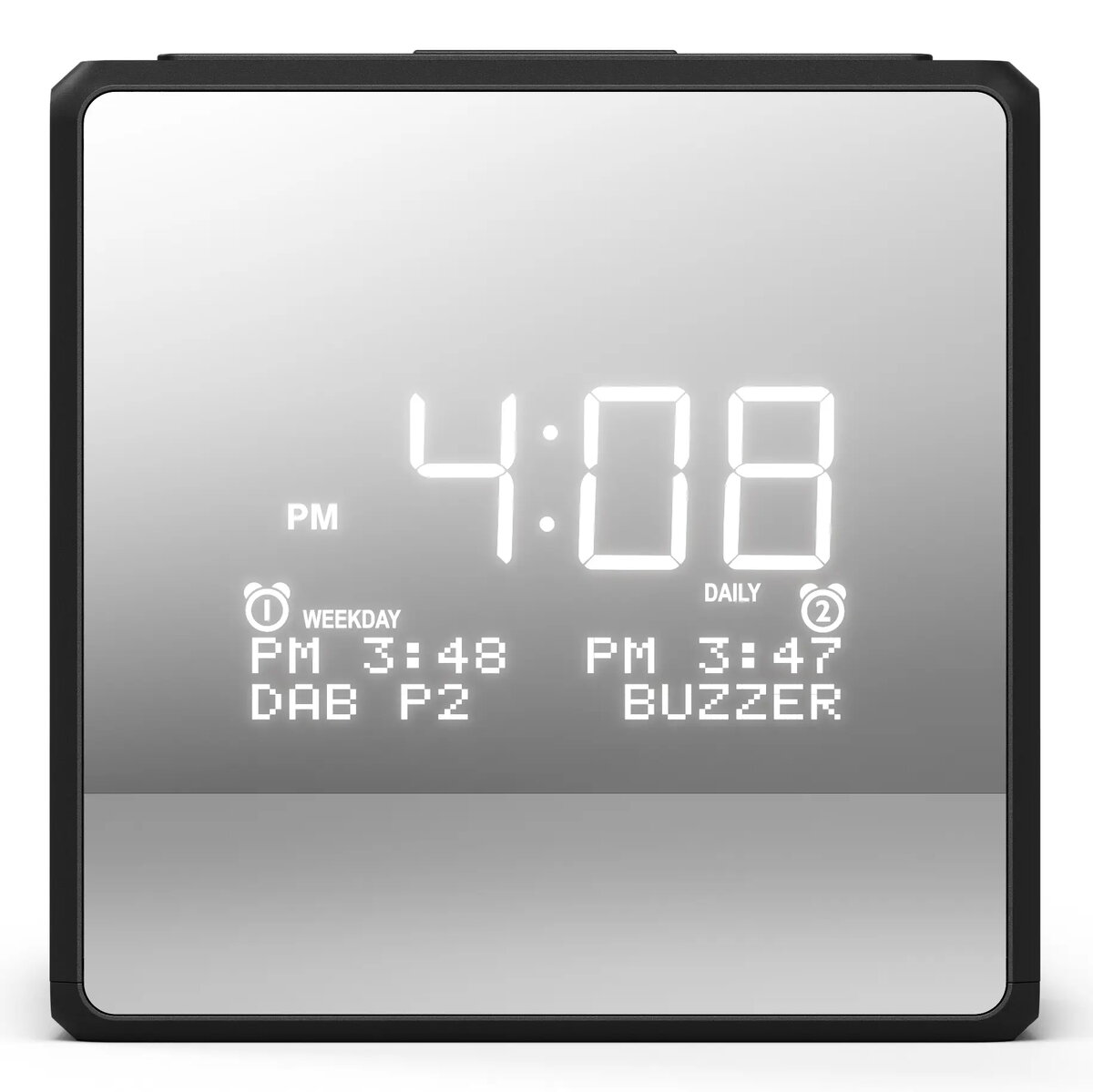
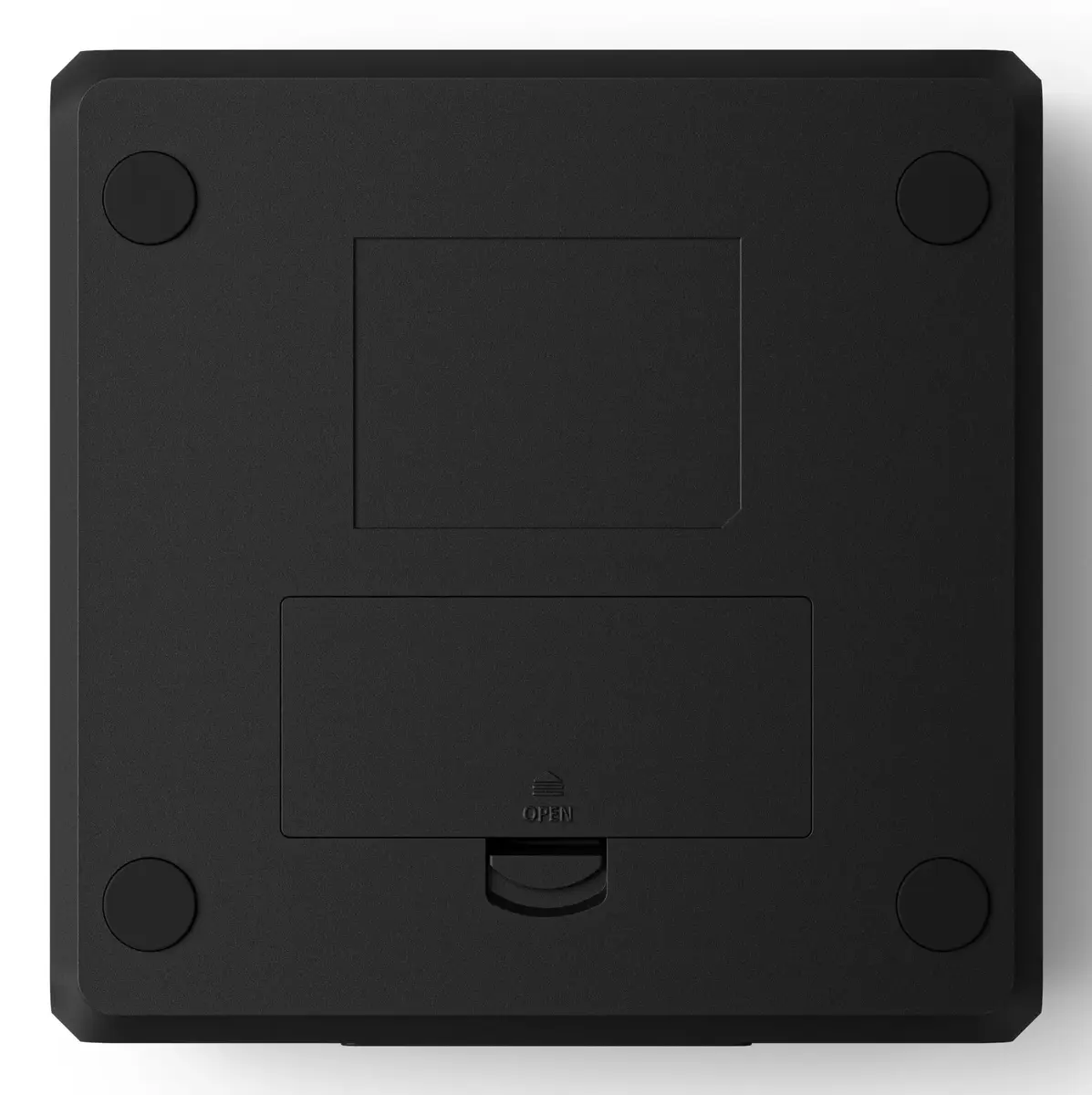
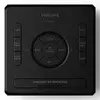
Digital alarm clock
-
Weight:
Weight of the product without packaging (net weight). If possible, the net weight is given including standard accessories and supplies. Please note that sometimes the manufacturer leaves out the weight of accessories and/or supplies.
-
0.375 kg
-
Power consumption (typical):
Amount of power consumed by this model, often expressed in watts (W). Typical values that manufacturers give are power consumption when off, standby/suspended mode, typical use, maximum usage.
-
1.5 W
-
Package weight:
Weight of the packaged product.
-
710 g
-
Battery type:
Description of battery supplied with the product, such battery form factor (e.g. AA/AAA).
-
AAA
-
Number of batteries supported:
The number of batteries that can be used with the product.
-
2
-
AC adapter included:
-
Yes
-
Power source:
What is providing power for the product e.g. mains electricity.
-
AC/Battery
-
Height:
The measurement of the product from head to foot or from base to top.
-
103.5 mm
-
Width:
The measurement or extent of something from side to side.
-
103 mm
-
Depth:
The distance from the front to the back of something.
-
103 mm
-
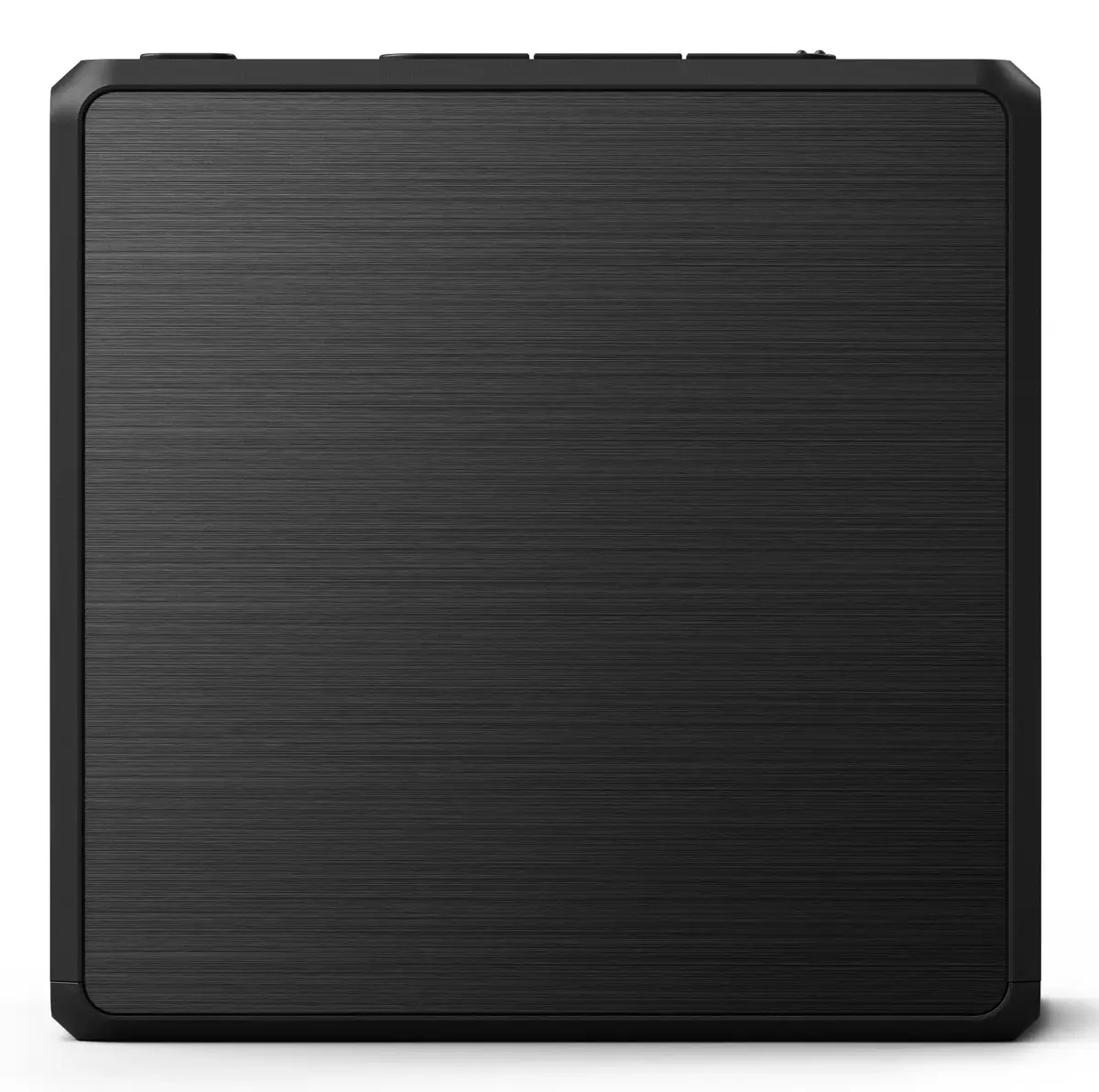
Product colour:
The colour e.g. red, blue, green, black, white.
-
Black
-
Power consumption (standby):
The amount of electricity that is consumed when the product is on standby.
-
1 W
-
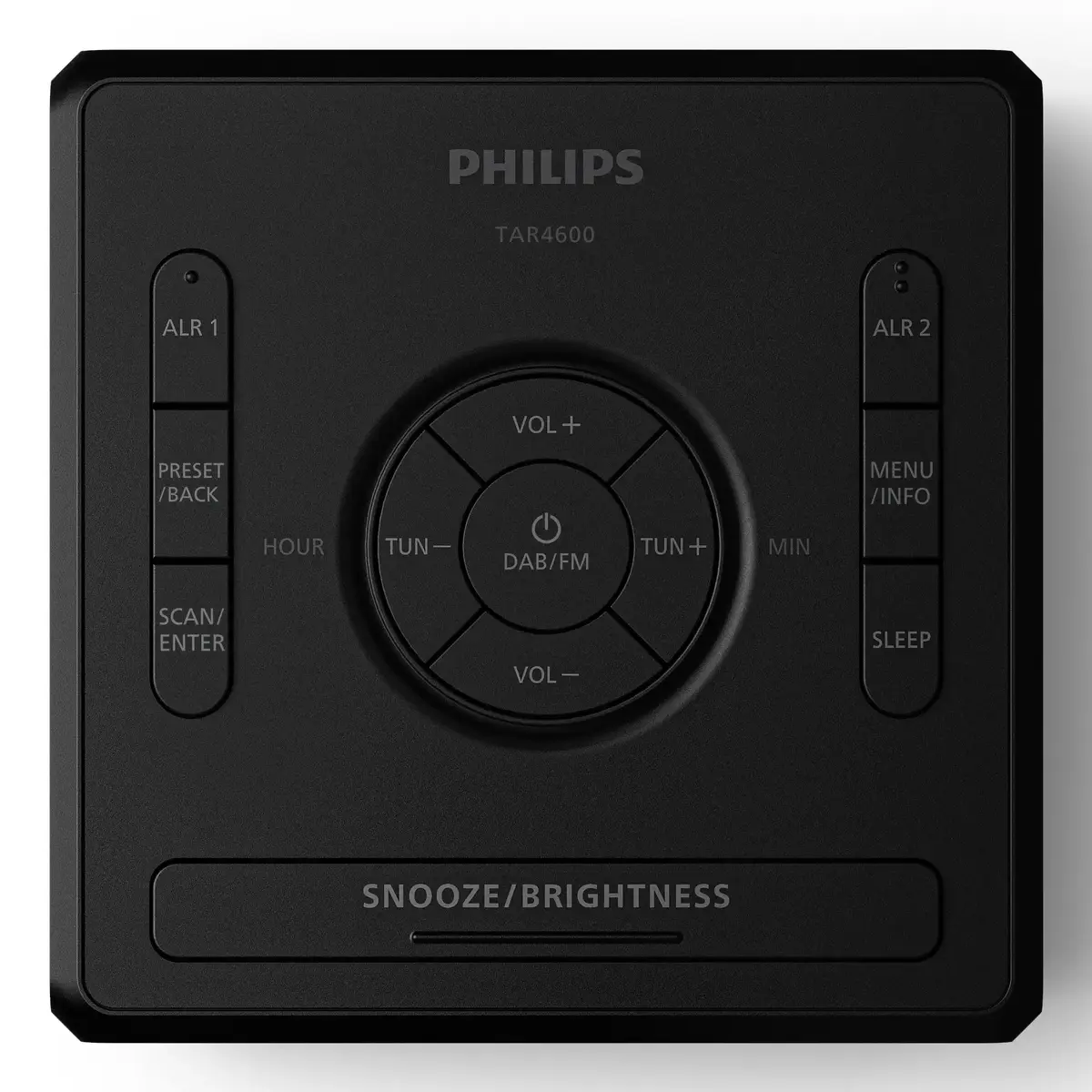
FM radio:
Frequency-modulated (FM) radio gives the clearest reception of any radio band. When used with a headset, it delivers stereo-like sound.
-
Yes
-
Bluetooth:
Bluetooth is a low-power radio technology developed to replace the cables and wires currently used to link or connect electronic devices such as personal computers, printers, and a wide variety of handheld devices including mobile phones. Because it uses radio-wave connectivity, a Bluetooth-enabled device has a constant, established connection to whatever browser it uses. This saves the user the trouble of logging on to check for emails or news updates, for example.
-
No
-
Radio Data System (RDS):
RDS (Radio Data System) means that information such as time, station identification and programme information can be displayed by the device.
-
Yes
-
USB 2.0 ports quantity:
Number of USB 2.0 ports (connecting interfaces) in the device. USB 2.0 was released in April 2000 (now called "Hi-Speed"), adding higher maximum signaling rate of 480 Mbit/s (effective throughput up to 35 MB/s or 280 Mbit/s), USB 2.0 ports are usually black.
-
1
-
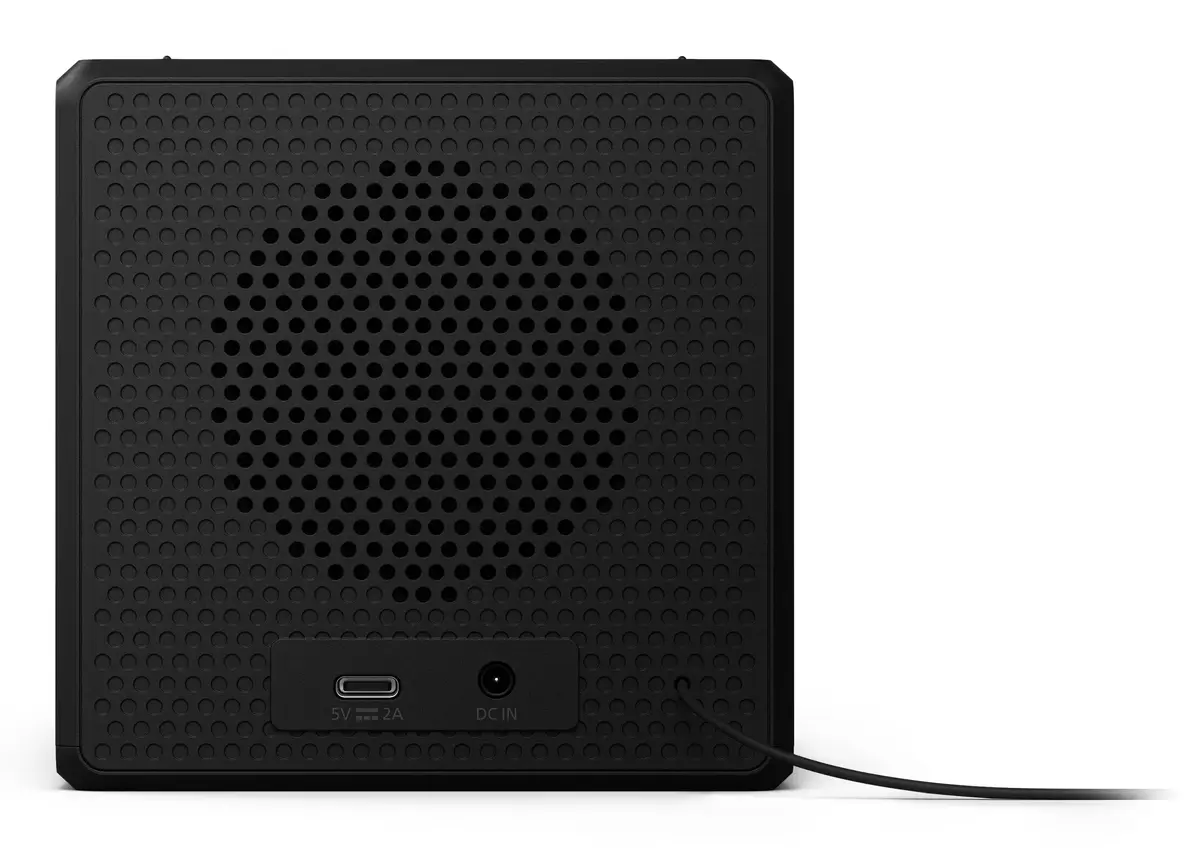
DC-in jack:
The socket/plug where the DC electricity supply connects to the device.
-
Yes
-
FM band range:
The frequencies (usually measured in Hertz) which can be picked up in the FM radio range. The usual frequencies are between 87.5 to 108.0 MHz
-
87.5 - 108
-
Supported radio bands:
The bands which the radio can receive e.g. FM, MW, LW.
-
FM, DAB, DAB+
-
Package depth:
The distance from the front to the back of the packaging.
-
121 mm
-
Package height:
The distance from the top to the bottom of the packaging.
-
118 mm
-
Package width:
The distance from one side of the packaging to the other.
-
176 mm
-
Manual:
-
Yes
-
AC input frequency:
-
50/60
-
AC input voltage:
The voltage of the AC electricity that is inputted into the product.
-
100 - 240
-
Display type:
Type of display (screen) e.g. LCD.
-
LCD
-
Shape:
The external form, contours, or outline of the product.
-
Square
-
Time format:
-
12/24h
-
USB charging port:
-
Yes
-
Quantity per pack:
-
1 pc(s)
-
Built-in radio:
If the device can also be used as a radio station.
-
Yes
-
On/off button:
-
Yes
-
USB charging voltage:
-
5