
Hurry and order now – up to 50% off!
In cart {{totalProductsCount}} item(s)
Your cart is empty
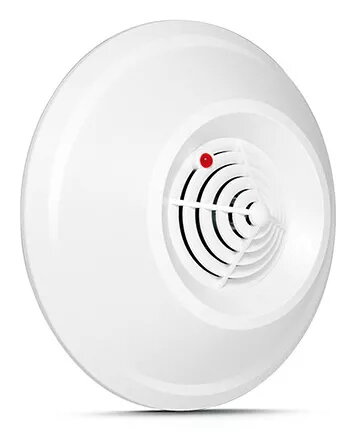
Carbon monoxide detector Satel DG-1 CO
The Satel DG-1 CO is a wired, microprocessor-based carbon monoxide detector designed for reliable detection of CO gas in residential and commercial environments. Weighing approximately 63 g and powered by DC supply, the detector monitors ambient air for dangerous carbon monoxide concentrations and signals alarm when threshold levels are exceeded for a specified period. The device integrates a digital detection algorithm and temperature compensation to maintain correct performance across a wide range of ambient temperatures and to reduce false alarms. Equipped with a built-in buzzer and a red LED, the DG-1 CO can function as a standalone alarm or be connected to a broader alarm system. Continuous self-diagnostic monitoring and a tamper switch help ensure ongoing reliable operation.
The DG-1 CO uses a microprocessor-based detection algorithm with temperature compensation to provide consistent and accurate response to carbon monoxide across varying environmental conditions. Its low weight and wired DC operation allow stable, continuous monitoring without reliance on replaceable batteries. The combination of a built-in buzzer and visual indicator enables immediate local notification, while compatibility with alarm systems supports centralized monitoring. Self-diagnostics monitor sensor health and supply voltage status to reduce the risk of undetected faults. A tamper switch adds protection against unauthorized removal or interference.
Install the DG-1 CO detector at about 1.5 m above the floor in locations where carbon monoxide may occur, such as boiler rooms, near fuel-burning appliances, or in garages. Connect the device to a compatible DC power source and, if required, wire it into the building's alarm system following the system manufacturer's wiring guidelines. Once powered, the detector continuously monitors ambient air and will trigger the built-in buzzer and red LED when CO concentrations exceed threshold levels for the specified time interval. Regularly check the self-diagnostic signals to verify sensor health and supply voltage status and ensure the tamper switch is engaged after mounting.
Place the detector away from direct drafts, open windows or vents that could dilute gas concentration readings. Do not install the device directly above fuel-burning appliances or in dead-air spaces; follow the recommended mounting height of about 1.5 m. Test the unit as part of routine maintenance and address any self-diagnostic fault indications promptly. When integrating with an alarm system, follow professional installation practices to ensure correct wiring and reliable response.
{{highlightedFeature.featureTitle}}:
{{getProductFeatureValueById(product, highlightedFeature.featureId)}}