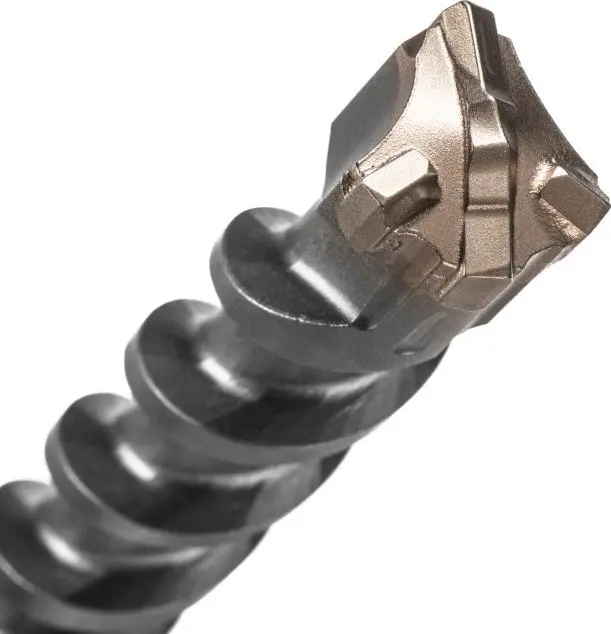
The Smart SDS MAX Concrete Drill Bit 20mm 18-200520 is compared with similar SDS MAX shank drill bits from Smart, DeWalt, AWTools, and NEO tools. All presented models are engineered for heavy-duty drilling in concrete, masonry, and stone using rotary hammers. The main differences lie in their working diameter, length, and specific tip design, which determine the scale of the tasks they perform.
⚙️ The technical specifications comparison covers the shank type, drilling diameter, tool length, and practical application for each model to help choose the right tool for specific construction needs.
| Parameter | Smart 20mm (main) | Smart 32mm | DeWalt DT60845 40mm | AWTools 35x600x740mm | NEO tools 28x800mm | Practical significance |
|---|
| Shank type | SDS MAX | SDS MAX | SDS MAX | SDS MAX | SDS MAX | All products are compatible with heavy rotary hammers and ensure secure bit retention. |
| Diameter | 20 mm | 32 mm | 40 mm | 35 mm | 28 mm | Determines the resulting hole size for anchors, pipes, or utility penetrations. |
| Application | Concrete, masonry, stone | Concrete, masonry, stone | Concrete, masonry | Concrete, masonry, stone | Concrete, masonry, stone | All models are tailored for professional construction and renovation tasks. |
◎ The use cases and buyer profiles comparison helps determine which drill bit is best suited for specific job site requirements.
| Use case | Recommended product | Why |
|---|
| Standard installation and construction work | Smart SDS MAX Concrete Drill Bit 20mm 18-200520 | Ideally suited for medium-sized holes in concrete and masonry during general construction. |
| Large-diameter utility and pipe routing | DeWalt DT60845 40 mm or AWTools SDS Max 35x600x740mm | Larger diameters and lengths are optimal for through-holes required by mechanical utilities. |
The Smart SDS MAX Concrete Drill Bit 20mm 18-200520 is optimal for standard construction tasks and medium-diameter fastenings, whereas alternatives from DeWalt, AWTools, and NEO tools are geared toward larger-scale penetration and deep hole drilling. Your choice should depend entirely on project-specific dimensions and depth requirements.