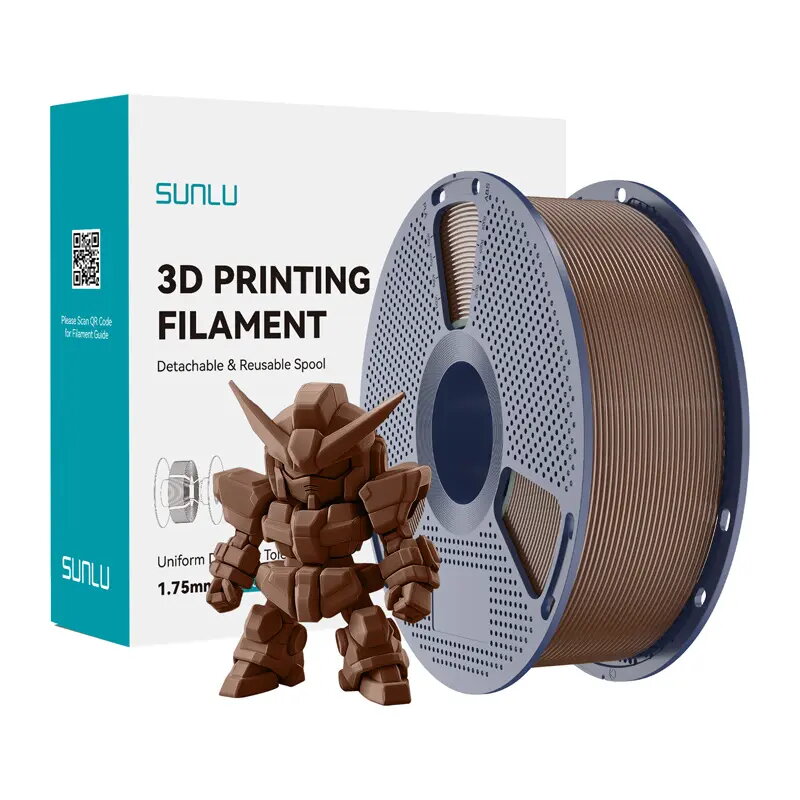
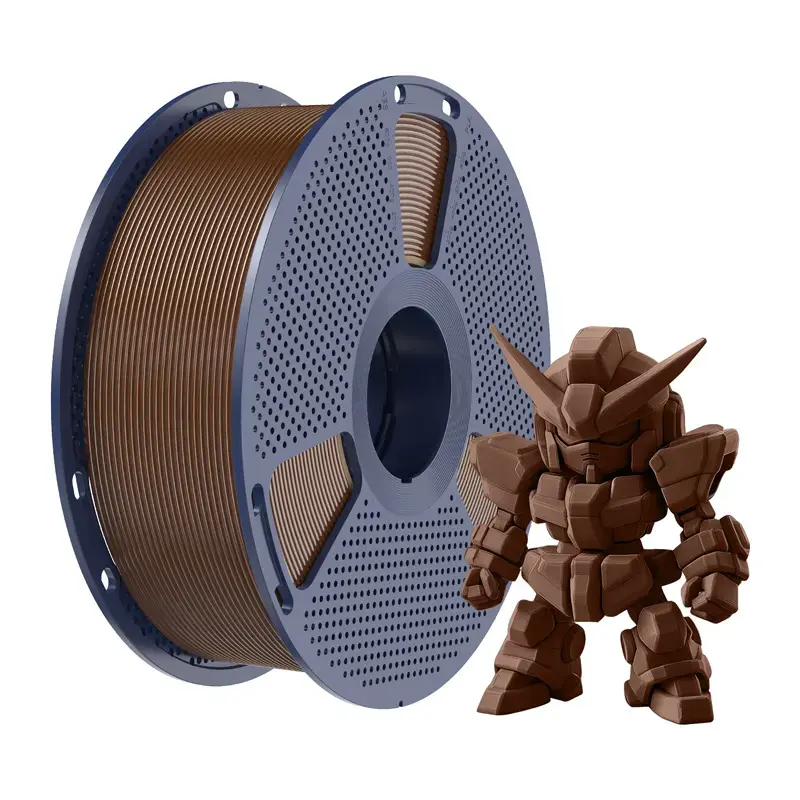
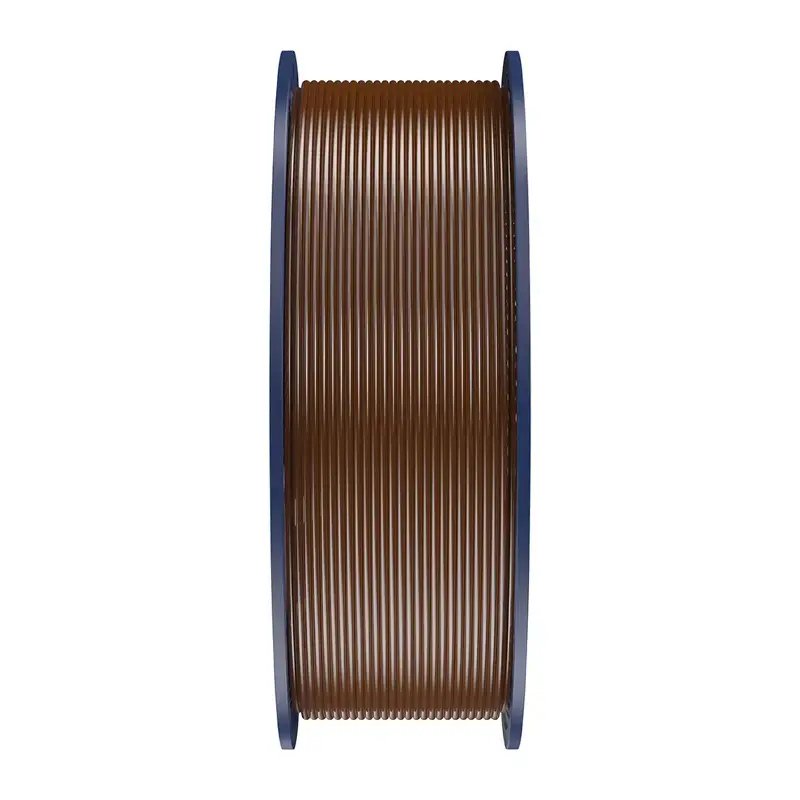
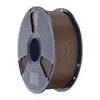
The Filament Sunlu PLA+ 2.0 (Coffee Brown) is compared against similar consumables from the same product line and manufacturer in alternative color options: PLA+ 2.0 Filament by Sunlu (Beige), Filament Sunlu PLA+ 2.0 (Green), Sunlu PLA+ 2.0 Filament Light Blue, Filament Sunlu PLA+ 2.0 (Oak), and Filament PLA+ 2.0 (Olive). All of these options belong to the same PLA+ 2.0 generation and share identical core characteristics, including filament diameter, improved toughness, and enhanced printability compared to standard PLA. The primary difference among them is exclusively the color of the final printed object, allowing you to choose the desired visual aesthetic without altering mechanical properties.
⚙️ The specifications table below compares the key characteristics of these materials, including polymer type, filament diameter, equipment compatibility, and intended use for each variant.
| Comparison parameter | Sunlu PLA+ 2.0 (Coffee Brown) | Sunlu PLA+ 2.0 (Beige) | Sunlu PLA+ 2.0 (Green) | Sunlu PLA+ 2.0 Light Blue | Sunlu PLA+ 2.0 (Oak) | Sunlu PLA+ 2.0 (Olive) | Practical conclusion |
|---|
| Material type | PLA+ 2.0 | PLA+ 2.0 | PLA+ 2.0 | PLA+ 2.0 | PLA+ 2.0 | PLA+ 2.0 | All products feature an identical formulation with enhanced toughness. |
| Filament diameter | 1.75 mm | 1.75 mm | 1.75 mm | 1.75 mm | 1.75 mm | 1.75 mm | Fully compatible with standard desktop FDM printers. |
| Intended use | Prototypes, decor, models | Prototypes, decor, models | Prototypes, decor, models | Prototypes, decor, models | Prototypes, decor, models | Prototypes, decor, models | Application scenarios and purposes are entirely identical across all colors. |
| Color | Coffee Brown | Beige | Green | Light Blue | Oak | Olive | The only functional difference is the aesthetic appearance of the printed object. |
◎ The suitability table below evaluates how well each product matches different visual and practical user needs.
| Use case | Recommended product | Why |
|---|
| Printing decorative items in natural brown tones | Sunlu PLA+ 2.0 (Coffee Brown) | The coffee brown shade is ideal for simulating wood or natural textures in interior models. |
| Creating neutral prototypes and light-colored parts | Sunlu PLA+ 2.0 (Beige) | The beige tone is convenient for subsequent painting and creating unobtrusive structural components. |
| Producing vibrant or themed models | Sunlu PLA+ 2.0 (Green) or Light Blue | Green and light blue colors are well-suited for hobby projects requiring an expressive palette. |
| Printing wood-effect objects | Sunlu PLA+ 2.0 (Oak) | The oak color helps achieve a realistic wood-like appearance for printed items. |
| Building models in tactical or natural color palettes | Sunlu PLA+ 2.0 (Olive) | The olive shade is popular for miniatures, military-themed elements, or landscape dioramas. |
The choice between Filament Sunlu PLA+ 2.0 (Coffee Brown) and the alternative color options depends entirely on the visual requirements of your project. Since the mechanical properties, diameter, and print settings are completely identical across all listed filaments, you should choose Sunlu PLA+ 2.0 (Coffee Brown) whenever you specifically need a coffee brown finish for your printed model.